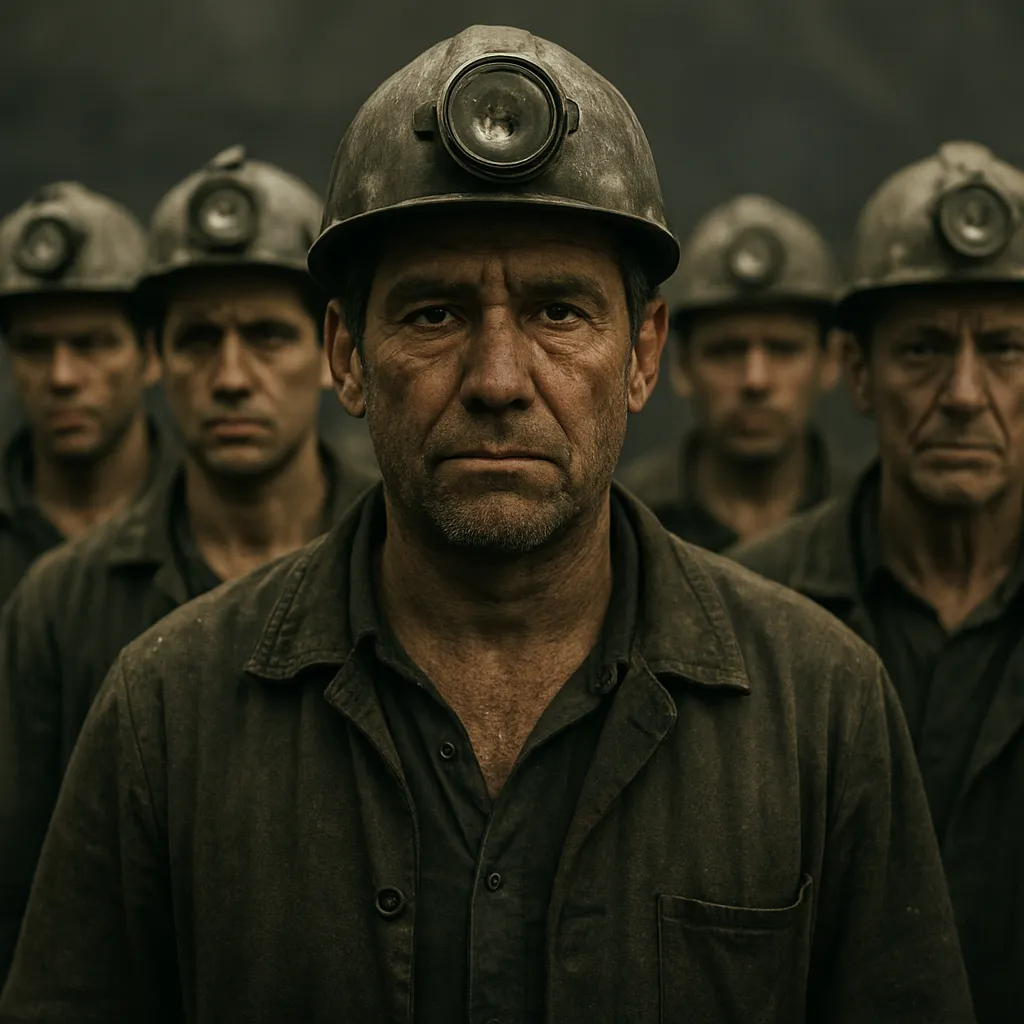
The coal industry has long been a cornerstone of global energy production and economic growth. Spanning centuries, its influence has shaped industrial landscapes, driven technological advancements, and fueled geopolitical strategies. From the early mines that powered steam locomotives to modern stock markets where coal shares trade daily, this article delves into the multifaceted world of coal. Examining its historical rise, financial mechanisms, environmental challenges, and future prospects, we uncover how this once-dominant resource continues to impact our planet and portfolios.
Emergence of Coal Industry in the 19th and 20th Century
The story of coal begins in the depths of underground seams discovered in Europe and North America. By the mid-1800s, coal had become the primary driver of the industrialization era, supplying energy to factories, railroads, and steamships. Countries rich in coal reserves experienced rapid economic expansion, laying the foundations for modern industrial societies.
Key Drivers of Early Expansion
- Rising demand from textile mills and steelworks.
- Technological breakthroughs in mining machinery.
- Improvements in transportation infrastructure, such as canals and railroads.
Major coal barons accumulated fortunes by controlling vast mining operations. Names like John D. Rockefeller in oil had parallels in coal magnates such as Judge Elbert H. Gary of U.S. Steel, who understood that cheap, abundant coal could tilt the scales in international commerce. Over time, corporations consolidated smaller mines, creating vertically integrated empires that spanned extraction, processing, and distribution networks.
Coal Stocks and Financial Markets
With the establishment of stock exchanges, coal transitioned from a mere commodity to a tradable asset. Investors seeking exposure to energy markets found coal equities an attractive addition to their portfolios.
Mechanisms of Investment
- Initial Public Offerings (IPOs) of major coal producers.
- Secondary offerings to finance expansion into new deposits.
- Royalty trusts and master limited partnerships offering income streams.
Trading coal shares involves navigating factors such as global demand, regulatory changes, and technological shifts. Investors monitor coal prices on commodity exchanges, while corporate bonds and equity lines provide capital for mine development. Hedge funds and institutional investors use derivatives—futures and options—to hedge against volatility in coal prices.
Valuation Challenges
- Estimating proven reserves versus probable reserves.
- Forecasting operational costs in aging mines.
- Assessing impacts of carbon pricing and emission limits.
Despite fluctuations, many market participants view coal stocks as a means of diversification, balancing high-growth tech assets with traditional energy shares. However, the rise of environmental, social, and governance (ESG) criteria has introduced new scrutiny, pushing investors to weigh potential returns against sustainability goals.
Environmental Impact and Regulatory Challenges
The dark side of coal lies in its significant carbon footprint and ecological damage. Surface mining scars landscapes, while underground operations pose safety hazards and water contamination risks.
Pollution and Public Health
- Release of particulate matter and sulfur dioxide leading to respiratory illnesses.
- Mercury emissions contaminating waterways and food chains.
- Acid mine drainage affecting aquatic ecosystems.
Governments worldwide have enacted regulations to curb emissions and enforce mine safety. The Clean Air Acts in the United States and similar directives in the European Union imposed strict limits on pollutants. Such measures forced many older plants to install scrubbers or face closure, impacting profit margins and share prices.
Meanwhile, carbon trading regimes and regulation of greenhouse gasses introduced costs that coal companies must factor into financial models. This trend spurred innovation in carbon capture and storage (CCS) technologies, though high implementation expenses have slowed widespread adoption.
Transition to Sustainable Energy and Future Outlook
Although coal remains a significant energy source in regions like Asia, the global shift towards cleaner alternatives has accelerated. Nations committed to net-zero targets are reducing coal reliance and expanding renewable capacity. This transition poses both risks and opportunities for stakeholders in coal markets.
Strategies for Coal Companies
- Vertical integration into renewable projects such as solar and wind farms.
- Investments in CCS research to extend the viability of coal-fired stations.
- Divestment of high-carbon assets in favor of lower-emission operations.
For investors, assessing a coal stock’s resilience involves examining corporate plans for energy diversification and exposure to emerging technologies. While some firms double down on export markets with lax environmental standards, others repurpose infrastructure and expertise to produce low-emission electricity or biofuels.
Looking ahead, the interplay of market forces, technological breakthroughs, and policy initiatives will determine coal’s place in the global energy mix. With the rise of renewable generation and energy storage solutions, the industry must navigate a complex landscape where financial performance and environmental responsibility are increasingly intertwined.