The following article examines the Kargali Coal Mine in India: its location, geology, types of coal produced, economic and industrial significance, operational aspects, environmental and social considerations, and broader statistical context. The aim is to provide a comprehensive picture of this mining site and its role within the regional and national coal industry.
Location and Regional Setting
Kargali Colliery is located in the mineral-rich state of Jharkhand in eastern India, a region known for extensive coal-bearing formations that have driven industrial development for more than a century. The mine lies within a coalfield complex that forms part of the greater Damodar Valley coal belt — an area that hosts many of the country’s older and most productive collieries. Administratively, the mine falls under the operational control of an arm of India’s state-controlled coal sector and serves nearby industrial centers and power-generation facilities.
Geographic context
- The mine is situated in a landscape characterized by plateaus, river valleys and patches of deciduous forest typical of Jharkhand and adjoining districts.
- Good connectivity by rail and road to industrial centers in Jharkhand, West Bengal, and Bihar is a decisive factor in its logistical importance.
- Proximity to thermal power stations and steel plants enhances the strategic value of the collieries in this belt.
Geology, Coal Type and Reserves
The coal seams tapped at Kargali are part of the Gondwana-era deposits prevalent across the Damodar Valley. These deposits generally contain multiple seams of variable thickness and quality, laid down during the late Paleozoic and early Mesozoic eras. The coal produced in this region is mainly used for thermal energy generation and in industrial processes.
Coal quality
- The coal from Kargali is primarily thermal in nature — suitable for electricity generation and steam production. Typical characteristics for Jharkhand coals include moderate to high calorific value, appreciable ash content and variable moisture.
- Depending on the seam, coal ranks can range from sub-bituminous to medium/high volatile bituminous. Most collieries in the area supply non-coking thermal coal, though coking blends are produced elsewhere in the state.
- Key quality parameters of concern are calorific value, ash percentage, volatile matter, sulfur and moisture — all of which affect end-use efficiency and handling.
Reserves and potential
Like many collieries in the Damodar Valley, Kargali’s economic life is determined by proved, probable and possible reserves. Reserve estimates are prepared by geological surveys and company reports; they are important for planning extraction, investment and productivity improvements. While exact up-to-date figures for Kargali may vary by source and reporting year, collieries in this coal belt commonly have reserves measured in the millions of tonnes, making them medium-to-large producers within the regional context.
Mining Methods and Operational Overview
Operations at Kargali reflect the regional mix of mining techniques adapted to seam geometry, depth, overburden and economic factors. The colliery may employ underground methods, opencast patches, or a combination, consistent with wider practices in the area.
Common mining methods
- Bord-and-pillar (room and pillar) methods are typical for relatively flat-lying seams exploited underground, providing safe and flexible extraction but sometimes leaving a significant proportion of resource in pillars.
- Mechanized longwall systems are used in locations where seam continuity and conditions permit — they offer higher recovery rates and productivity where feasible.
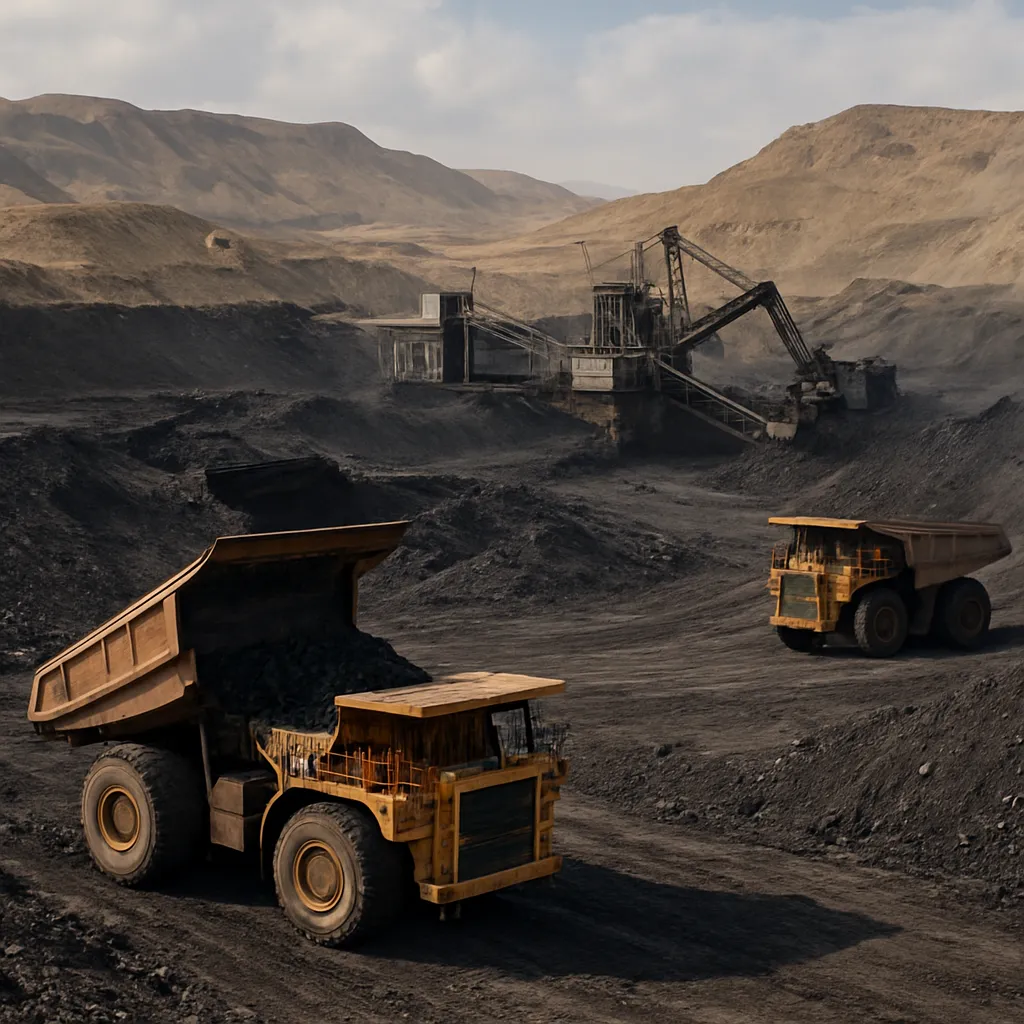
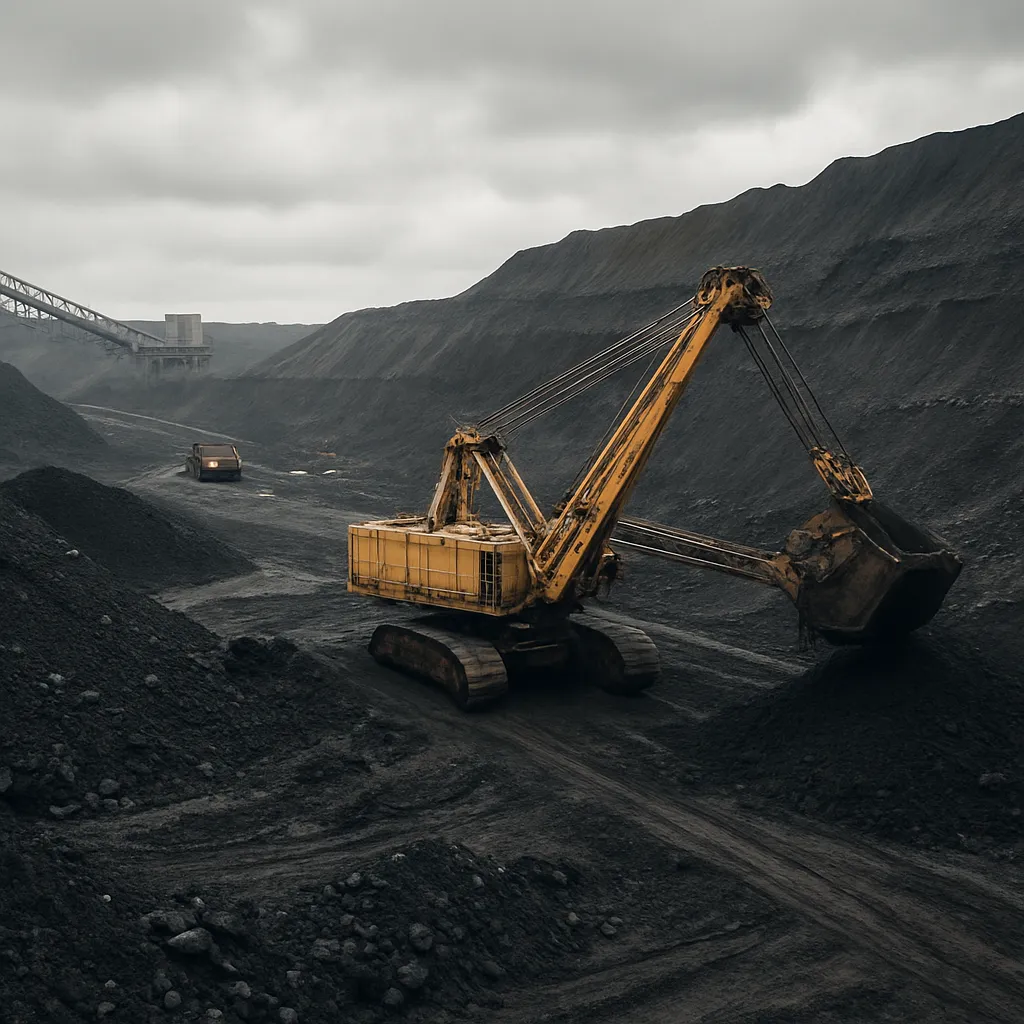
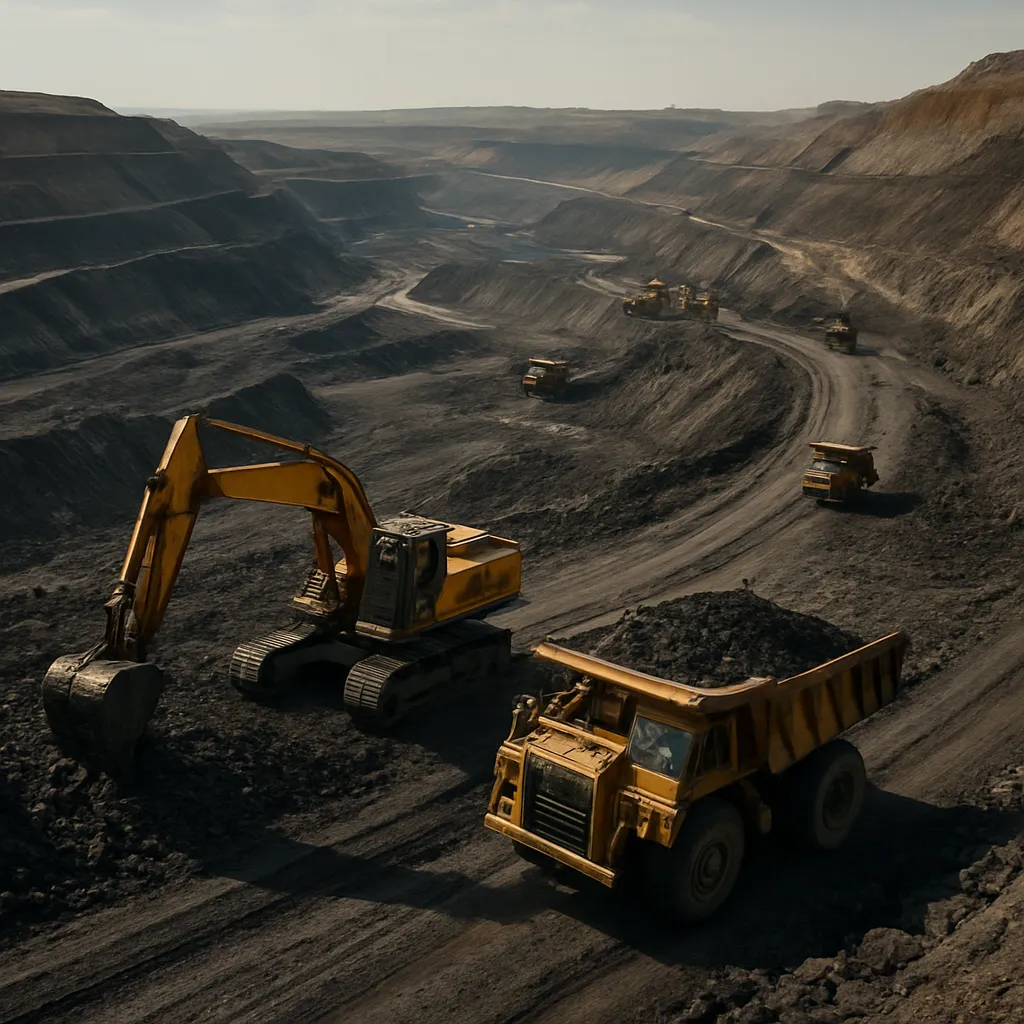
- Opencast (surface) mining is utilized when seams are near surface and overburden removal is economically justified; these operations deliver high output but require larger land disturbance.
Workforce and employment
The coal industry in Jharkhand and the Damodar Valley is a major employer. Kargali and neighboring collieries provide direct employment for miners, engineers, geologists and technical staff, and indirect employment through contractors, transporters and service providers. The workforce composition ranges from highly skilled technicians to locally recruited labor, supporting livelihoods in nearby towns and villages. Workforce welfare, training and safety are ongoing operational priorities.
Economic Importance and Supply Chain Role
Kargali’s contribution to the regional and national economy lies in direct coal production and in supporting industries that depend on coal feedstock. Coal from collieries such as Kargali feeds power plants, brick kilns, cement factories, and smaller industrial boilers — underpinning industrial output and household energy needs.
Regional industrial linkages
- Supply to thermal power stations: Coal-fired power plants in Jharkhand and adjacent states rely on domestic coal for base-load generation. Mines in the Damodar Basin are strategically important for grid stability.
- Support for steel and heavy industry: While prime coking coal comes from other parts of India and imports, local thermal coal supports ancillary processes in steel plants and manufacturing units.
- Logistics and transport: The integrated rail and road networks developed to serve collieries are also vital for regional commerce and supply chains.
Economic multipliers
Mining income contributes to local economies through wages, royalties, taxes and corporate social responsibility (CSR) spending. Infrastructure investments by mining companies — roads, schools, clinics — create public goods that persist beyond mine life. The extraction, processing and distribution of coal generates a chain of economic activities including equipment supply, maintenance services and commercial trade.
Statistical Context and National Perspective
While specific up-to-date production and reserve numbers for Kargali may be reported in company or government disclosures, some broader statistical context helps situate the colliery’s role.
- India remains one of the world’s largest coal producers and consumers. Coal continues to be the dominant fuel for electricity generation in India, historically accounting for roughly 60–75% of the country’s power mix depending on the year and season.
- Major public sector entities, including Coal India Limited (CIL) and its subsidiaries, produce a substantial fraction of India’s coal. These organizations manage numerous collieries across Jharkhand, West Bengal, Odisha and other states.
- At the regional level, the Damodar Valley coalfields (including areas in Jharkhand) have historically provided a significant share of eastern India’s coal output — underpinning heavy industrialization in the region.
Given the dynamic nature of production, allocation, and market demand, individual collieries like Kargali may show year-to-year variation in output due to factors such as mechanization, environmental clearances, infrastructure constraints, and market contracts.
Environmental, Health and Social Considerations
Coal mining brings important socio-economic benefits but also environmental and social challenges that require continuous management. At Kargali, as with comparable sites, stakeholders focus on mitigating adverse impacts while maximizing local benefits.
Environmental impacts
- Land disturbance and loss of topsoil are significant where opencast mining occurs; progressive land reclamation and reforestation are essential to restoring post-mining landscapes.
- Air quality issues arise from dust, fugitive emissions and coal transport; dust suppression, covered conveyance systems and monitoring help control particulate pollution.
- Water management is critical: mines must handle groundwater inflows, surface water diversion and prevention of acid mine drainage where relevant. Treatment facilities and proper drainage mitigate contamination risks.
Health and safety
Mining safety — protection against roof falls, gas emissions (including methane), and mechanized equipment hazards — is a priority. Training, personal protective equipment, ventilation improvements and emergency response systems are part of industry best practices. Occupational health programs address respiratory illnesses and other long-term risks for miners.
Social and community programs
Mining companies frequently undertake CSR initiatives in education, healthcare, sanitation, and livelihood generation. Local employment, skill development programs, and community infrastructure investments are important for sustaining social license to operate. Stakeholder engagement with local communities, indigenous groups and landowners is crucial for managing resettlement and compensation where land acquisition occurs.
Technology, Innovation and Modernization
The coal industry in India has been gradually adopting higher levels of mechanization and digital technologies to improve productivity, safety and environmental performance. Kargali’s operations, consistent with many collieries under public-sector management, are influenced by these modernization trends.
- Mechanization: Deployment of modern loaders, drills, haulage systems and surface mining equipment increases recovery and reduces dependence on manual labor for hazardous tasks.
- Automation and monitoring: Remote sensors, real-time monitoring of gas levels, and fleet management systems improve operational control and safety.
- Efficiency improvements: Coal washing, blending and quality control processes enhance fuel value and reduce ash content delivered to customers, improving thermal efficiency for power plants.
Challenges and Future Outlook
Kargali faces the same macro-level pressures confronting many coal assets: balancing production economics with environmental regulation, competing energy policies, and the global transition toward lower-carbon energy sources.
Key challenges
- Land and environmental clearances: Timely approvals and adherence to environmental standards can affect expansion plans and operational continuity.
- Infrastructure bottlenecks: Rail and road capacity constrain throughput during peak periods; investments in logistics are necessary to meet demand.
- Regulatory and market shifts: As India ramps up renewable energy capacity, the role of coal will evolve; however, coal is expected to remain a major transition fuel for India for at least the next decade due to energy security and reliability concerns.
Opportunities
- Adoption of cleaner coal technologies, improved combustion efficiency at end-user plants, and investment in flue-gas treatment reduce environmental footprints and extend the economic viability of coal-centric assets.
- Reclamation and land-use planning can convert exhausted mining areas into mixed-use landscapes or renewable energy sites (e.g., solar installations) to provide new community benefits.
- Skill development programs and local procurement policies boost the socio-economic multiplier effect of mining operations.
Interesting Facts and Contextual Notes
Beyond production, Kargali is an integral part of the socio-industrial tapestry of eastern India. A few noteworthy points:
- The Damodar Valley, where the mine is located, was the cradle of India’s early coal-based industrialization — railways, steel works and power plants grew around these resources.
- Coal mining towns in Jharkhand display a rich mix of cultures, languages and labor traditions, with multi-generational mining families forming an important social fabric.
- Technological upgrades in the region have historically led to productivity leaps, but also to shifts in employment patterns — mechanization reduces some manual tasks while expanding technical roles.
Summary and Conclusions
Kargali Coal Mine is a representative and significant component of India’s coal infrastructure: a site that contributes to local employment, regional industrial input supplies and national energy security. The coal from this region is predominantly used for thermal power generation and industrial steam processes. While precise up-to-date production and reserve statistics for Kargali are recorded in official company and government documents, the broader context highlights several key points: Kargali operates within a vital coal belt of Jharkhand, supplying primarily thermal coal, supporting regional industry and electricity generation, and confronting both environmental challenges and modernization opportunities.
In the medium term, the mine’s future will be shaped by operational modernization, environmental regulation compliance, market demand dynamics, and the national energy transition agenda. Continued investment in infrastructure, safety, community development and cleaner technologies will be crucial to maximizing the benefits of the colliery while managing its impacts. The role of collieries like Kargali remains central to regional economies and to India’s broader energy landscape for the foreseeable future.