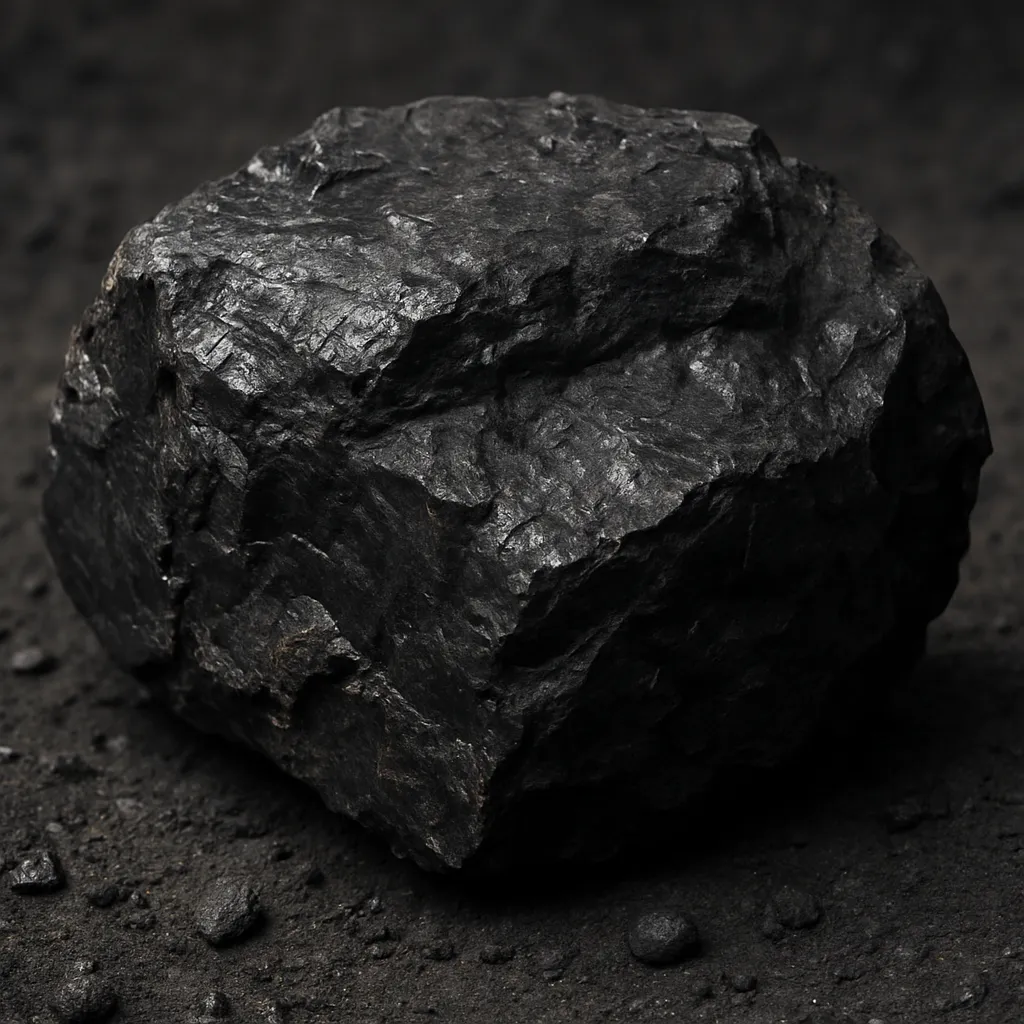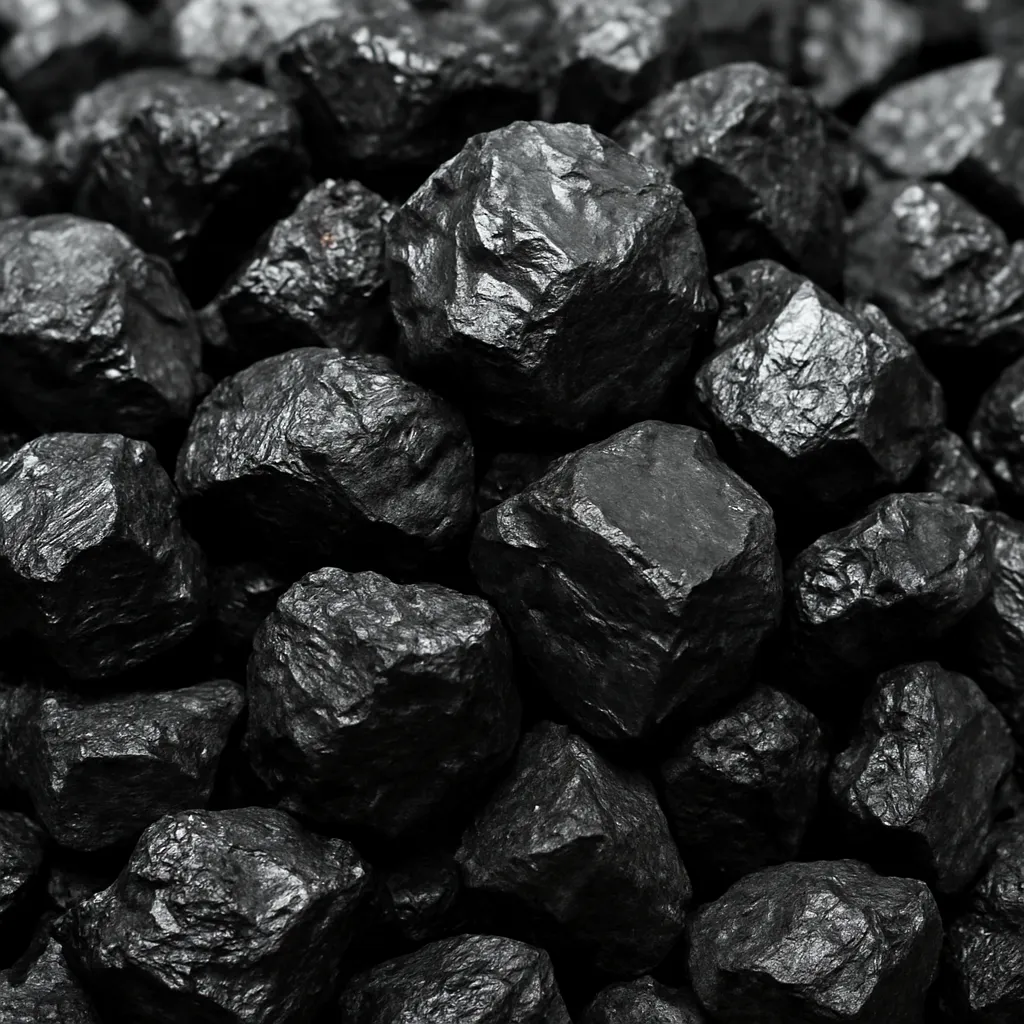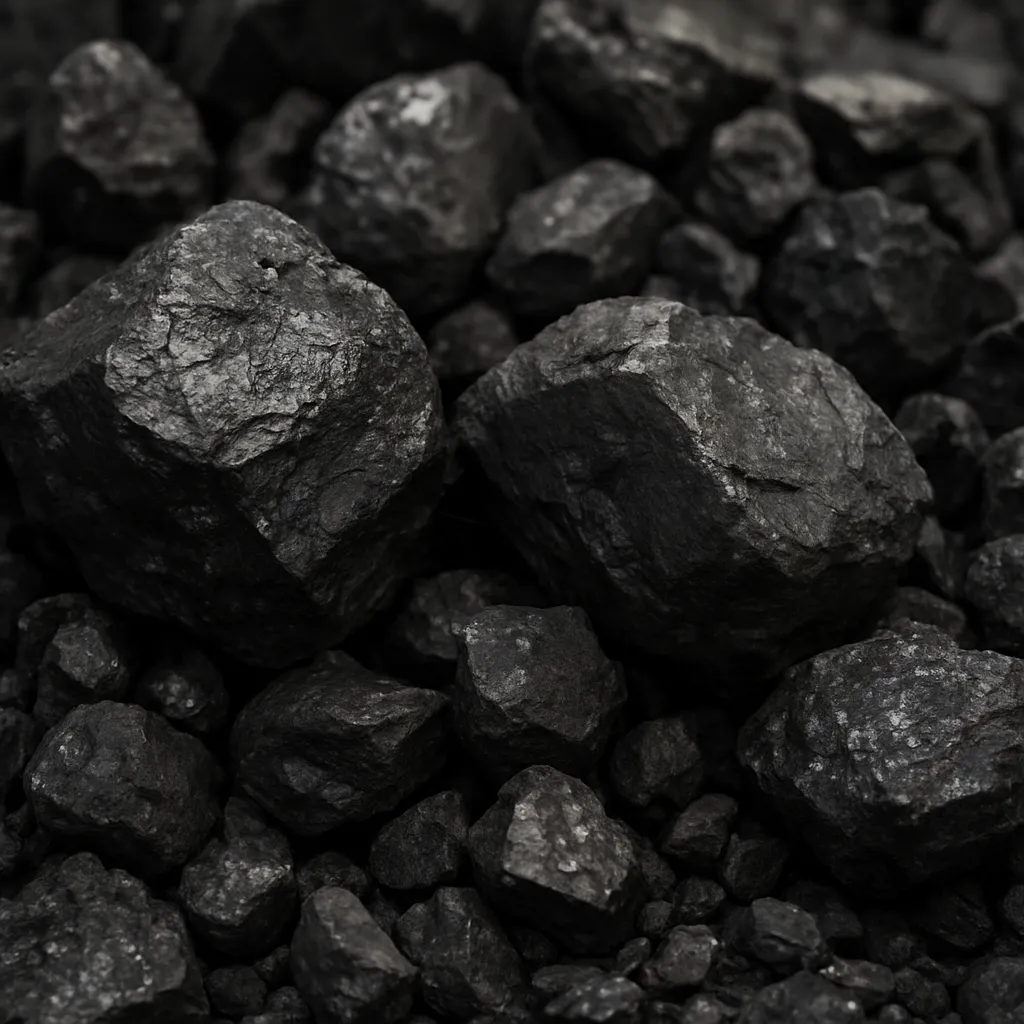
High-reactivity thermal coal occupies an important niche in the global coal market: it combines physical and chemical properties that make it especially suitable for certain combustion technologies, fast ignition and conversion processes, and flexible power generation. This article examines what is meant by high reactivity in thermal coal, where such coals are found and mined, their economic and industrial roles, statistical patterns in production and trade, and the technological and environmental issues connected with their use. The text addresses both technical characteristics relevant to engineers and broader market and policy topics relevant to planners and analysts.
What is high-reactivity thermal coal and why it matters
Thermal coal is primarily used for heat and power generation. When the term high-reactivity is added, it refers to coals that are relatively easy to oxidize and combust compared with lower-reactivity coals. Reactivity is not a single number but a set of interrelated properties that influence how a coal behaves during grinding, ignition, burnout and gasification.
- Combustion behavior — High-reactivity coals ignite more readily, produce smaller char residues, and reach complete burnout at lower temperatures or shorter residence times. This is advantageous in boilers and gasifiers where fast, stable combustion is required.
- Typical ranks — Many high-reactivity thermal coals are sub-bituminous or low-volatile bituminous types; they generally have higher volatile matter and lower fixed carbon than higher-rank bituminous coals. However reactivity can also be influenced by petrographic composition, porosity and mineral matter.
- Key laboratory measures — Reactivity is characterized by tests such as thermogravimetric analysis (TGA) of char oxidation, burnout indices from combustion testing, and gasification reactivity under CO2 or steam. Grindability (Hardgrove Grindability Index, HGI) and proximate/ultimate analysis (moisture, ash, volatile matter, fixed carbon, sulfur) are also important.
- Operational impact — Coal with high reactivity can improve boiler ramp-up times, lower unburnt carbon losses, reduce the need for high combustion temperatures, and enable technologies such as circulating fluidized-bed (CFB) boilers and certain gasifiers to operate more efficiently.
Geology and global distribution: where high-reactivity thermal coals occur
High-reactivity coals are not confined to a single basin or country; they occur where depositional environments and rank evolution produced coals with higher volatile content, greater porosity and specific maceral compositions (e.g., higher liptinite and vitrinite content). Important deposits and producing regions include:
- Powder River Basin (USA) — The Powder River Basin (Wyoming, Montana) is a major source of low-rank, sub-bituminous coal that is often highly reactive. PRB coal is widely used for electricity generation in the United States due to its low sulfur content and good combustion characteristics.
- Indonesia — Large deposits in Kalimantan and Sumatra produce sub-bituminous coals and low-rank coals widely exported to Asia. Many Indonesian thermal coals exhibit high reactivity, making them popular for fast-starting plants and power systems with flexible dispatch.
- Australia — Major basins such as the Bowen Basin, Gippsland and the Hunter Valley produce a range of thermal coals. Some sub-bituminous seams and younger coals demonstrate enhanced reactivity suitable for certain power and industrial applications.
- Russia and Central Asia — Basins across Siberia and the Kuznetsk Basin contain large volumes of thermal coal of varying rank; specific sub-basins yield coals with favorable combustion characteristics.
- South Africa and Colombia — South Africa’s thermal coals (Highveld, Waterberg) and Colombia’s thermal coal basins supply domestic power and export markets; certain seams offer relatively high reactivity alongside characteristic high ash (South Africa) or low-sulfur (Colombia) profiles.
- European deposits — Poland, Czechia and parts of Germany contain bituminous and sub-bituminous coals used in thermal plants; relatively reactive coals are important for older or smaller boilers where ignition and complete burnout are challenging.
Production, trade and economic significance
Thermal coal remains a major global commodity despite the growth of renewables and natural gas. Coal continues to provide a significant share of power generation in many countries and remains a crucial export for several economies.
Global role and electricity generation
- Recent years have seen coal supply around one-third to two-fifths of global electricity, depending on regional demand and fuel-switching trends. Coal-fired plants still form the backbone of many grids because of their dispatchable capacity and established infrastructure.
- High-reactivity thermal coal is particularly valued where rapid load-following and flexible operation are needed (for example, compensating for intermittent renewables or in systems with fast demand swings).
Major producing and exporting countries
Several countries rely heavily on coal production for export revenues and domestic energy security:
- Indonesia — One of the largest exporters of thermal coal to Asian markets. Indonesian sub-bituminous coals are widely chosen for their balance of calorific value, low sulfur and good reactivity.
- Australia — A leading exporter of both metallurgical and thermal coal. Australian thermal coal is sold into Asia and global markets with careful quality specifications (calorific value, ash, moisture).
- Russia — Exports both thermal and metallurgical coal to Europe and Asia; transport logistics and contracts influence where Russian thermal coal is competitive.
- United States — Domestic thermal coal production (notably from the Powder River Basin) supplies large-scale power plants; export volumes are smaller but significant to certain markets.
- Colombia and South Africa — Important suppliers to regional and overseas buyers, each with distinct coal quality signatures.
Market dynamics and pricing
Thermal coal prices are influenced by several factors: global demand for power, availability of competing fuels (natural gas, fuel oil), weather and seasonality, shipping logistics, regional trade barriers, and regulatory measures such as carbon pricing. Benchmarks like Newcastle (Australia) and API2/API4 for European and global thermal coal inform contract pricing.
- Price volatility has been notable in events such as the COVID-era supply disruptions and the energy market disturbances of 2021–2023. These disruptions highlighted coal’s strategic role as a fallback energy source when gas supplies tighten or renewables under-perform.
- High-reactivity coals may fetch price premiums when their specific operational advantages (lower emissions per MWh in certain contexts, better boiler performance) align with buyer needs.
Industrial uses and technological implications
Although thermal coal is primarily associated with electricity generation, high-reactivity thermal coal finds applications across several industrial processes where its properties improve performance or reduce costs.
- Power plants: Particularly in fluidized-bed combustion systems, high-reactivity coals promote steady combustion at lower temperatures and can be co-fired with biomass or waste fuels. Their easier ignition reduces unburnt carbon losses in electrostatic precipitators and fly ash.
- Gasification: Coals that react readily under oxidizing or steam-rich conditions are better feedstocks for gasifiers producing syngas for chemicals, hydrogen or combined-cycle power plants.
- Industrial boilers and cement kilns: Many industrial users prefer coals with predictable ignition and burnout to maintain process stability and reduce maintenance.
- Coal blending and beneficiation: High-reactivity coals are often blended with lower-reactivity coals to tailor combustion characteristics. Beneficiation (washing, gravity separation) adjusts ash and moisture levels to fit plant requirements.
Environmental, regulatory and social dimensions
Use of any coal, including high-reactivity thermal coal, raises environmental concerns that shape policy and industry response.
- Greenhouse gas emissions — Coal combustion emits significant CO2 per unit of energy. Even when a coal is more reactive (and thus may allow more complete combustion or lower temperatures), the carbon content generally remains a central climate issue. This drives deployment of mitigation technologies such as carbon capture and storage (CCS), as well as policy-driven moves away from unabated coal in many jurisdictions.
- Air pollutants — Sulfur, nitrogen oxides, particulate matter and mercury are important pollutants. Low-sulfur, high-reactivity thermal coals may produce fewer SOx emissions, but NOx and particulates still require control equipment.
- Local impacts — Mining creates land disturbance, groundwater and surface water impacts, and employment/community effects. Reclamation, social licensing and fair compensation are key governance issues in major producing regions.
- Regulatory pressure — Emissions standards, carbon pricing and renewable targets change the economics of coal-fired generation and favor retirement or retrofits (e.g., installation of FGD, SCR, or CCS) rather than new unabated plants.
Statistical snapshot and trends (recent years)
Reliable statistics disaggregate coal by rank and end-use, but precise public figures specifically for “high-reactivity thermal coal” are limited because reactivity is a technical quality rather than a standardized trade category. Nevertheless, some useful trends and figures can be summarized:
- Coal’s role in electricity — In the early 2020s, coal supplied roughly one-third of global electricity generation. Share varies widely by country: much higher (40–70%) in some large emerging economies and lower in those aggressively decarbonizing.
- Production and exports — Indonesia and Australia lead global thermal coal exports, supplying the large Asian import market (China, India, Japan, South Korea, Taiwan). The Powder River Basin remains a major source of low-rank thermal coal within the U.S. market.
- Market volatility — The post-2020 period showed strong price volatility due to supply chain disruptions, energy security events and regional demand surges. These episodes underlined coal’s continued strategic importance for power reliability.
Operational considerations for plants and utilities
For plant operators, the decision to use or prioritize a high-reactivity thermal coal depends on multiple operational and economic factors:
- Compatibility — Boiler and burner design dictate optimum coal characteristics. Pulverized coal boilers have different needs from circulating fluidized-bed units.
- Handling and storage — Low-rank coals often have higher moisture and may be prone to spontaneous heating in stockpiles; this requires specific handling practices.
- Maintenance — Ash characteristics (fusion temperature, slagging/fouling propensity) affect cleaning schedules and downtime. Highly reactive coals may form finer ash or affect deposition differently.
- Emissions control — Operators must balance combustion efficiency with emissions limits, often requiring investment in control technologies when using any coal.
Technological evolutions and adaptation strategies
Industry responses to the twin pressures of environmental policy and energy reliability have driven several adaptive strategies in the use of thermal coals, including high-reactivity grades:
- Co-firing and blending — Mixing biomass or other coals with high-reactivity coal can reduce overall CO2 intensity and improve combustion performance.
- Retrofitting and flexibility — Modernizing coal plants to operate flexibly with frequent starts and stops benefits from coals with good ignition and burnout characteristics.
- Adoption of advanced combustion systems — CFB boilers and integrated gasification combined-cycle (IGCC) systems can take advantage of higher reactivity and enable more efficient emissions controls and easier integration with CCS.
- Quality improvement — Coal drying, beneficiation and pelletizing can improve handling, lower moisture and enhance apparent reactivity in the boiler.
Future outlook
The future of thermal coal use will be determined by a complex interaction of energy security, economics, climate policy and technological development. Key factors shaping prospects for high-reactivity thermal coal include:
- Energy transitions — As renewables and storage grow, the role of coal may shift toward providing firming capacity during transitions, which favors coals that support flexible and reliable operation.
- Decarbonization technologies — Progress in CCS and low-cost hydrogen may determine whether any coal-fired generation can be compatible with deep decarbonization goals.
- Regional divergence — While some regions phase out coal rapidly, others will continue to rely on coal for decades; in those regions demand for high-performance, lower-emissions coal grades may persist or even grow.
- Market specialization — High-reactivity coals may command specialized market niches, for example where fast-start peaking plants, gasifiers and industrial boilers require their combustion traits.
Concluding observations
High-reactivity thermal coal is a technically defined segment of the broader thermal coal market that offers operational advantages in combustion, gasification and plant flexibility. It is produced across many major coal basins — including the Powder River Basin, Indonesian and Australian basins — and plays an outsized role in systems where fast ignition, good burnout and adaptable operation matter. At the same time, the environmental challenges of coal use inform policy and investment choices, pushing some markets toward retirement and others toward technological mitigation. For stakeholders — from plant managers to policymakers — understanding the specific properties and trade-offs of high-reactivity coals is essential when designing supply strategies, retrofits and future pathways for reliable and cleaner energy.