The glittering black seams buried deep beneath the earth have fueled entire societies for centuries. Coal has been more than just a source of heat; it has shaped economies, spurred technological leaps, and given rise to haunting tales whispered by candlelight in dusty mining towns. This article explores the multifaceted world of coal—from its geological origins and stock-market dynamics to the myths and legends that resonate in communities built around the mines.
Black Gold: Historical Significance of Coal
Origins of the Dark Fuel
Coal formation began millions of years ago when plant matter was buried under layers of sediment. Over time, heat and pressure transformed that vegetation into the dense, carbon-rich material we now mine. Often dubbed fossil fuels, coal deposits represent an ancient archive of Earth’s lush forests and swamps.
The Industrial Boom
During the industrial revolution, coal powered steam engines, heated iron for steel mills, and drove the pistons of early locomotives. Towns sprouted around collieries, forging tight-knit cultures. Entire landscapes were reshaped: slag heaps rose where once green fields lay, and rail tracks crisscrossed valleys to carry the precious cargo.
Economic Pillar
Coal’s affordability and abundance made it a reliable energy source for centuries. Governments built navies, rail networks, and factories on the back of this readily available resource. Even today, many emerging economies depend on coal to meet baseload power demands, despite environmental challenges.
From Mines to Markets: Coal Stock and Trade
Understanding Coal Commodities
In global finance, coal is traded as a commodity with distinct grades—anthracite, bituminous, sub-bituminous, and lignite—each defined by carbon content and calorific value. Investors track thermal coal (for power generation) separately from metallurgical coal (for steelmaking).
Major Exchanges and Indices
Coal futures trade on specialized exchanges, offering a way to hedge against price fluctuations. Key players include:
- Newcastle Coal Futures (Asia-Pacific benchmark)
- CME Group’s API2 and API4 indices (European thermal coal)
- GlobalPhysicalCoal Index (various grades)
Stockpiles and Supply Chains
Companies maintain strategic stockpile levels at ports and power stations to cushion against supply disruptions. Inventory management is critical—too little stock can trigger outages, while excess inventory ties up capital and incurs storage costs.
Myths and Legends in Coal Mining Communities
Underworld Spirits and Lost Souls
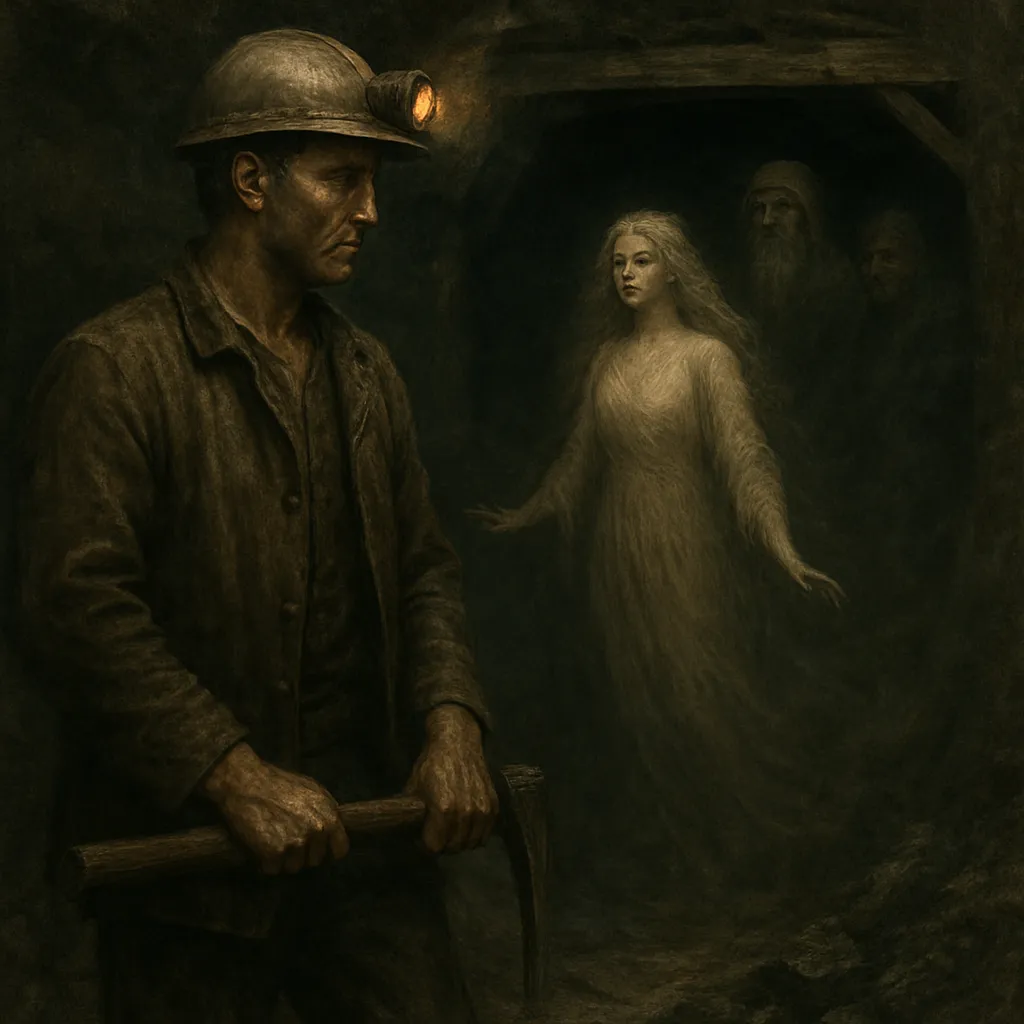
Above the coal seams, superstitions took root. Miners spoke of an underworld where restless spirits roamed long-forgotten tunnels. Songs warned newcomers of the spectre of the “black rider,” a phantom figure said to appear before deadly roof collapses. To this day, some pits remain closed during the winter solstice, lest ghostly miners wander back to the living world.
The Candles of the Cavern
Another legend tells of enchanted candles that burn with a blue flame deep underground. Locals believe these lights guide lost workers back to safety, but the tale may have originated from pockets of natural gas igniting near coal seams. Over time, science and folklore intertwined, giving the candles a magical aura.
Courage and Comradeship
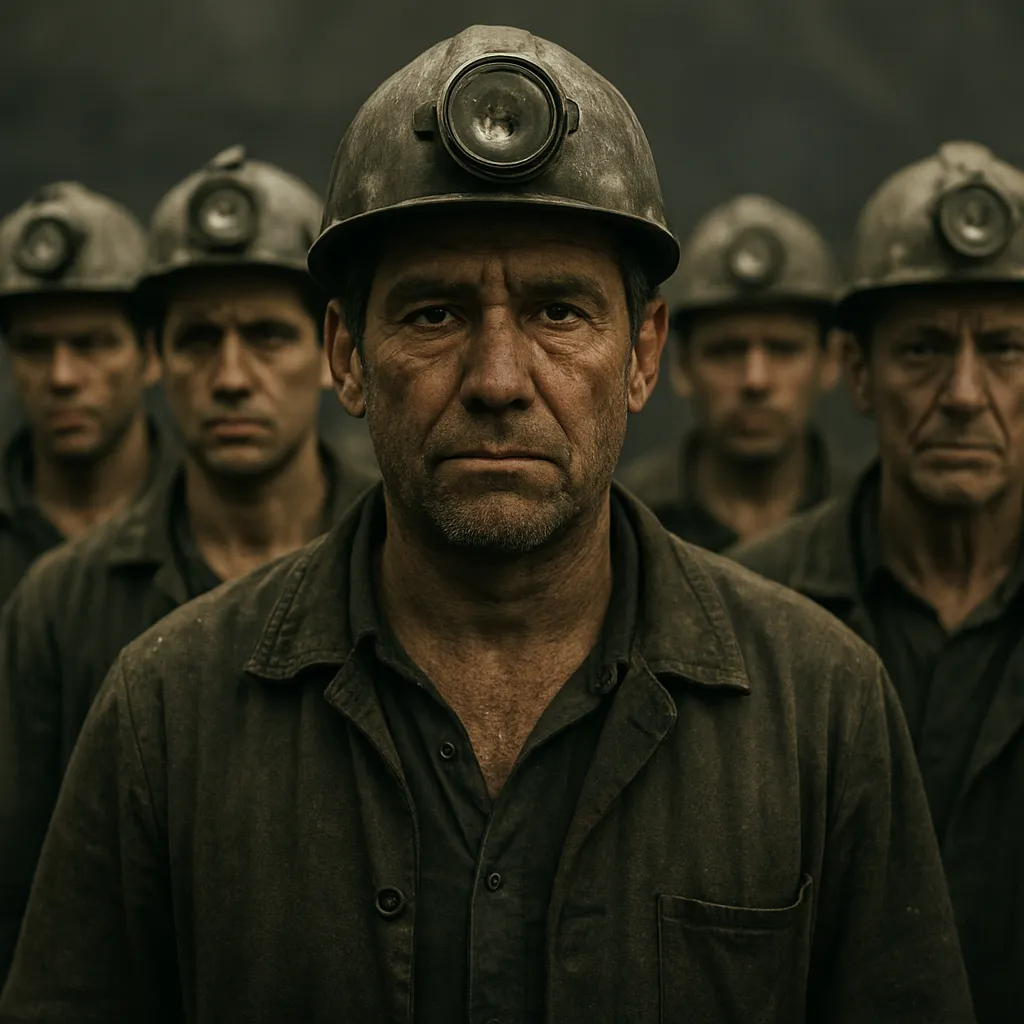
Shared hazards fostered profound bonds. Stories of miners risking their lives to rescue trapped colleagues became folklore staples. Benevolent giants, masked vigilantes, and spectral canaries all featured in songs and bedtime stories, reinforcing values of solidarity and bravery.
Contemporary Issues and Future Prospects
Environmentalism and Regulation
Coal mining’s legacy of air pollution, acid mine drainage, and greenhouse-gas emissions has sparked a global push toward cleaner energy. Tighter regulations aim to mitigate damage:
- Emission caps on power plants
- Reforestation of reclaimed mine sites
- Water treatment programs for contaminated runoff
Public pressure and technological advances have accelerated the shift toward decarbonization, yet coal remains a crucial energy source in regions lacking alternatives.
Technological Innovations
Modern mines employ remote-controlled machinery, airborne drones for safety inspections, and real-time seismic monitoring. Carbon capture and storage (CCS) initiatives aim to trap CO₂ emissions at the source, theoretically reducing the climate impact of coal-fired power stations.
Economic Transition and Community Resilience
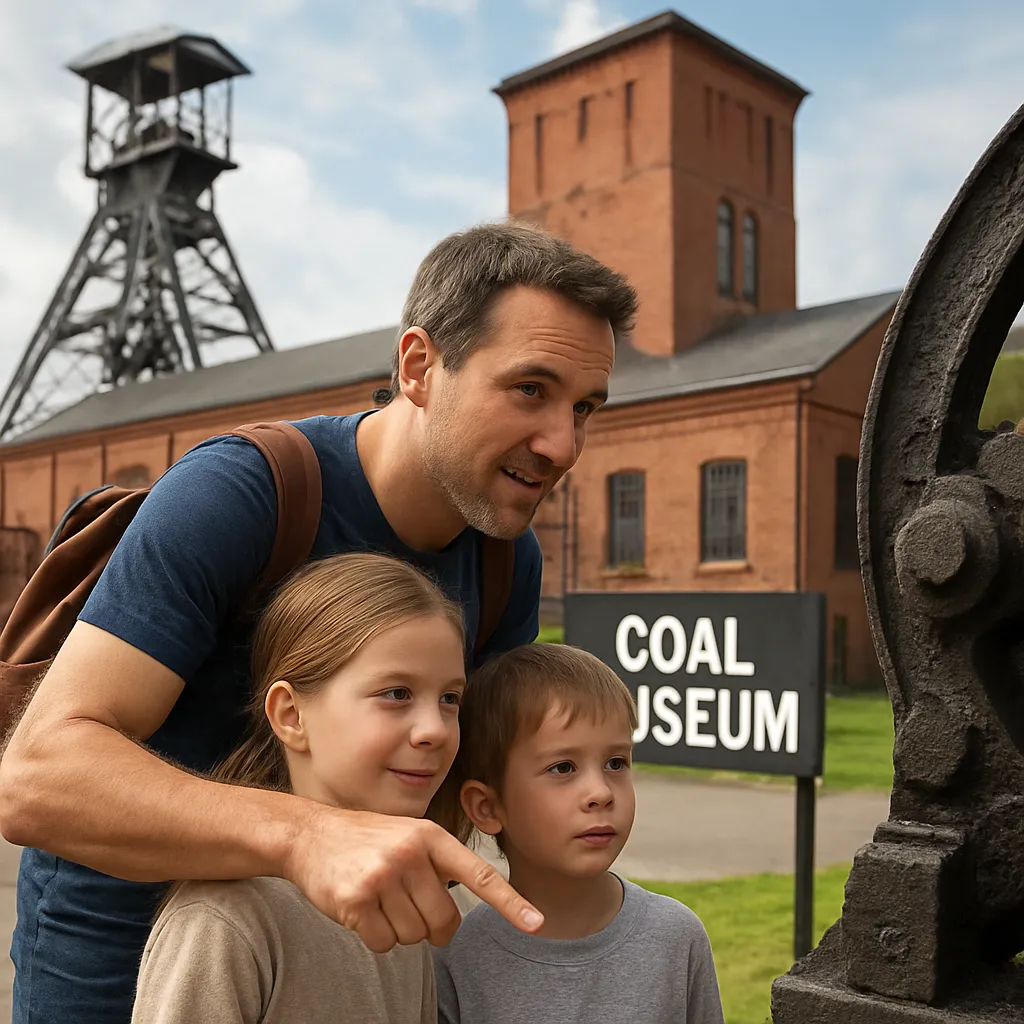
As demand evolves, former coal towns face the challenge of reinvention. Some have embraced tourism, capitalizing on their industrial heritage:
- Museums in repurposed headframes
- Underground tours showcasing early mining techniques
- Annual festivals celebrating miners’ contributions
These efforts preserve cultural memory while attracting investment, promoting diversification beyond the era of extraction.
Legacies That Endure
Though the world races toward renewable energy, coal’s imprint remains indelible. Massive industrial centers, global trade networks, and the memories of countless families sprang from the dark labyrinths beneath our feet. The legends of the past echo in abandoned shafts and community halls alike, reminding us that every load of coal once carried not just carbon, but the hopes, fears, and resilience of an entire generation.