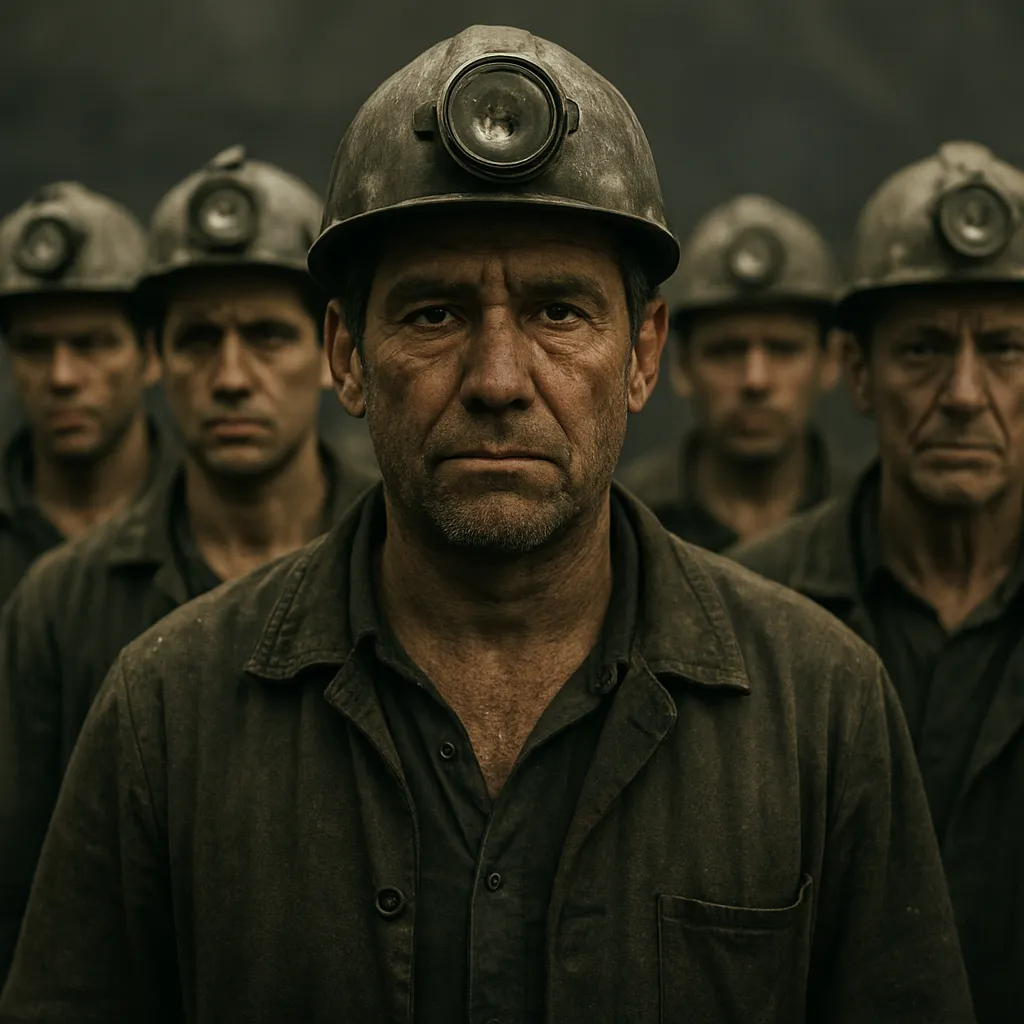
Working deep below the earth’s surface, the world of Coal mining conceals both physical and psychological pressures that extend far beyond the pickaxe and conveyor belt. Daily routines for miners involve navigating narrow tunnels, breathing recycled air, and facing an ever-present fear of collapse or explosion. While global energy debates often center on environmental impact and economic viability, the human dimension—marked by fatigue, isolation, and mental health challenges—demands equal attention.
Mine Environment and Mental Health
The subterranean landscape of a coal mine is a unique workplace fraught with hazards that can profoundly affect one’s mental well-being. Constant exposure to noise from heavy machinery, dim lighting, and the claustrophobic nature of tunnels combine to create a sensory assault. Over time, such conditions can heighten anxiety levels, trigger chronic stress responses, and erode emotional stability.
Chronic Fatigue and Cognitive Strain
Long shifts—often exceeding eight hours in total darkness—can disrupt circadian rhythms and impair cognitive function. Miners report difficulties with concentration, memory lapses, and decision-making challenges. These symptoms mirror those found in individuals suffering from sleep deprivation or post-traumatic stress, underscoring the links between demanding work schedules and mental weariness.
Accidents, Near Misses, and Fear of Disaster
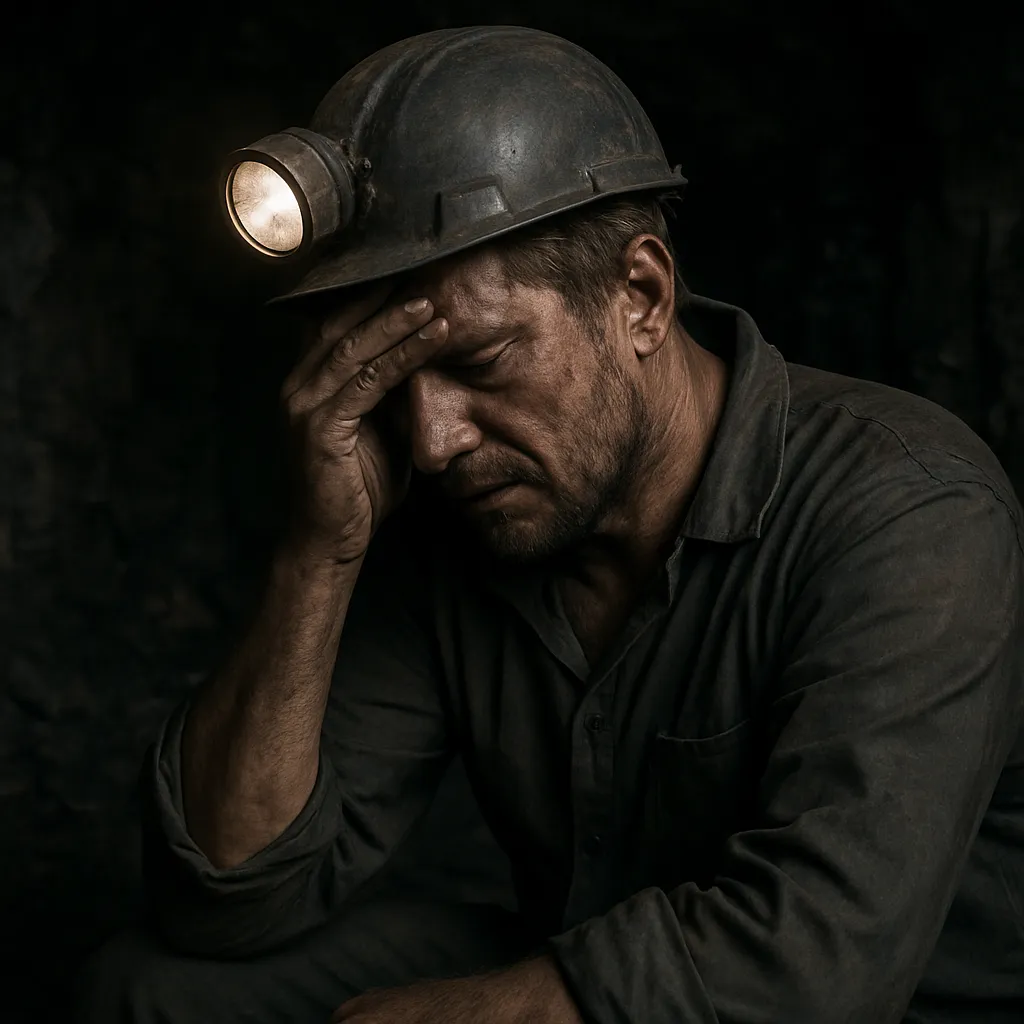
The relentless possibility of roof falls, gas leaks, or equipment malfunctions keeps miners in a constant state of hypervigilance. Survivors of accidents may develop symptoms akin to post-traumatic stress disorder (PTSD), reliving incidents through nightmares or flashbacks. Even those without direct involvement can experience heightened anxiety, as every shift may bring news of a colleague’s injury or worse.
Economic Pressures and Coal Stock Dynamics
Beyond the tunnel walls, the fortunes of mining communities are intimately tied to the volatility of stock valuations and commodity prices. Fluctuating demand for fossil fuels, geopolitical tensions, and emerging green energy policies propel frequent swings in coal’s market worth. For miners and local residents alike, these economic tremors translate into job insecurity and financial hardship.
Impact on Workforce Morale
When coal share prices plummet, companies often resort to layoffs, reduced hours, or benefit cuts. Even rumors of a shift in corporate strategy can trigger panic, as workers brace for potential unemployment. This looming uncertainty fosters a pervasive climate of dread, diminishing morale and amplifying mental distress.
Market Speculation and Mining Communities
Speculative trading in coal futures and derivatives intensifies market unpredictability. A sudden governmental announcement about environmental regulations or a global economic slowdown can erase billions in market capitalization within hours. Communities built around mining towns find themselves at the mercy of distant boardrooms and global investors, further contributing to a sense of powerlessness and anxiety.
Social Impact and Family Dynamics
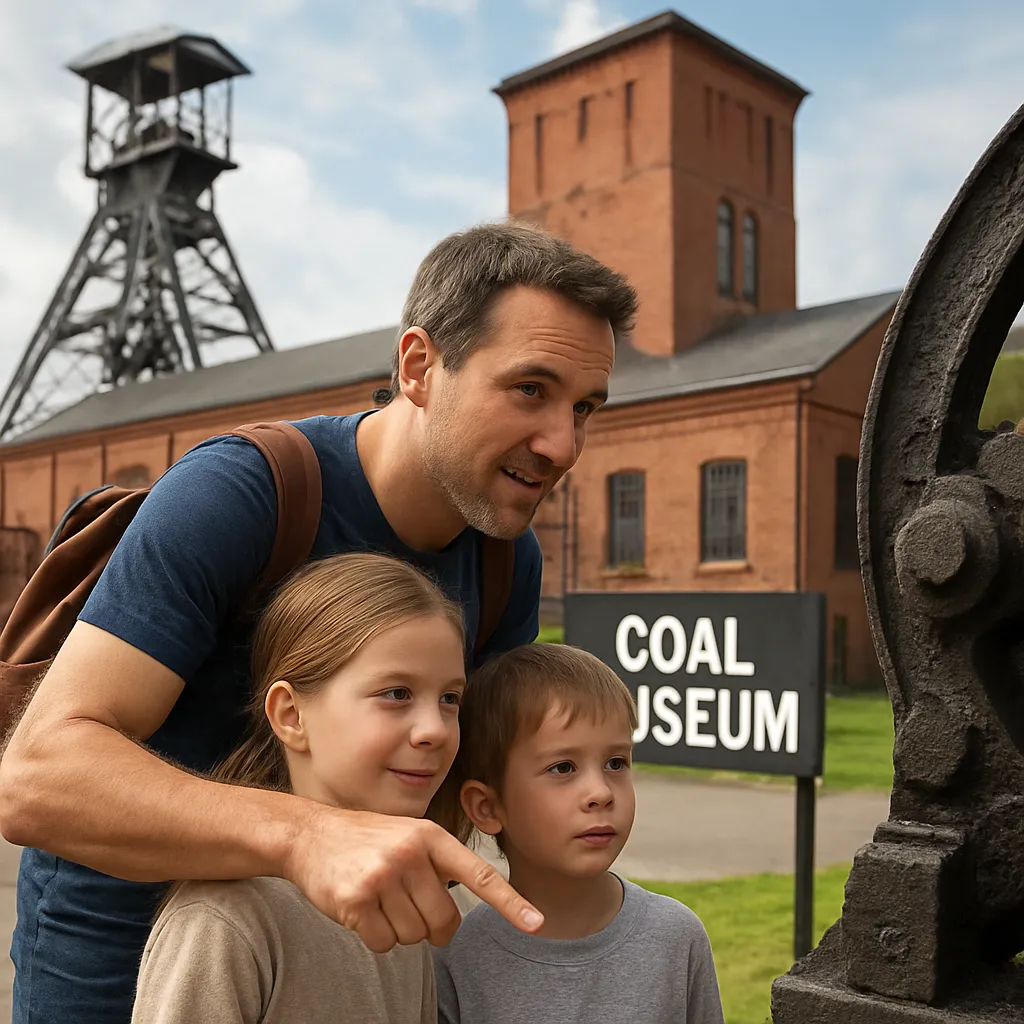
Mining is frequently a multigenerational profession, with family identity deeply intertwined with the collier tradition. While that heritage brings pride, it may also perpetuate cycles of stress and health risks. Children growing up in mining households often witness parental exhaustion, frequent relocations, and constant worry—shaping their own perceptions of safety and stability.
Isolation and Community Cohesion
Geographic isolation of many mining towns creates tight-knit social networks but also limited access to specialized mental health services. Stigma around expressing emotional vulnerability persists, with cultural norms valuing stoicism and physical toughness over open conversations about health concerns. Consequently, many miners suffer in silence, believing that speaking up equates to weakness.
Interpersonal Relationships Under Strain
High physical demands and irregular work hours can strain marriages and parent-child relationships. Absences during school events, limited family time, and the ever-present fear of tragedy generate communication breakdowns. Partners may feel they carry the emotional burden alone, leading to frustration, resentment, or social withdrawal.
Coping Mechanisms and Support Systems
Despite systemic challenges, various initiatives aim to bolster mental resilience among mining professionals and their families. Implementing comprehensive strategies—ranging from peer support groups to corporate wellness programs—can mitigate the psychological toll of this arduous occupation.
Peer Mentorship and Group Therapy
Shared experiences form the basis for powerful peer-to-peer support. Regular group meetings allow miners to discuss acute stressors, share coping strategies, and normalize emotional struggles. These sessions can reduce feelings of isolation and foster a sense of belonging.
Professional Counseling and Remote Access
Recognizing rural limitations, some companies partner with telehealth providers to deliver virtual counseling services. On-site psychologists may conduct periodic workshops on mindfulness, relaxation techniques, and crisis intervention. Such resources empower individuals to develop healthier stress management skills before symptoms escalate.
Corporate Responsibility and Safety Culture
- Continuous training on hazard prevention and emergency response reinforces a robust safety culture.
- Anonymous reporting systems encourage workers to flag mental health concerns without fear of reprisal.
- Leadership commitment to work-life balance can include rotating shifts, mandatory rest periods, and mental health days.
Community Outreach and Awareness Campaigns
Local organizations often host informational events to destigmatize mental health and promote early intervention. Educational materials, delivered through radio, social media, and town hall meetings, can inform families on recognizing warning signs and accessing support networks.
The Path Forward: Balancing Energy Needs with Human Welfare
As global energy strategies evolve, the future of the coal industry remains uncertain. Policymakers, corporate leaders, and community stakeholders must collaborate to ensure that socioeconomic transitions do not leave miners and their families behind. Integrating robust mental health provisions into industry standards is not just an ethical imperative but also a practical necessity for sustaining a skilled and dedicated workforce.
Investments in retraining programs, diversified economic development, and comprehensive healthcare coverage can provide a safety net that alleviates the mental burden borne by mining communities. By prioritizing both environmental goals and human welfare, society can honor the legacy of the coal workforce while guiding it toward a healthier, more secure future.