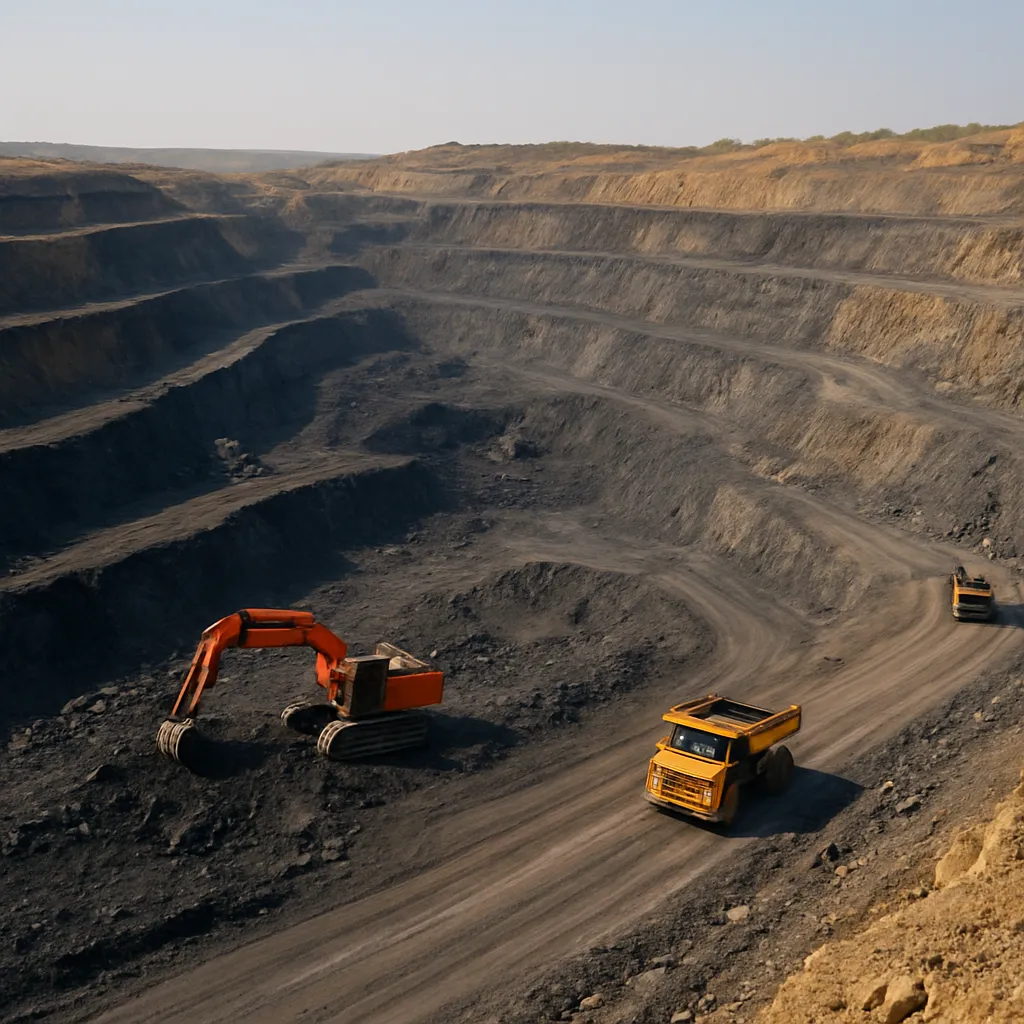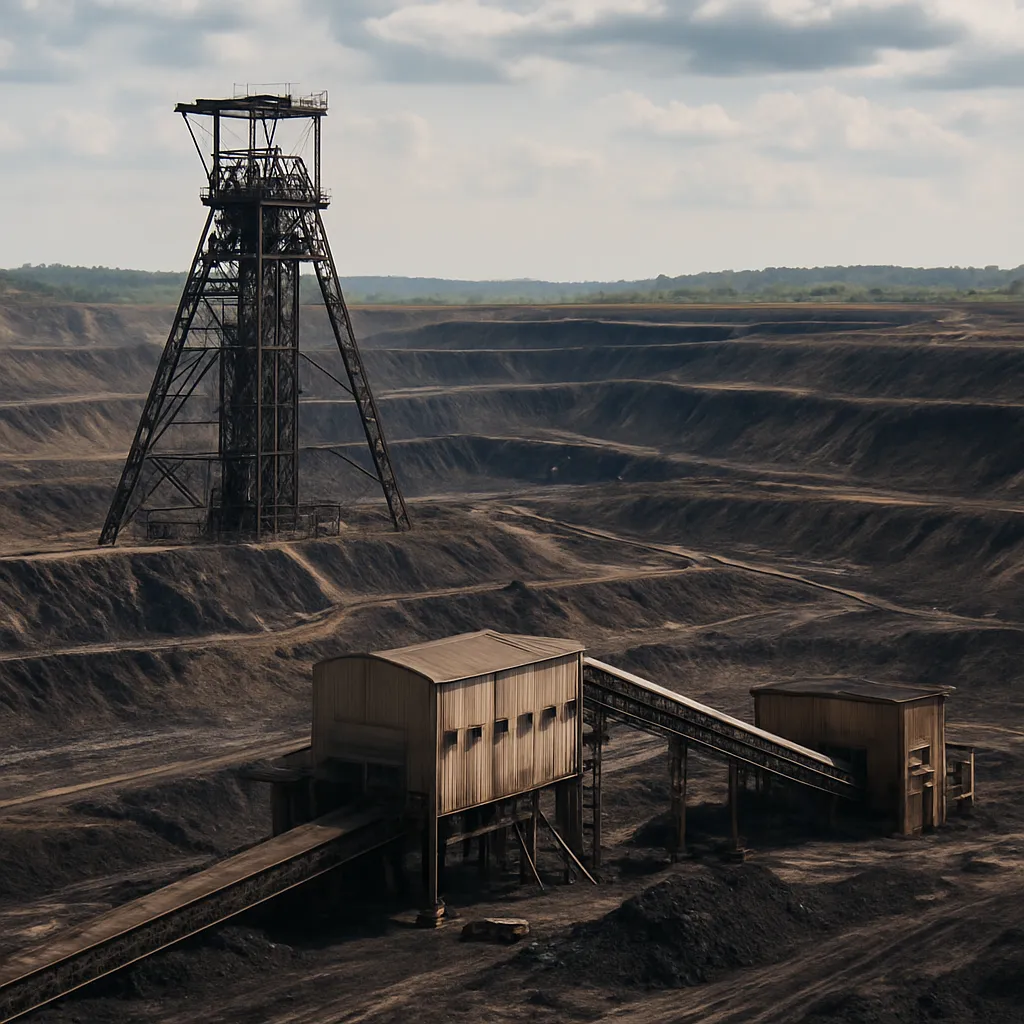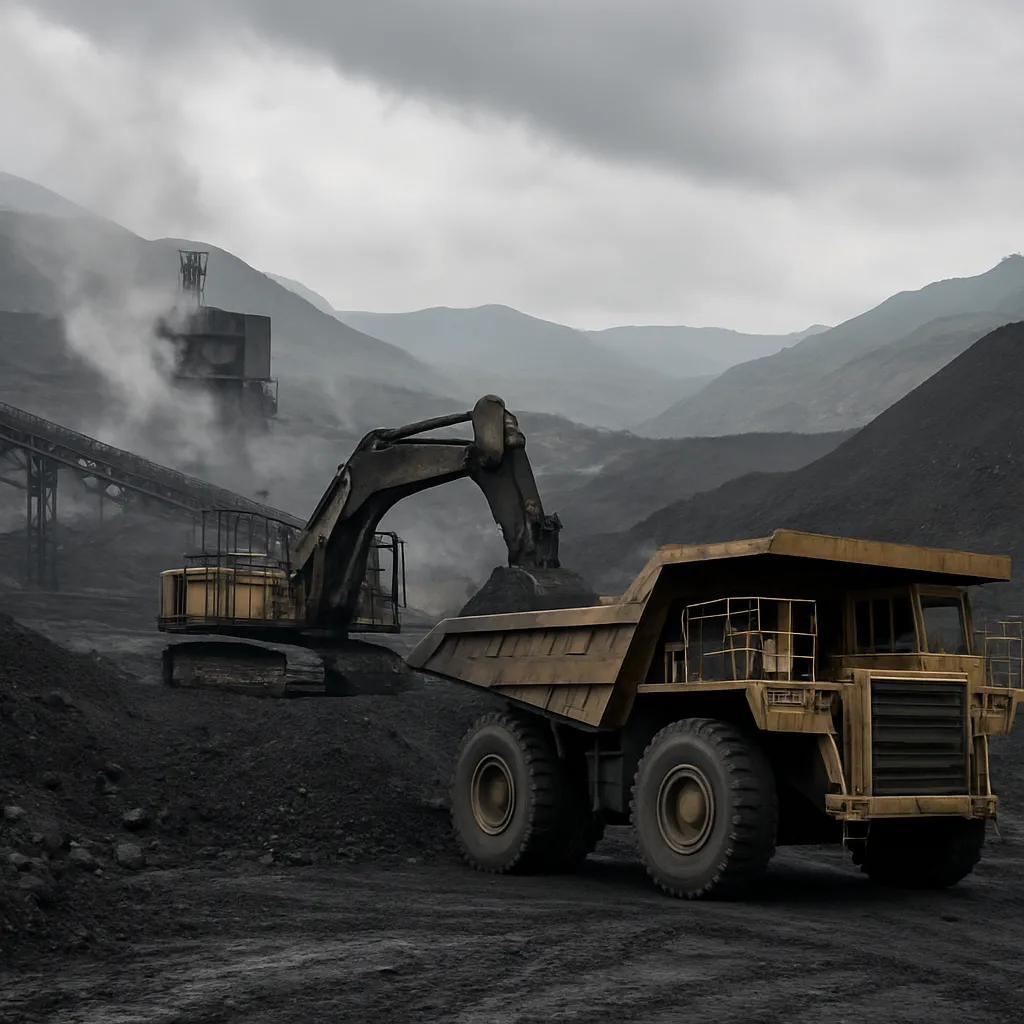
The Jixi coal mining area in northeastern China is one of the country’s historically important and industrially strategic coal-producing regions. Located in the eastern part of Heilongjiang province, the Jixi mining complex has for more than a century provided fuel and raw materials for local industry, regional power systems, and national markets. This article examines the location, geology, types of coal, operational and economic characteristics, environmental and social impacts, and the outlook for the Jixi coal mining sites, with contextual statistical and historical information where available.
Location and historical background
The Jixi mining region is centered around the prefecture-level city of Jixi in eastern Heilongjiang province, bordering Russia to the north and east across the Heilongjiang/Amur riverine region. The area contains multiple coalfields that developed along Permian and Carboniferous basins and has been mined intermittently since the late 19th and early 20th centuries. Mining activity expanded rapidly during the first half of the 20th century under foreign influence, including Russian and Japanese enterprises, and later under the People’s Republic of China as part of national industrialization plans.
Historically, Jixi’s coal deposits attracted early railway construction, industrial settlements, and later urban growth. The city and surrounding counties (such as Jidong, Lishu and others within the Jixi administrative area) grew as mining towns, with populations and local economies oriented around extraction, processing and shipment of coal. Over the decades, mining technology and organization evolved from small surface pits and hand-dug galleries to large state-owned underground mines and, in some places, open-pit operations.
Geology and coal types
The geology of the Jixi coalfields includes multiple stratigraphic seams deposited mainly in late Paleozoic basins. The region’s coal seams vary in thickness, depth and quality, reflecting complex depositional environments and tectonic history. From a commercial perspective, the deposits in and around Jixi produce a range of coal ranks.
- Bituminous coal: Much of the Jixi output falls into the bituminous rank — suitable for both thermal uses and, in parts, as coking feedstock after beneficiation. Bituminous coals in Jixi have moderate to relatively high calorific values compared with lower-rank lignites.
- Sub-bituminous and lower-rank material: Some seams and peripheral deposits are lower in rank, used primarily for thermal power generation and local heating after drying and processing.
- Coal gangue and mine waste: Like other older coalfields, Jixi generates substantial volumes of gangue — rock and low-grade material separated during mining — which has environmental consequences and also potential for recovery and reuse.
Coal in the Jixi region is primarily consumed by thermal power plants, industrial boilers, and — where metallurgical grades are available — by small and medium-sized coking operations. Grades vary, with ash and sulfur contents that historically required beneficiation and careful blending for certain industrial applications.
Mining operations and infrastructure
Operations in the Jixi coal mining sites have traditionally combined underground longwall and room-and-pillar methods with some surface mining where conditions permit. Over time, mechanization and modernization programs introduced more advanced equipment for roof control, ventilation, and mechanized extraction, driven by national safety and efficiency policies.
- Production facilities: Mines are often organized under larger state-owned enterprises or coal groups that coordinate extraction, processing, transport and sales. Many mines include on-site coal-washing plants and facilities for handling coal gangue.
- Transportation links: Jixi’s role as a coal supplier depends on a regional transport network of railways and highways connecting to larger distribution hubs, power plants, and steel mills in Heilongjiang and neighboring provinces. Rail connections historically have been the backbone of coal shipment from Jixi to domestic markets.
- Support industries: Coal-related industries in the region include coal washing, briquetting, coking (where suitable coals exist), and small-scale chemical processing. Local economies also support equipment maintenance, spare parts, and logistics services.
Economic importance and regional impact
The Jixi coal mining complex has been a major contributor to the local economy and employment for decades. Coal revenues, taxes, and associated industries historically formed a substantial share of municipal income and provided jobs to miners, engineers, transport workers and a broad service sector. Key economic roles include:
- Employment: Mining and ancillary industries have been among the largest employers in the Jixi area, offering both direct mine jobs and indirect service and supply roles. Employment patterns have influenced urbanization, social services demand, and labor markets in the city and surrounding counties.
- Energy security: As an important producer within Heilongjiang province, Jixi’s coal supplies help ensure availability for regional thermal power plants and district heating systems, reducing dependence on longer-distance energy imports.
- Industrial feedstock: Where higher-grade bituminous coals suitable for coke are available, Jixi helps supply local metallurgical processes and small steel plants in northeast China.
- Fiscal contributions: Taxes and royalties from coal production contribute to municipal budgets used for infrastructure, schools and healthcare — though reliance on extractive revenues also exposes the local economy to commodity price cycles and resource depletion risks.
Over recent decades, China’s national strategy to rationalize coal production and to improve safety and environmental performance has affected Jixi as well. Consolidations, mine closures of smaller or unsafe operations, and investments in modern high-yield mines have altered the local economic landscape. Transition efforts have attempted to balance maintaining employment with improving productivity and safety.
Statistics and production trends
Precise up-to-date production and reserve figures for every mine in Jixi vary year by year and across data sources. Historically, however, the Jixi coalfields have been estimated to contain sizable reserves, with cumulative extracted volumes extending back over a century. Relevant statistical points and trends include:
- Reserves: Geological surveys and provincial compilations have classified Jixi-area coal reserves in the order of hundreds of millions to low billions of tonnes when considering both measured and inferred categories across multiple coalfields. The exact figure depends on the criteria and date of the assessment.
- Production volumes: Individual large mines in the region have produced several million tonnes per year at full capacity in peak years. Collectively, the Jixi area has been responsible for a significant share of Heilongjiang’s coal output, which itself is a notable component of China’s national coal production.
- Employment counts: At peak industrialization, tens of thousands of workers were directly or indirectly employed by the mining sector in the Jixi prefecture; mechanization and restructuring have changed these numbers but mining remains a substantial employer.
- Output composition: Much of the production historically served thermal power plants and local industrial boilers, with a smaller fraction suitable for coking. The share of washed and beneficiated coal has increased with environmental controls and quality demands.
Because official statistics are periodically revised and published at city, provincial and national levels, researchers and planners typically consult the latest provincial yearbooks, mining bureau reports and corporate disclosures for precise annual data on production, reserves and employment for specific mines and coal groups operating in the Jixi area.
Environmental and social challenges
Like many long-established coal mining regions, Jixi faces a range of environmental and social challenges associated with decades of extraction:
- Land subsidence: Underground excavation has caused localized subsidence that damages buildings, infrastructure and agricultural land unless mitigated by engineering and reclamation efforts.
- Water and soil pollution: Mine drainage, coal slurry, and uncontained gangue piles can contaminate surface and groundwater, impacting agriculture and human health in downstream communities.
- Air quality impacts: Fugitive dust from coal handling, particulate emissions and combustion products from coal-fired facilities affect urban and rural air quality; environmental regulation has pushed for dust control and cleaner combustion technologies.
- Waste management: Coal gangue accumulation is a persistent issue; however, there has been growing interest in gangue utilization for construction materials, road base, and recovery of trace metals to reduce waste volumes.
- Social transitions: Mine closures, consolidation and automation create social stress by reducing local employment and necessitating retraining and social support programs to transition workers into other sectors.
In response, local and provincial authorities, together with mining companies, have implemented programs for ecological restoration, stricter pollution controls, methane capture and utilization, and social support for affected communities. Rehabilitation of former mining areas into parks, industrial reclamation sites, or urban expansion land is part of long-term planning in the Jixi region.
Safety, regulation and modernization
China’s broader campaigns to improve mine safety and reduce accidents have had direct effects in Jixi. Regulatory enforcement, mandatory safety upgrades, retirement of small and unsafe mines, and investment in modern equipment have elevated operational standards. Several key themes are:
- Safety technology: Modern roof control systems, automated longwall equipment, real-time monitoring of gas and ventilation, and better emergency response capability have reduced large-scale incidents in upgraded mines.
- Regulatory oversight: Provincial and national mining bureaus enforce production permits, safety audits, and environmental compliance, pushing substandard operations toward closure or consolidation.
- Automation and productivity: Mechanization improves per-worker productivity but reduces employment in some operations, creating both economic efficiency and social adjustment needs.
- Gas utilization: Methane capture from coal seams and mine ventilation has the dual benefit of reducing greenhouse gas emissions and providing a fuel source if effectively captured and marketed.
Continued modernization depends on capital investment, geological conditions that permit mechanized mining, and alignment between national policy goals and local economic realities. Investment in training, worker safety culture, and community engagement remain vital for sustained and responsible operations.
Economic diversification and future outlook
As China moves toward decarbonization and energy transition over the medium to long term, coal-producing areas such as Jixi face strategic choices. While coal will likely remain a component of domestic energy and industrial supply in the near to medium term, the region is pursuing diversification strategies:
- Developing non-coal industries: Encouraging light manufacturing, logistics, services and resource-compact industries can absorb labor displaced by mine closures and broaden the tax base.
- Energy transition measures: Retrofitting or replacing older coal-fired plants with cleaner energy systems, while promoting energy efficiency, can reduce local pollution and align with national emissions goals.
- Resource circularity: Expanding uses for coal gangue and mining by-products — such as brick production, construction materials, and land reclamation materials — can turn waste streams into economic value.
- Regional cooperation: Strengthening transport links, cross-provincial investment, and participation in wider supply chains (including chemical feedstock and metallurgical supply chains) can improve resilience.
The economic resilience of Jixi will depend on the pace and management of these transitions, the availability of public and private capital for redevelopment, and the ability to retrain and re-employ a mining-experienced labor force in new sectors.
Notable facts and points of interest
- Jixi is often cited as one of the long-standing coal-producing centers in northeast China, with a legacy that has shaped local settlement patterns.
- Historical foreign involvement (Russian and Japanese) in early development left an imprint on infrastructure and industrial organization during the 20th century.
- Coal types in the region span a useful spectrum, with substantial volumes of bituminous coal that historically supported both thermal and limited metallurgical applications.
- Environmental remediation and mine land reuse are ongoing priorities; examples include reclamation projects and experimentation with gangue-based building materials.
- Transportation infrastructure — especially rail — remains critical to the viability of Jixi mines for delivering coal to regional power plants and industrial customers.
Conclusion
The Jixi coal mining sites in Heilongjiang province represent an archetypal Chinese coal-producing region with deep historical roots, significant economic importance, and considerable contemporary challenges. The combination of coal resources, industrial infrastructure and a skilled mining workforce has long made Jixi a strategic supplier of energy and industrial raw materials in northeast China. Moving forward, the region faces pressures to modernize operations, reduce environmental harms, and diversify economically as national and global trends evolve. Sustainable outcomes will require coordinated action by mining companies, local and provincial governments, and affected communities to balance continuing energy and industrial demand with environmental protection, worker safety and economic resilience.