The Forgotten Stories of Women in Coal Mining History explores the untold experiences of female workers who toiled alongside men in underground shafts, contributed to the rise of the coal industry, and shaped regional economies. This article delves into the dynamics of coal production, the emergence of coal stock trading, and the broader social and technological transformations that defined the era.
Voices from the Mines
The presence of women in coal mining districts often went unrecorded in official statistics, yet their contributions were vital for sustaining families and local communities. From the earliest days of industrialization, women undertook diverse tasks:
- Sorting coal along pithead screens, removing impurities and ensuring high-quality fuel reached markets.
- Transporting baskets of coal on narrow passageways, under the supervision of mine owners and engineers.
- Maintaining machinery in surface facilities, including steam engines and ventilation systems.
- Supporting the morale of mining communities through mutual aid societies and informal caregiving networks.
Despite the physically demanding conditions and hazardous environment—marked by rooffalls, gas explosions, and chronic lung diseases—women persevered through a spirit of determination. Their stories reveal a blend of hardship and resilience that challenges the traditional image of coal mines as exclusively male domains.
Daily Life and Work
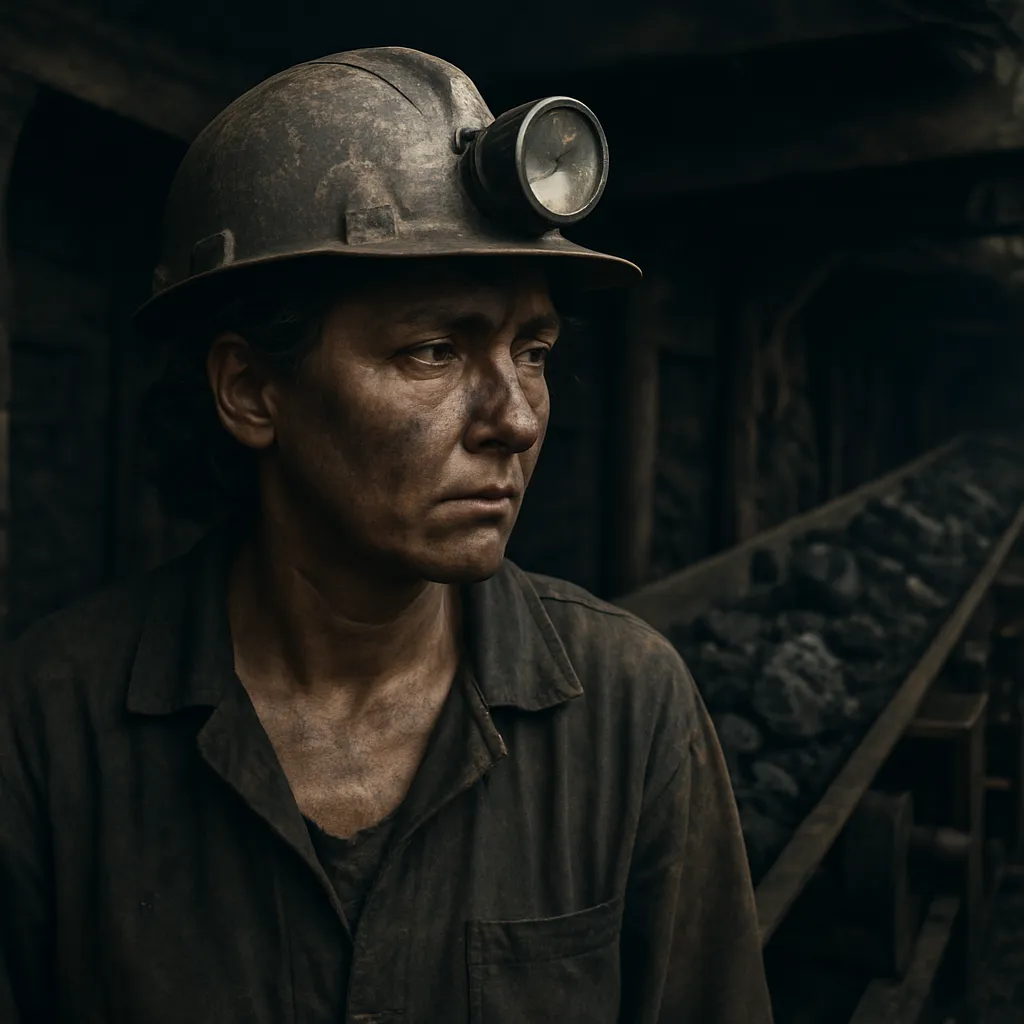
Typical shifts for female pit workers began before dawn and ended at dusk, often exceeding twelve hours. Below ground, they encountered:
- Poor lighting from oil lamps and candles, increasing the risk of accidents.
- Limited access to clean water and sanitation facilities, contributing to health issues.
- Strict managerial oversight, with fines imposed for talking or slowing the conveyor belt.
Above ground, women faced additional burdens, such as caring for children, preparing meals, and managing household budgets in an era of unpredictable wage payments. Yet, they forged strong bonds through solidarity and collective bargaining efforts, laying early groundwork for later labor movements.
Equity and the Stock Market
The rise of publicly traded coal stock companies in the mid-19th century introduced new opportunities and challenges for investors. While men dominated boardrooms and trading floors, women increasingly pooled savings via local investment clubs, aiming to secure stable returns for their families. Their participation, though informal, reflected growing financial acumen and a desire for economic empowerment.
Investment Clubs and Informal Networks
In coal-producing regions, women’s investment clubs operated in community halls or private homes, where members would:
- Share newsletters summarizing quarterly performance of major coal enterprises.
- Discuss dividend yields, production forecasts, and shifts in international demand.
- Negotiate bulk purchases of shares to qualify for preferential rates.
These networks served as incubators for financial literacy, equipping women with knowledge of market trends and corporate governance. Although their influence remained behind the scenes, they played a subtle role in shaping the direction of some coal companies by pressuring for more transparent reporting and safer working standards.
Regulatory Changes and Gender Barriers
Early securities laws often failed to address the rights of minority shareholders, including women. As the 20th century progressed, reforms such as the introduction of shareholder voting rights and mandatory disclosure rules gradually leveled the playing field. Women activists leveraged these changes to:
- Submit petitions demanding environmental protections around mine sites.
- Propose motions at annual general meetings for fair wage policies.
- Form alliances with progressive male shareholders to influence board appointments.
While obstacles persisted—ranging from social prejudices to legal restrictions on female property ownership—these collective efforts laid the foundation for modern corporate responsibility frameworks.
Legacy and Innovation
Throughout the 20th and 21st centuries, the evolution of the coal industry has been marked by technological breakthroughs, shifting energy policies, and growing environmental concerns. Yet, the legacy of women miners and investors endures in several key areas:
Technological Advancements
Women engineers and technicians contributed to innovations such as:
- Remote-controlled machinery for cutting and loading coal, reducing underground labor risks.
- Improved respiratory equipment that mitigated exposure to harmful particulates.
- Data-driven mine planning systems, integrating geological surveys with production metrics.
These advancements not only enhanced efficiency and safety but also opened doors for women in emerging STEM roles within the mining sector.
Environmental and Social Advocacy
Former miners and their descendants have championed causes that reflect a deep connection to coal-bearing landscapes. Prominent initiatives include:
- Reclamation projects that transform defunct sites into wildlife reserves or renewable energy parks.
- Oral history programs preserving testimonies of early female miners for academic research.
- Educational scholarships supporting young women in mining engineering and environmental sciences.
These efforts underscore a commitment to sustainable development while honoring the contributions of the industry’s often-overlooked pioneers.
Future Prospects
As global energy systems shift toward cleaner alternatives, coal’s share in the energy mix may continue to decline. However, understanding the historical interplay between coal, community resilience, and women’s activism offers valuable lessons for future resource transitions. By studying their achievements—both underground and on the trading floor—we gain insights into how diverse perspectives can drive innovation, solidarity, and equitable growth.