The story of coal and the railroads that once crisscrossed continents is a tale of relentless innovation, profound economic shifts, and the enduring legacy of an era when black rock powered the engines of progress. From the roar of steam locomotives hauling ton after ton of anthracite and bituminous coal to the trading floors where investors bought and sold coal stocks, this narrative weaves through geology, infrastructure, finance, and environmental challenges. Exploring these intertwined themes sheds light on how **coal** shaped nations and continues to influence global markets.
Historical Emergence of Coal and Its Role in Industrial Expansion
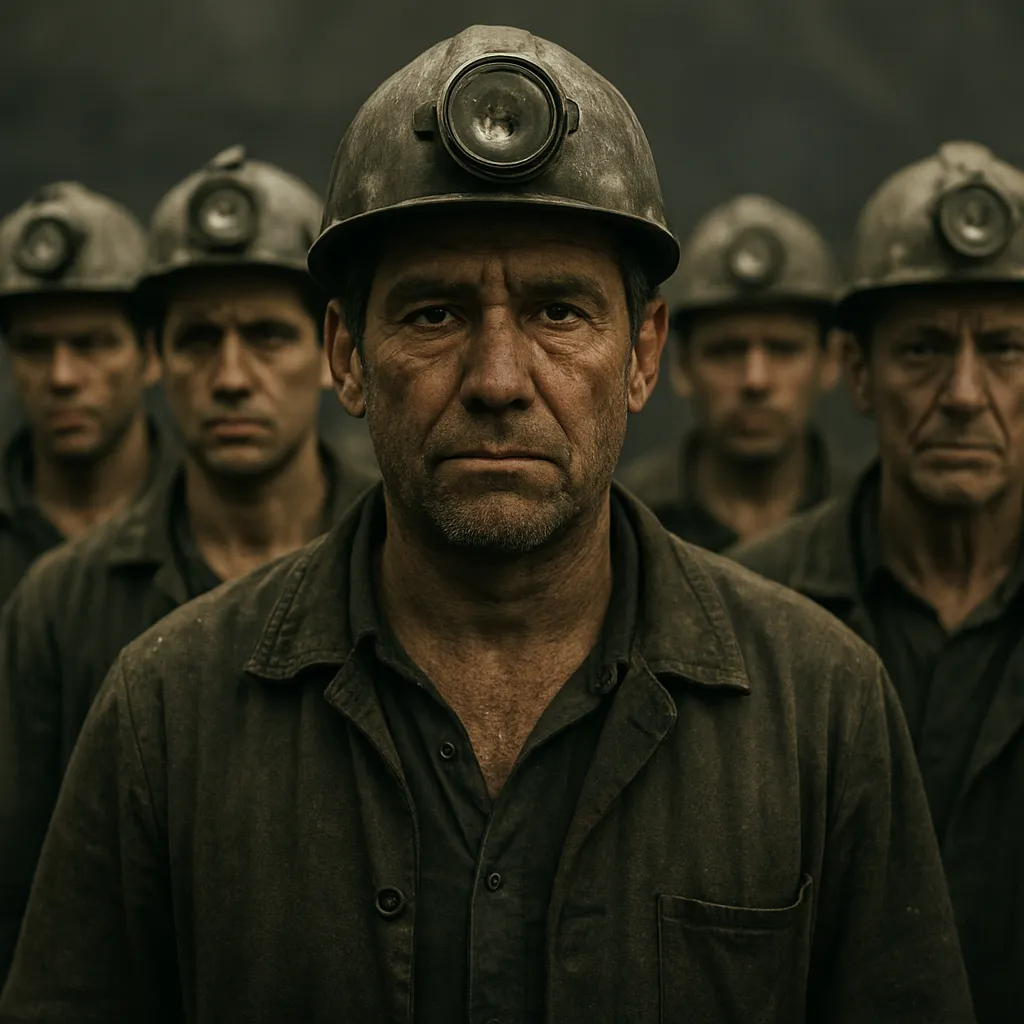
The discovery and systematic extraction of coal date back centuries, but it was during the 18th and 19th centuries that this **fossil fuel** truly ignited the **Industrial** **Revolution**. Coal’s high energy density made it indispensable for powering steam engines in factories, ships, and, most notably, railroads. Regions such as Great Britain’s South Wales, Pennsylvania’s Appalachia, and Germany’s Ruhr Valley became epicenters of mining activity. Geologists mapped vast seams of anthracite and bituminous deposits, while entrepreneurs invested in the necessary **infrastructure** to transport this heavy cargo to industrial centers and ports.
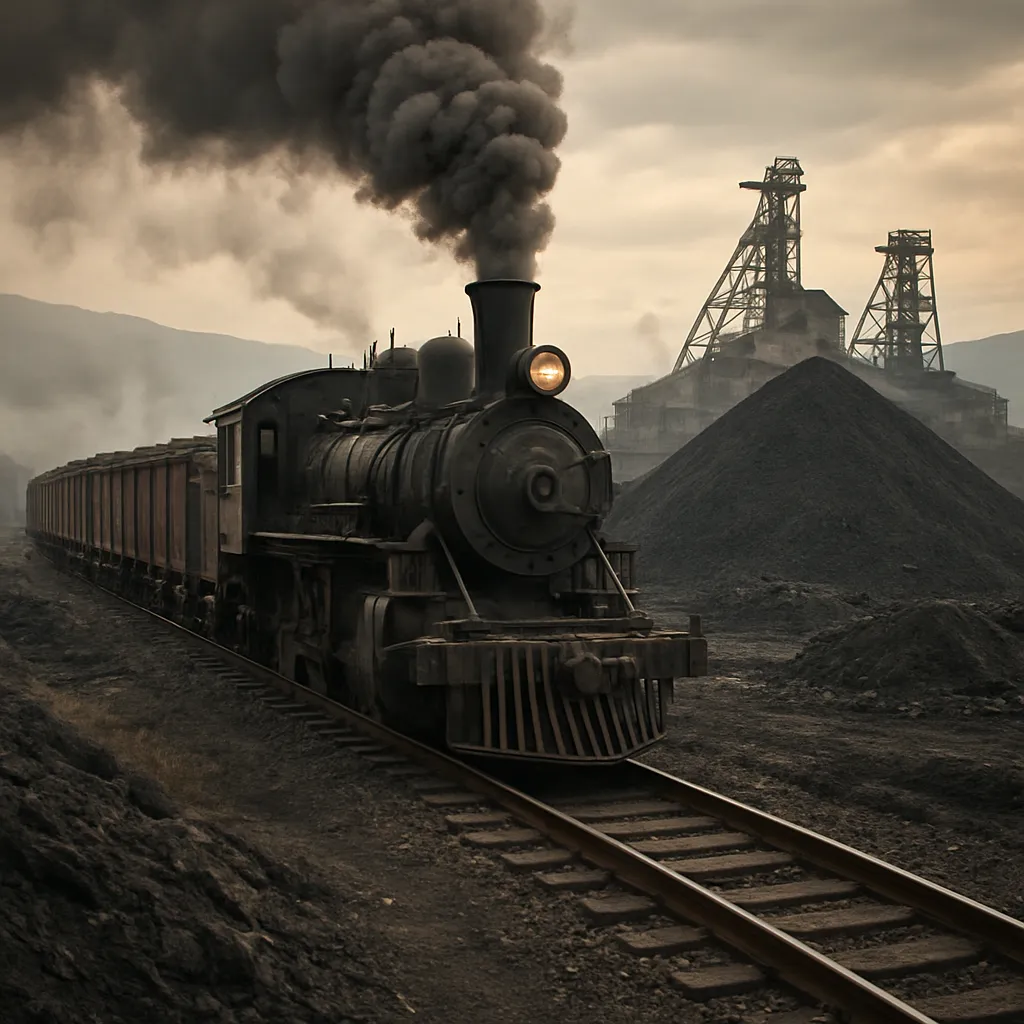
By the 1840s, a network of early mineral railways began to emerge. These narrow gauge and standard gauge lines connected collieries directly to iron foundries and coastal wharves. The synergy between mining companies and rail operators fostered a boom in **transportation** efficiency. Steam locomotives replaced horse-drawn wagons, slashing journey times and boosting the volume of material that could be moved daily. This era also saw the development of innovative technologies such as rotary breakers, steam shovels, and mechanized conveyors, which together revolutionized the speed of coal extraction and loading.
Rise and Fall of Coal Railroads
Coal railroads emerged as specialized carriers, built and often owned by mining corporations themselves. These private lines, sometimes called “mineral branches,” were designed with steep grades and tight curves to access valley bottoms and mountain ridges where the richest seams lay. Among the most famous was the Chesapeake & Ohio Railway’s Greenbrier Division, whose trestles and switchbacks earned it a reputation as an engineering marvel. Across the Atlantic, the North Eastern Railway in England connected Yorkshire’s collieries to Teesside ports, fueling steel mills and shipyards.
Network Expansion and Economic Impact
By the late 19th century, coal railroads had become a backbone of regional economies. Towns sprang up along the tracks, offering housing, schools, and hospitals funded by mining and railroad companies. Local merchants thrived, and banks extended lines of credit against future coal shipments. Even remote communities once accessible only by footpaths found themselves linked to global markets. The resulting economic multiplier effect transformed rural backwaters into bustling industrial hubs.
Decline and Abandonment
The mid-20th century ushered in challenges that sealed the fate of many coal rail lines. Diesel and electric locomotives offered cleaner and more efficient alternatives. Open-pit mining reduced reliance on underground shafts near railheads. Environmental regulations and competition from oil and natural gas further eroded coal’s dominance. As mines closed, thousands of miles of track were dismantled, bridges were razed, and once-thriving depots became ghost stations. Today, many former right-of-ways have been converted into hiking and cycling trails, preserving a faint echo of their industrial past.
Coal Stocks: From Physical Commodity to Financial Asset
The commercialization of coal stocks parallels the material trade in remarkable ways. Early investors purchased shares directly from mining companies to fund expansion of collieries and associated railroads. Dividends were paid from the profits of each loaded train delivered to market. Over time, coal companies listed on major exchanges, and derivatives based on coal futures allowed traders to hedge price risks associated with seasonal demand and transportation bottlenecks.
Portfolio managers often classify coal equities under the broader category of **energy** stocks. These holdings can offer high yields when markets tighten, as supply constraints send prices soaring. Conversely, they carry risks tied to geopolitical instability, labor disputes, and evolving **regulatory** landscapes. The advent of algorithmic trading and exchange-traded funds (ETFs) has further integrated coal into diversified investment vehicles, reflecting both its intrinsic value and its volatility.
- Anthracite vs. bituminous coal: distinguishing grades affects market pricing.
- Impact of seaborne exports on domestic stock valuations.
- Role of futures contracts in securing forward supply agreements.
- Investor strategies for balancing **risk** and reward in volatile energy markets.
- Corporate governance issues: environmental compliance, safety records, and social license to operate.
Environmental Impact and the Modern Transition
While coal railroads symbolized progress, their legacy includes significant environmental footprints. Mining operations scarred landscapes, acid runoffs contaminated waterways, and coal dust settled on nearby communities. Steam locomotives emitted substantial amounts of particulate matter and sulfur oxides. In the 21st century, awareness of climate change has driven concerted efforts to phase out coal-fired power plants, reduce greenhouse gas emissions, and invest in cleaner alternatives.
At the same time, companies with extensive coal **reserves** have been pressed to adapt. Some have diversified into natural gas, renewables, and carbon capture technologies. Others have spun off coal divisions into specialized mining firms whose shares trade independently on stock markets. Innovative projects aim to repurpose abandoned rail corridors for high-speed electric trains or to create wildlife corridors, blending industrial heritage with ecological restoration.
The Future of Coal-Related Infrastructure
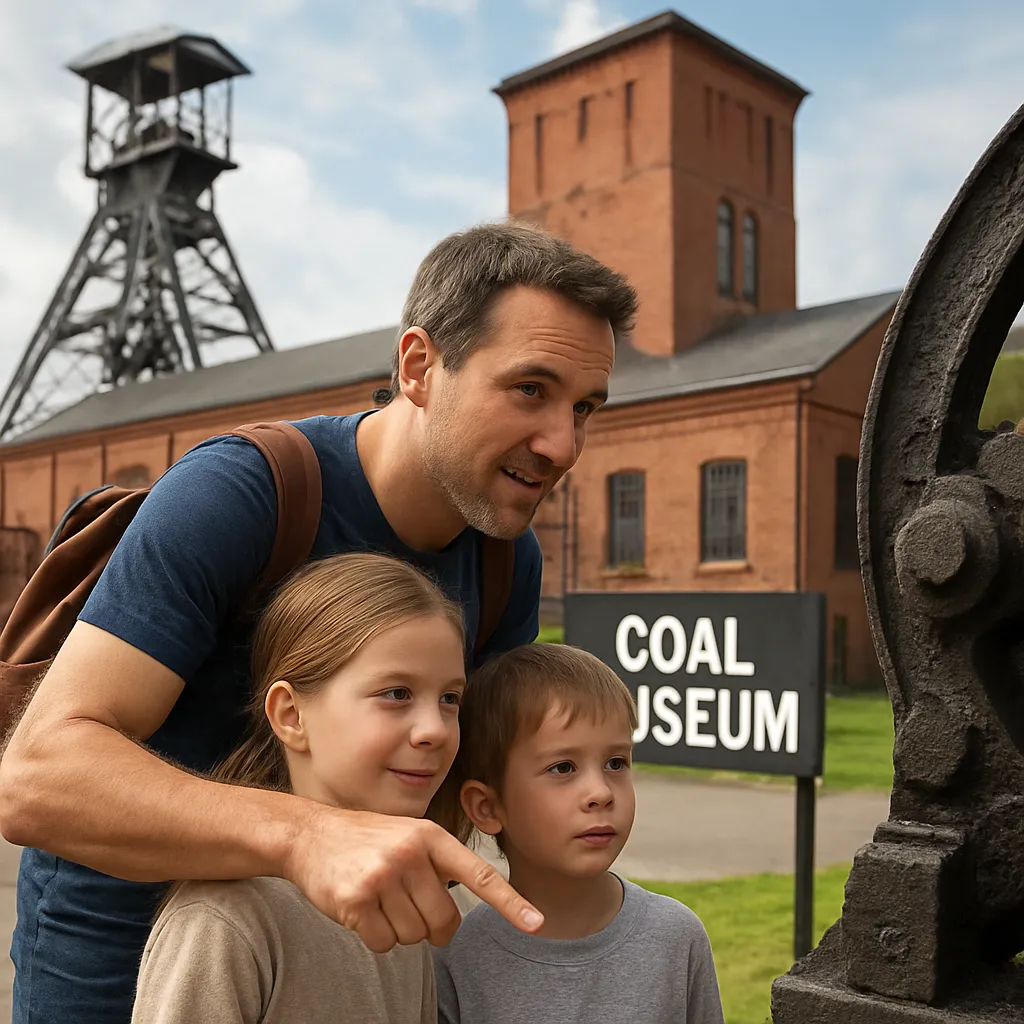
Despite the decline, coal railroads remain a subject of fascination for historians, engineers, and investors alike. Heritage railways operate restored steam locomotives on short sections of former coal lines, offering a living museum experience. Museums house archives of old timetables, engineering blueprints, and stock certificates, preserving the narrative for future generations. Meanwhile, financial analysts continue to monitor coal stock performance in emerging markets where demand may plateau later than in developed economies.
Ultimately, the interplay between **industrial** heritage and evolving **energy** paradigms underscores coal’s complex role in shaping our world. Its once-mighty railroads, the lifeblood of national development, now stand as silent monuments to an age when black stone powered human ambition. Even as the planet pivots towards renewable sources, the **forgotten** coal railroads that once powered nations remain etched in the bedrock of history, reminding us of the transformative power of **transportation**, ingenuity, and raw natural resources.