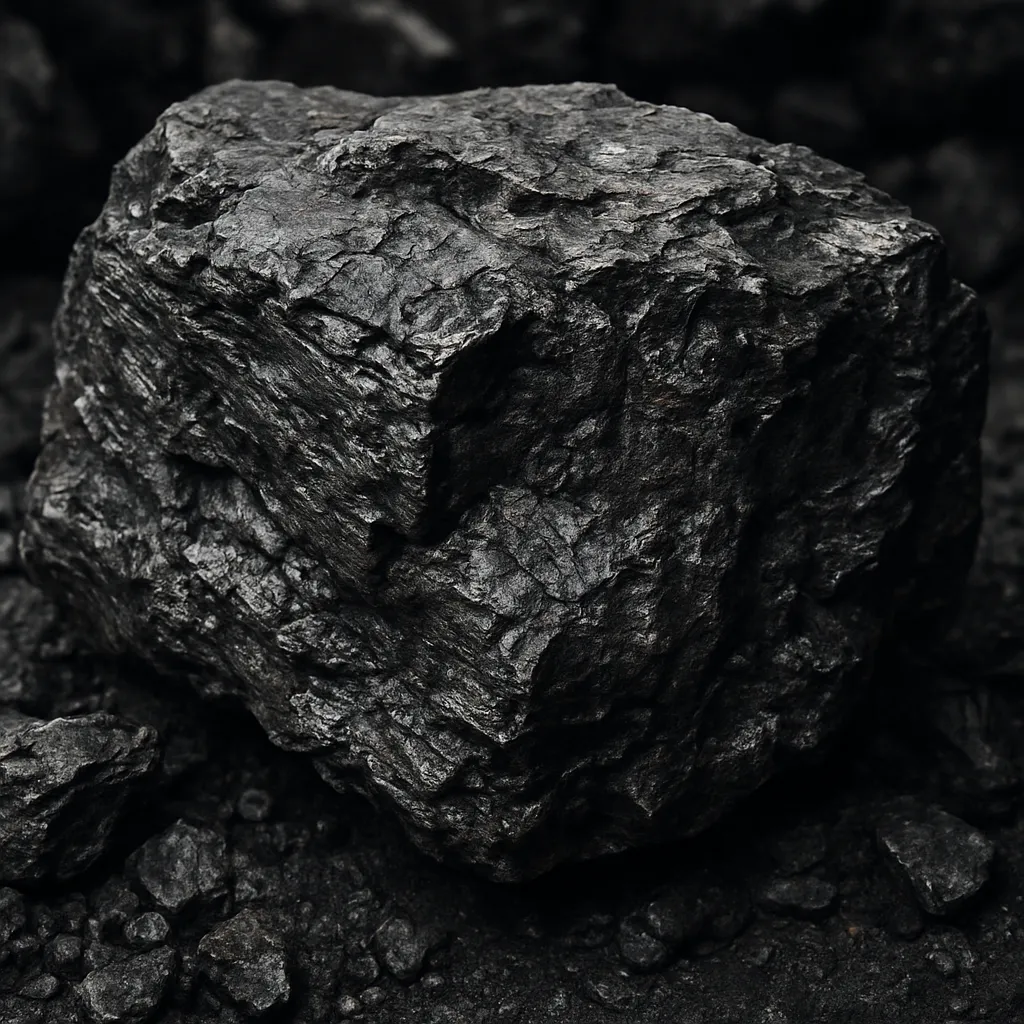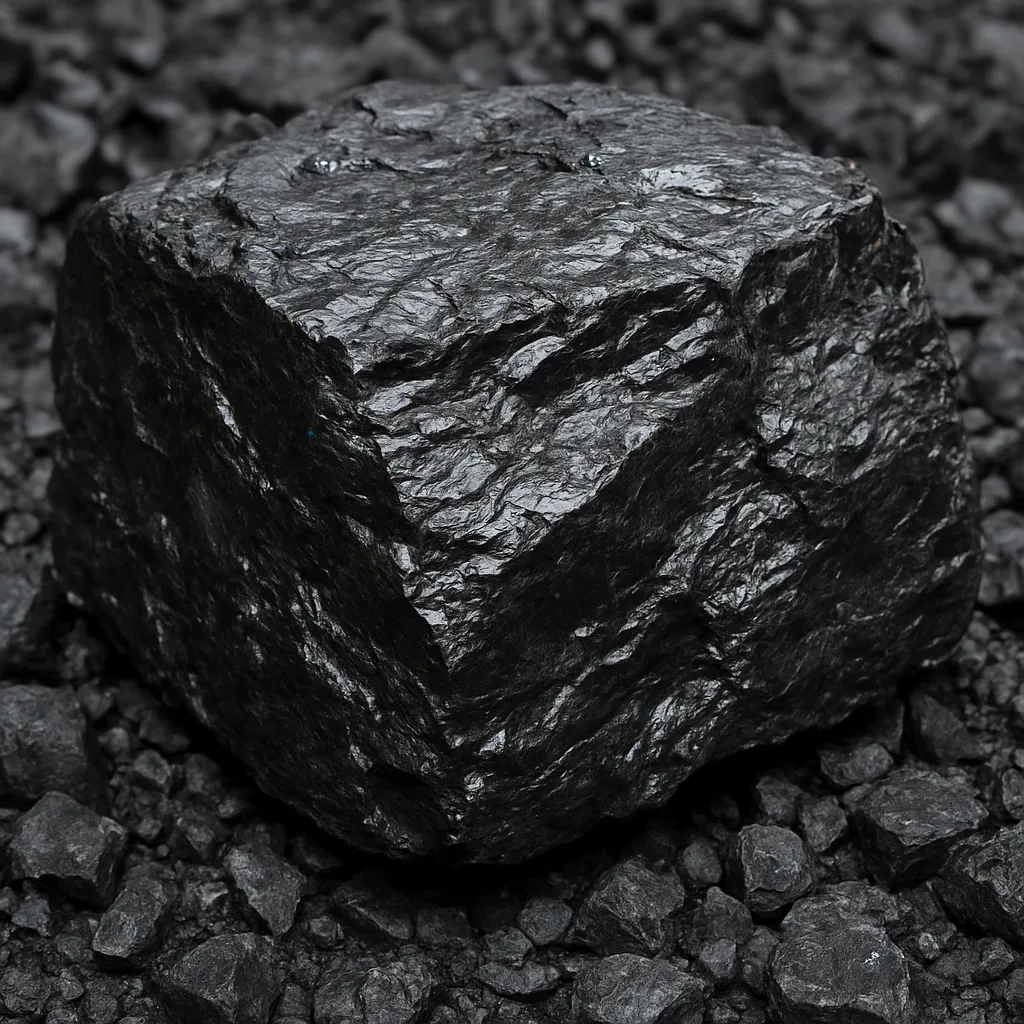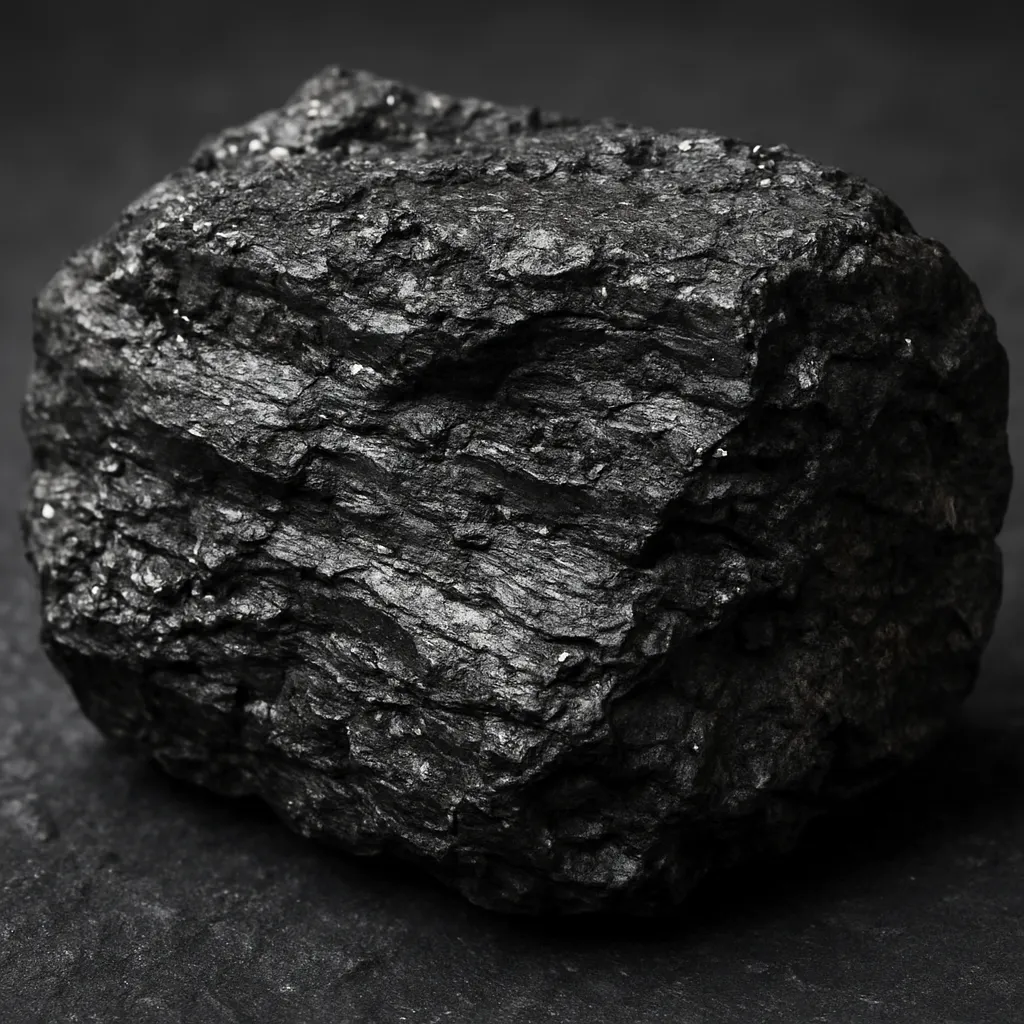
This article examines coals that are unusually rich in liptinite macerals — a group of organic constituents in coal that derive from spores, cuticles, resins and algal materials. Such coals are distinctive for their petrographic signature, unusual chemical properties and special industrial applications. Below, you will find a survey of their geological occurrence, major producing regions (historical and modern), their economic and industrial significance, representative chemical and physical characteristics, environmental and technological considerations, and prospects for future use and research.
Occurrence and geological characteristics
Coals with elevated liptinite content are not a single coal type in the usual commercial classification, but rather a descriptive category used by coal petrographers. Typical coals are composed of three broad maceral groups: vitrinite, inertinite and liptinite (formerly called exinite). In liptinite-rich coals the liptinite fraction may exceed 30–50% of the total organic matter; in extreme cases (for example, cannel or torbanite) liptinite can dominate the whole rock.
Geologically, liptinite-rich coals tend to form in depositional environments where input of algal, resinous or other hydrogen-rich organic matter was high relative to woody plant debris. Typical settings include stagnant bogs and ponds with abundant aquatic plants, algal blooms in lacustrine basins, and coastal mires where resinous tree tissues were preserved. Rapid burial and low-oxygen conditions help preserve the delicate waxy and resinous constituents that make up the liptinite group.
Petrographic and chemical features
- Under reflected and fluorescent light microscopy, liptinite macerals are strongly fluorescent, and many have distinctive shapes (spore-like, cuticle fragments, algal globules).
- Liptinite-rich coals often show low vitrinite reflectance for a given rank due to the presence of abundant hydrogen-rich macerals.
- Chemically these coals are relatively enriched in hydrogen and volatile compounds and are often oil-prone during thermal conversion processes.
- Typical proximate/ultimate analysis ranges (approximate): volatile matter 30–60 wt%, fixed carbon 25–60 wt%, hydrogen content 4–7 wt%, calorific values often 25–35 MJ/kg depending on rank and mineral matter.
Distinct local varieties include cannel coal, torbanite and boghead coal — names historically used for coals dominated by liptinite and prized for their capacity to yield liquids upon destructive distillation.
Major deposits and historical mining regions
Worldwide, liptinite-rich coals are relatively uncommon compared to typical vitrinite-dominated coals. They occur in many coal basins but typically as lenses, seams or facies within larger coalfields rather than as extensive continuous deposits. Historically important deposits and regions include:
- Great Britain (Scotland and parts of England): historical occurrences of torbanite and cannel coal were exploited in the 19th century for oil production and domestic lighting oils.
- United States: pockets of cannel coal and liptinite-rich seams were mined in the eastern US (Appalachians, Ohio Valley) in the 19th and early 20th centuries for gasworks and paraffin production.
- Continental Europe: small occurrences in Germany and Poland are documented, sometimes associated with lacustrine coal facies.
- Australia: certain basins (notably those with lacustrine or mire-origin deposits) host liptinite-rich coals, and there is interest in some deposits for specialized conversion.
- Other basins worldwide contain liptinite-rich facies or lenses, but they rarely dominate total reserve figures.
Historically, some liptinite-rich coals were the feedstock for the earliest commercial coal-oil (paraffin) enterprises. In the mid-1800s inventors and industrialists converted high-liptinite coals by low-temperature distillation to obtain illuminating oils and waxes, preluding modern petroleum refining in some regions.
Economic and industrial significance
The industrial value of coal with high liptinite content differs from conventional coal use (power generation or metallurgical coke) because of the coal’s chemical behavior under thermal processing. Key applications and economic roles include:
- Coal-to-liquids and liquefaction feedstock: liptinite-rich coals are generally more amenable to direct or indirect liquefaction because their hydrogen-rich organic matter generates higher yields of liquid hydrocarbons (tars, oils) during pyrolysis and hydrogenation.
- Pyrolysis and gasification: elevated volatile and hydrogen content can improve yields of volatiles and syngas composition in certain conversion processes; such coals are sometimes evaluated as specialty feedstocks for chemical synthesis (methanol, Fischer-Tropsch liquids).
- Activated carbon and specialty carbon products: the high volatile and non-woody nature of liptinite-rich coals can be advantageous in producing activated carbons with specific pore structures, or carbon blacks and precursors for carbon fibers after suitable processing.
- Historic paraffin and lamp oil production: before widespread crude oil refining, liptinite-rich coals were important for producing domestic fuels and lubricants.
- Niche household and artisanal uses: some traditional communities historically valued cannel coal for its bright and steady flame when burned in home use.
However, liptinite-rich coals often have limited value for metallurgical coke production because they tend to be non-caking or produce weak coke. Consequently, their direct use in blast furnaces is limited unless blended with caking coals.
Statistical context and market data
Accurate, up-to-date global statistics specifically for high-liptinite coals are scarce because most coal reporting distinguishes by rank and thermal properties rather than detailed maceral composition. A few general points can be made:
- Worldwide annual coal production is measured in the billions of tonnes (for context: global coal production in the 2010s and early 2020s averaged on the order of 6–8 billion tonnes per year). By contrast, liptinite-rich coals account for a very small fraction of this total — typically a minor percentage of national reserves and production. Industry estimates commonly place highly oil-prone coals (cannel, torbanite, boghead) at well under 1–2% of global commercial coal resources.
- Within individual coalfields, liptinite-rich seams can represent economically important local resources even if they are negligible globally. Historic production of cannel coal in parts of the UK and USA supplied early oil industries on a local to regional scale.
- Analytical data for representative liptinite-rich coals frequently show volatile matter values in the 35–60% range, calorific values in the 25–35 MJ/kg range and hydrogen contents elevated relative to vitrinite-dominated coals — numbers that chemistry and conversion engineers use when evaluating feedstock suitability for pyrolysis or liquefaction processes.
Because these coals are typically exploited in small volumes and specialized markets, prices can be volatile and highly dependent on the availability of substitutes (petroleum-derived feedstocks) and on technological demand (for example, a local chemical plant choosing coal as a feedstock). In the modern global market, most large industrial consumers prefer predictable baseline commodities (standard thermal or coking coals), while liptinite-rich coals are often subject to bespoke commercial arrangements or are of historical interest.
Environmental and technological considerations
Converting liptinite-rich coals into fuels and chemicals can be attractive in terms of yield of liquids per tonne of feed; however, environmental considerations are significant.
- Greenhouse gas emissions: coal conversion processes (liquefaction, gasification followed by Fischer-Tropsch synthesis) are carbon-intensive compared to crude oil refining unless coupled with substantial carbon capture and storage (CCS). The higher liquid yields from liptinite-rich coals do not eliminate the need to manage CO2 emissions.
- Air pollutants and tars: pyrolysis and low-temperature carbonization of liptinite-rich coal generate complex tarry condensates and volatile organic compounds that require careful handling and treatment.
- Mine environmental footprint: liptinite-rich seams are often small and discontinuous, sometimes leading to higher per-tonne mining costs and land disturbance relative to larger continuous seams, especially if selective mining is required to target the liptinite facies.
- Beneficiation and upgrading: technologies exist to separate or upgrade liptinite-rich coals (washing to remove mineral matter, thermal pre-treatment to stabilize volatiles), but economic viability depends on scale and end-use value.
Technological innovations and research directions
Interest in liptinite-rich coals remains in scientific and engineering circles because their composition offers pathways to higher liquid yields and specific specialty carbon products. Key research directions include:
- Optimizing direct coal liquefaction catalysts and process conditions to exploit the hydrogen-rich nature of liptinite macerals and increase liquid hydrocarbon yields with lower energy input.
- Advanced pyrolysis and upgrading systems (catalytic pyrolysis, solvent extraction) to convert liptinite-derived tars into higher-value chemicals or transport fuels.
- Integration with carbon capture and renewable hydrogen sources to reduce life-cycle greenhouse gas intensity for coal-to-liquids schemes.
- Petrographic and geochemical mapping using automated maceral analysis and geostatistics to better locate and quantify liptinite-rich seams within coalfields, enabling targeted exploitation where economically justified.
- Development of niche high-value carbon materials (activated carbons, precursors to electrodes or carbon fibers) where feedstock consistency and specific carbon chemistry are advantageous.
Practical considerations for industry and policymakers
When evaluating liptinite-rich coals, decision-makers should consider a range of technical and economic factors:
- Scale and continuity of deposits: small, discontinuous occurrences are less favorable for large-scale industrial processing unless logistics costs are low or grades are exceptionally high.
- Competition with petroleum: where refined petroleum products are cheaply available, coal-to-liquids economics are challenging without subsidies or premium pricing for locally produced fuels.
- Regulatory and environmental compliance: emissions, water use in conversion processes and waste handling must meet modern regulatory standards — often increasing capital and operating costs for projects that turn coal into liquids or chemicals.
- Opportunity for co-products: projects that valorize tars, aromatics and other co-products can improve economic returns compared with fuel-only ventures.
Interesting historical and scientific notes
The industrial history of liptinite-rich coals is rich in anecdotes: in the 19th century, the distillation of cannel coal and torbanite led to paraffin oils used for lighting and lubrication before mineral petroleum became dominant. In some regions early entrepreneurs established local oil industries based on these coals, sometimes becoming stepping stones to larger-scale chemical processing industries.
From a scientific viewpoint, liptinite-rich coals are also valuable for research into organic matter preservation, paleoenvironmental reconstruction (because they record algal and resinous inputs), and kerogen types that resemble certain oil shales. Their study helps bridge the gap between classical coal geology and petroleum source-rock science.
Conclusions and outlook
Coal with high liptinite content occupies an intriguing niche between standard commercial coals and oil shales. While globally limited in extent and production, these coals are significant where they occur because of their propensity to generate liquids and specialized carbon products. Their future role will depend on the economics of conversion technologies, environmental constraints (especially greenhouse gas policy), and advances in processing that can selectively and cleanly convert hydrogen-rich macerals to valuable end-products. For regions with accessible liptinite-rich seams, carefully targeted projects — particularly those that integrate emissions controls and valorize co-products — may offer economically and technologically viable opportunities.