The legacy of coal extends far beyond the deep shafts and roaring furnaces that once powered the Industrial Revolution. Across the globe, regions that were defined by their coal extraction are experiencing a profound metamorphosis. From shifts in the global **energy** landscape to innovations in **sustainability**, coal territories are embracing new roles as vibrant cultural and economic hubs. This article explores the multifaceted story of coal, the dynamics of coal **stocks**, and the remarkable journeys of former mining communities as they reinvent themselves for the 21st century.
Origins and Evolution of Coal Extraction
Coal has fueled human progress for centuries, its **carbon-rich** composition providing a dense source of heat and electricity. Initially harnessed in small fires for cooking and heating, coal rose to prominence during the Industrial Revolution, powering steam engines, locomotives, and factories. Its influence spread rapidly:
- Early mining in Great Britain laid the groundwork for mass production techniques
- Continental Europe and North America adopted mechanized extraction in the 19th century
- Subsequent expansion into Asia and Africa during the 20th century
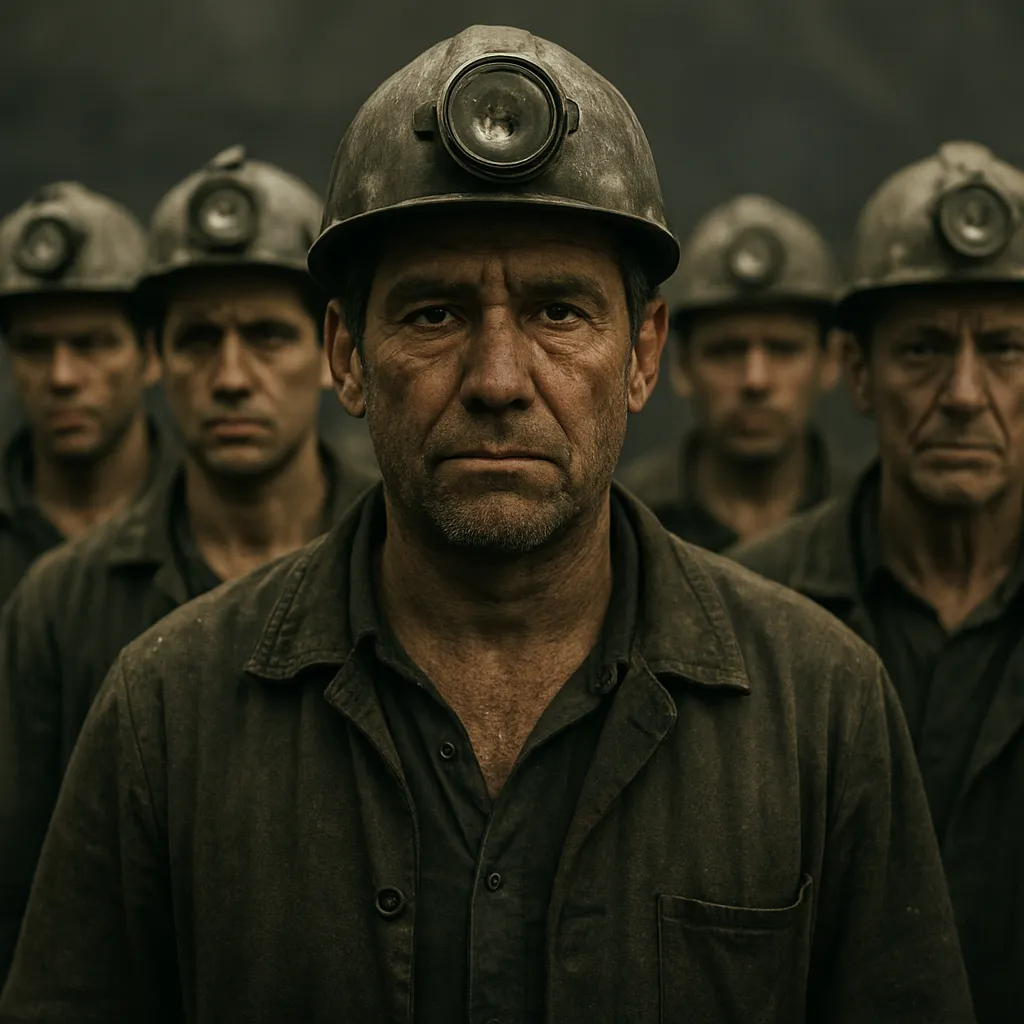
These developments created vast coalfields and dense networks of railroads, forging entire cities and shaping regional identities. Yet, the reliance on coal also cast long shadows: environmental degradation, hazardous working conditions, and economic vulnerabilities linked to fluctuating **market** demands.
Financial Markets and Coal Stocks
Investing in coal has long been a double-edged sword. On one hand, coal companies offered attractive dividends and capital appreciation when industrial growth surged. On the other, they endured periods of intense **volatility** due to regulatory changes, price swings, and competition from cleaner energy sources.
Key Factors Influencing Coal Stock Performance
- Regulatory Environment: Emission standards and carbon taxes can drastically affect profitability.
- Demand Trends: Emerging economies fuel demand, while advanced economies shift toward renewables.
- Operational Costs: Mining depth, labor expenses, and transport infrastructure impact margins.
- Technological Advances: Carbon capture and storage (CCS) offer potential upsides but require significant capital.
Over recent decades, many coal firms diversified their portfolios, investing in natural gas, renewable **energy**, or steel production to hedge against the decline of thermal coal. Investors scrutinize metrics like production volumes, reserve life, and debt ratios to gauge resilience. Despite headwinds, some companies have delivered strong returns by focusing on metallurgical coal for steelmaking, a segment less exposed to decarbonization pressures than power-generation coal.
The Socioeconomic Impact of Coal Decline
As global initiatives target a net-zero future, coal mining regions have faced mine closures and job losses. The transition away from coal often led to:
- Unemployment surges in mono-industry towns
- Population **decline** as workers migrate for new opportunities
- Underfunded public services
- Environmental legacies like acid mine drainage and landscape **scars**
Some communities adapted by courting new industries—manufacturing, logistics, and tourism—while others struggled to find a sustainable path. Local and national governments frequently stepped in with retraining programs, infrastructure grants, and tax incentives aimed at catalyzing economic **transformation**.
From Black Gold to Cultural Goldmines
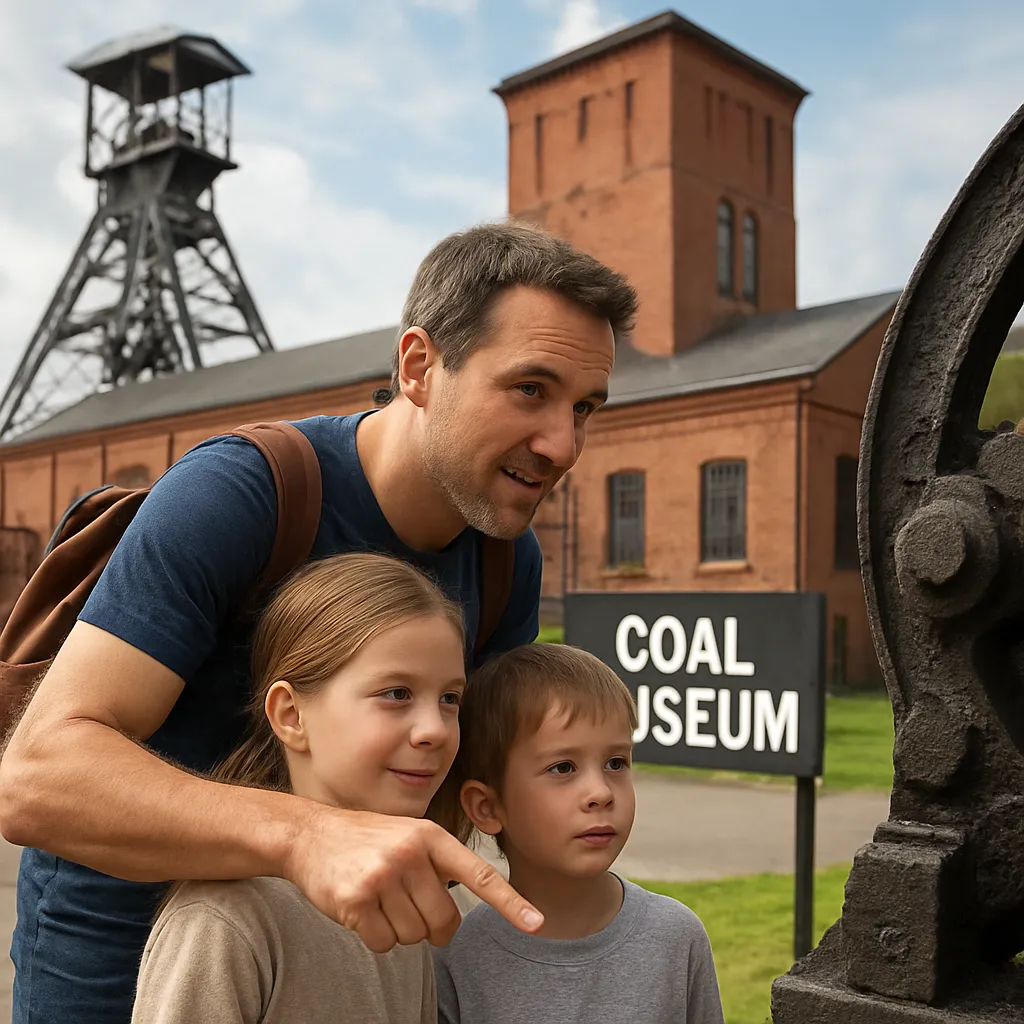
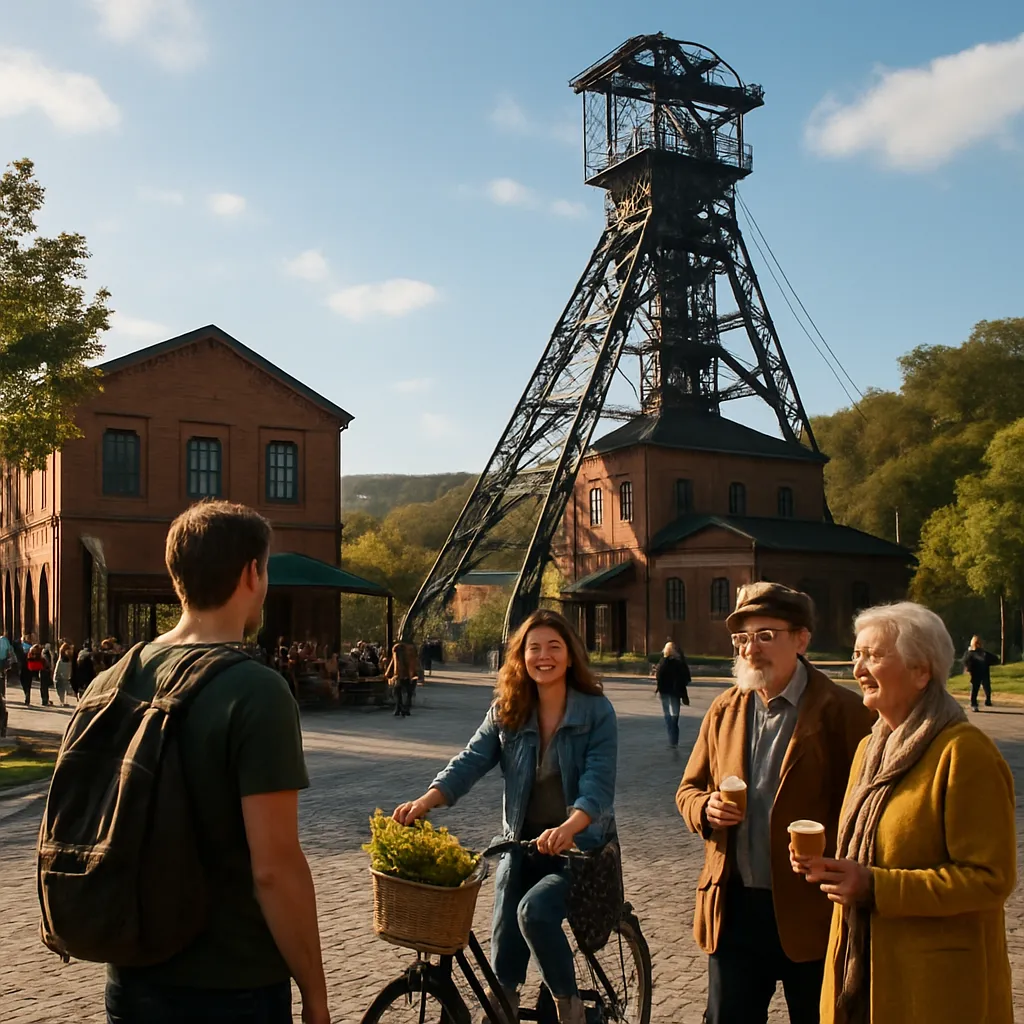
Remarkably, many former coalfields are embracing their industrial heritage as a springboard for cultural renewal. By repurposing historic mining sites into museums, event spaces, and creative hubs, these regions celebrate their past while forging fresh **identities**.
Case Studies of Successful Conversions
- In Nordrhein-Westfalen, Germany, the Zollverein Coal Mine Complex—once the largest in Europe—is now a UNESCO World Heritage Site, housing art exhibitions and design institutions.
- The Welsh Mining Museum in South Wales preserves underground tours and mining artifacts, drawing thousands of visitors annually.
- In Pennsylvania’s Coal Region, disused colliery buildings have become venues for music festivals and craft markets, boosting local **tourism** revenue.
These transformations rely on cross-sector collaboration among heritage professionals, environmental experts, and community organizations. Adaptive reuse projects often incorporate green spaces, educational centers, and interactive installations, ensuring that the coal story remains accessible and engaging for all generations.
Environmental Remediation and Sustainable Futures
Abandoned mines pose serious ecological risks, including water pollution and land subsidence. Addressing these challenges demands comprehensive reclamation efforts:
- Sealing shafts and restoring topsoil to prevent erosion
- Treating contaminated water through **innovative** filtration systems
- Introducing native vegetation and wildlife corridors
- Implementing solar or wind installations on former spoil heaps
By integrating environmental **stewardship** with heritage conservation, regions can create multipurpose landscapes that support recreation, education, and biodiversity. In some cases, renewable energy farms on reclaimed sites generate clean power while honoring the land’s industrial legacy.
Future Investment Opportunities in Coal Regions
While thermal coal faces decline, investors can still find opportunities by focusing on:
- Metallurgical coal firms with long-term supply contracts
- Environmental services companies specializing in mine remediation
- Renewable energy projects on former mining land
- Cultural and **creative** industries leveraging industrial heritage
The shift from extraction to regeneration demands a long-term perspective. Stakeholders must balance economic objectives with social equity and environmental integrity. Partnerships between private investors, government bodies, and local communities are crucial to ensure projects yield durable benefits.
The Role of Innovation and Community Engagement
Empowering local populations has proven essential for sustainable transitions. Initiatives often include:
- Training programs in hospitality, conservation, and digital arts
- Incubator spaces for startups in eco-tourism and cultural technology
- Community-led festivals celebrating mining heritage and local crafts
- Participatory planning workshops to define future land uses
By fostering a sense of ownership, these efforts help attract **investment** and cultivate a resilient social fabric. New cultural venues and events become magnets for visitors, sparking further development in hotels, restaurants, and artisanal shops.
Conclusion
Coal regions worldwide are rewriting their narratives, turning sites of deep extraction into platforms for culture, creativity, and **innovation**. The interplay between coal **stocks**, environmental remediation, and cultural regeneration illustrates the potential for post-industrial landscapes to thrive in a greener economy. As investors, policymakers, and communities collaborate, the story of coal continues—no longer defined solely by black dust, but by vibrant destinations that honor the past while embracing a sustainable future.