The Sebuku Coal Mine, located off the coast of Indonesian Borneo, represents a notable example of small- to medium-scale island-based coal production in Southeast Asia. This article outlines the mine’s geographic setting, the character of its coal, operational history, economic and industrial significance, and environmental and social aspects. Where possible the account references general statistical context and commonly reported figures; specific yearly production and ownership can vary, so readers should consult the latest company and government reports for up-to-date numbers.
Location and geological setting
The Sebuku Coal Mine is situated on or adjacent to Sebuku Island, south of the main Borneo landmass, within Indonesia’s extensive archipelagic coal-producing regions. The mine lies within the broader coal provinces of Kalimantan, an island that supplies a major share of Indonesia’s coal output. The island context means that operations combine onshore extraction (where applicable) with a heavy reliance on maritime logistics for export.
Geologically, Sebuku’s deposits are typical of many Indonesian coalfields: the seams are relatively shallow compared with large underground basins, allowing for open-pit or shallow-strip mining methods in many parts. Coal seams in this region generally formed in deltaic to coastal plain settings during the Neogene, producing seams that are predominantly used for thermal power generation rather than metallurgical applications. Coal here is commonly interbedded with clays and sandstones and occurs in multiple benches with varying thickness.
Coal type and quality
The coal produced from Sebuku is principally used as thermal coal for electricity generation and industrial steam. Typical characteristics reported for many Kalimantan-derived coals — and applicable to Sebuku in a broad sense — include:
- Calorific value: typically in the range of roughly 4,000–6,000 kcal/kg (gross as-received basis), depending on seam and washing treatment.
- Rank: generally sub-bituminous to high-volatile bituminous coal rather than coking coal.
- Ash and moisture: moderate moisture levels and relatively low to moderate ash content compared with some continental coals; washing and beneficiation are commonly applied to improve product quality for export markets.
- Sulfur: typically low to moderate, which increases attractiveness for thermal markets with emissions concerns.
Because quality can vary between seams and over time, many operators implement production blending and coal-washing programs to achieve consistent export grades. Coal from Sebuku has historically catered to seaborne thermal coal markets across Asia.
History and operatorship
Sebuku became prominent after exploration and development phases that typically involve both international and Indonesian capital. Historically, international junior miners and regional coal companies have taken leading roles in developing island mines in southern Kalimantan, often entering joint ventures with Indonesian partners and arranging long-term shipping logistics through nearby ports or bespoke transshipment arrangements.
The development timeline commonly includes exploration, mine planning, construction of port and stockyard facilities, commissioning of production, and the gradual scaling of output. As with many Indonesian coal projects, ownership and operatorship can change over time through asset sales, divestments, or joint-venture reorganizations. Project economics are strongly influenced by global coal prices, freight rates, and Indonesian regulatory conditions.
Mining methods and infrastructure
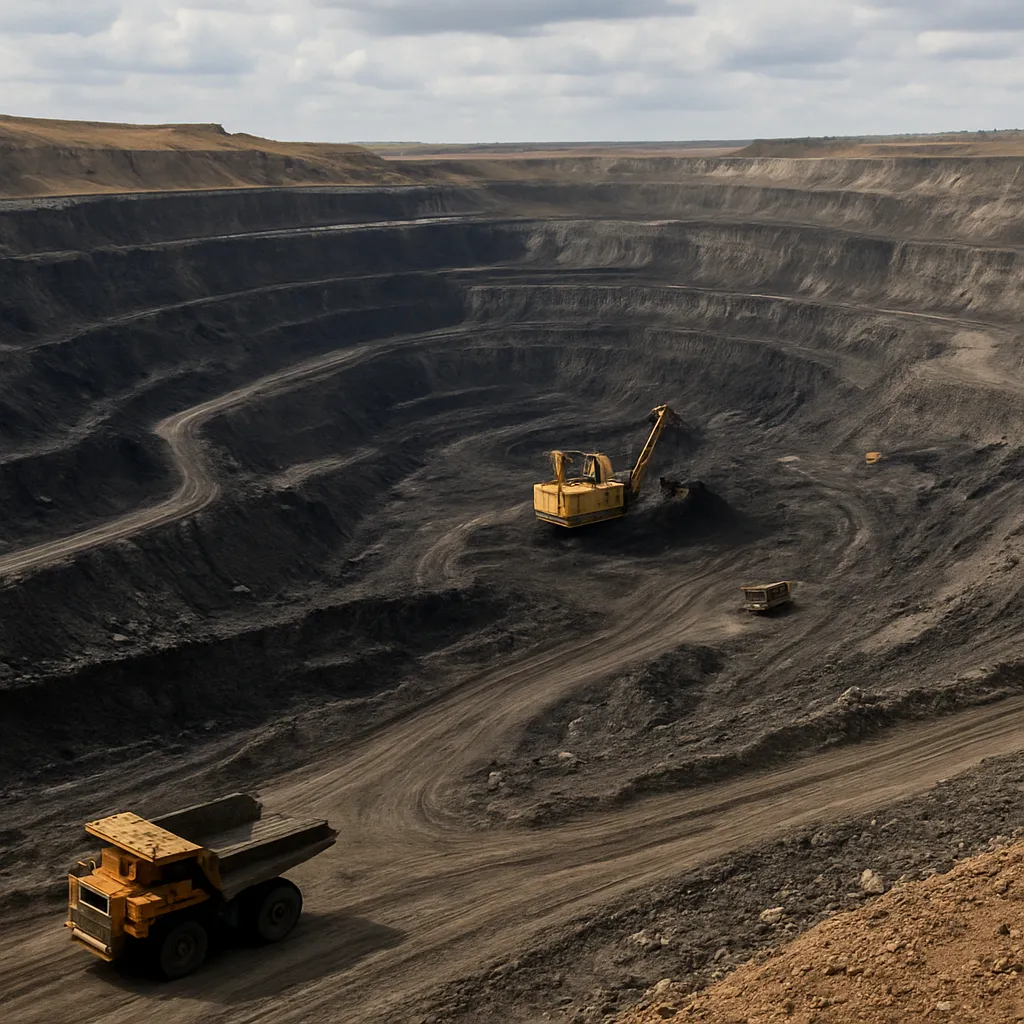
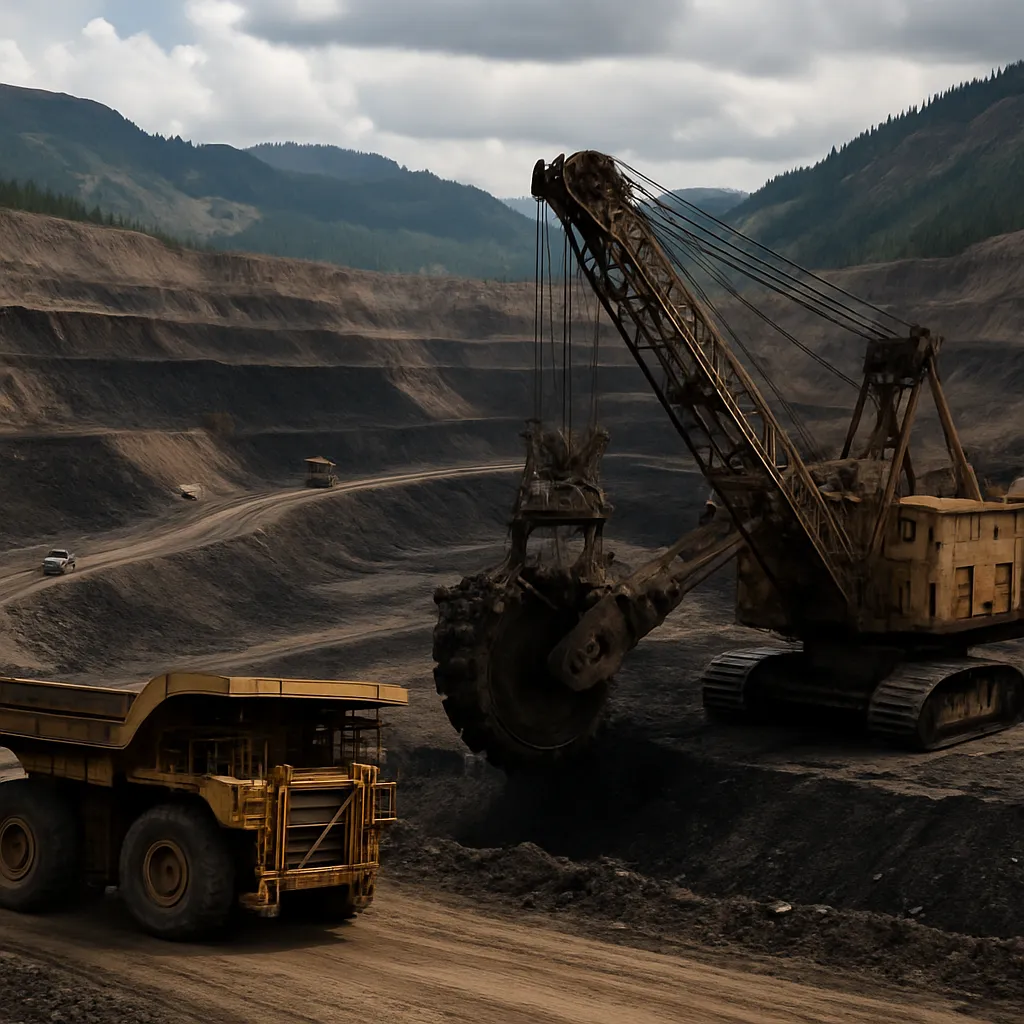
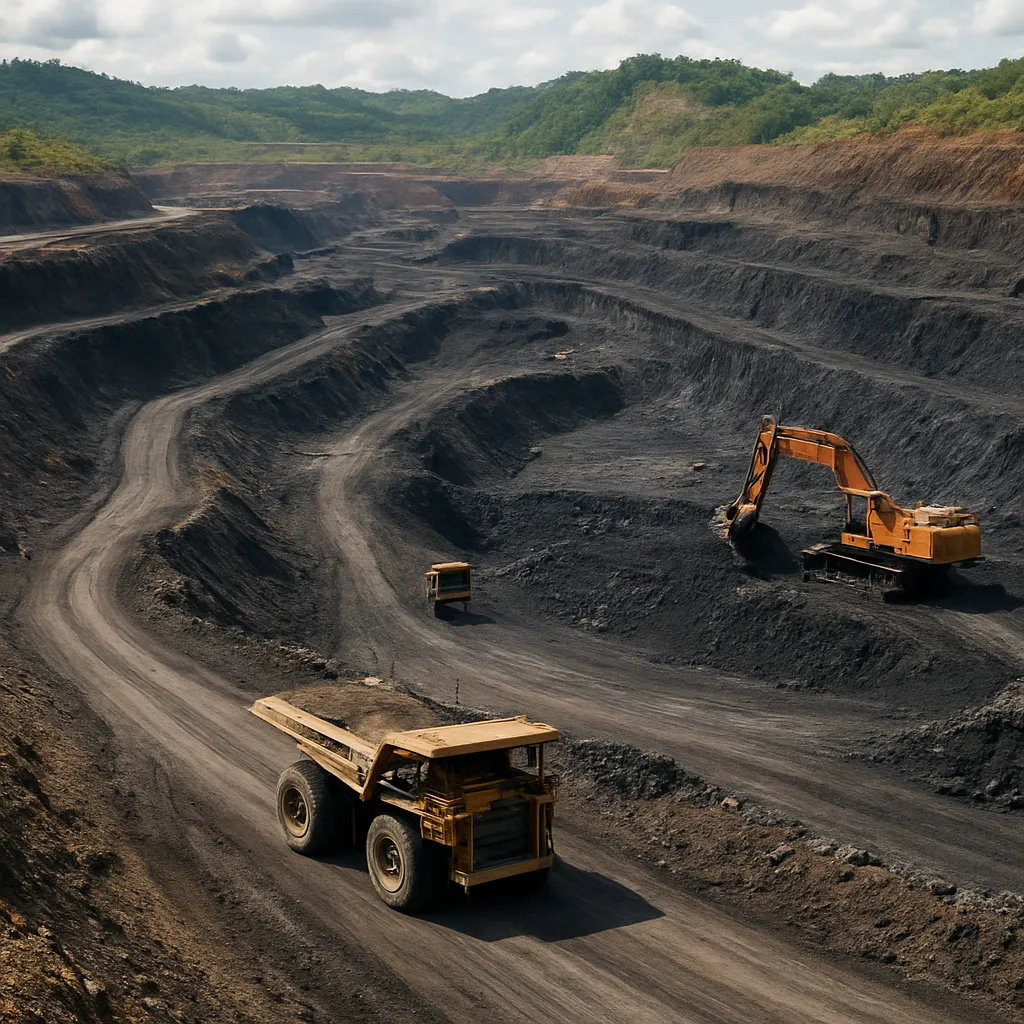
Given the near-surface seam configurations, Sebuku mining operations have typically used open-pit methods: deployable fleets of excavators, haul trucks, dozers, and support equipment adapted to wet tropical conditions. Island operations add complexity: fuels, spare parts, heavy equipment and personnel must be transported by sea or via short feeder flights, and maintenance logistics are more demanding than for mainland operations.
Key infrastructure components for an island coal mine include:
- Onsite or nearby wharf and transshipment facilities for loading barges or small bulk carriers;
- Stockpiles and coal-washing or screening plants to produce marketable grades;
- Accommodation camps and support services for workforce and contractors;
- Environmental management facilities such as sedimentation ponds, wastewater treatment, and progressive reclamation areas;
- Transport links to larger regional ports and bunkering services.
Production, markets and economic role
Sebuku’s output has been aimed primarily at the international thermal coal market, with customers in China, India, Southeast Asia and other regional buyers historically taking much of Indonesia’s seaborne coal. Island mines play a part in Indonesia’s vast export supply chain, which positions the country as one of the world’s largest coal exporters.
Although specific annual production figures for Sebuku can vary by year, island mines in this category commonly produce on the order of hundreds of thousands to a few million tonnes per year, depending on concession size, seam thickness, and operational scale. Such production contributes locally to employment, regional government revenue through royalties and taxes, and downstream service economies (shipping, maintenance, fuel supply).
At the national level, Indonesia has historically exported several hundred million tonnes of thermal coal annually (in many recent years the figure has been in the order of 400–500 million tonnes, though it fluctuates with global demand and domestic policy). Even modest single-mine outputs therefore connect to a large, integrated export system, with Sebuku operating as one of many nodes supplying the Asian power sector.
Economic and social impacts
On the positive side, Sebuku supports local employment (direct and indirect), infrastructure improvements, and revenue flows to local and central government. Jobs range from site operators and technical staff to marine logistics, catering and security. Local procurement of goods and services stimulates small business activity in nearby coastal communities.
Revenue contributions typically include:
- Royalties and taxes paid to regional and national authorities;
- Community development programs and corporate social responsibility (CSR) initiatives targeted at health, education and local infrastructure;
- Wages and wages’ multiplier effects in local economies;
- Investments in port and transport infrastructure that can have broader economic benefits.
However, socioeconomic trade-offs exist. Island communities may experience changes in traditional livelihoods (fishing, small-scale agriculture), altered access to coastal resources, and periodic disruptions from increased marine traffic. Effective stakeholder engagement, benefit-sharing mechanisms and transparent royalty allocation are vital to sustaining social license to operate.
Environmental and regulatory considerations
Coal mining on an island raises particular environmental sensitivities. Key environmental issues associated with Sebuku-style operations include:
- Marine impacts: dredging, increased vessel traffic, and transshipment can disturb benthic habitats and fisheries;
- Land disturbance: open-pit mining changes topography, and inadequate rehabilitation can lead to erosion and sedimentation;
- Water management: tropical rainfall requires robust sediment-control infrastructure to prevent downstream turbidity and contamination;
- Air quality and dust: handling and stockpiling of coal can generate fugitive dust affecting nearby communities;
- Biodiversity risks: island ecosystems can host unique flora and fauna sensitive to habitat loss and invasive species;
- Marine safety and oil spill risks: frequent marine movements elevate risks that operators must manage with contingency plans.
Indonesia’s regulatory framework requires environmental impact assessments (AMDALs), permits for water use and land clearing, reclamation bonds or guarantees in many cases, and community consultation processes. Operators typically implement environmental management systems, progressive rehabilitation, and targeted mitigation measures (silt curtains, closed-loop water systems, revegetation) to meet regulatory and lender requirements.
Safety, workforce and community relations
Safety standards on island mining operations converge with national occupational health and safety rules plus company-specific procedures. Challenges include emergency response capacity on islands, medical evacuation logistics, and the need for continuous training due to often-seasonal or contract-based labor rosters.
Community relations are a central part of sustained operations. Companies operating at Sebuku scale often invest in:
- Local infrastructure projects (schools, clinics, potable water systems);
- Skills and vocational training to enhance local employment prospects;
- Fisheries management programs and compensation mechanisms where marine resources are affected;
- Transparent grievance mechanisms to address community concerns.
Logistics, shipping and export chains
Maritime logistics are critical to Sebuku’s economics. Many island coal projects rely on a combination of barging, transshipment to larger bulk carriers at open anchorages, or the use of purpose-built small bulk carriers that can access shallow coastal berths. Freight costs, port tariffs, and the availability of suitable shipping tonnage directly affect the mine’s netbacks (the revenue remaining after transport and handling).
Transshipment operations require coordination with harbor authorities, pilotage services, and tug operators. Seasonal weather patterns, such as monsoon winds and typhoons in the broader region, can affect marine scheduling and loading rates. Given these constraints, many island operators maintain higher-than-average working capital and contingency planning to avoid prolonged loading delays.
Industry significance and future outlook
While Sebuku is not a megaproject on the scale of the largest Kalimantan mines, it is significant in illustrating how Indonesia’s coal supply mix derives from a wide array of concessions — including island mines — that collectively feed global thermal coal demand. The mine’s role exemplifies several broader industry dynamics:
- Indonesia’s comparative advantage in seaborne thermal coal markets, driven by abundant resources and geographic proximity to major Asian buyers;
- The importance of cost-efficient maritime logistics and grade consistency in determining market access;
- Regulatory trends and ESG (environmental, social and governance) pressures that drive operational transparency, rehabilitation, and reduction of local impacts;
- Volatility in global coal prices and the influence of policy shifts in buyer countries (e.g., emissions regulation, renewable energy deployment) on long-term demand.
Looking forward, Sebuku’s commercial prospects will depend on a combination of local operating efficiency, environmental stewardship, and how well the operation adapts to shifting market conditions. Opportunities exist for value enhancement via coal-washing to lift product quality, improving logistics to reduce freight costs, and developing community partnerships that lower social risks.
Statistical context and approximate figures
Specific statistics for Sebuku can vary by year and operator; the following figures provide contextual understanding rather than definitive annual production for the mine:
- Typical single-island coal operations of Sebuku’s class often report production in the range of 0.5–3 million tonnes per year, depending on concession size and life-of-mine plans.
- Indonesia’s national thermal coal exports have commonly ranged in recent years from about 400 to 500 million tonnes per year, making the country a leading global supplier. Movements in these national totals influence pricing and demand for individual mines.
- Quality metrics for island-produced coal commonly fall in the 4,000–6,000 kcal/kg range (gross as-received basis), with variable ash and moisture content that can be improved via washing.
Interesting facts and lesser-known aspects
Several interesting operational and contextual points apply to mines like Sebuku:
- Island mines often pioneered specialized transshipment techniques in Indonesia, using barges and mooring systems adapted to shallow waters to get coal onto larger ocean-going vessels.
- Because of their maritime focus, island operations can be early adopters of advanced scheduling software that optimizes vessel loading windows and minimizes demurrage costs.
- In some cases, mining activity has revealed important paleobotanical and sedimentological information from coastal Neogene sequences, contributing to scientific knowledge of regional geological evolution.
- Community programs tied to island mines sometimes emphasize marine conservation and sustainable fisheries as part of CSR, recognizing that healthy seas are essential to local livelihoods.
Conclusions
Sebuku Coal Mine typifies a class of Indonesian coal operations that combine geological opportunity with maritime logistics and local socio-environmental considerations. The mine contributes to local economies, national export capacity and the broader Asian energy mix, while facing the same pressures and responsibilities that confront coal projects worldwide: fluctuating markets, environmental management, community engagement and regulatory compliance. For precise production, ownership and quality metrics, consulting the most recent company releases and Indonesian energy ministry statistics will provide the definitive figures for any given year.
Key terms highlighted: Sebuku, coal, thermal coal, Indonesia, South Kalimantan, export, production, mining, seaborne, infrastructure