The evolution of mineral extraction has shaped societies and economies for centuries. Among the various resources, coal holds a pivotal place as both a catalyst for industrial expansion and a cornerstone of energy production. Its influence extends beyond the mine, touching the realms of transportation, finance, and environmental debates. This article delves into the multifaceted story of coal, the dynamics of coal stock management, and the enduring legacy of this fossil fuel in powering the machines that built the modern world.
Origins and Development of Coal Mining
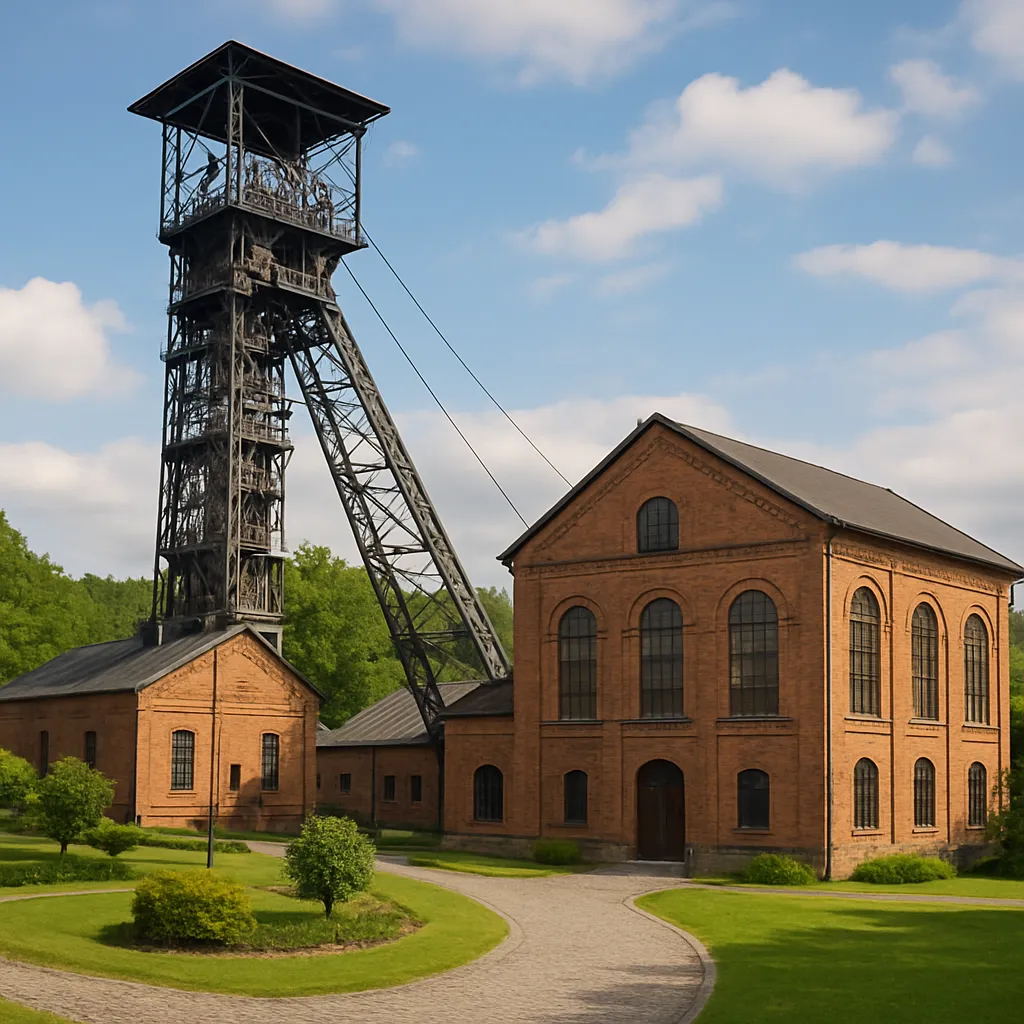
Coal extraction began on a modest scale, often in shallow pits close to the surface. Early communities recognized the value of a fuel that burned hotter and longer than wood. As demand increased, miners tunneled deeper, giving rise to specialized techniques such as room-and-pillar and longwall mining. By the time of the industrial revolution, coal had become the indispensable energy source for burgeoning factories, smelters, and foundries.
The geological formation of coal deposits spans millions of years, during which plant matter was buried, compressed, and transformed. Regions rich in carbonaceous seams—such as the Appalachian Basin in North America, the Ruhr Valley in Germany, and the Midlands in the United Kingdom—emerged as hubs of activity. These areas attracted labor, investment, and eventually complex transportation networks to ferry the precious resource to population centers and ports.
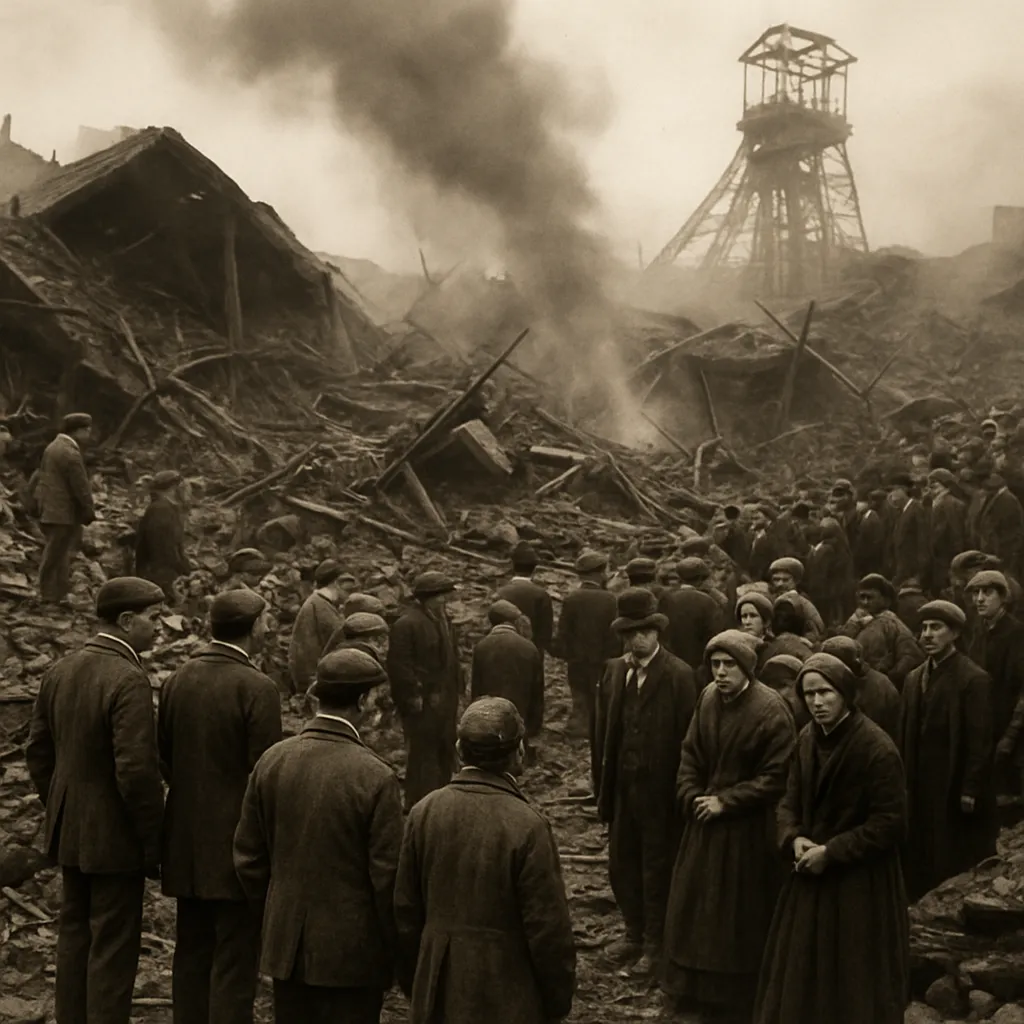
Technological innovations continually improved the efficiency of coal production. From steam-powered pumps that kept mines dry, to mechanized cutters and conveyor systems, each advancement drove down costs and increased output. Yet coal mining remained a perilous occupation, demanding rigorous safety measures and sparking early labor movements to secure better working conditions and fair wages.
Coal Stockpiles and Economic Perspectives
Managing coal reserves—both in the ground and in stockpiles—is crucial for ensuring a stable supply. Governments, utilities, and private companies maintain strategic reserves to cushion against market disruptions, extreme weather events, or geopolitical tensions. These inventories can be held at the mine mouth, at regional depots, or aboard specialized barges and storage vessels.
Key Drivers of Coal Inventory Management
- Seasonal demand fluctuations, notably in heating and power generation
- Price volatility in global markets
- Logistical constraints along rail and port facilities
- Regulatory requirements and environmental compliance
Investment in advanced monitoring systems, featuring remote sensors and AI-driven analytics, enables real-time tracking of stock levels and quality parameters. By predicting consumption trends, operators can optimize shipping schedules and reduce the risk of costly shortages. Moreover, prudent investment strategies in coal stocks can offer hedge opportunities, balancing exposure to alternative energy price swings.
Coal’s Role in Railways and Shipping
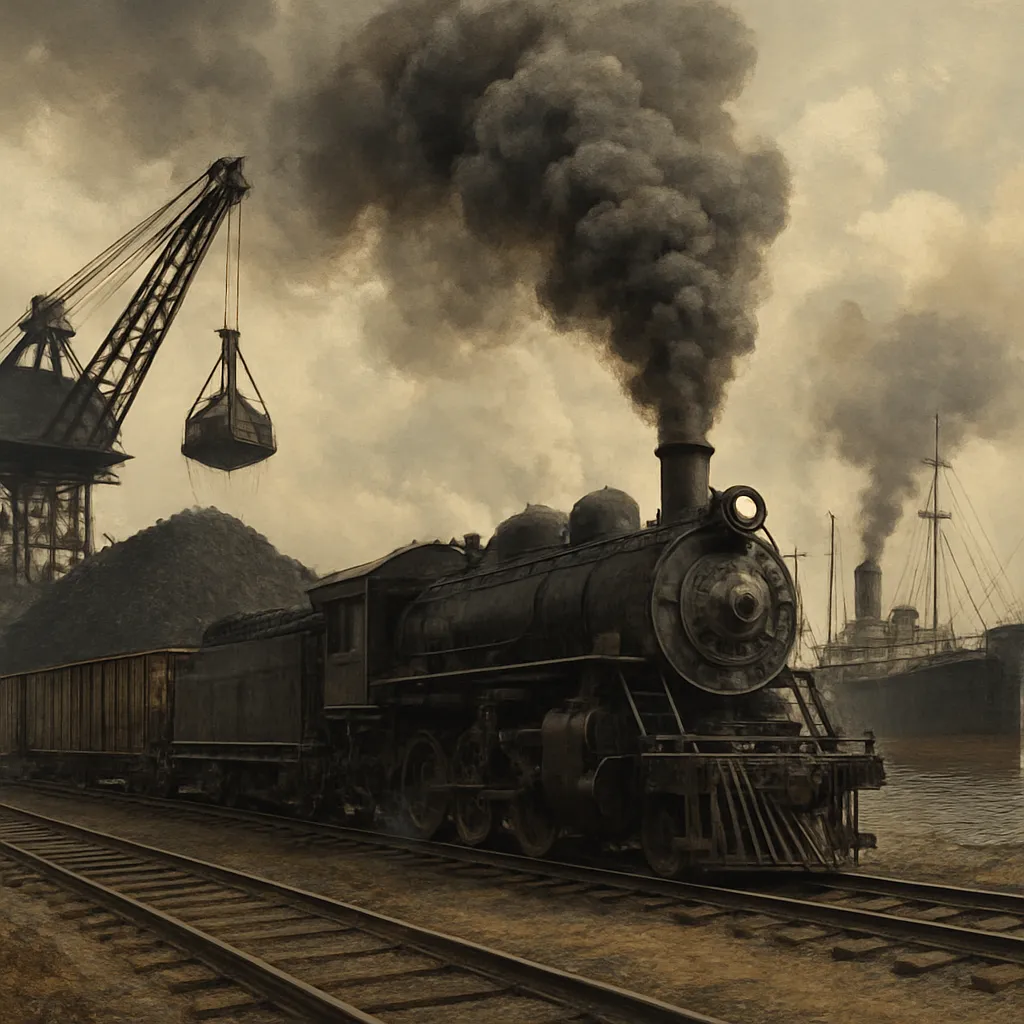
From the moment the first locomotive hissed along iron rails, steam engines revolutionized land transportation. These machines converted the heat from burning coal into motive power, hauling carriages and freight across vast distances at unprecedented speeds. The synergy between mining regions and newly laid railways accelerated industrial growth, enabling raw materials, finished goods, and people to move with greater efficiency.
Locomotives and Freight Operations
Early steam locomotives consumed large quantities of coal, requiring regular stops at coal depots strategically spaced along major lines. Stations evolved into bustling hubs with coaling towers, water refill stands, and maintenance yards. Freight trains delivered iron ore to steel mills, farm produce to urban markets, and coal itself to power stations—creating a feedback loop that reinforced the importance of robust rail infrastructure.
Coal and Maritime Transport
At sea, coal also fueled the rise of steamships. Vessels powered by paddle wheels and later by propellers plied global networks, carrying cargoes of textiles, grain, and manufactured goods between continents. Ports stocked cushion reserves to ensure smooth turnaround times and to guard against supply chain disruptions. Today’s bulk carriers trace their lineage to these pioneering colliers that first demonstrated the viability of large-scale coal transport over oceanic distances.
Environmental Impact and Future Challenges
While coal’s historical contributions are undeniable, its environmental footprint has prompted vigorous debate. Combustion releases emissions of carbon dioxide, sulfur dioxide, and particulate matter, leading to air quality concerns and climate change implications. Modern power plants employ scrubbers, filters, and carbon capture technologies in a bid to mitigate these effects, yet the transition toward cleaner energy sources continues to gain momentum.
Long-term sustainability demands a careful balance between honoring coal’s legacy and embracing innovation. Research into coal-to-liquids, gasification processes, and hybrid systems seeks to repurpose existing assets. Simultaneously, investment flows are shifting toward renewables, battery storage, and hydrogen. Companies with diversified portfolios can leverage their coal expertise while pursuing greener pathways.
Strategic Considerations for Coal Stakeholders
- Upgrading existing facilities to reduce sulfur and particulate emissions
- Exploring carbon capture and sequestration partnerships
- Integrating renewable generation to complement coal baseload power
- Engaging with policymakers to shape pragmatic environmental regulations
Ultimately, the future of coal lies in adaptation. Through technological improvements and responsible management, this resource can continue to serve as a transitional fuel, supporting energy security while new sustainability paradigms emerge. The paths that lie ahead will determine whether coal remains a historical relic or evolves into a component of a balanced energy mosaic.