The story of coal is inseparable from the development of the steam era. As a dense, reliable source of fuel, coal fueled the rise of mighty engines, reshaped economies, and attracted investors who traded shares in mining ventures. The concept of Coal stock evolved alongside the very machinery it powered, making coal both a physical and financial backbone of the period.
The Rise of Coal in the Age of Steam
When James Watt perfected his steam engines in the late 18th century, he unlocked a new potential for mining, transportation, and manufacturing. Steam power demanded vast quantities of coal with high calorific value, and soon riversides and valleys across Britain and continental Europe sprouted pumping engines and winding gear. Miners dug deeper shafts to extract ever-richer seams, boosting output and driving down prices. The cheap, abundant fuel turned factories into powerhouses and railways into arteries of progress.
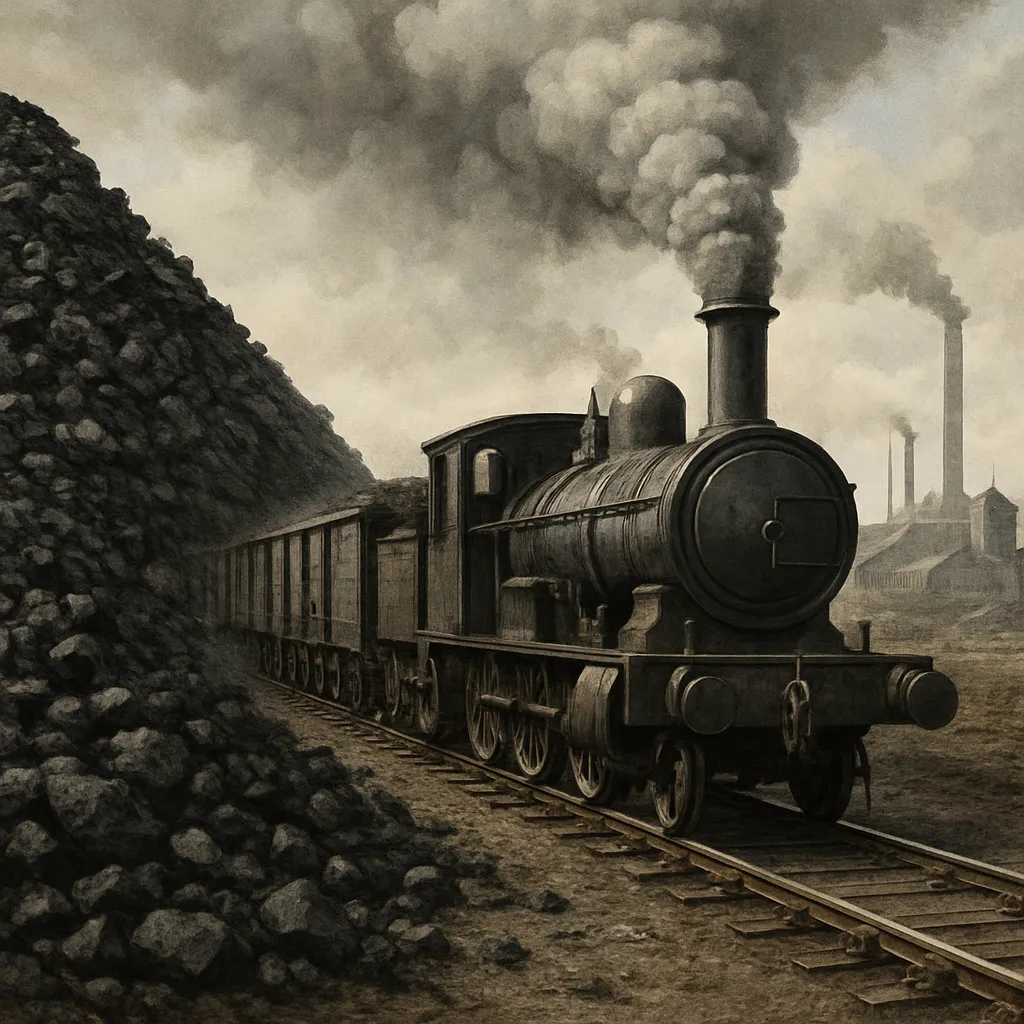
Locomotives, steamships, and textile mills all depended on a steady supply of locomotives–grade coal. Water was boiled at tremendous pressure, turning pistons and spinning flywheels. Canal transport, once dominant, gave way to iron rails laid over rolling countryside. Each mile of track symbolized new markets and the capacity to move raw materials and finished goods at unprecedented speeds. The rise of coal thus became synonymous with the industrial revolution itself.
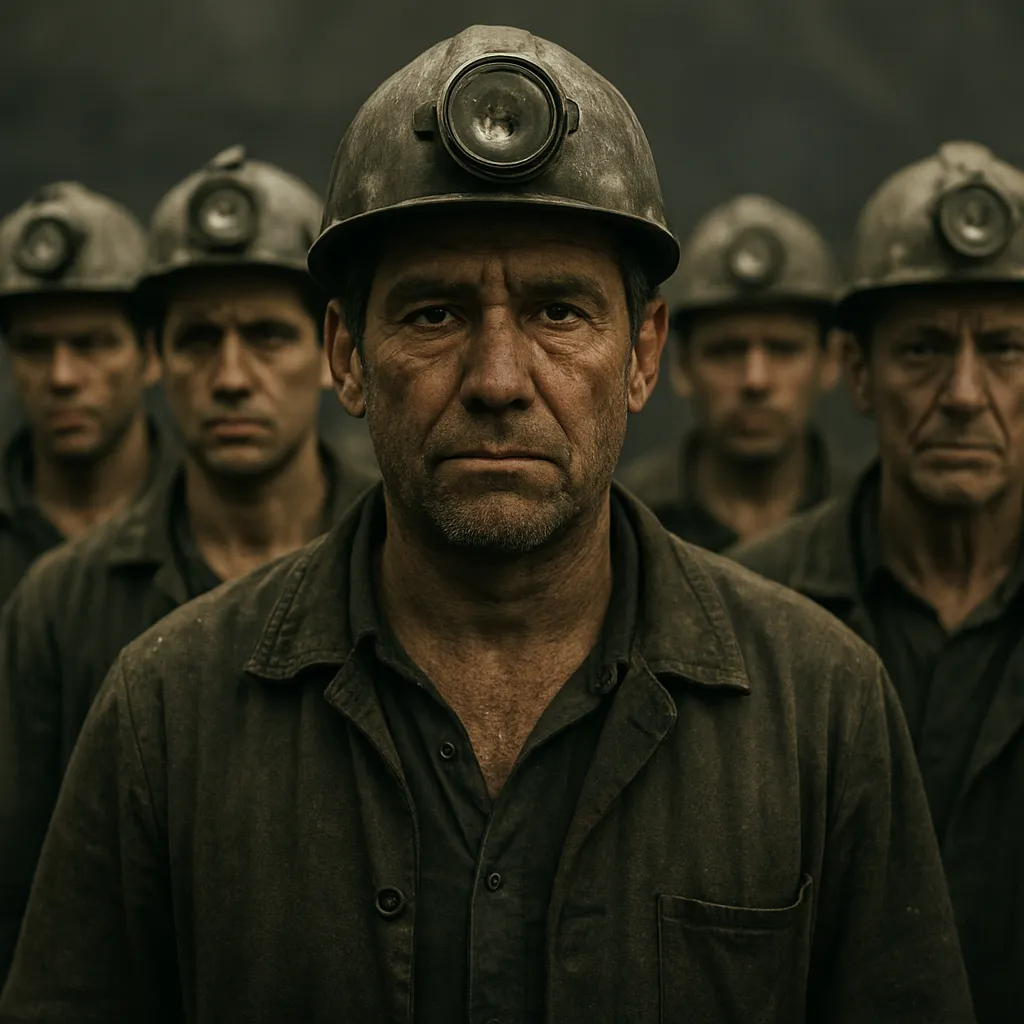
By mid-19th century, coal output in Britain exceeded 100 million tons per year. Mining towns swelled into industrial cities, staffed by thousands who descended into labyrinthine tunnels. Safety lamps and improved ventilation helped reduce disasters, but fatalities remained high. Still, the promise of wages and a reliable energy supply meant the economy thrived. The Age of Steam was, in every sense, powered by coal.
Coal Stock: From Industrial Fuel to Investment Asset
The success of steam technology spurred the financialization of coal resources. Prospectors and entrepreneurs established joint-stock companies to finance mines and transport links. Shares in these enterprises, known broadly as Coal stock, traded on exchanges alongside rail and shipping firms. Speculators tracked seam thickness, mine accessibility, and shipping costs to gauge profitability. Dividends reflected both commodity prices and the cost of extraction.
Investors in Coal stock had to weigh multiple factors:
- Geological surveys and seam quality
- Access to canals, railways, or ports
- Labor availability and union activity
- Technological improvements in mining equipment
- Fluctuations in global energy security and demand
Bankers and speculators often bundled coal shares into broader industrial portfolios. Some financiers launched holding companies that controlled both mines and distribution networks. This vertical integration maximized profits but also exposed investors to price swings. A bad winter or a spike in shipping costs could erode margins quickly, reminding stakeholders that commodity markets were as volatile as the furnaces they fueled.
Environmental Impact and Technological Innovations
By the early 20th century, the environmental toll of coal was evident. Thick smog blanketed industrial towns, and rivers darkened with mine runoff. Policymakers began to record the effects of carbon emissions on health and agriculture. Yet the same period saw advances in cleaner combustion and flue-gas treatment. Scrubbers and cyclonic separators removed particulates, while new boiler designs extracted more heat per ton of coal.
Innovation did not stop at pollution control. Engineers experimented with coal gasification and liquefaction to produce synthetic fuels. These processes converted solid coal into cleaner-burning gases or fuels suitable for internal combustion engines. At the same time, research into electrification promised alternatives. Hydroelectric dams, windmills, and early solar collectors hinted at a future less reliant on carbon-intensive fuels.
Despite these breakthroughs, coal remained dominant for decades. Only in recent years has the push for renewable energy and stricter emissions targets begun to curb coal’s share of global power generation. Still, the legacy of coal as the catalyst for industrial growth and the mother lode of modern finance endures, reminding us that each resource holds both promise and peril in equal measure.