The Paringin mining area, located on the island of Kalimantan in Indonesia, represents one of the many coal-producing sites that have shaped the economic and social landscape of South Kalimantan and the broader Indonesian archipelago. This article provides a comprehensive overview of the Paringin mine: its location and geological setting, the type and quality of coal produced, the methods of extraction and logistics, economic and statistical context, and the environmental and social dimensions associated with mining activity. Where precise public data for Paringin itself are limited, contextual national and regional statistics are used to give readers a realistic sense of scale and importance.
Location and geological setting
Paringin is the administrative center of Balangan Regency in the province of South Kalimantan. The area lies in the southern part of Borneo (Kalimantan) and is part of a broader coal-bearing region that stretches across much of southeastern Kalimantan. Geologically, coal in this region is commonly associated with Tertiary sedimentary basins, including fluvial and deltaic deposits deposited in ancient river systems. These basins host seams that range from shallow to moderately deep and are commonly amenable to surface mining methods.
Geological characteristics
- Coal-bearing formations are typically associated with ancient peat and swamp environments transformed by burial and diagenesis into coal seams.
- The regional stratigraphy in the Paringin area reflects sequences of sandstones, siltstones, clays, and interbedded coal seams, characteristic of deltaic and fluvial depositional environments.
- Coal seams in southern Kalimantan vary in thickness; many workable seams range from less than a meter to several meters thick, allowing for economical extraction by conventional surface mining.
Coal type and mining operations
Coal from the Paringin region is predominantly used for thermal applications, meaning it is burned for electricity generation or industrial heat. The rank of coal in South Kalimantan and surrounding basins is commonly low- to medium-rank, typically categorized as sub-bituminous to low-volatile bituminous in different locations. Key fuel characteristics often include relatively moderate calorific values, variable moisture contents, and generally low sulfur levels compared with some other global deposits.
Typical coal quality parameters
- Calorific value (gross as-received): commonly in the range of approximately 4,000–6,500 kcal/kg (17–27 MJ/kg), depending on seam and washing/processing.
- Ash content: variable; Indonesian coals can range from low-ash (under 10%) to higher-ash (over 20%) depending on geology and beneficiation.
- Moisture: relatively high in many tropical coal deposits, which can affect shipment economics and handling.
- Sulfur: often low to moderate, a positive attribute for environmental compliance in thermal power plants.
Mining methods and operations
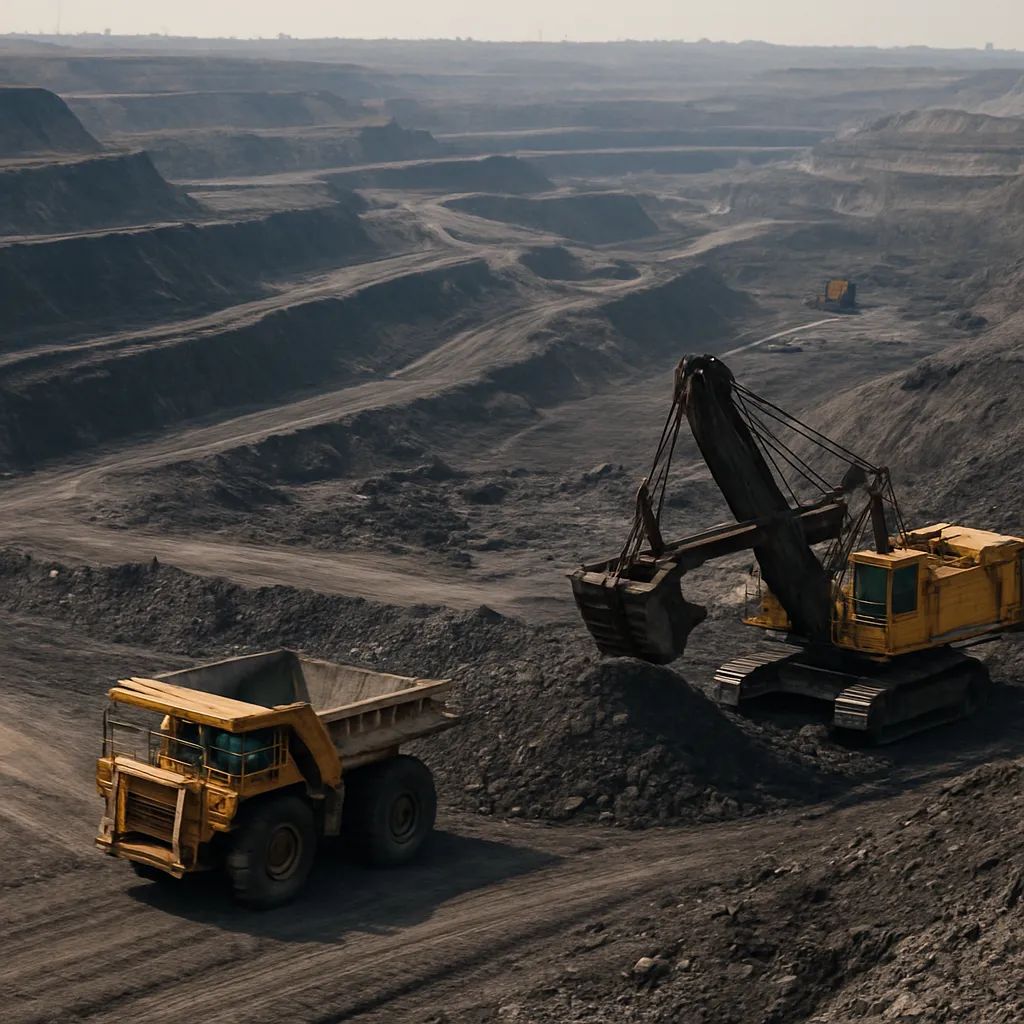
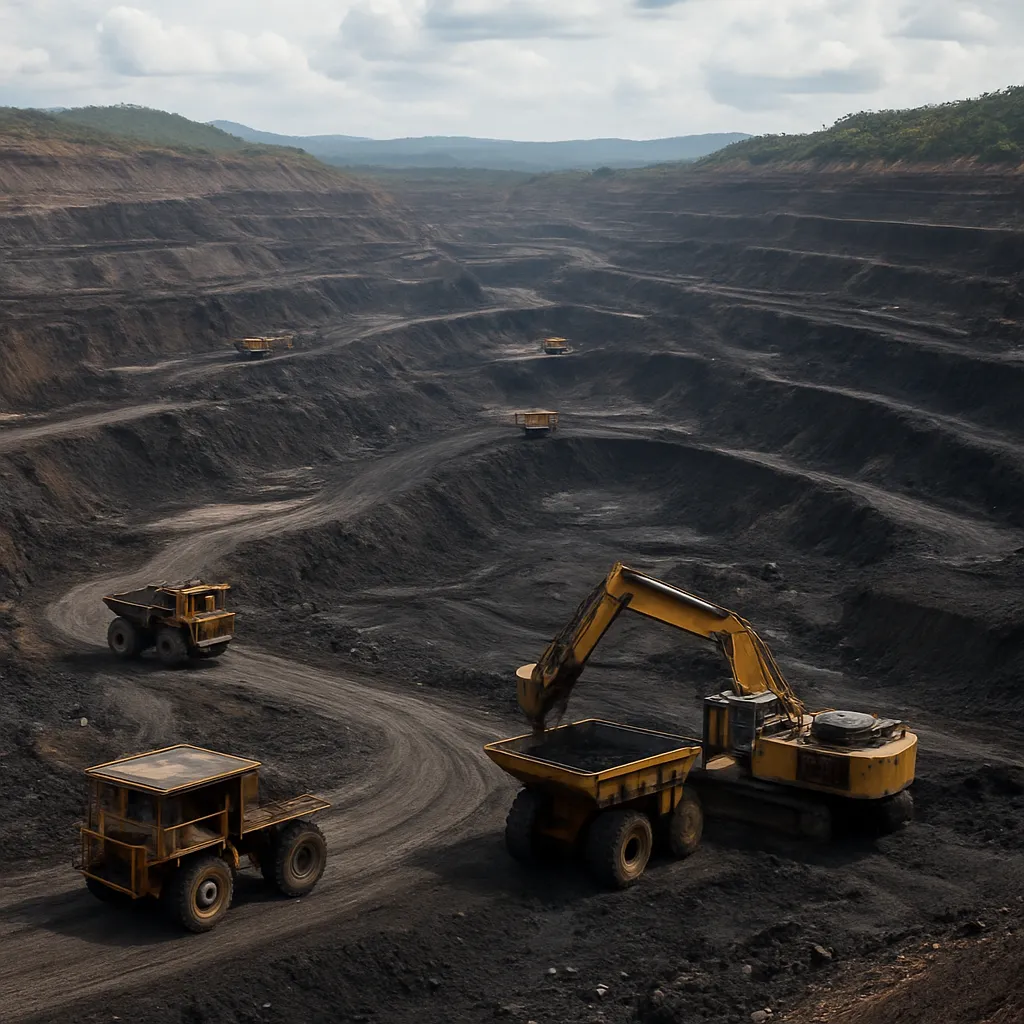
In Paringin and other Kalimantan coal provinces, the predominant extraction method is open-pit or surface mining. Typical operations include:
- Removal of overburden using excavators and dump trucks.
- Drilling and blasting where hard bands are encountered.
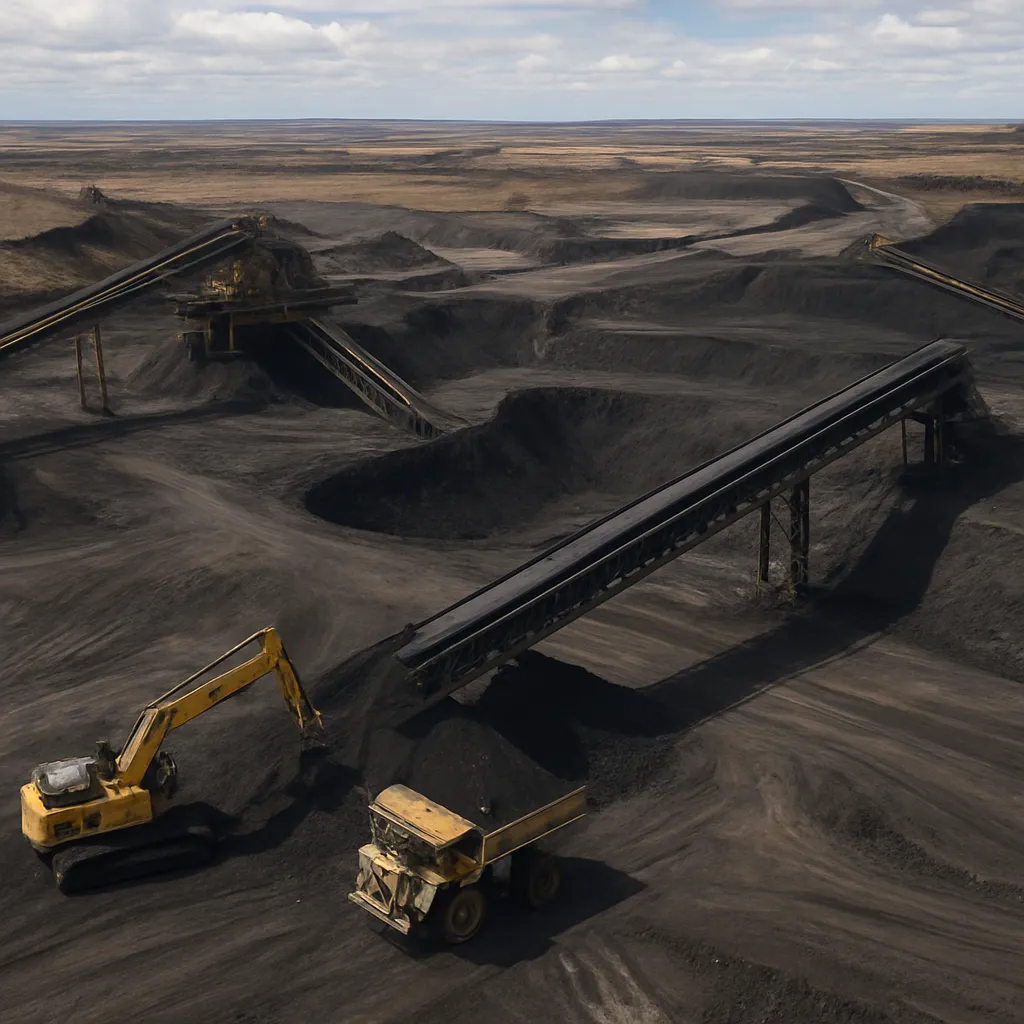
- Primary loading and transportation to washing plants or directly to stockpiles for shipment.
- Coal washing and beneficiation are applied where necessary to improve calorific value and reduce ash content before sale.
Operations are usually carried out by a combination of national mining companies, regional contractors, and smaller operators. Mechanization levels vary by operator; larger companies tend to deploy modern fleets and integrated processing while smaller sites may use more basic equipment.
Economic and industrial significance
Coal mining in and around Paringin contributes to local and regional economies in several key ways. Mining provides direct employment in extraction, processing, and logistics, and supports a wide array of secondary businesses including equipment supply, maintenance, transport, and services. The industry also generates government revenues through royalties, taxes, and land lease payments, contributing to budgets at regency, provincial, and national levels.
Regional economic impacts
- Employment: mining operations employ local labor and attract skilled workers from other parts of Indonesia; indirect job creation in services and logistics is significant.
- Infrastructure development: mining has catalyzed improvements to roads, bridges, ports, and river transport facilities in coal-producing areas.
- Local procurement: goods and service contracts with local businesses can boost the regional economy, though procurement policies vary by operator.
National and export role
Indonesia is one of the world’s major coal producers and exporters, and coal-producing regions on Kalimantan — including Paringin’s wider area — play a role in that national output. Coal from South Kalimantan is supplied to the domestic power sector as well as exported to markets across Asia. Major export destinations historically include China, India, Japan, South Korea and other Southeast Asian buyers. Export revenues from coal have been an important component of Indonesia’s external trade balance.
Statistics and market context
Detailed, operator-level statistics for individual mines such as Paringin may not always be publicly disclosed in real time. However, broader statistical context helps frame the significance of sites like Paringin:
- Indonesia’s coal industry has historically produced and exported hundreds of millions of tonnes annually, making it one of the world’s leading suppliers; production volumes are influenced by domestic demand, global market prices, and regulatory policies.
- Regional production in South Kalimantan accounts for a substantial share of Indonesian coal output, with numerous medium- and large-scale mining concessions operating across the province.
- Domestic market obligations (DMO) and long-term offtake agreements with state-owned power producers can influence how much coal is retained for local power generation versus exported.
Given variability in annual production and commodity prices, stakeholders follow trends in global thermal-coal demand, shipping logistics (including freight rates), and Indonesian regulatory changes (taxes, royalties, DMO rules) to assess mine economics.
Infrastructure, logistics and markets
Transport and logistics are critical to the viability of mines such as Paringin. Because Kalimantan is traversed by navigable rivers and has coastal ports, a mix of land and river transport is commonly used to move coal from mine site to shipment points.
Typical logistics chain
- Haulage by heavy truck from the pit to local stockyards or washing facilities.
- Barge or river transport on waterways such as the Barito River for movement to larger transshipment points or coastal jetties.
- Loading at river terminals or coastal ports for export vessels or coastal shipping to domestic power plants.
The availability and condition of roads, barges, and port facilities directly affect operating costs. Seasonal weather and river water levels can also influence shipping schedules and tonnage throughput.
Environmental and social considerations
Mining in tropical regions such as southern Kalimantan raises a range of environmental and social issues that companies and regulators must address. These include land use change, water quality, biodiversity, community impacts, and mine rehabilitation obligations.
Environmental impacts
- Land disturbance and habitat loss from open-pit mining can affect local biodiversity and wildlife corridors. Kalimantan hosts unique tropical ecosystems and species that can be sensitive to disturbance.
- Water quality and sedimentation: runoff and disturbed soils can increase sediment loads in rivers, affecting fisheries and downstream water users.
- Peat and fire risks: parts of southern Kalimantan include peatlands; mining and associated land clearance, if not managed carefully, can increase peat oxidation and fire risk, leading to significant air quality problems.
- Dust and noise: mining, haul roads, and port operations generate dust and noise that impact nearby communities.
Social and community impacts
- Employment and income: mining provides jobs and local spending but may also lead to uneven benefit distribution if procurement and hiring practices favor outsiders.
- Land tenure and resettlement: mining projects frequently require negotiation or compensation for land use; disputes can arise if community expectations are unmet.
- Health and safety: local communities can be affected by increased traffic, pollution, and occupational safety incidents if not properly managed.
Mitigation and rehabilitation
Modern mining regulation and corporate policies typically require environmental impact assessments (EIAs), progressive rehabilitation, and post-mining land use planning. Reclamation programs can include regrading, topsoil replacement, reforestation with native species, and the creation of alternative livelihoods (e.g., aquaculture, agroforestry) for former mine sites. Successful rehabilitation requires long-term commitment and monitoring.
Regulatory and fiscal framework
Mining in Indonesia operates under a framework of national laws and provincial/regency regulations. Key fiscal and regulatory aspects that affect operations like Paringin include:
- Licensing and permitting: concession licenses, environmental approvals, and operational permits are required before production can commence.
- Royalties and taxes: central and local governments collect royalties, corporate taxes, and other levies which affect project profitability and public revenues.
- Domestic market obligations: policies may require a portion of production to be supplied to the domestic market, particularly to state-owned electricity producers.
- Rehabilitation bonds and closure plans: companies are generally required to post financial assurances and prepare mine-closure plans ensuring funds for reclamation.
Challenges and future outlook
The future of mining in Paringin depends on multiple interrelated factors:
- Market demand: global demand for thermal coal — driven largely by power generation in Asia — remains the most important determinant of export volumes and pricing.
- Regulations and environmental policy: increasing pressure to reduce greenhouse gas emissions and accelerate renewable energy deployment may temper long-term demand for thermal coal, though many countries still rely on coal for baseload power in the medium term.
- Operational efficiency: improving mining efficiency, reducing transport costs, and adding value through coal washing and blending can help maintain competitiveness.
- Social license to operate: companies that proactively engage communities, invest in local development and implement strong environmental practices are more likely to maintain stable operations.
Interesting facts and broader context
Beyond raw production figures, mines like Paringin illustrate several broader themes:
- Economic transformation: coal extraction has been a driver of regional development in Kalimantan, funding infrastructure and public services in resource-rich but previously remote areas.
- Connectivity to global markets: even relatively small regional mines are part of a global supply chain linking local extraction sites in Kalimantan to power plants and industries across Asia.
- Transition pressures: as the world shifts towards decarbonization, coal-producing regions face the dual challenge of managing current economic dependencies while preparing for eventual diversification.
Concluding observations
Paringin’s coal-mining activity is representative of many mining locales in South Kalimantan: it produces primarily thermal coal of sub-bituminous to low-bituminous rank, mined largely by open-pit methods and shipped via a combination of road and river infrastructure to domestic and export markets. The mine contributes to regional employment, infrastructure development and government revenues, but also brings environmental and social challenges that require careful mitigation. Although specific site-level production and reserve data may not always be published publicly, the strategic role of Paringin and similar mines in Indonesia’s coal sector remains significant within the national economy and the Asian energy market.