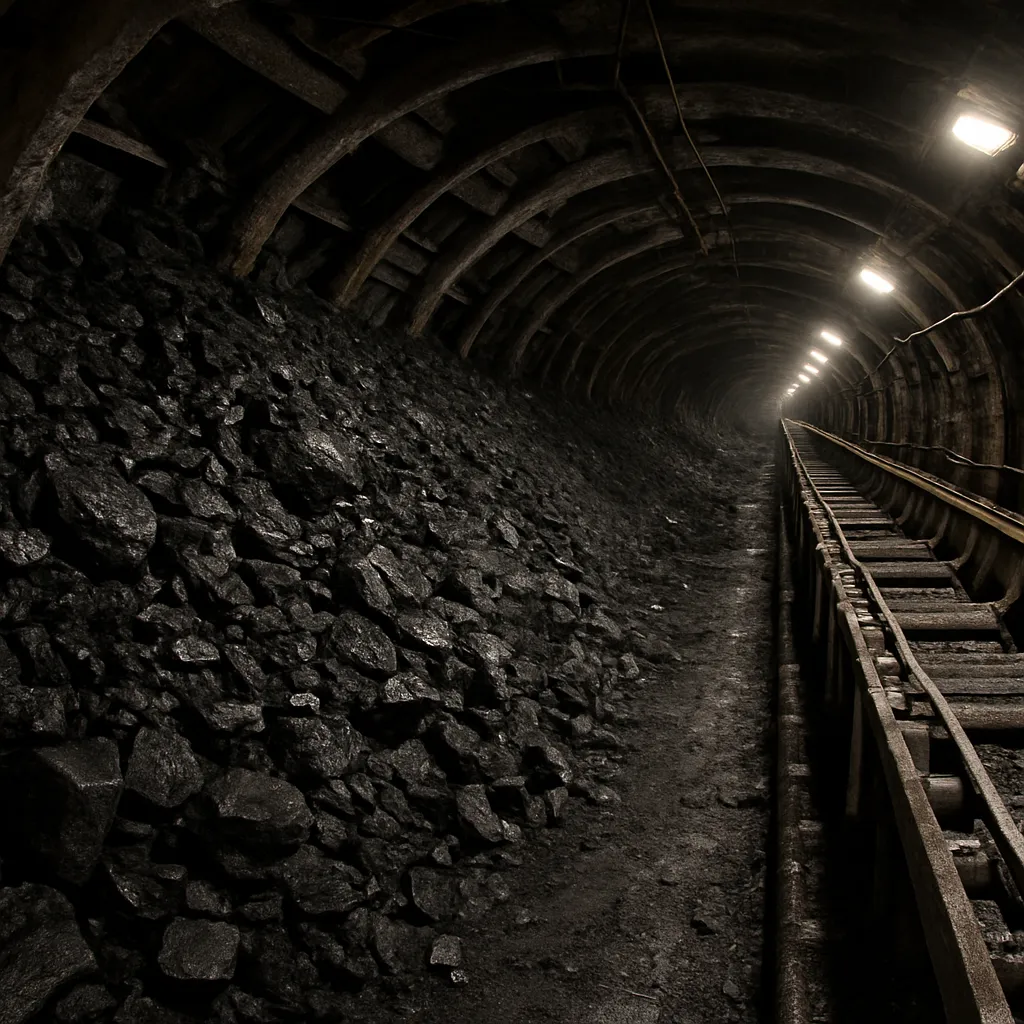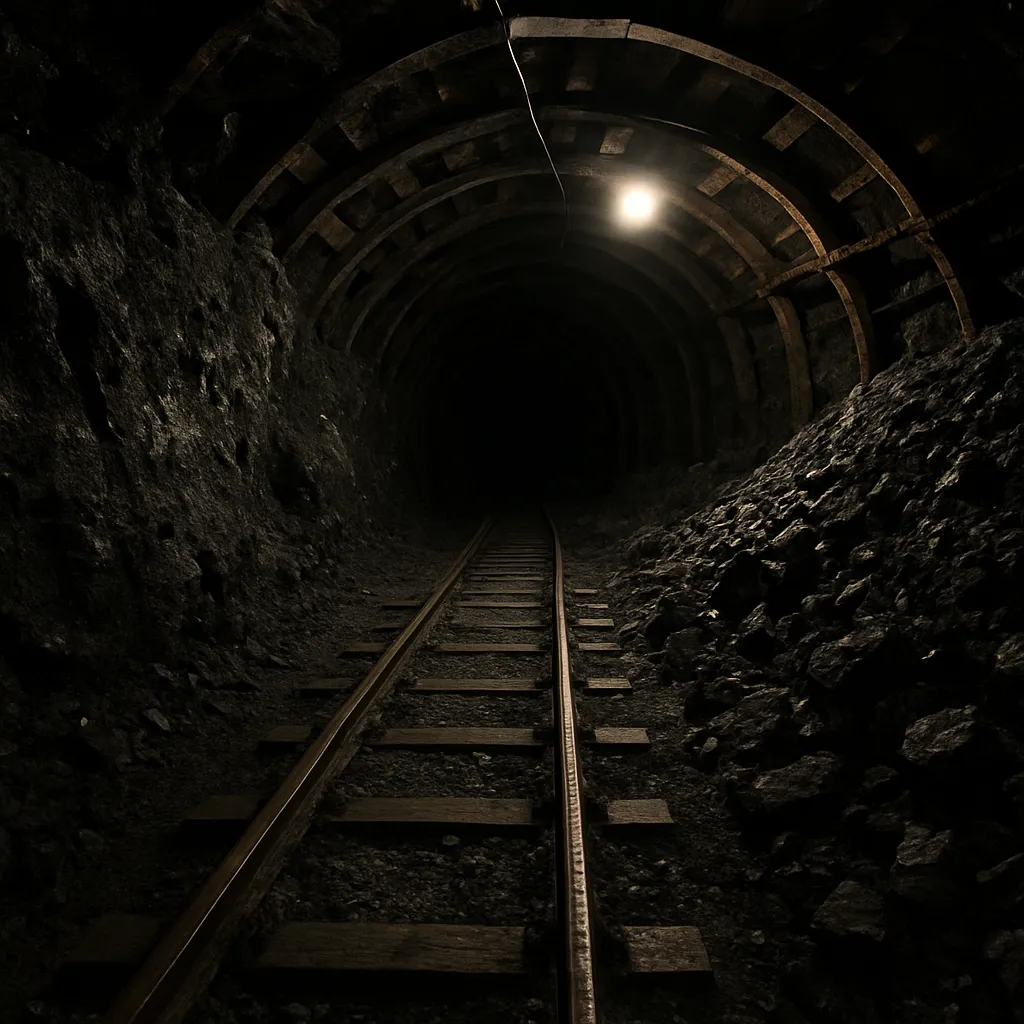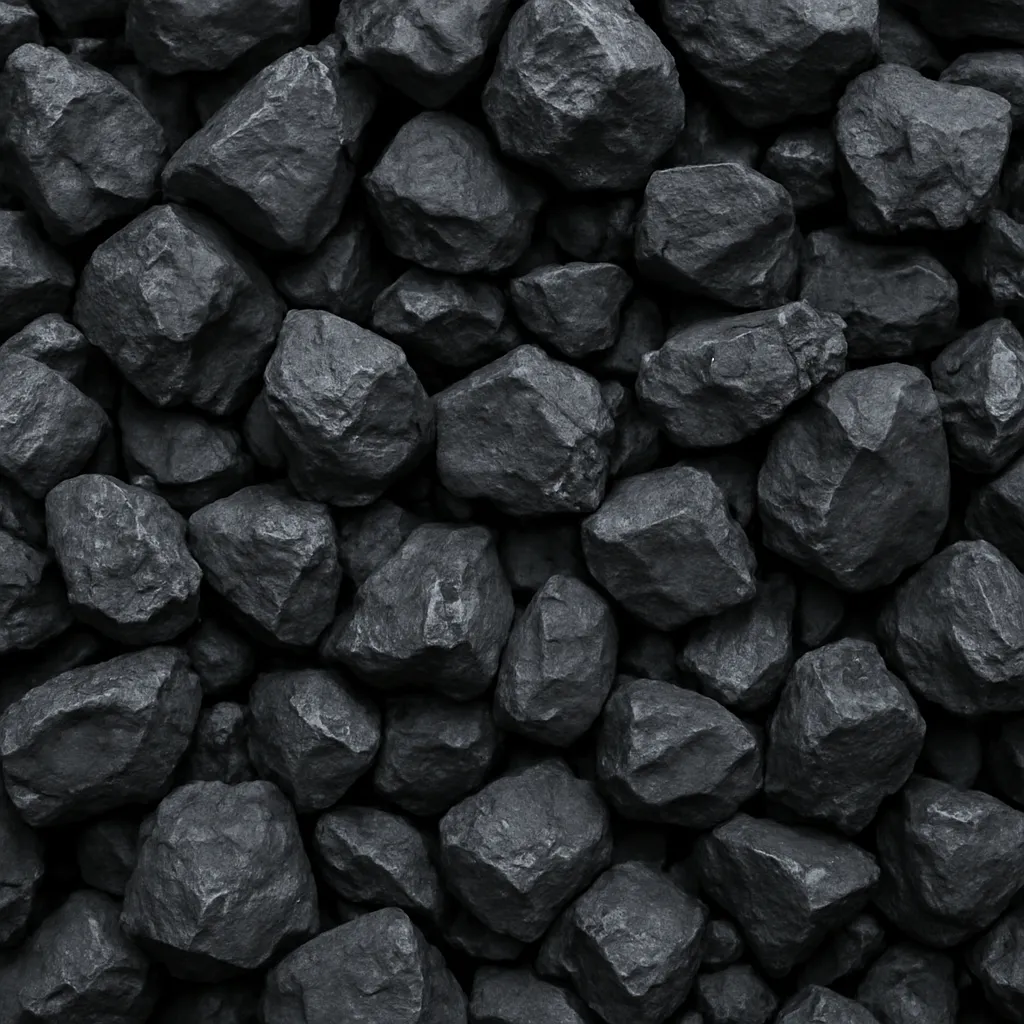
Premium washed coal occupies a distinctive niche in the global coal market: it is coal that has been mechanically processed to remove impurities and lower ash and sulfur content, producing a more uniform and higher-performing fuel or coking feedstock. This article explores where this coal is found and mined, the economic and statistical context that shapes its trade, its role in industry, environmental and technical considerations, and other noteworthy aspects that make premium washed coal a strategic commodity for power generation and heavy industry worldwide.
Occurrence and Major Producing Regions
Coal itself is a sedimentary rock formed from ancient biomass compressed over millions of years. The differentiation between raw coal and what becomes known as washed coal stems from post-extraction processing rather than a distinct geological occurrence. Coal seams suitable for washing are widespread: the same basins that produce large volumes of coal also supply material for beneficiation. Key regions and basins associated with production of higher-quality, often washed, coal include:
- Australia: Bowen Basin and Hunter Valley (Queensland and New South Wales) — major sources of high-quality thermal and metallurgical coals often prepared for export markets.
- Indonesia: Kalimantan and Sumatra — large volumes of thermal coal; many exporters wash coal to meet seaborne specifications.
- China: Shanxi, Inner Mongolia and other basins — the largest producer of coal globally; domestic washing and preparation are common in industrial areas to meet power plant specifications.
- Russia: Kuzbass (Kemerovo), Far East and other basins — significant producers of both thermal and coking coals, with washed products for domestic industry and export.
- United States: Appalachian Basin (metallurgical coal), Powder River Basin (low-rank thermal coal) — major supplies for domestic use and export; washing is routine for coking and some thermal shipments.
- Colombia, South Africa, Poland, and India — important sources for specific markets, where washed coal is prepared to satisfy regional and international requirements.
Coal preparation plants (coal wash plants) are typically located close to mines or integrated into large mining complexes. Whether a coal seam’s product is washed depends on the market, intended end-use (power plants, steelmaking, domestic heating), and economics of processing.
What Makes Coal “Premium Washed”?
The term “premium washed coal” generally refers to coal that, after beneficiation, meets higher thresholds for calorific value and lower thresholds for ash, moisture, sulfur, and other deleterious elements. The goal of washing is to improve fuel performance and reduce pollutants. Typical indicators of premium washed coal quality include:
- Higher calorific value (energy content per unit mass), which raises thermal efficiency for power plants and shipping value per tonne.
- Lower ash content, improving combustion behaviour and reducing slagging and fouling in boilers and furnaces.
- Reduced sulfur and other trace elements (e.g., phosphorus, mercury) that can harm equipment performance and increase emissions.
- More uniform particle size and fewer contaminants such as rock and shale, easing downstream handling and feeding systems.
For metallurgical applications, premium washed coking coal must also meet properties that affect coking behaviour: volatile matter, caking properties, and low inorganic content. For thermal uses, the emphasis is on maximizing energy delivery while minimizing ash and emissions.
Mining, Processing and Logistics
Mining and Preparation
Coal is mined by surface (open-pit) and underground methods. Both produce material that can be beneficiated. Typical processing steps in a coal preparation plant include crushing, screening, dense media separation, jigs, spirals, flotation, and dewatering. Washing can remove significant proportions of mineral matter, but this comes at a cost of yield reduction: higher-ash raw coal may lose 10–30% of its mass in the washing process while gaining a higher calorific value per tonne.
Transport and Export Chains
Premium washed coal is often destined for export markets where buyers demand consistent specifications. Logistics chains commonly involve:
- Rail or trucking from mine to port or domestic customer.
- Stockpiling to blend different product streams to meet contract specifications.
- Bulk shipping (capesize, panamax, handymax) for long-distance seaborne trade.
Countries with advanced port and rail infrastructure (Australia, United States, Russia, Colombia, Indonesia) can deliver washed coal more competitively on global markets.
Economic and Market Context
Coal remains a major global commodity despite structural declines in some markets. Recent years have seen volatile pricing driven by demand shifts (notably China and India), supply disruptions, geopolitical pressures, and competition from alternative fuels.
Global Production and Trade
Global coal production in recent years has been on the order of roughly 8 billion tonnes annually (all types combined). Production is heavily concentrated: China accounts for close to half of global output, while other large producers include India, the United States, Australia, Indonesia, and Russia. Seaborne trade is dominated by a smaller set of exporters:
- Indonesia — a leading seaborne thermal coal supplier.
- Australia — major exporter of both metallurgical and thermal coal.
- Russia — significant exporter of coking and thermal coal to Europe and Asia.
- Colombia — important supplier to the Americas and Europe.
Within trade flows, washed coal typically commands a price premium over unwashed or higher-ash alternatives because of better performance, lower emissions compliance costs, and reduced handling problems. The exact premium varies with product type (thermal vs. coking), market tightness, and quality differentials.
Pricing, Contracts and Financial Considerations
Key economic factors affecting premium washed coal include:
- Capital and operating costs of coal preparation plants (CAPEX and OPEX).
- Yield losses during washing that reduce saleable tonnes.
- Market premiums for lower-ash, lower-sulfur freight-ready products.
- Currency exchange rates and freight costs for seaborne shipments.
Fiscally, investment in washing capacity is justified where premium pricing or regulatory limits on emissions add value. Long-term offtake contracts with power utilities or steelmakers often underpin the economics of wash plants.
Statistical Indicators and Trends
While precise, up-to-date figures for the washed-coal segment are not centralized in a single public data set, several measurable trends characterize the market:
- In many export-oriented regions, a majority of coal shipped to stringent markets (Japan, South Korea, EU) is washed and blended to meet specifications — in some cases exceeding 60–80% of export volumes.
- Seaborne thermal coal trade totals several hundred million tonnes per year; Indonesia and Australia together account for a large share of that market.
- Metallurgical coal markets are smaller in volume but higher in value; premium washed coking coal represents a small fraction of global tonnage but contributes disproportionately to revenue and trade value because of higher prices and strategic importance for steel production.
Market volatility has been significant: supply shocks or spikes in steel demand can quickly drive premiums for washed coking coal, and tightened emissions rules in importing countries can increase demand for washed thermal coal to meet environmental thresholds.
Importance in Industry: Power and Steelmaking
Power Generation
For power generation, washed coal improves plant efficiency and reduces maintenance and emissions:
- Lower ash means less residual slag and fewer outages for cleaning.
- Reduced sulfur leads to lower SOx emissions and reduces the required investment in flue gas desulfurization equipment or operating costs for sorbents.
- More consistent fuel improves boiler control and reduces unplanned downtime.
Utilities purchasing seaborne coal often specify washed products to ensure stable burn characteristics in large thermal units, particularly in regions with strict emissions standards.
Steel and Metallurgical Uses
In steelmaking, certain coals must meet stringent specifications to produce coke in ovens. Premium washed coking coal:
- Produces a stronger coke with fewer impurities, enhancing blast furnace performance.
- Helps control furnace chemistry and reduces refractory damage.
- Is an input into high-quality steel grades where contaminant elements can produce defects.
High-end coking coal, when beneficiated to remove deleterious minerals, often trades at substantial premiums over common thermal grades. For integrated steel producers, securing reliable supplies of premium washed coking coal is a strategic imperative.
Environmental and Social Considerations
Coal washing improves combustion characteristics and reduces certain stack emissions, which can be a net environmental benefit at the point of combustion. However, beneficiation introduces other environmental and social issues that must be managed:
- Water use: washing requires substantial water volumes, and in arid regions this can become a limiting factor.
- Slurry and tailings: mineral matter removed during washing is discharged as slurry or settled tailings, requiring safe containment and long-term management to avoid seepage, dam failure or pollution of waterways.
- Energy consumption: processing plants consume energy and produce greenhouse gas emissions, partially offsetting downstream combustion benefits.
- Community impacts: mine expansion and washplant operations affect local communities via land use, noise, and potential contamination risks.
Regulations and best practices increasingly require enclosed systems, recycling of wash water, lined tailings storage facilities, and progressive rehabilitation of disturbed lands. Newer technologies aim to reduce water intensity and recover additional value from mineral rejects.
Technological Advances and Innovations
Coal preparation technology has evolved to improve separation efficiency, reduce water consumption, and enable recovery of fine coal. Notable directions include:
- Improved dense-medium separation and automated control systems that optimize cut points for desired product quality and maximize yield.
- Fine coal recovery techniques (column flotation, centrifuges) that reduce losses and improve overall plant economics.
- Dry beneficiation technologies that avoid water use entirely for specific feedstocks.
- Digital monitoring and predictive maintenance to increase uptime and reduce operational costs.
Such advances can make washing economically viable for lower-grade seams and reduce environmental footprint, widening the pool of coal that can be marketed as a premium washed product.
Risks, Market Drivers and Future Outlook
The future for premium washed coal will be shaped by a mix of economic, technological and policy drivers:
- Policy and regulation: tighter emissions standards and carbon pricing in many jurisdictions favor low-ash, low-sulfur fuels, which supports demand for washed coal in affected markets.
- Steel industry trends: as some steelmakers explore direct reduced iron (DRI) and electric arc furnaces (EAF) that rely less on coke, the demand mix for coking coal may change — though global steel production is likely to continue supporting a substantial coking coal market for years.
- Energy transition dynamics: growth in renewables and natural gas in power systems could reduce thermal coal demand in some regions, but in many emerging economies coal remains a growth fuel; washed coal can offer a transitional improvement in emissions intensity.
- Supply chain resilience: geopolitical factors and trade disruptions can create spikes in premiums for high-quality washed coals as buyers seek reliable, specification-compliant supplies.
Overall, premium washed coal is likely to remain important in niches where its technical benefits justify the extra processing cost: industrial users who need consistent, low-impurity fuels, and export markets that demand high specifications.
Other Interesting Facts and Practical Considerations
- Blending: Producers frequently blend several coal streams after washing to achieve target specifications for calorific value and ash — this is a common commercial approach to offer flexible grades.
- Yield vs quality trade-off: washing can improve quality but reduces tonnage. Operators must balance the price premium achieved against the loss in saleable mass.
- Credit for reduced emissions: In regulated markets, buyers of washed coal may gain compliance credits or avoid penalties for lower emissions, effectively increasing the coal’s market value.
- Stockpile management: Cleaner coal is less prone to spontaneous combustion and easier to manage in portside stockyards, lowering insurance and handling costs.
- Tailings valorization: Research into recovering rare earth elements or other minerals from coal rejects is ongoing, which could add secondary revenue streams to washing operations in the future.
Concluding Remarks
Premium washed coal represents an engineered improvement on raw coal to meet specific requirements of quality-conscious consumers in power generation and heavy industry. Its value derives from higher energy content, lower impurities, and predictable behaviour in combustion and metallurgical processes. While global energy transitions and environmental concerns influence demand patterns, washed coal continues to be strategically important in markets where reliability and specification compliance matter. Economic viability is a function of yield, processing costs, market premiums, regulatory contexts, and logistics — a combination that will determine where and how washed coal remains part of the global energy and industrial mix.
premium washed coal energy metallurgy exports quality environment emissions tailings