The following article provides a comprehensive overview of the Mucanha North mining site in Mozambique, placing it in the broader context of the Tete province coal basin and the national coal industry. It covers location and geology, the nature and quality of mined material, economic and infrastructural connections, environmental and social considerations, available statistical information, and future prospects. Where specific, verifiable figures are not publicly available, qualified estimates and context from the regional industry are given. The goal is to present a balanced, informative account useful for industry observers, researchers, and interested readers.
Location, regional setting and historical context
The Mucanha North site is located in northern-central Mozambique, within the broader coal-bearing region of Mozambique‘s Tete province. The Tete region hosts the well-known Moatize coalfield and numerous satellite deposits and exploration licences. Mucanha North is one of several smaller deposits and work sites associated with this coal-rich basin.
Geologically, the area is part of the Karoo-aged sedimentary sequences of the Zambezi Basin, which contain multiple coal seams of varying thickness and quality. Historically, the Tete basin drew major international investment in the 2000s and 2010s, with large-scale projects such as Vale’s Moatize mine attracting infrastructure development (rail corridors, export terminals) and associated exploration activity. Mucanha North sits within this context as a local resource that can benefit from regional infrastructure while also facing competition and consolidation pressures from larger operations.
Geology and coal characteristics
The coal seams in the Tete region, including those encountered at Mucanha North, typically range from low- to medium-rank. Depending on specific seam depth and maturation, the resource can be characterized as sub-bituminous to high volatile bituminous coal. These ranks are suitable for a mix of applications, but regional production has historically focused on exports for both thermal power generation and, where quality permits, metallurgical (coking) uses after blending or beneficiation.
- Coal type: Predominantly thermal to low–medium rank bituminous, contingent on local seam variability.
- Seam characteristics: The basin shows multiple stacked seams; thicknesses and continuity vary locally. Some seams are laterally continuous and economically minable by open-pit methods.
- Quality parameters: Typical parameters influencing commercial value include calorific value (kcal/kg), moisture content, ash, sulphur, and volatile matter. In a regional context, Moatize-area coals commonly show moderate calorific values with moderate ash and low-to-moderate sulphur, but individual sites such as Mucanha North must be assessed by local assay.
Mining method and on-site operations
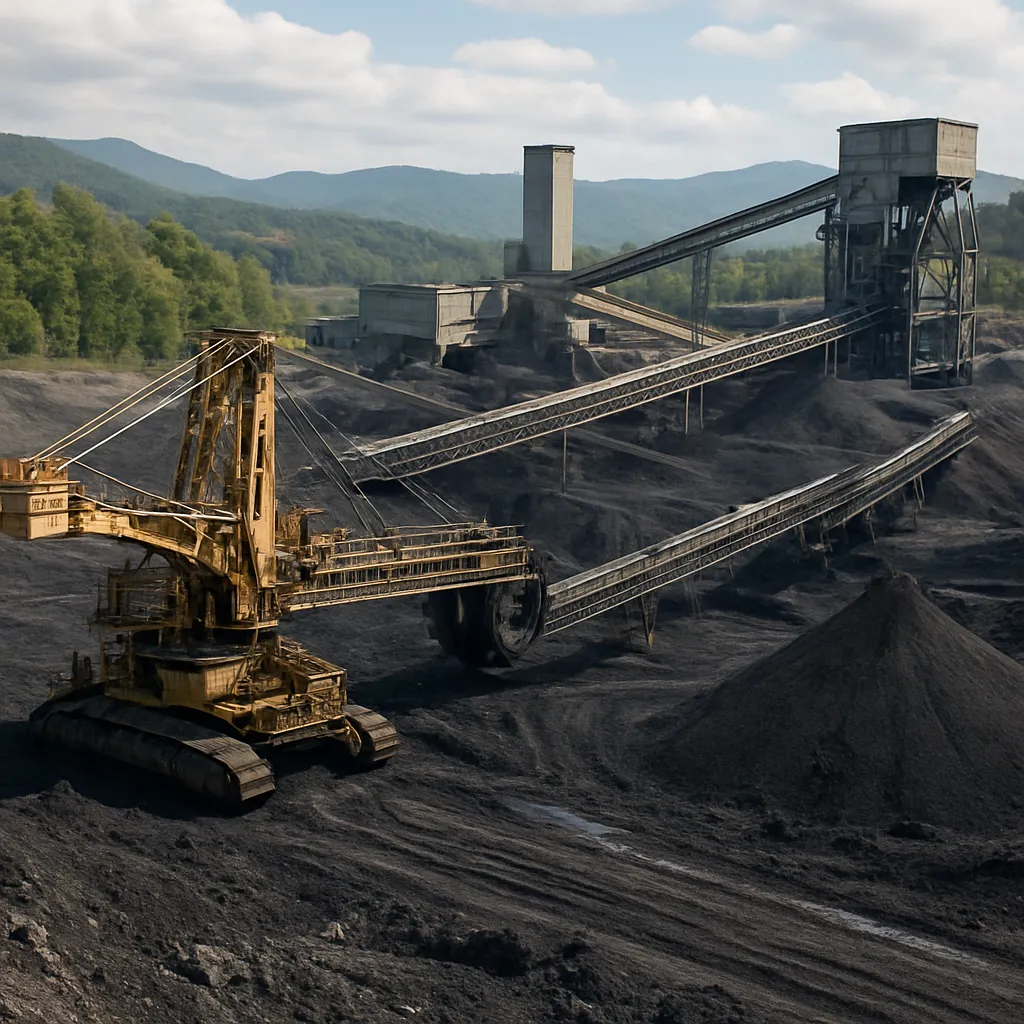
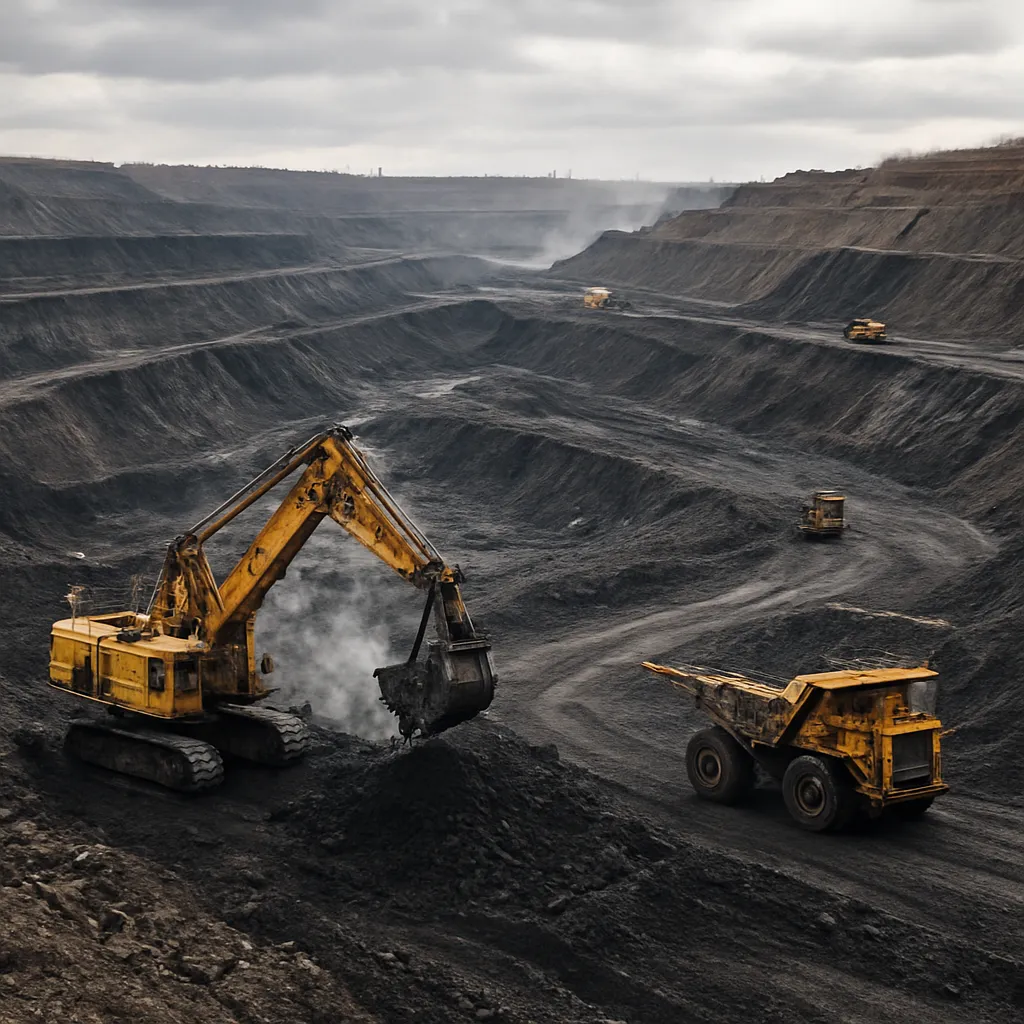
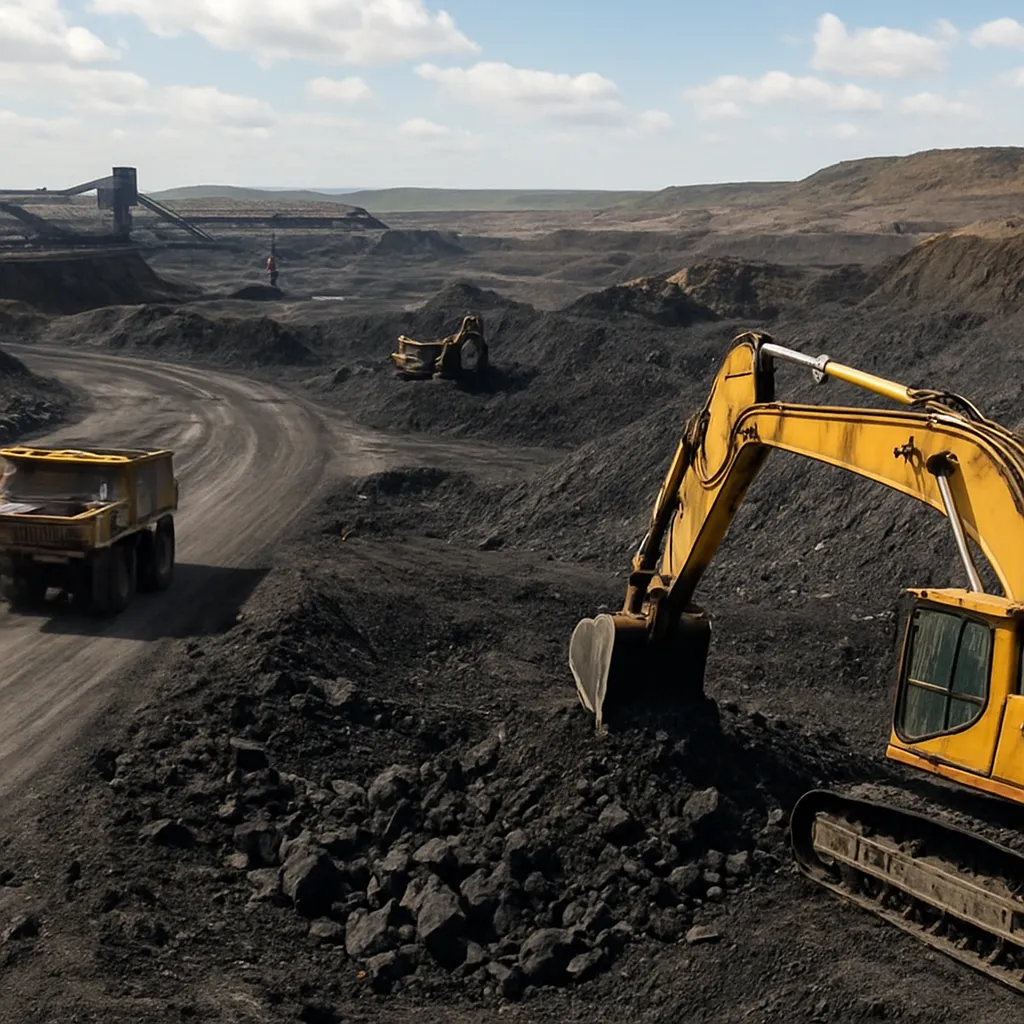
In the Tete basin, the dominant method for near-surface deposits has been open-pit mining, due to generally shallow seam depths and the economic advantages of bulk extraction for export markets. It is reasonable to infer that Mucanha North, if developed as an operational mine, would adopt an open-pit method with associated strip-mining benches, waste-rock handling, and on-site coal processing (crushing, screening, and possibly washing/beneficiation) depending on the raw coal quality.
Typical site infrastructure includes pit access roads, a haul road network, temporary or permanent stockyards, a coal handling and preparation plant (CHPP) where necessary, and facilities for fuel, maintenance, and workforce accommodation. For smaller operations, beneficiation may be minimal, with raw coal sent for blending and processing at larger hubs.
Economic role and significance
Mucanha North contributes to the mosaic of coal assets that underpin the economic significance of the Tete province within Mozambique. Coal export revenues have been one of Mozambique’s most visible commodities in the international market over the past two decades. Even modest deposits such as Mucanha North can be important locally by:
- Creating direct and indirect employment for regional communities.
- Providing feedstock to national and regional power generation and industrial consumers where transport logistics permit.
- Contributing to export earnings when connected to existing corridors and terminal capacity.
At a national level, coal projects have played a role in attracting investment in transport corridors (notably the Nacala Corridor and the Sena Corridor) and in stimulating auxiliary services (logistics, equipment supply, and local contractors). For local governments and communities near Mucanha North, the economic impact includes increased demand for goods and services, potential road upgrades, and opportunities for small businesses, though these benefits depend heavily on contractual arrangements and corporate social responsibility practices by operators.
Infrastructure and export logistics
One of the defining features of coal development in Tete is the importance of transport corridors. Two principal logistics routes historically developed for coal exports are the Nacala Corridor (linking Tete to the deepwater Port of Nacala in northern Mozambique) and routes toward the Port of Beira or Maputo. The viability of a site such as Mucanha North is strongly tied to the accessibility of rail or road transport to these export outlets.
Key infrastructure aspects affecting Mucanha North include:
- Rail connectivity: Access to existing or upgraded rail lines can lower unit export costs dramatically compared with truck haulage. The Nacala Logistics Corridor includes a rehabilitated rail-line and a large terminal at Nacala-a-Velha intended to serve several mines in Tete.
- Road and haulage: For nearer-term or smaller-scale operations, road haulage to local buyers or to railheads is common but raises costs and road maintenance demands.
- Port capacity: Available berth and stockpile capacity at export terminals (Nacala, Beira, Maputo) constrain the scale and timing of shipments. Projects in Tete have historically coordinated with port operators to secure loading windows.
Statistical perspective and data limitations
Publicly available, site-specific statistics for smaller or exploration-stage sites such as Mucanha North can be limited. Larger operations in the region (for example, Vale’s Moatize operation) have published production and reserve figures, but many smaller licences report only exploration results or internal estimates. Where official data are lacking, the following points summarize observable trends and regional statistics of relevance:
- Regional resource scale: The Tete province hosts the largest coal resources in Mozambique, with basin-wide identified resources and reserves measured in the hundreds of millions to low billions of tonnes across multiple licences and deposits.
- Production context: Historic annual production from the combined Moatize and surrounding operations reached several million tonnes per annum in peak years for Mozambique, driven mainly by a few large exporters.
- Local data for Mucanha North: Specific figures for recoverable reserves, annual production, employment numbers, or capital expenditure at Mucanha North are not widely published in international databases as of the most recent public reports. Interested parties should consult local mining registries, company disclosures (if held under an operating company), or the Mozambican Ministry of Mineral Resources and Energy for licence-specific reports.
Because of this, any precise statistic for Mucanha North should be sourced from a verified technical report (e.g., NI 43-101 or JORC-compliant resource statement) or from company filings if the site is owned by a listed entity. In the absence of such reports, analysts often categorize smaller deposits as prospective or conditional resources pending further drilling and feasibility work.
Economic and fiscal impacts: royalties, taxes, and local content
The development of coal assets in Mozambique, including those near Mucanha North, interacts with national fiscal regimes that typically include royalties, corporate income tax, and duties on certain services. Key economic mechanisms and policy levers include:
- Royalties and taxes: Mineral royalties are charged as a percentage of the value of mineral production and vary by commodity and legal framework. Corporate tax applies to mining companies, subject to the allowances and deductions permitted by law.
- Local content rules: Mozambique has policies promoting local employment and procurement. Developers are often required to submit local content plans and invest in workforce training and community projects.
- Infrastructure cost-sharing: Large projects have historically required coordination between companies and the state on capital-intensive items like rail and port upgrades. Smaller sites can benefit from such investments but may also compete for limited corridor capacity.
For a site like Mucanha North, the fiscal contribution to the state and local municipalities depends on the scale of production and formal agreements. Even modest production contributes in the form of wages, licence fees, and service contracts, although maximizing local benefit requires transparent contracting and effective governance.
Environmental, social and governance (ESG) considerations
Coal mining raises a series of environmental and social challenges. For operations in and around Mucanha North, important considerations include:
- Land use and biodiversity: Open-pit mining alters landforms and can disrupt local ecosystems. Environmental impact assessments are required to identify sensitive habitats and plan mitigation.
- Water management: Coal operations can affect surface and groundwater through dewatering, runoff, and potential contamination. Water management plans and monitoring are essential.
- Air quality: Dust and emissions from extraction, crushing, and haulage affect local air quality and require dust suppression and monitoring.
- Community impacts: Resettlement, changes to livelihoods (e.g., agriculture), and expectations for employment and services all need to be managed through consultation and compensatory programs.
- Closure and rehabilitation: Planning for mine closure, progressive rehabilitation, and post-mining land uses is increasingly required in licensing and financing agreements.
Publicly visible best-practice operators in the region implement ESG programs including community engagement plans, environmental monitoring, local hiring and procurement initiatives, and closure funds. For Mucanha North, the effectiveness of such measures will dictate long-term social license and project sustainability.
Market dynamics and pricing
The commercial value of coal from Mucanha North will depend on several market factors:
- Coal quality: Calorific value, ash and sulphur content determine whether coal is sold into thermal power markets or upgraded/blended for higher-value uses.
- Freight and logistics costs: Transport to port and shipping rates materially affect netback prices for miners in Tete. Rail access and port tariffs are critical variables.
- Global demand: Thermal coal demand is influenced by electricity generation patterns in Asia and other importing regions, while metallurgical coal demand is linked to steel production. Shifts in energy policy and technological change (e.g., decarbonization) also influence long-term demand.
Given the volatility of international coal prices in recent years, project economics for smaller sites benefit from flexible contracts, cost-efficient operating models, and the ability to target niche buyers (e.g., regional utilities or captive plants) when global export markets soften.
Social and community dimensions
Local communities around Mucanha North will experience both opportunities and challenges arising from mining activity. Positive impacts typically cited include employment creation, improved transport links, and community investments in health and education. Conversely, common concerns include displacement, competition for water resources, and environmental degradation.
Effective community engagement practices include:
- Early and continuous consultation with affected households and traditional authorities.
- Transparent benefit-sharing mechanisms and grievance redress procedures.
- Investment in vocational training and skills transfer to increase local employment prospects.
- Support for diversified livelihoods to reduce dependence on a single commodity economy.
Future prospects and strategic considerations
The future for Mucanha North will be shaped by a combination of technical, commercial and policy factors:
- Exploration and resource definition: Further drilling and technical studies would be needed to convert prospective resources into proven reserves and to design a mine plan with quantified production profiles.
- Integration with regional infrastructure: Securing affordable access to rail and port capacity is a make-or-break factor for export viability.
- Environmental permitting and community acceptance: Successful permitting and sustained community support are preconditions for long-term operation.
- Market positioning: Developers may seek to sell into domestic power markets, regional industrial consumers, or export terminals, depending on coal quality and logistics.
- Investment climate: Global trends toward energy transition and investor scrutiny of carbon-intensive assets introduce financing considerations that can affect timelines and capital costs.
Opportunities for Mucanha North include leveraging existing corridor upgrades, supplying regional power projects, or participating in blended supply chains that upgrade lower-quality coals for niche uses. Risks include transport bottlenecks, price volatility, and increasing environmental regulation.
Concluding observations
Mucanha North sits within one of Africa’s most important coal provinces, and its potential value lies both in direct production and in being part of the region’s integrated resource economy. While specific audited statistics for Mucanha North are not widely published, the site’s prospects are tightly linked to the larger Tete basin dynamics: geology favoring near-surface extraction, the availability and cost of transport corridors (notably the Nacala Corridor), and shifting global markets for coal. The site’s ultimate contribution to Mozambique’s economy will depend on measured resource development, effective ESG practices, and prudent alignment with market and infrastructure realities.
For detailed figures—such as proven and probable reserves, projected annual throughput, or capital/operating cost estimates—consultation of formal technical reports (NI 43-101, JORC) or disclosures from the operating company and Mozambican mining authorities is recommended. These sources provide the verified statistical foundation needed for investment decisions and rigorous economic analysis.