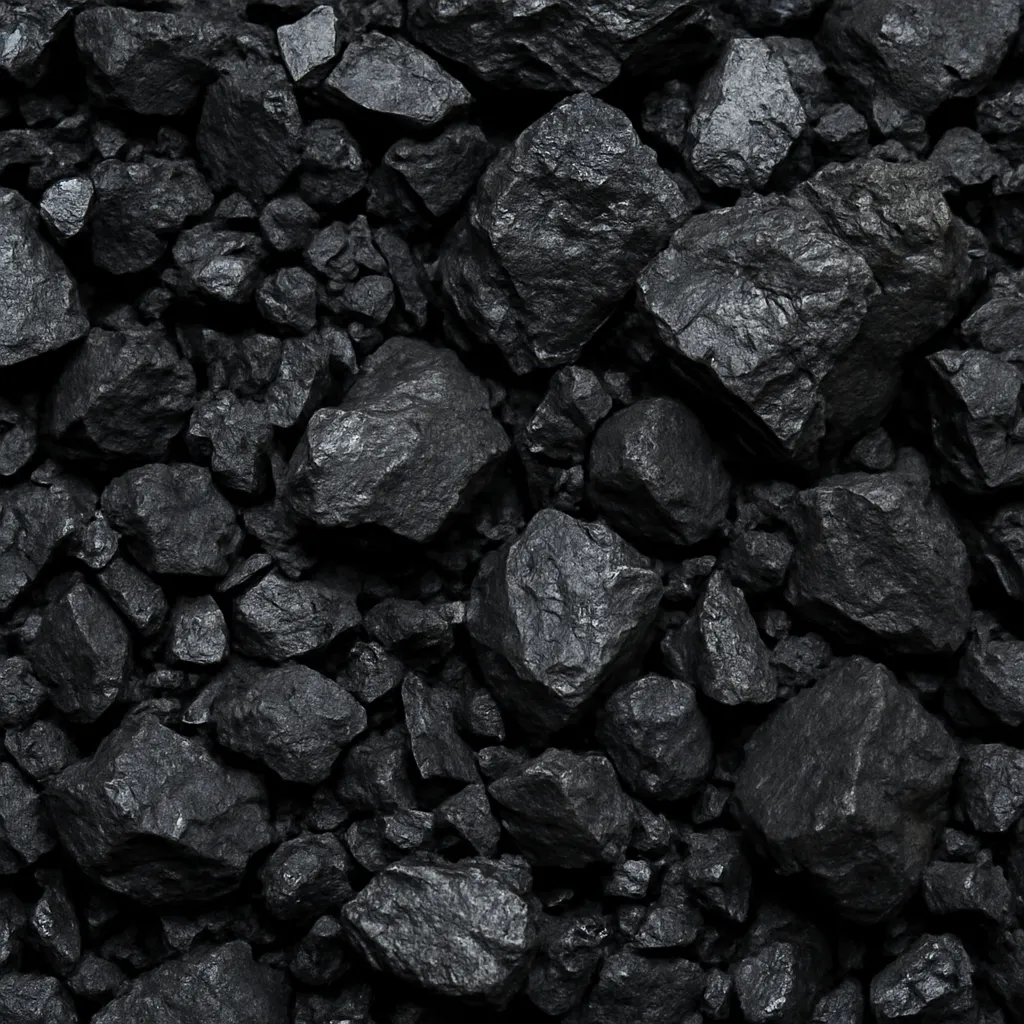
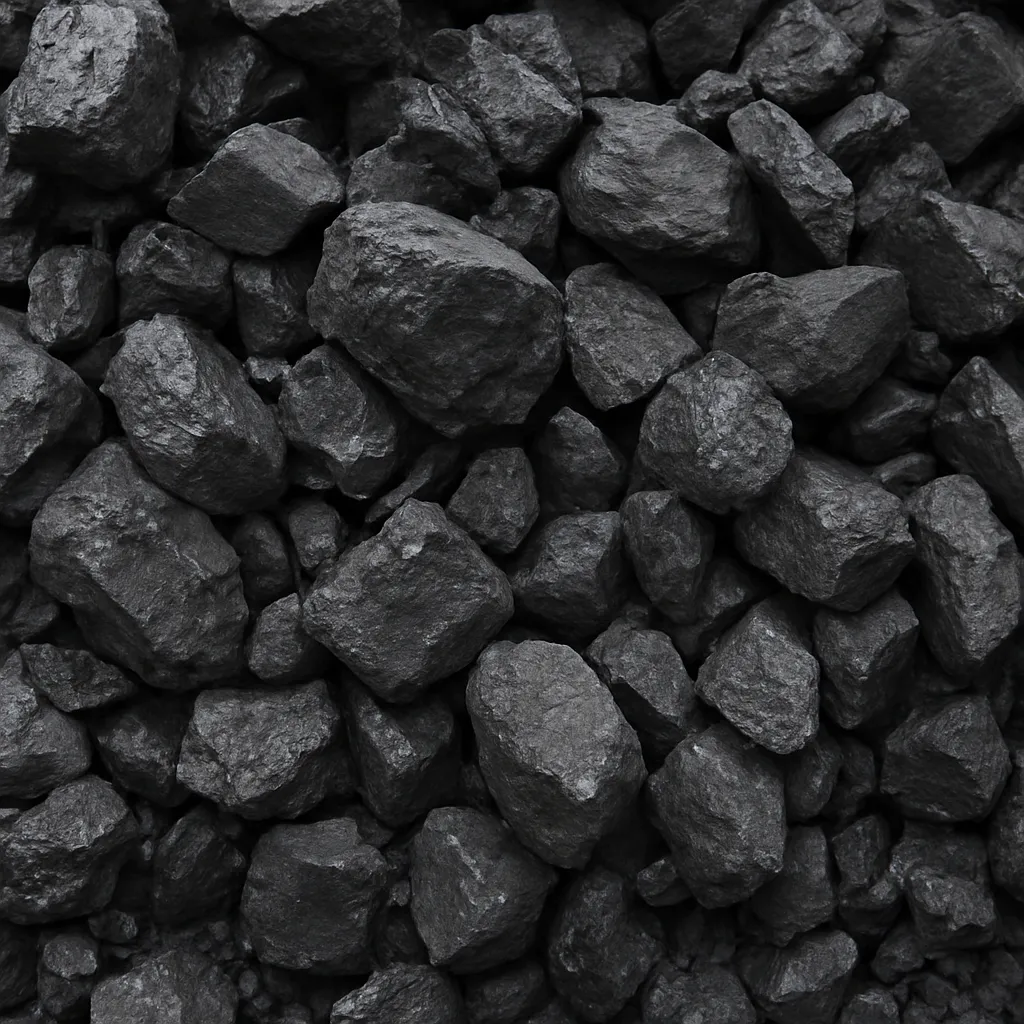
Super-low-volatile coal is a specialized, high-rank form of coal valued primarily for its high fixed carbon content, low volatile matter, and strong performance in metallurgical and high-temperature industrial applications. This article examines the geological origins, physical and chemical properties, global distribution, mining and processing methods, economic significance, environmental implications, and future outlook for super-low-volatile coal. The analysis draws on common industry classifications and market patterns to explain why this coal type remains strategically important for steelmaking and other sectors even as energy and climate policies evolve.
Occurrence and geological characteristics
Super-low-volatile coal is generally the product of long and intense geological maturation of plant-derived peat under conditions of elevated temperature and pressure over millions of years. These coals represent the upper end of the coalification sequence, close to or overlapping with anthracite in rank. On a proximate basis, they are characterized by very low volatile matter content, exceptionally high fixed carbon, low moisture, and relatively high calorific value. Chemically they have a high proportion of carbon and lower hydrogen and oxygen compared with lower-rank coals.
Typical physical and chemical features include:
- Very low volatile matter (often among the lowest values reported for bituminous coals; on a dry basis the volatile fraction may be single- to low-double-digit percentages).
- High fixed carbon, frequently exceeding 80–90% on a dry, ash-free basis.
- High gross calorific value — many super-low-volatile coals exceed 30 MJ/kg on a moisture-free basis.
- Relatively low inherent moisture and, in many economically attractive deposits, low sulfur and low ash content.
These properties make the coal less reactive with air at low temperatures (harder to ignite) and very suitable for processes that require stable, high-carbon feedstock.
Global distribution and major producing regions
Super-low-volatile and other high-rank coals are geographically concentrated where Carboniferous and Permian-age basins experienced deep burial and tectonic compression. Major regions known for producing high-quality, low-volatile and coking coals include:
- Australia — Bowen Basin and other Queensland regions produce significant volumes of hard and coking coals exported globally. Australian mines are a cornerstone of the world metallurgical coal market.
- Canada — British Columbia’s Elk Valley contains several mines producing premium metallurgical coals with low impurities suitable for coke-making.
- United States — Appalachian basins (eastern Kentucky, northern West Virginia, southwestern Pennsylvania) have historically yielded low-volatile and semi-anthracitic seams used for metallurgical purposes.
- Russia — the Kuznetsk Basin (Kuzbass) and some areas of the Donetsk–Kirgiz regions produce high-grade coking coals and low-volatile coals important to domestic steelmaking.
- China — Shanxi, Hebei, and other northern basins include high-rank coals used by China’s vast steel industry; some deposits approach low-volatile compositions.
- Poland and Ukraine — historic European hard-coal basins produced high-rank coals; Poland’s Upper Silesia and Ukraine’s Donbas region have been sources of harder coals, though quality varies.
- Colombia and South Africa — while both countries export metallurgical coals, the specific fraction of super-low-volatile coal varies by seam and mine.
Availability is uneven: truly super-low-volatile seams are relatively rare compared with the more abundant high-volatile and subbituminous coals.
Mining methods and processing
The extraction technique for super-low-volatile coal depends primarily on seam depth, thickness, and geology. Common methods are:
- Longwall underground mining — often used in deep, consistent seams in Europe, parts of the United States, Russia, and Poland. Longwall is capable of high recovery rates but requires significant infrastructure.
- Room-and-pillar (bord-and-pillar) mining — used in shallower or more structurally complex seams, with pillar removal techniques sometimes applied.
- Open-pit or surface mining — employed where high-rank coal seams outcrop near the surface; more common for large deposits in Australia and parts of Russia and Canada.
Processing steps typically include crushing, screening, washing (dense medium separation), and blending. Washing reduces ash and sulfur, improving metallurgical performance. For coking applications, coal blends are carefully engineered to achieve desired coke properties.
Coke production is a key downstream process. In by-product or non-recovery coke ovens, super-low-volatile or low-volatile coking coals are heated in oxygen-limited environments to produce coke — a porous, carbon-rich solid used as a reductant, heat source, and structural support in blast furnaces. Important quality metrics for coke include mechanical strength and reactivity indices (e.g., coke strength after reaction and coke reactivity index), which determine behavior in blast-furnace conditions and longevity in the furnace burden.
Industrial uses and significance
The dominant use of super-low-volatile coal is in the metallurgical sector:
- Steel production — the steel industry is the largest consumer of coking coals. Super-low-volatile varieties provide strong, low-reactivity coke that supports high blast-furnace productivity and stability.
- Pulverized coal injection (PCI) — some high-rank coals are used as feedstock injected into blast furnaces to reduce coke consumption and improve cost efficiency.
- Foundry and specialty cokes — certain casting and specialty metallurgical processes require specific coke strengths and properties achievable with low-volatile coals.
- High-temperature industrial processes — where consistent carbon content and high calorific value are needed, including some chemical and carbon electrode manufacturing pathways.
Because the world’s primary method for large-scale ironmaking remains the blast furnace-basic oxygen furnace route, demand for high-quality coking coals (including super-low-volatile grades) has been structurally significant. Even with growing alternative steelmaking technologies (e.g., direct reduction using hydrogen), the transition is gradual, so metallurgical coal remains strategically important.
Economic and statistical overview
While thermal coal (for power generation) dominates global tonnage, metallurgical coal — including many super-low-volatile and low-volatile coals — commands outsized economic significance due to value per tonne and its role in steelmaking. Key economic points:
- Seaborne markets for metallurgical coal are concentrated: a relatively small number of exporters (notably Australia and Canada) supply steelmakers worldwide.
- Prices for metallurgical coal are more volatile than those for thermal coal and respond strongly to global steel demand, supply disruptions, and changes in shipping logistics.
- Quality premiums are common: coals with low ash, low sulfur, and favorable coking properties can command significantly higher prices than lower-quality thermal coals.
From a statistical perspective, some general patterns are observable (figures approximate and vary year to year):
- Global coal production across all ranks has exceeded several billion tonnes annually; metallurgical coal represents a modest portion of total tonnage but a much larger share of export value.
- Australia is typically the largest exporter of metallurgical coal, accounting for a substantial share of seaborne met-coal trade; other major exporters include Canada, the United States, Russia, and Colombia.
- Domestic steelmaking centers (China, India, Japan, South Korea, the EU, and the United States) are major consumers of high-grade coking coals; China in particular both produces and imports coking coals to feed its large steel industry.
Market dynamics are influenced by infrastructure (ports, rail), trade policies, and conversion investments in steel plants (which can alter meters of demand for particular coal grades).
Environmental, social and regulatory considerations
Super-low-volatile coal, like all fossil fuels, raises environmental and social challenges:
- Carbon emissions — per unit of energy, higher-rank coals can emit somewhat less CO2 than lower-grade coals, but when used in coke and steelmaking the embedded carbon is chemically combined and contributes to overall industrial process emissions. The steel value chain is responsible for a large portion of industrial CO2 emissions globally.
- Local impacts — mining (especially underground) can have significant local environmental and social impacts including land subsidence, water management challenges, and community disruption. Tailings and wastewater from coal washing must be managed to avoid contamination.
- Air quality and health — combustion and coking processes release particulates and other pollutants if not properly controlled; coke oven emissions historically were a source of toxic by-products, though modern plants use mitigation technologies.
Regulatory and market pressures are driving change:
- Steelmakers and governments are experimenting with low-carbon pathways: hydrogen-based direct reduction (DRI with green hydrogen), electrification of steelmaking, circular economy measures (greater use of scrap steel), and carbon capture and storage (CCS). Each could reduce future demand for metallurgical coal or change the grade mix needed.
- Investors and lenders increasingly apply environmental, social and governance (ESG) criteria to mining projects and commodity finance, affecting access to capital for new coal developments.
These pressures create both challenges and incentives: mines and coal consumers can invest in emissions abatement, and higher-quality coals that minimize impurities may be favored in a constrained carbon policy environment to maximize process efficiency.
Market risks, price dynamics and resilience
Metallurgical coal markets — where super-low-volatile coals trade — are subject to distinctive risk factors:
- Demand side — mainly tied to steel production, so global economic cycles and construction/industry demand swings drive consumption.
- Supply side — a concentration of production in a few regions makes the market vulnerable to weather (cyclones in Australia), strikes, logistical disruptions, and changes in trade policy.
- Substitutability — some blast furnaces can operate with blended coals or higher levels of pulverized coal injection, reducing dependence on specific low-volatile grades, but this requires technical adjustments.
Historical price spikes in metallurgical coal during supply shocks demonstrate the market’s sensitivity. For steelmakers, securing long-term, high-quality coal supplies often requires contractual relationships, strategic stockpiles, or vertical integration with mining assets.
Technological trends and future outlook
The long-term role of super-low-volatile coal depends on the pace of technological change in steelmaking and global climate policy. Major trends include:
- Decarbonization of steel — commercial deployment of hydrogen-based DRI and electric arc furnace (EAF) capacity using recycled scrap could materially reduce demand for coking coal over decades. However, some regions with limited scrap availability or where blast furnaces are entrenched will continue to rely on metallurgical coal for many years.
- Process efficiency and blending — improved furnace efficiency and optimized coal blending can reduce overall coal intensity while preserving product quality.
- Carbon capture, utilization and storage (CCUS) — if economically deployed at scale in integrated steel plants, CCUS could allow continued use of coal-derived coke while reducing net CO2 emissions.
- Alternative ironmaking — commercial-scale adoption of electrolysis or other breakthrough technologies would further reduce coal demand, but timelines remain uncertain and capital-intensive.
Consequently, super-low-volatile coal is likely to retain importance in the medium term due to existing steelmaking fleets and the cost of replacing them, but long-term demand depends heavily on policy and technology adoption pathways.
Interesting technical and historical notes
- Some of the highest-grade coals were formed in the late Paleozoic era (Carboniferous–Permian), when dense vegetation and frequent burial events produced thick peat deposits that later metamorphosed into high-rank coals under tectonic stress.
- Historically, anthracite (which overlaps in properties with super-low-volatile coals) was prized for domestic heating because of its smokeless burning. In modern industrial contexts, the prime value is its role in metallurgical processes.
- Indices such as coke reactivity and coke strength after reaction are crucial for steelmakers; coals that produce coke with favorable indices command market premiums and influence blending strategies.
- Advances in mining automation, remote operations, and coal preparation have improved the consistency of product supplied to steelmakers, enabling more precise use of super-low-volatile coals in blends.
Conclusion
Super-low-volatile coal occupies a strategic niche within the global coal spectrum. It is prized for its high fixed carbon, low volatile matter, and suitability for producing strong, low-reactivity coke critical to traditional steelmaking. Major producing regions such as Australia, Canada, the Kuznetsk Basin in Russia, and parts of the United States and China supply much of the world’s demand. Economically, these coals carry value far above most thermal coals and play a central role in the metallurgical market, though the sector faces increasing pressure from decarbonization initiatives and changing technology. The near- to medium-term outlook suggests continued relevance of super-low-volatile coals for integrated steel production, while long-term demand will be shaped by technological adoption (hydrogen DRI, electrification), policy, and market adaptations that influence the pace at which metallurgical coal use decreases or is combined with emissions-mitigation technologies.