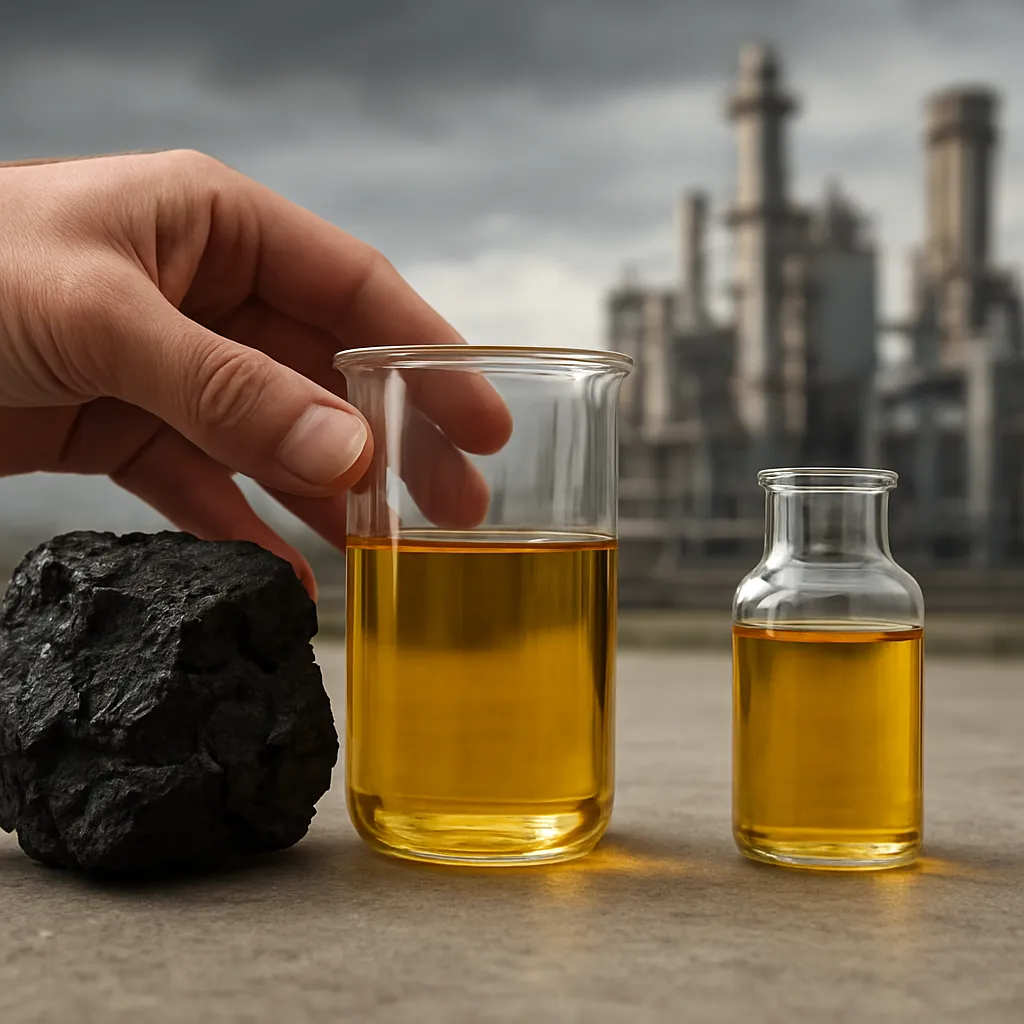
The evolving energy landscape has propelled coal from its traditional role as a mere fuel for electricity generation to a feedstock for advanced synthetic fuels. With growing concerns about climate change and the pressing need for sustainability, the conversion of coal into liquid hydrocarbons offers an intriguing pathway to address energy security while mitigating environmental impacts. By leveraging established technologies and emerging innovations, the coal-based synthetic fuels sector seeks to balance industrial demands with decarbonization targets and future market dynamics.
Coal Resources and Market Dynamics
A comprehensive understanding of coal’s global availability and economic factors is essential when evaluating its role in synthetic fuel production. Although often overshadowed by oil and natural gas, coal reserves remain vast and widely distributed, providing a reliable feedstock for advanced conversion processes.
Global Reserves and Production
Coal ranks among the most abundant fossil resources on Earth, with major deposits located in countries such as the United States, China, India, Australia, and Russia. According to the latest surveys:
- The United States holds more than 250 billion tonnes of proven coal reserves, enough to last over 200 years at current consumption rates.
- China, the world’s largest producer, consistently mines more than 3.5 billion tonnes annually, sustaining its heavy industrial base.
- India and Australia follow closely, with each country boasting over 100 billion tonnes of recoverable coal resources.
These reserves underpin a steady supply chain, minimizing geopolitical risks and price volatility that often affect oil imports. Meanwhile, advancements in extraction techniques—such as longwall mining and underground coal gasification—are improving yield rates and operational safety.
Coal Stock Investment Trends
Despite mounting environmental scrutiny, investors continue to view coal stocks as strategic plays in diversified portfolios. Key considerations shaping market sentiment include:
- Price Volatility: Coal prices are influenced by demand cycles, currency exchange rates, and regulatory frameworks.
- Regulatory Risk: Stricter emissions standards and carbon pricing schemes can erode profit margins for conventional coal operations.
- Technological Adoption: Firms investing in carbon capture and next-generation conversion technologies are often rewarded with premium valuations.
Institutional investors now scrutinize environmental, social, and governance (ESG) metrics more closely. Coal companies with well-defined decarbonization roadmaps and transparent reporting mechanisms tend to attract capital despite the broader energy transition away from fossil fuels.
Technological Pathways to Synthetic Fuels
Converting coal into liquid hydrocarbons involves multi-step processes, each requiring careful optimization to maximize yields and minimize greenhouse gas emissions. The core stages encompass coal drying, gasification, syngas cleanup, and fuel synthesis.
Coal Gasification Processes
Gasification is the cornerstone of coal-to-liquids (CTL) technology. In a high-temperature, oxygen-starved environment, coal reacts to form a mixture of hydrogen (H₂), carbon monoxide (CO), carbon dioxide (CO₂), and minor species. Two primary gasifier designs dominate the industry:
- Entrained-flow Gasifiers: Operate at temperatures above 1,200 °C, promoting rapid conversion and low tar content but requiring finely ground feedstock.
- Fluidized-bed Gasifiers: Function at lower temperatures (800–950 °C), capable of handling coarser coal particles and biomass blends.
After gasification, syngas conditioning steps remove particulates, sulfur compounds, and mercury, ensuring that subsequent synthesis catalysts achieve optimal activity and longevity.
Fischer-Tropsch Synthesis
The Fischer-Tropsch (FT) process transforms cleaned syngas into long-chain hydrocarbons. Developed in the 1920s, FT chemistry remains the gold standard for high-quality synthetic waxes, diesel, and naphtha. Key attributes include:
- Catalyst Selection: Iron- and cobalt-based catalysts dominate, with cobalt favored for low-temperature FT to maximize liquid yields.
- Product Slates: Operating conditions dictate the chain-length distribution, enabling tailored fuels compliant with regional standards (e.g., EN 590 diesel).
- Integration Options: Heat recovery and power generation loops enhance overall plant efficiency, reducing external energy demands.
Modern FT facilities often incorporate modular designs, allowing scale adjustments from pilot capacity to multi-thousand-barrels-per-day operations.
Environmental Impact and Future Prospects
Coal-derived synthetic fuels present both opportunities and challenges in the global quest for cleaner energy. While offering a pathway to liquid fuels that can leverage existing infrastructure, the environmental footprint of CTL must be carefully managed through technological innovation and sound policy frameworks.
Carbon Capture and Storage
One of the most critical enablers for low-carbon CTL is robust carbon capture integration. Pre-combustion capture—extracting CO₂ from syngas before synthesis—can achieve capture rates exceeding 90%. Captured CO₂ can then be:
- Sequestered in deep geological formations, such as depleted oil fields or saline aquifers.
- Utilized for enhanced oil recovery (EOR), providing additional revenue streams.
- Converted into value-added chemicals via emerging carbon utilization technologies.
By combining CTL with carbon capture and storage (CCS), the net greenhouse gas intensity of synthetic diesel can rival or even improve upon that of conventional petroleum sources.
Policy and Economic Incentives
Governments worldwide play a pivotal role in steering the future of coal-based synthetic fuels. Potential policy instruments include:
- Carbon Pricing: Emission trading systems (ETS) and carbon taxes internalize environmental costs, incentivizing CCS deployment.
- Subsidies and Grants: Financial support for pilot projects and research accelerates the commercialization of advanced CTL processes.
- Regulatory Mandates: Low-carbon fuel standards and blending requirements can create market demand for synthetic diesel and jet fuel alternatives.
International collaboration through climate accords and technology-sharing initiatives further enhances the prospects for cost-effective, large-scale CTL projects. As renewable energy scales, coal-to-liquids may find synergistic roles, such as providing dispatchable power or seasonal fuel storage solutions.