The Gunung Bayan coal site in Indonesia is one of many coal-bearing locations on the island of Borneo that has attracted attention from both domestic and international energy markets. This article provides a comprehensive overview of the mine’s geological setting, the nature of the coal extracted, operational and economic aspects, environmental and social considerations, and the wider significance of the project within Indonesia’s coal industry. Where precise public statistics for Gunung Bayan itself are limited, the text situates the site within regional and national coal statistics and trends so readers can understand its likely scale and role.
Location, geological setting and brief history
Gunung Bayan is situated on the island of Kalimantan (the Indonesian part of Borneo), a region well known for extensive coal deposits formed in the Neogene and Paleogene periods. The coalfields of Kalimantan include numerous separate concessions and mine sites distributed across East, Central and South Kalimantan. The Gunung Bayan area lies within one of these coal basins characterized by laterally extensive seams of low- to medium-rank coal.
Geologically, the deposit is typically hosted in fluvio-deltaic sequences where organic-rich layers were buried and mildly metamorphosed to produce mostly steam (thermal) coal rather than metallurgical coal. Coal seams in the region vary in thickness, often from less than one metre up to several metres, and may occur as multiple horizons separated by sandstones, siltstones and mudstones. Over the past few decades the area around Gunung Bayan has seen exploration, small- to medium-scale open-pit mining, and infrastructure development tied to the broader growth of Indonesia’s coal sector.
Coal characteristics and mining methods
The coal produced from Gunung Bayan-type deposits is principally thermal coal intended for power generation and industrial steam. Typical properties for coal from similar Kalimantan mines include:
- Gross air-dried calorific value (GAR/GCV) commonly in the range of 4,000–6,500 kcal/kg, with many seams clustering in the 4,200–5,500 kcal/kg band;
- Low to moderate ash content (often 8–20% depending on seam and washing processes);
- Low sulphur content (commonly below 1%), which makes the coal attractive to regional buyers concerned about SOx emissions;
- Moisture and volatile matter contents consistent with low- to medium-rank coals, making them suitable mostly for steaming rather than coking purposes.
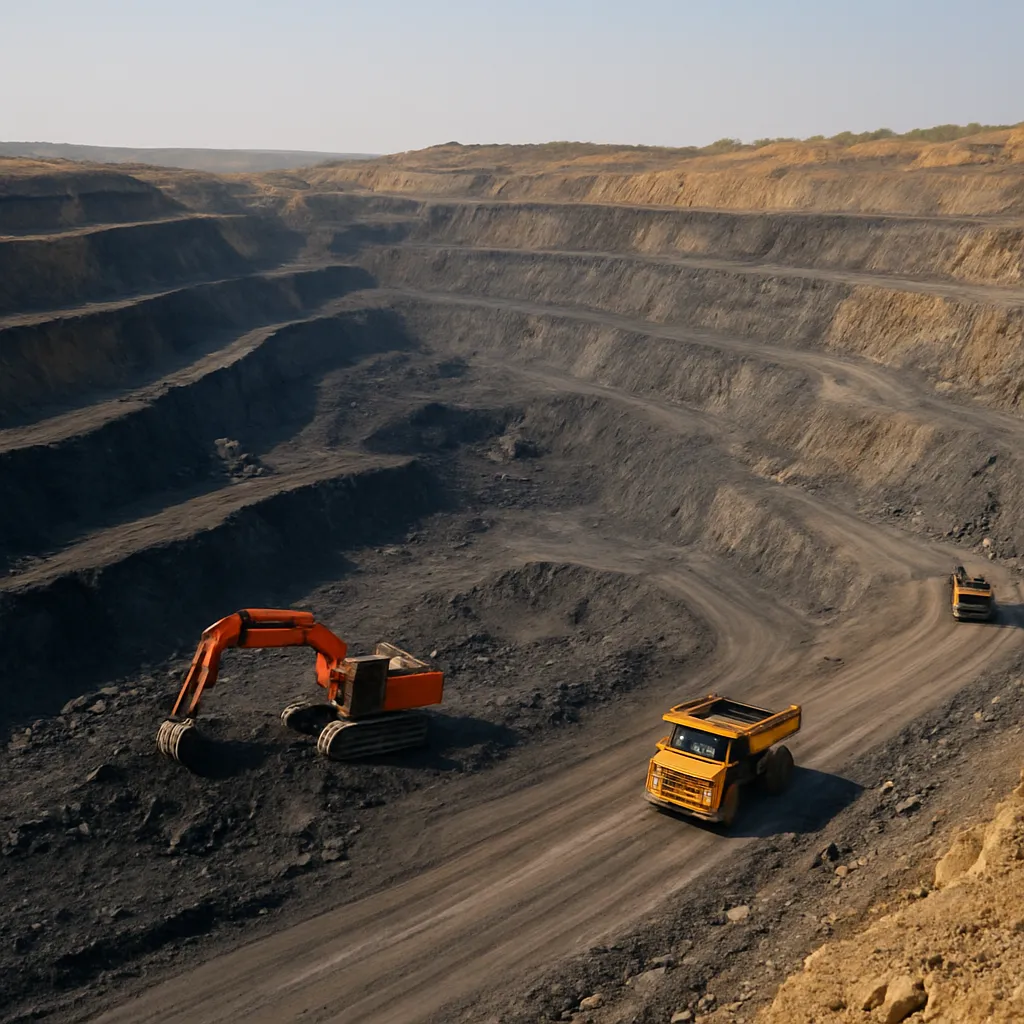
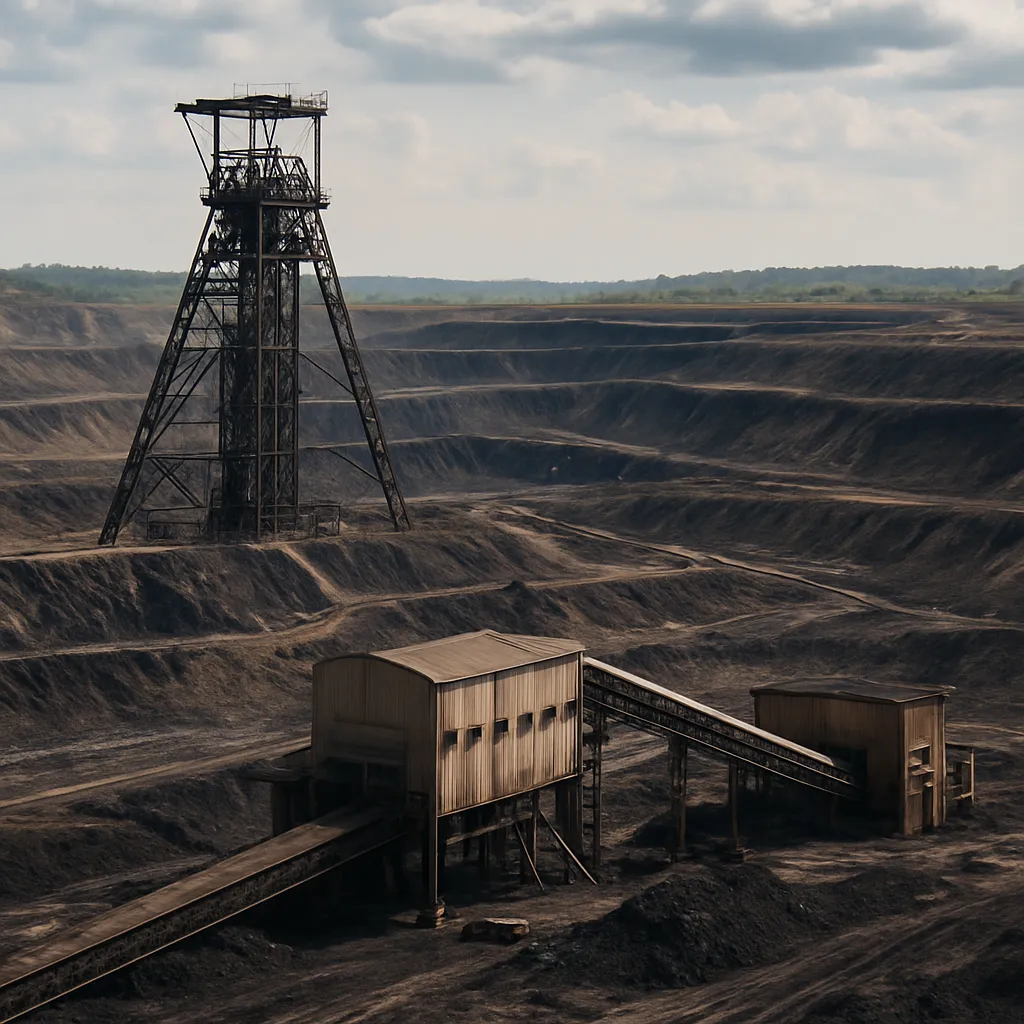
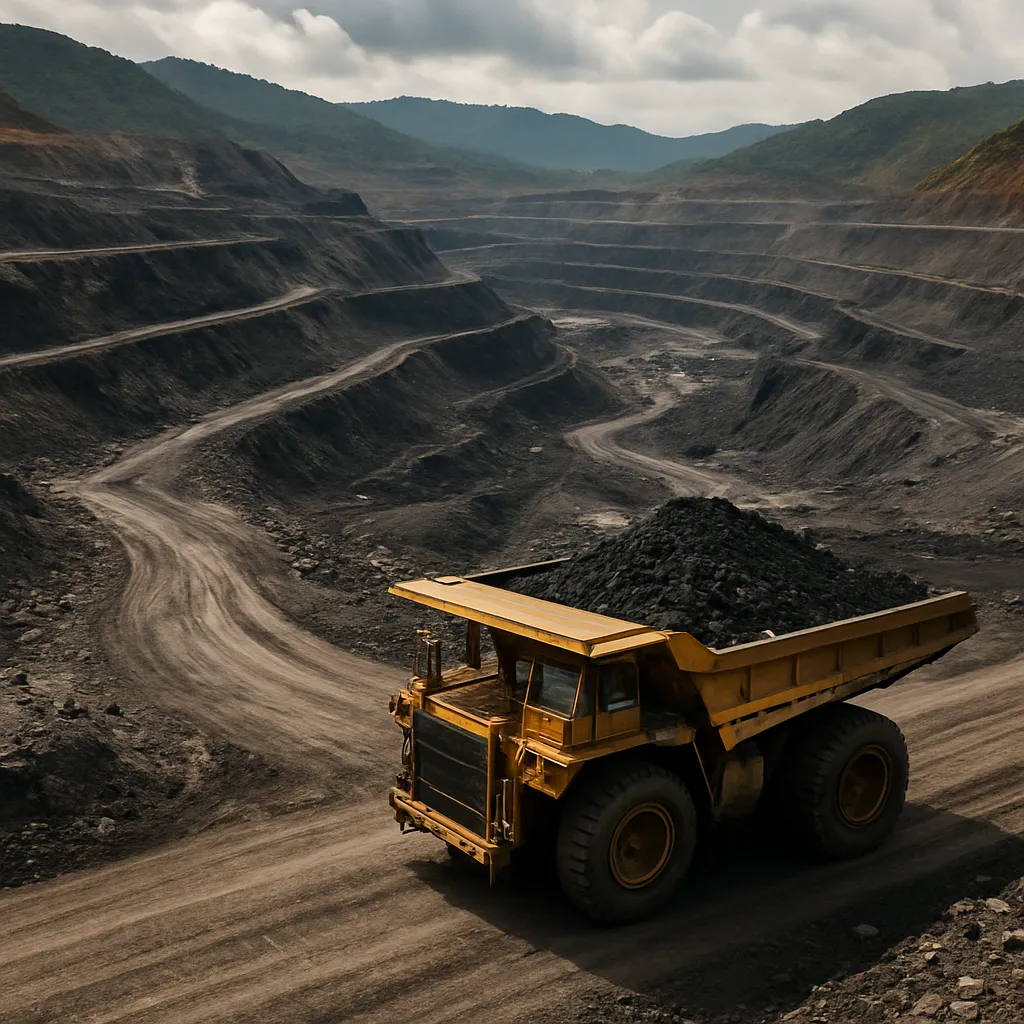
Mining at Gunung Bayan is typically conducted by open-pit methods, which dominate coal production in Kalimantan due to the relatively shallow depth of seams. Typical operations include progressive stripping of overburden using excavators and truck fleets, staged extraction of coal benches, onsite crushing and screening, and washing facilities (where economically justified) to improve product quality. Key operational challenges include seasonal rainfall (affecting haul roads and pit stability), management of high water tables in certain areas, and haul road logistics toward river or port loading facilities.
Economic and industrial significance
At a local and regional scale, a coal site like Gunung Bayan contributes to job creation, infrastructure development, and local government revenues through royalties and taxes. At the national level, Indonesian coal is a major pillar of the energy sector and an important export commodity. Key economic roles of a typical Kalimantan mine such as Gunung Bayan include:
- Supplying domestic power plants and industry — Indonesian domestic demand for thermal coal supports power generation and industrial heat needs;
- Export earnings — Indonesia has been one of the world’s largest exporters of seaborne thermal coal, supplying major markets in China, India, Southeast Asia, Japan and South Korea;
- Providing employment — mines and associated services create direct jobs (mine staff, equipment operators) and indirect jobs (transport, maintenance, services);
- Supporting local infrastructure — roads, river terminals, and sometimes electrification and community facilities are developed alongside mining operations.
For a mid-sized mine in Kalimantan, typical annual production capacities range from under 1 million tonnes to a few million tonnes per year. Larger operations in the region can reach tens of millions of tonnes annually, but those are usually integrated complexes with large-scale rail and port infrastructure. While publicly available detailed figures on Gunung Bayan’s annual output and proven reserves may be limited in the open literature, placing the site in the mid-tier category is consistent with many concession-sized operations in the area.
Markets, logistics and trade flows
Coal from Gunung Bayan is primarily suited to export-oriented markets and domestic power plants. Export logistics for Kalimantan mines typically rely on:
- River barging to coastal ports where natural riverine systems allow transshipment;
- Truck haulage to local jetties or to regional ports when road links allow;
- Direct access to coastal terminals if the concession borders the coastline or constructed haul roads connect to deep-water ports.
End markets for Kalimantan coal are concentrated in Asia. Indonesian coal’s competitive advantages historically have been relatively low cost, accessible shipping logistics, and favourable calorific value / sulphur profiles for thermal power plants. Price volatility, changes in buyer preferences (e.g., toward higher-GCV coals), and shifts in global demand (such as increased gas or renewables penetration) do influence export volumes and revenue streams for mines like Gunung Bayan.
Environmental management and social dimensions
Mining in tropical landscapes like Borneo brings a set of environmental and social responsibilities. Key areas of focus for the Gunung Bayan site and similar operations include:
- Environment: land clearing, biodiversity impacts, sediment and runoff control, water quality, dust and noise management, and progressive rehabilitation of mined areas;
- Methane and greenhouse gas emissions: while combustion of exported coal emits CO2 at the point of use, onsite methane management and emissions reporting are increasingly important to stakeholders;
- Rehabilitation: legal frameworks in Indonesia require mine rehabilitation and closure plans; successful rehabilitation includes recontouring, soil amelioration and revegetation, often with native species;
- Communities: interactions with indigenous and local communities over land use, access to water and livelihood impacts require ongoing engagement, benefit-sharing, and sometimes community development programs focused on health, education and small enterprise support;
- Water management: ensuring that dewatering and pit water discharges meet environmental standards is critical in wet tropical climates to avoid downstream impacts on fisheries and agriculture.
Progressive improvements in environmental management have become a commercial imperative as lenders, insurers and international buyers place more weight on environmental, social and governance (ESG) performance. Mines that demonstrate transparent environmental monitoring and credible rehabilitation programs are more likely to secure financing and long-term market access.
Statistics, production and reserves (contextual estimates)
Publicly available, site-specific figures for Gunung Bayan may be sparse, but the mine can be contextualized within national and regional statistics:
- Indonesia is among the world’s largest producers and exporters of thermal coal, accounting for a substantial share of seaborne trade. This national role provides a supportive macro environment for operating mines in Kalimantan.
- Typical mid-sized Kalimantan concessions report reserves ranging from tens to a few hundred million tonnes. Proven + probable reserves for a medium concession often support several decades of production at modest annual rates (1–5 million tonnes per year), whereas larger concessions and integrated complexes report much higher figures.
- Operational metrics for similar mines include stripping ratios (overburden to coal) that vary widely — from around 2:1 in favourable geometry to 6:1 or more where seams are thin and interbedded with waste rock. These ratios influence mining cost per tonne and eventual product competitiveness.
- In terms of employment, a typical open-pit operation of modest scale might employ directly several hundred workers and support additional contractors for logistics and services.
Because mine-by-mine figures fluctuate with ownership changes, wash plant throughput, and market cycles, readers seeking exact annual production, current reserves or recent financial results for Gunung Bayan should consult official company disclosures, Indonesian government mining databases, or recent technical reports lodged by concession holders.
Regulation, royalties and fiscal contributions
Mining operations in Indonesia are subject to national mining laws, provincial regulations, and local government permitting. Fiscal terms include royalty payments, corporate taxes, and community development obligations. Specific features include:
- Royalties that are often calculated as a percentage of coal sales or production volumes; rates and calculation methods can change with regulatory updates;
- Export regulations and domestic market obligations (DMO) that require a proportion of production to be supplied to the domestic market during particular policy periods;
- Licensing and environmental permitting that require an approved environmental impact assessment (AMDAL) and binding reclamation and closure plans;
- Local content and employment requirements encouraging hiring of Indonesian nationals and use of local goods and services when feasible.
These fiscal and regulatory settings directly affect the economics of a mine like Gunung Bayan and shape decisions on capital investment, production planning and community engagement.
Challenges, risks and mitigation strategies
Mining in Kalimantan faces operational, market and environmental risks. Major challenges include:
- Market volatility — global coal prices can swing substantially, impacting revenue forecasts. Diversifying customers and maintaining flexible cost structures can mitigate price shocks;
- Logistics constraints — reliance on rivers or limited road networks can create bottlenecks, especially during monsoon seasons. Investment in durable roads, barges and stockyard systems is critical;
- Permitting and social license — unanticipated permitting delays or unresolved community disputes can halt operations. Early, transparent engagement and benefit-sharing mechanisms reduce risks;
- Environmental liabilities — inadequate water and tailings management can lead to regulatory penalties and reputational damage. Robust monitoring, contingency planning and progressive rehabilitation are mitigation imperatives.
Technological and managerial practices that improve run-of-mine quality, lower operating costs, and reduce environmental footprint are increasingly adopted. Examples include improved coal washing to add value, fleet electrification trials, and digital mine planning tools to optimize stripping ratios and reduce waste movements.
Recent developments and future outlook
The future of a mine like Gunung Bayan depends on both local operational performance and macro trends in global energy markets. Several factors will influence prospects:
- Regional demand for thermal coal — while long-term global climate policies encourage reductions in coal use, several Asian economies continue to rely on coal-fired generation in the near to medium term, supporting demand;
- Price dynamics — as seaborne coal markets adjust to demand-supply changes, mines that maintain low operating costs and consistent product quality remain competitive;
- ESG pressures — buyers and financiers increasingly screen for strong environmental and social performance; mines investing in emission reductions, community development and transparent reporting are better placed to attract capital;
- Potential diversification — mines and local economies sometimes pursue diversification strategies, such as land-use conversion after closure, eco-restoration projects, or leveraging infrastructure (roads, ports) for broader economic activity.
For Gunung Bayan, managing the balance between maximizing production and maintaining a credible environmental and social license will determine its long-term viability. Investment in rehabilitation, community programs and operational efficiency will be key to sustaining economic returns while responding to evolving stakeholder expectations.
Interesting facts and contextual notes
Some additional points of interest that illustrate the broader setting of Gunung Bayan and similar Indonesian coal operations:
- Small and medium-sized mines in Kalimantan often coexist with artisanal miners, meaning the social landscape around concessions can be complex and requires careful local engagement;
- Indonesia’s tropical climate brings distinct operational rhythms: wet seasons complicate haulage and increase water management needs, while the dry season is preferred for major earthworks;
- Coal in Kalimantan has historically been a catalyst for infrastructure development — new roads, bridges and port facilities built for mining can have spillover benefits for local economies;
- Rehabilitation success stories in the region include landscaped former pits converted into fish ponds, agroforestry plots and wildlife habitat corridors when guided by sound ecological planning.
How to find more detailed data
Readers who require site-specific statistics (proved reserves, measured production, ownership and financial data) should consult the following sources:
- Company reports and disclosures for the concession holder or operator (annual reports, sustainability reports, technical reports);
- Indonesia’s Ministry of Energy and Mineral Resources (ESDM) publications and mining databases;
- Independent technical studies and third-party reserve statements where available;
- Local government or regency-level public records that may publish concession maps and royalty receipts.
When using such sources, consider cross-referencing figures, noting the date of the report and whether reserves are reported on a proved/probable basis or as inferred resources.
Summary
Gunung Bayan is emblematic of many coal sites in Kalimantan — a deposit of primarily thermal coal with socioeconomic importance for nearby communities and a role in Indonesia’s broader coal export profile. While mine-specific public data can be limited, the regional context provides a clear picture of the operational model: open-pit extraction, logistics built around river and coastal access, and product characteristics suited to power generation. The site’s future rests on navigating market cycles, regulatory change, and rising expectations for strong environmental and community performance. Continued attention to efficient operations, transparent governance and well-designed rehabilitation will be essential to ensure that Gunung Bayan contributes sustainably to local development and national energy objectives.