The following article provides a comprehensive overview of the Yunyagan Mine in Russia, covering its location, geology, the type of coal extracted, economic and industrial relevance, operational aspects, and environmental and social considerations. Where specific mine-level statistics are publicly unavailable, the text places Yunyagan in the wider context of Russian coal mining and regional coal basins to help understand its likely role and significance. This article aims to be informative for readers seeking both technical and economic perspectives on the mine.
Location and geological setting
The Yunyagan Mine is a coal mining site situated in the Russian Federation. Precise, regularly updated mine-level coordinates and administrative classifications for some smaller or privately managed mines are not always available in public registries. Historically, many Russian coal mines with similar names are found in the extensive coal-bearing provinces of Western and Eastern Siberia, including the Kuznetsk Basin (Kuzbass), the Pechora Basin, and the Far East basins. The geology of such areas is typically characterized by bedded Carboniferous to Permian sequences containing multiple coal seams with variable thickness and quality.
Geological characteristics
The coal-bearing strata in the major Russian basins typically include layered sequences of shales, sandstones, siltstones, and coal seams formed during the late Paleozoic era. If Yunyagan follows the regional pattern, its coal seams are likely to be part of such stratigraphic packages, with seam thickness and depth varying across the concession. Coal rank across Russia ranges from sub-bituminous to high-volatile bituminous and anthracite in limited areas; many large commercial mines produce either thermal coal (for power generation) or coking coal (for metallurgical use).
- Coal seams in these basins are typically laterally continuous in places, allowing mechanized longwall or bord-and-pillar mining methods.
- The presence of intercalated inert rocks such as sandstones and shales affects mining planning, roof control, and seam extraction strategies.
- Hydrogeology and permafrost (in northern latitudes) can impose additional engineering challenges for operations and infrastructure.
Types of coal and mining methods
Understanding the coal type produced at a mine is essential for assessing its market and technological role. Coal broadly falls into two industrial categories: thermal coal for power generation and metallurgical (or coking) coal for steelmaking. Specific information for Yunyagan is limited in public databases; however, mines in the major Russian basins often specialize in one or both categories based on local seam characteristics.
Probable coal quality and classification
If Yunyagan is located within a major Siberian coal basin, the mine could produce:
- Thermal coal with variable calorific value (often used domestically in power plants and for heating).
- Coking coal suitable for coke production if the seams have the right maceral composition and low ash content.
- Coal with variable ash and sulfur levels—these determine processing needs and market value.
Mining and processing techniques
Operations at medium-sized Russian coal mines typically employ a mix of open-pit and underground methods depending on seam depth and geometry:
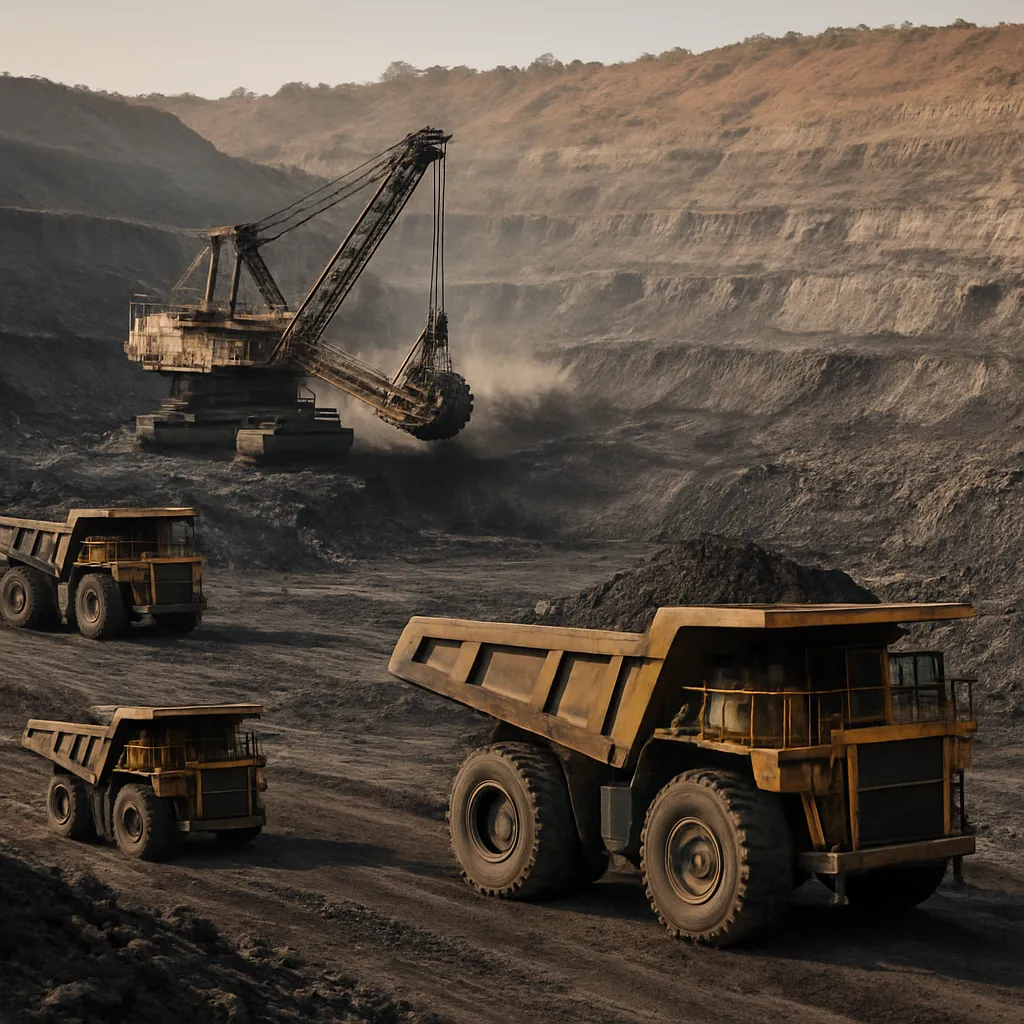
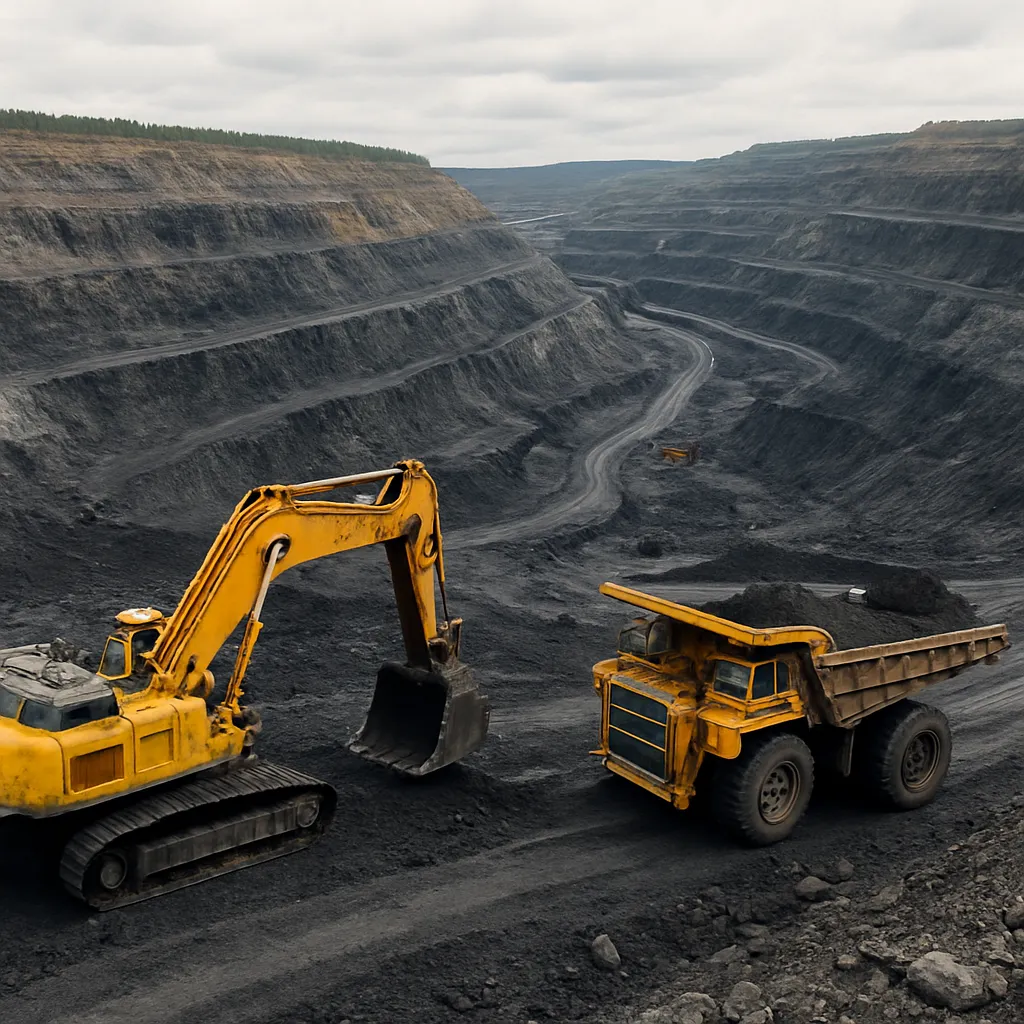
- Open-pit (surface) mining for shallow, thick seams using draglines, shovels, and trucks.
- Underground methods (e.g., longwall or room-and-pillar) for deeper seams to maximize extraction and reduce surface disturbance.
- On-site coal preparation plants (washers) to reduce ash and improve calorific value for export or domestic markets.
Economic and industrial significance
The Yunyagan Mine contributes to local and regional economies through direct employment, procurement, and by supplying coal to industrial users or for export. In Russia, coal is a strategic commodity tied to energy security, industrial feedstock needs, and export earnings. Even mines without global prominence play roles in local energy systems and employment.
Regional economic role
- Coal mines generate direct jobs (miners, technicians, plant operators) and indirect jobs (transport, maintenance, services).
- Local governments often rely on mineral revenues, taxes, and royalties for budgets and infrastructure projects.
- Mine-linked communities typically experience infrastructure investments in roads, housing, and social services financed by operators or public funds.
Market outlets and logistics
Coal from Russian mines is distributed across domestic and international markets. Logistics typically include railways to ports or power plants, where coal is handled and loaded for export or domestic consumption. Key export corridors link Siberian basins to:
- European markets via western rail routes and Black Sea/Baltic ports;
- Asian markets (primarily China, South Korea, Japan) via Trans-Siberian and Far Eastern rail links;
- Domestic power plants and industrial users located within Russia.
Statistical context and available data
Comprehensive, independently verifiable mine-level statistics for Yunyagan are not readily available in global public datasets as of the latest consolidated sources. This is common for smaller or privately owned operations, or for mines where reporting is limited. However, it is possible to place the mine within larger statistical trends for Russian coal production and trade:
- Russia is one of the world’s top coal producers and exporters; coal contributes significantly to the national energy mix and export earnings.
- Major coal-producing regions—such as the Kuzbass (Kemerovo), Pechora, and the Far East basins—are responsible for most of the country’s output; many smaller mines support regional demand and niche markets.
- Industrial consolidation, investment in transport capacity, and demand from Asian markets influence the operational outlook of individual mines.
What is known and what is not
Known:
- Yunyagan is a coal mining site in Russia, part of the country’s broad coal industry.
- Mines in comparable geological settings produce both thermal and metallurgical coal depending on seam characteristics and market demand.
- Regional transport networks, especially rail, are essential for commercial viability.
Not publicly known (or not reliably documented in commonly accessible sources):
- Exact annual production volumes for Yunyagan.
- Proven and probable reserve figures attributable to the Yunyagan concession.
- Detailed coal quality indices (CV, ash, sulfur) specific to the mine.
Operational management, ownership and workforce
Ownership structures for Russian coal mines range from large public companies to regional private operators and joint ventures. Yunyagan’s ownership details may be registered with regional authorities and corporate filings, but these records can be dispersed across Russian-language registries and corporate reports. Typical operational features include:
- On-site management teams overseeing mining, safety, and processing.
- Workforce composed of local residents and seasonal or specialized technicians brought in from other regions.
- Health and safety systems aligned with national regulations, with technical measures such as methane drainage, roof support systems, and mechanized face equipment where used.
Employment and social impact
Coal mining communities often depend heavily on single employers. For a mine like Yunyagan, the social footprint would include:
- Employment opportunities that support local economies and services.
- Social investments by operators in housing, education, and healthcare as part of corporate social responsibility or statutory obligations.
- Challenges related to workforce turnover, occupational health (dust, noise), and the need for continuous training.
Infrastructure and logistics
Efficient logistics are critical to turning coal resources into economic value. For Yunyagan and similar mines, infrastructure considerations include:
- Rail connections to regional trunk lines—these determine access to domestic power stations and export ports.
- On-site crushing, screening, and washing facilities to meet quality specifications required by buyers.
- Road access for auxiliary supplies and personnel transport when rail access is limited.
Export potential and domestic supply
The mine’s role as an exporter or domestic supplier depends on coal quality, volume, and logistics. Higher-quality coking coal tends to command premium export prices, while thermal coal is often sold into domestic power markets or exported if transport economics allow. Government policy and infrastructure investments can shift a mine’s orientation between domestic and export markets over time.
Environmental and regulatory considerations
Coal mining has well-known environmental impacts that are managed through regulation, technology, and rehabilitation practices. For Yunyagan, typical issues and mitigations include:
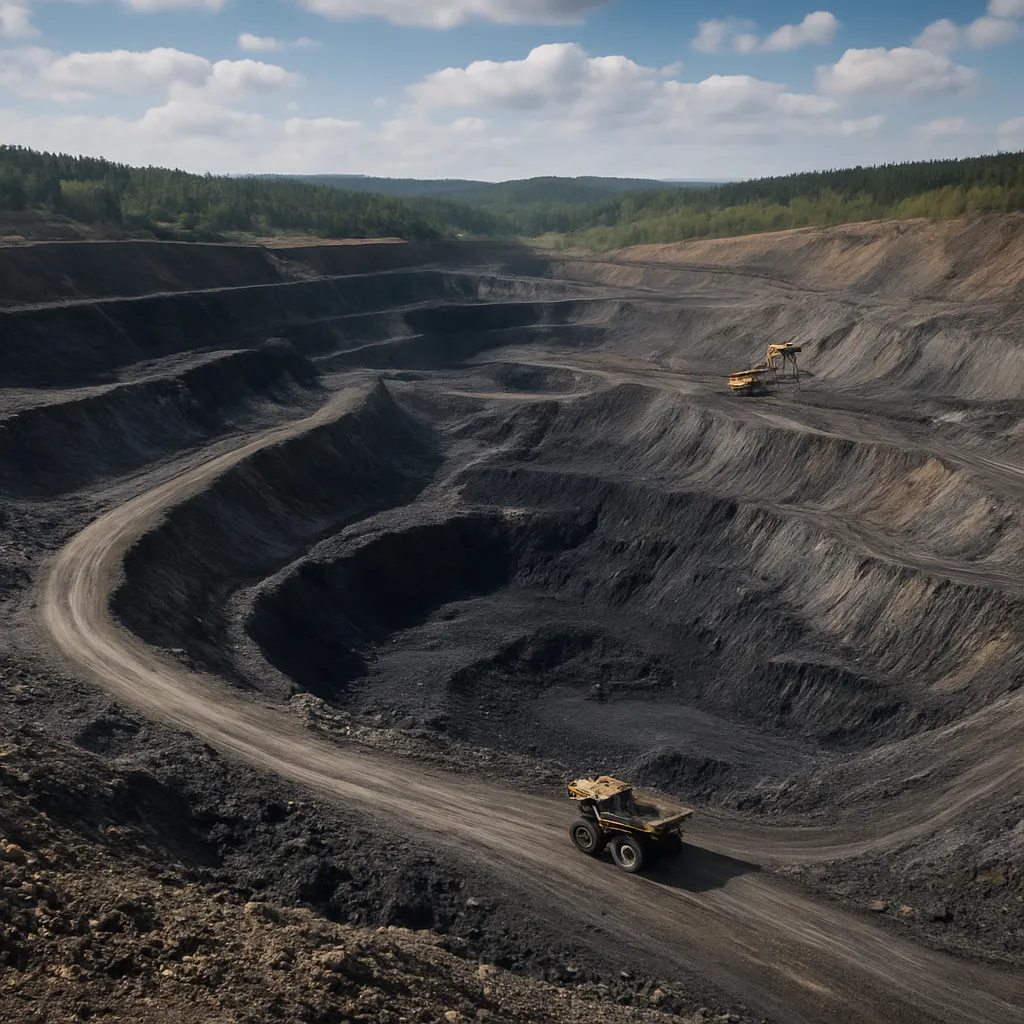
- Land disturbance from open-pit operations requires progressive reclamation and post-mining land use planning.
- Water management to prevent contamination of surface and groundwater, including sediment control and treatment of mine water.
- Air quality management to reduce particulate emissions and fugitive dust through suppression systems and monitoring.
- Methane management in underground mines to reduce greenhouse gas emissions and protect miner safety.
Regulatory framework
Russian environmental and mining regulations require permits for extraction, water use, and emissions. Compliance is enforced at federal and regional levels, with obligations for environmental impact assessment and post-mining rehabilitation. Corporate performance is also increasingly scrutinized by financiers and international buyers seeking adherence to sustainability standards.
Industry significance and strategic implications
While large flagship mines draw most headlines, smaller operations such as Yunyagan are important for the redundancy and resilience of supply chains. They contribute to the national coal portfolio that supports:
- Energy security by ensuring local fuel supplies for power and heating.
- Industrial feedstock continuity for sectors such as metallurgy and cement production.
- Employment and regional development in remote areas where alternative industries may be limited.
Challenges and opportunities
Challenges affecting Yunyagan and comparable mines include volatile coal prices, competition from alternative energy sources, rising environmental expectations, and the capital intensity of modernization (automation and cleaner processing). Opportunities include:
- Upgrading coal processing to improve product quality and fetch higher prices.
- Accessing new markets via improved transport corridors and port capacity.
- Implementing methane capture programs that can generate carbon credits or be used as a local energy source.
Future outlook and prospects
The future for a mine like Yunyagan depends on a combination of geological potential, operational efficiency, market access, and regulatory trends. Key drivers that will shape its trajectory include:
- Global and regional demand for coal, especially in Asia where thermal coal demand has historically remained robust.
- Investments in transport and logistics that lower export costs and open new customer routes.
- Technological adoption—automation, enhanced recovery techniques, and environmental controls—that improve safety, cut costs, and reduce emissions.
- Policy measures tied to climate commitments that could tighten the regulatory environment for coal production and use.
Scenarios
Several plausible scenarios exist:
- If markets remain supportive and infrastructure investments continue, Yunyagan could sustain or expand output, improve product quality, and increase export orientation.
- If domestic policy shifts or decarbonization efforts accelerate without offsetting market demand growth, the mine may be required to diversify, retrofit with cleaner technologies, or reduce scale.
- Strategic investments into methane utilization or coal-to-chemicals could provide alternative value streams for the operation and the community.
Additional interesting facts and context
Coal mining in Russia embodies complex interactions between geology, economics, and geopolitics:
- Many Russian mines operate in remote, harsh climates, demanding specialized logistics and robust worker support systems.
- Coal remains an important contributor to the country’s export revenues and energy mix despite global decarbonization trends.
- Technological modernization—such as digital monitoring, remote-controlled mining equipment, and automated processing—has become increasingly important to maintain competitiveness.
- Local cultural and social dynamics in mining towns often reflect a long history of mining employment and a strong sense of community identity tied to the mine.
Given limited public mine-level statistics for Yunyagan, stakeholders and researchers interested in precise production volumes, reserve estimates, ownership details, or coal quality parameters are advised to consult regional government mining registries, corporate annual reports (if the operator is a registered company), and specialized industry databases that track concession-level data. These sources typically provide the most reliable and up-to-date figures.
Overall, the Yunyagan Mine is a part of Russia’s complex and strategically important coal sector. Its specific contribution to regional development, industrial supply chains, and local employment should be evaluated alongside the broader economic, environmental, and market forces shaping the future of coal in Russia and globally.