This article provides an in-depth overview of the Yarrabee Coal Mine in Australia, covering its location, geology, mining methods, the type and quality of coal produced, economic and statistical information, its role in the wider coal industry, logistics and export pathways, environmental and social issues, and future prospects. Where specific numerical data are not uniformly reported in public sources, ranges and commonly cited estimates are given with explanatory notes. The aim is to present a comprehensive, informative picture of the operation and its significance to regional and national economies.
Location and geological setting
The Yarrabee Coal Mine is situated in central Queensland’s major coal-producing region, part of the larger Bowen Basin coal province. The Bowen Basin is one of Australia’s most productive coal basins and contains multiple seams of Permian-age coal. Yarrabee lies within this geological context—characterised by thick sequences of sedimentary rocks that host a range of coal seams varying in thickness, depth and coal rank.
The mine’s specific setting in the Bowen Basin places it within easy reach of regional mining infrastructure developed over decades. Typical features of the site environment include a mix of open-cut mine benches, surface haul roads, coal handling facilities, and proximity to rail links that connect central Queensland mines to export terminals on the Queensland coast.
- Bowen Basin — major coal province in Queensland
- Permian coal seams — geologic age of most commercial deposits
- Open-cut topography and engineered waste-rock areas
Mineral resources, type of coal and quality characteristics
Yarrabee produces coal typical of the Bowen Basin: primarily sedimentary-origin coals that are used for thermal power generation and, in some seams, for metallurgical processes if higher rank or specific properties are present. The dominant market for many Bowen Basin mines is the export thermal-coal market in Asia, supplying utilities and industrial consumers.
Coal properties of interest at Yarrabee include calorific value (energy content), ash yield, volatile matter, fixed carbon, moisture content, and sulfur level. Many Bowen Basin coals are valued for their relatively high calorific value and competitive ash-sulfur profiles, making them suitable for international buyers seeking reliable combustion performance and manageable emissions profiles.
- Thermal coal — primary product used for electricity generation
- Calorific value — key driver of export demand and price
- Ash and sulfur — important for environmental and processing considerations
Mining method, operations and processing
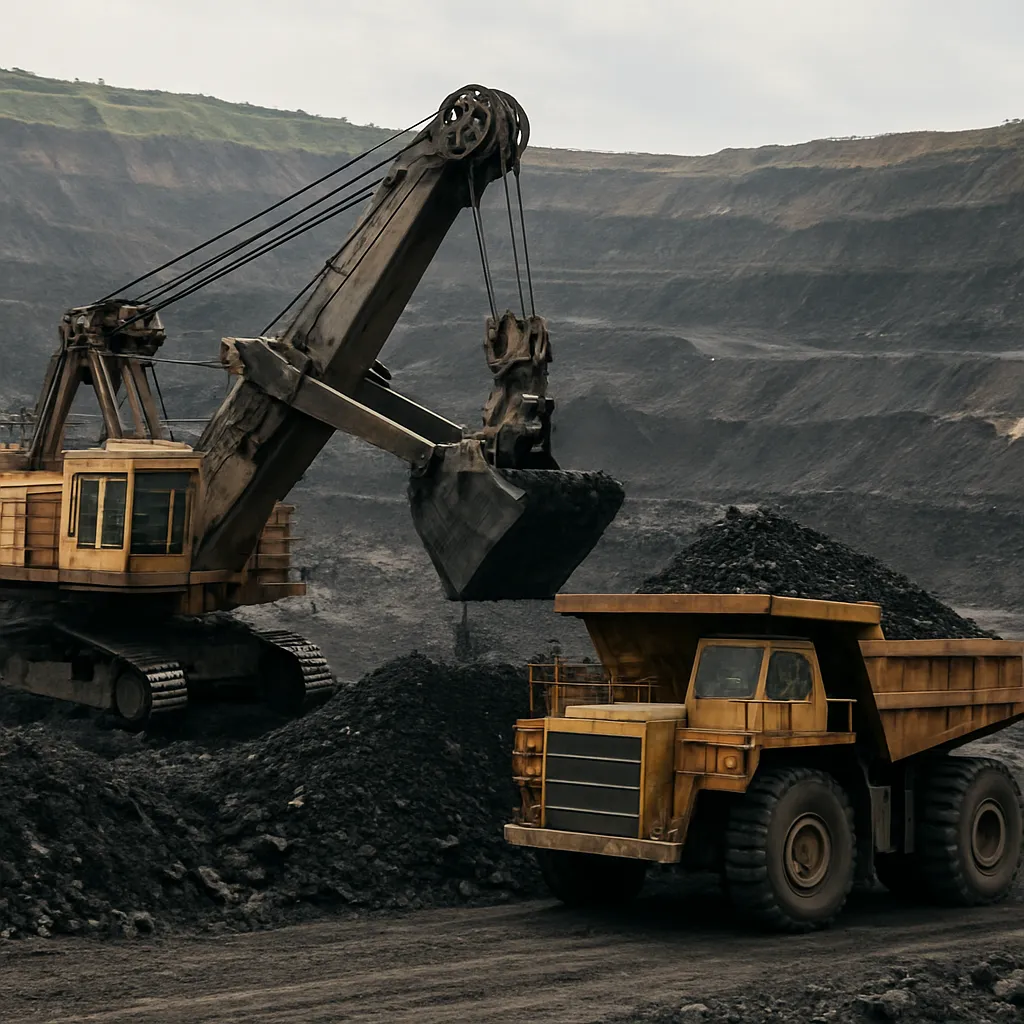
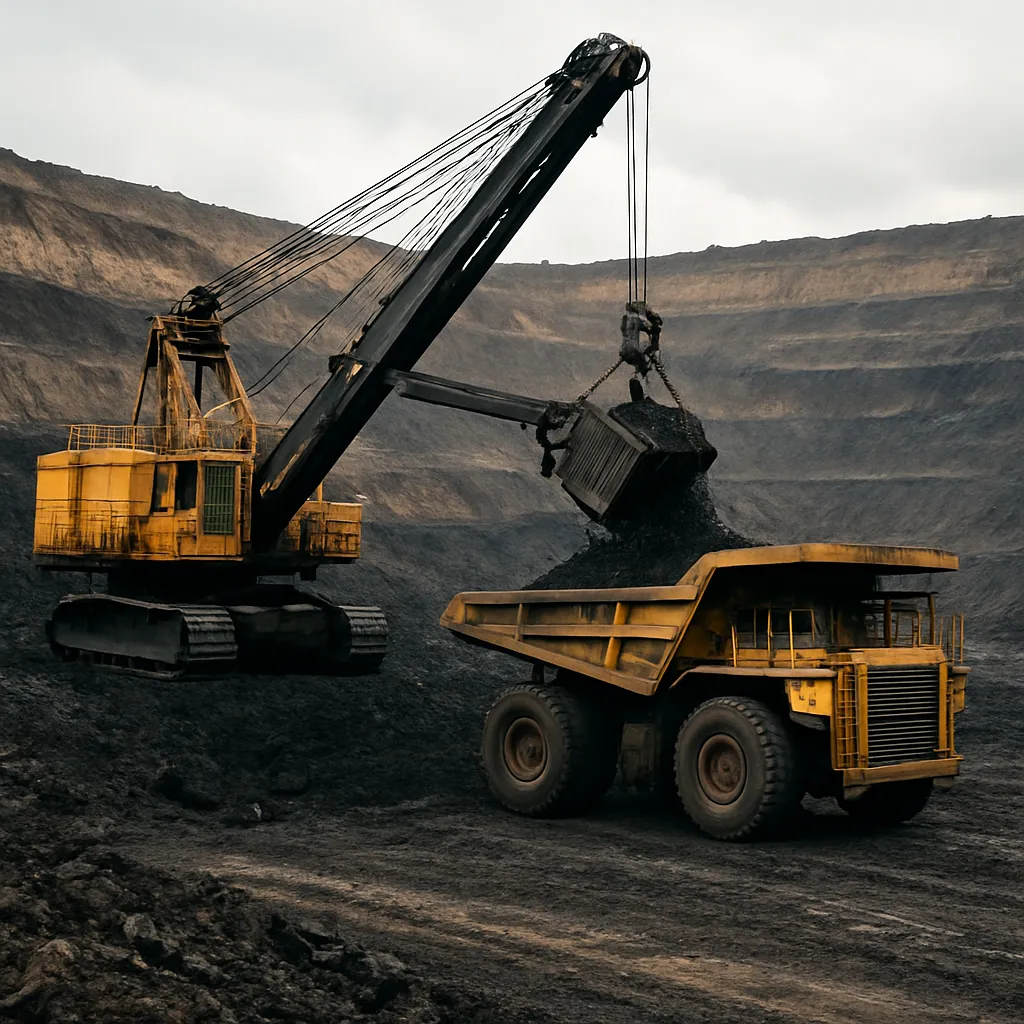
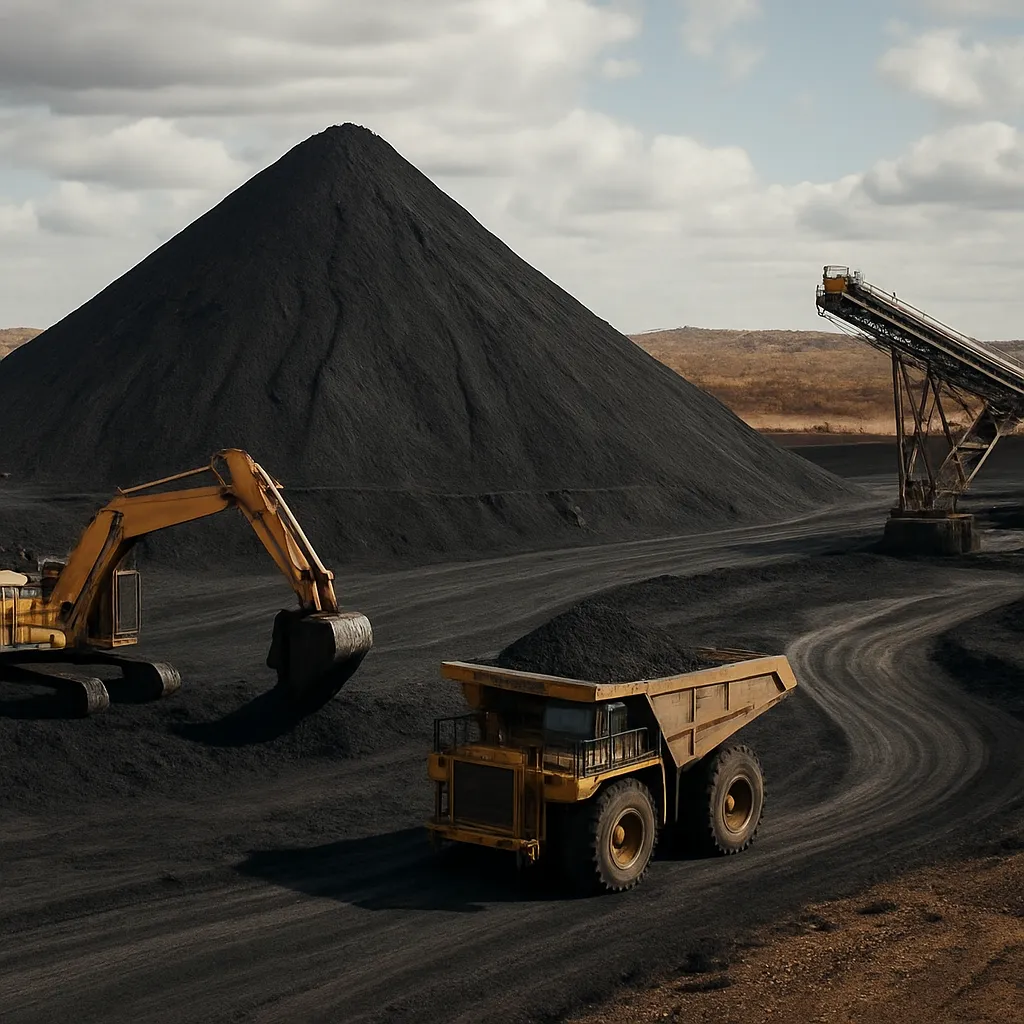
Yarrabee operates principally as an open-cut or surface mine, employing conventional large-scale earthmoving equipment: shovels and hydraulically excavated faces, haul trucks, dozers and draglines in some operations. The mine sequence typically involves progressive overburden stripping, selective coal extraction, on-site crushing and sizing, stockpiling, and transfer to rail loading facilities.
Processing at site often includes coarse and fine screening to meet contract specifications, blending programs to ensure consistent product quality, and basic coal-washing or beneficiation where necessary to reduce ash and improve calorific value. The scale of on-site processing varies with the contractual requirements of buyers and the raw coal characteristics.
- Overburden management — progressive rehabilitation and spoil placement strategies
- Coal beneficiation — washing and blending to meet customer specs
- Safety and automation — industry trends toward remote operations and digital monitoring
Production volumes, reserves and statistical indicators
Publicly available figures for Yarrabee’s production and reserves have varied over time with market conditions, ownership changes and operational planning. Reported production figures for similar mid-sized Bowen Basin open-cut operations commonly fall in the range of 1–5 million tonnes per annum (Mtpa). For Yarrabee specifically, various historical reports and summaries have referred to production and reserve figures in the lower end of that range, but figures can change with new development approvals and exploration results.
Proven and probable reserve estimates at Bowen Basin operations typically depend on the extent of measured seams, long-term mine planning and commodity price assumptions. Reserves can be expressed in million tonnes and often underpin multi-year mining plans. It is common for Queensland coal operations to report:
- Measured and indicated resource tonnes (including coal seams of interest)
- Proved and probable reserves (converted from resources with mine plans and economic assumptions)
- Annual production (tonnes per annum) and life-of-mine estimates (years)
Because mine-specific numbers are sensitive to capital investment, market demand, and regulatory approvals, readers should consult the latest company reports, governmental mining registers or regulatory submissions for the most current reserve and production statistics.
Economic and regional importance
Yarrabee contributes to regional economic development through direct employment, contracting opportunities, royalties and taxes, and by supporting local supply chains. Coal operations in central Queensland often act as economic anchors for small towns and regional service centres, providing payroll, procurement and infrastructure investment.
Key economic impacts include:
- Employment — direct mine staff, contractors, and indirect jobs in logistics, maintenance, and services
- Royalties and taxes — revenue streams for state government and local services
- Company expenditure — capital investment in equipment, roads, camp facilities and utilities
- Local procurement — support for regional suppliers of goods and services
The export revenue generated by coal sales is significant at both enterprise and national levels. A single mid-sized mine exporting a few million tonnes annually can deliver hundreds of millions of dollars in sales value, depending on coal quality and international prices. This revenue supports national balance-of-payments and underpins investment in infrastructure such as rail and port facilities that have wider economic benefits.
Logistics, transport and markets
Logistics are central to Yarrabee’s commercial viability. Coal is typically transported from central Queensland mines to coastal export terminals by dedicated freight rail lines. From these terminals, bulk carriers deliver coal to major markets across East and Southeast Asia, including Japan, South Korea, China, Taiwan and increasingly South and Southeast Asian buyers.
Critical logistics components include:
- Rail — mine-to-port bulk haulage on heavy-haul coal rail networks
- Stockyards and load-out — facilities for blending and staging cargoes
- Ports — deepwater terminals with ship-loading capacity
- Shipping — long-haul bulk carriers (Panamax, Capesize) and scheduling coordination
The reliability of rail access and port throughput can materially influence a mine’s operating plan, export mix and customer commitments. Market conditions determine whether coal shipments are directed primarily to thermal utilities or to industrial coke and steelmaking markets if coking-grade product is available or blended.
Regulatory, environmental and social considerations
Coal mining in Queensland operates within a robust regulatory environment that addresses environmental protection, land use, rehabilitation and Indigenous heritage. Yarrabee is no exception; operations must comply with environmental approvals, water management rules, air quality limits, and progressive rehabilitation obligations.
Main environmental and social focus areas include:
- Water management — controlling surface and groundwater impacts, sediment control and usage reporting
- Air quality — dust suppression, particulate monitoring and emission controls
- Rehabilitation — progressive land restoration and end-use planning (e.g., grazing, conservation)
- Community engagement — local employment, stakeholder consultations and benefit-sharing
- Indigenous heritage — cultural heritage surveys and negotiated agreements when relevant
Industry trends also include increased attention to greenhouse gas emissions, methane management, and corporate commitments toward lowering the carbon intensity of supply chains. Many coal companies are investing in methane capture, energy efficiency, and exploring offsets or rehabilitation programs that enhance biodiversity outcomes on rehabilitated land.
Workforce, safety and technology
A modern surface mine like Yarrabee relies on a skilled technical and operational workforce. Occupational health and safety are regulatory and commercial priorities, enforced through site safety management systems, training, incident reporting and continuous improvement programs.
Technological trends increasingly evident at Australian mines include:
- Automation and remote operations — autonomous haul trucks, remote-controlled shovels and enhanced fleet management
- Digital monitoring — real-time telemetry for equipment health, production and environmental monitoring
- Advanced processing — sensor-based sorting and more efficient beneficiation to lower ash and improve yields
- Safety systems — improved fatigue management, proximity detection and emergency response planning
Investment in these areas can improve productivity, reduce operating costs, and enhance safety outcomes for workers.
Industry significance and market dynamics
Yarrabee forms part of the broad network of Bowen Basin producers that collectively influence global coal markets. While single mines serve specific contractual customers, the aggregated supply from the region helps determine benchmark prices, contract availability, and the competitive dynamics for Asia-Pacific coal buyers.
Market factors that influence Yarrabee’s operations include:
- Global energy demand — especially in Asia where coal-fired generation remains a major source of baseload power
- Price cycles — driven by seaborne demand, currency movements and supply disruptions
- Contract structures — long-term supply agreements versus spot-market sales
- Regulatory change — emissions policies and trade environments that influence demand for different coal qualities
Environmental mitigation and community benefits
As part of contemporary mine management, Yarrabee and comparable operations implement programs intended to mitigate environmental impacts and deliver community benefits. These commonly include biodiversity offset programs, water-saving initiatives, dust and noise control measures, and targeted community investment (education, health, infrastructure).
Examples of community and environmental approaches:
- Progressive rehabilitation — staged land recontouring and revegetation
- Biodiversity corridors — design measures to protect habitat values
- Local procurement policies — awarding contracts to regional businesses where feasible
- Community funds — supporting local services, sporting clubs and social infrastructure
Future outlook, challenges and opportunities
The future of Yarrabee will reflect both the specific project economics and the broader trends in energy transition, commodity markets and technological change. Opportunities exist in ongoing improvements to productivity, cost control, and product quality enhancement. Challenges include commodity price volatility, increasing environmental expectations, and evolving global energy policies that may reduce long-term demand in some markets.
Potential strategic directions include:
- Diversification of products — producing a broader range of coal grades or adding value through beneficiation
- Operational efficiency — adopting automation and predictive maintenance to lower unit costs
- Carbon management — investing in methane capture, electrification of fleets, or offsets
- Rehabilitation leadership — setting high standards for post-mining land use and biodiversity outcomes
Interesting facts and contextual notes
– Yarrabee is part of a cluster of mines that have supported the development of dedicated rail corridors and port infrastructure in Queensland, emphasizing how mineral projects drive wider logistical investments.
– Bowen Basin operations historically have life-of-mine planning horizons spanning decades, given the extensive coal resources present. This allows for long-term community and infrastructure planning.
– The coal produced from central Queensland supplies a mix of long-term contracted utility customers and shorter-term spot buyers; as such, producers often maintain flexible marketing strategies to capture differential pricing across markets.
– Technological adoption in mining—such as remote operation centres and drone-based survey—has increased safety and survey precision, benefiting both productivity and environmental oversight.
Where to find the latest figures and formal data
For the most accurate and up-to-date statistics on Yarrabee Coal Mine—production volumes, reserve updates, ownership details, environmental approvals and community programs—consult the following types of sources:
- Company reports — annual reports and investor presentations from the mine owner/operator
- Regulatory agencies — Queensland government resources and mining tenure registries
- Industry associations — national coal and mining industry bodies that publish aggregated data
- Port and rail authorities — throughput and capacity reports that indicate export flows
These sources will provide validated, time-stamped statistics and allow direct tracking of changes to production, reserves, employment and environmental performance.
Summary
Yarrabee Coal Mine is an integral component of central Queensland’s coal landscape. Embedded in the Bowen Basin, it produces coal that supports domestic and international energy markets. The mine contributes economically through employment, royalties and infrastructure investment while operating under strict regulatory frameworks governing environmental and social performance. Future prospects will be shaped by market demand, technological adoption, and the evolving policy landscape around carbon and energy. For precise, current numerical data, company and government disclosures are the authoritative sources.