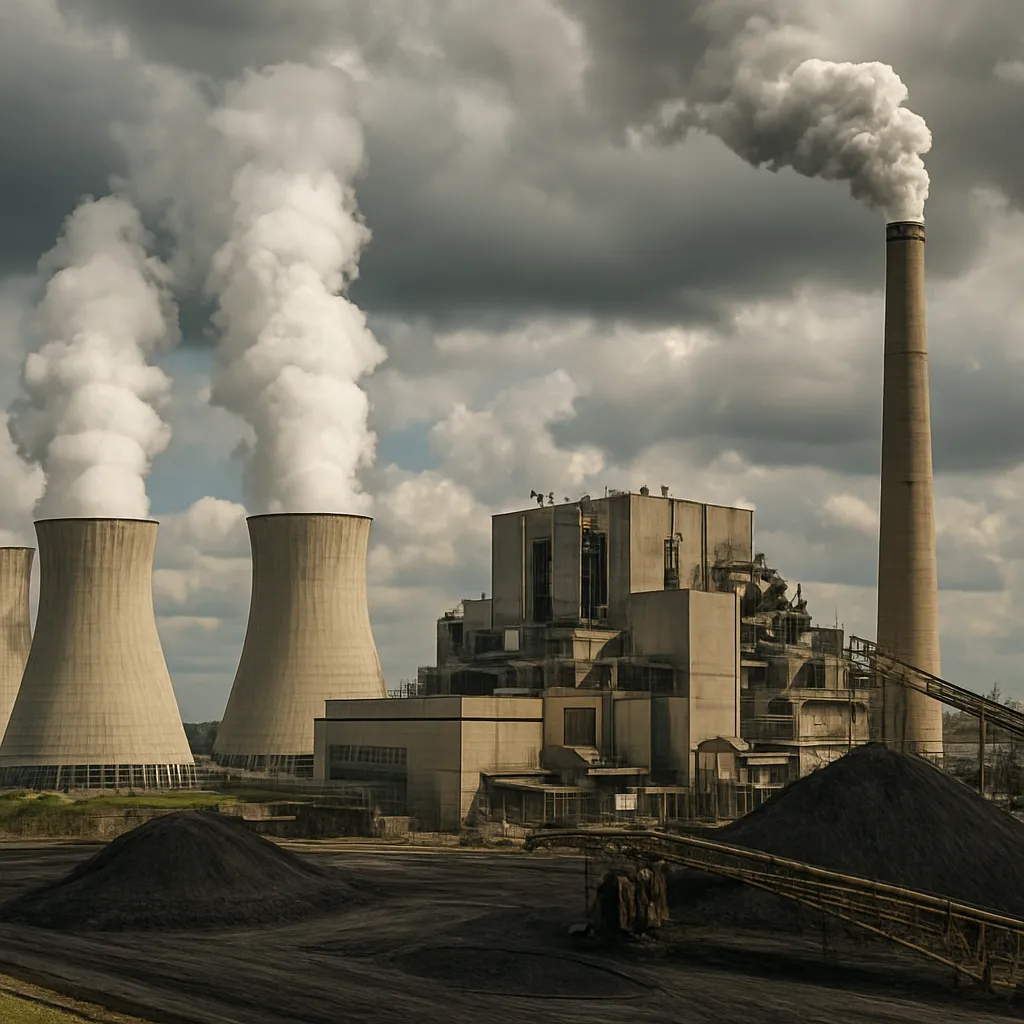
The global reliance on coal continues to spark intense debate among policymakers, investors, and environmental advocates. While many argue for a full-scale exit from fossil fuel–driven power, others propose an intermediate path: retrofitting existing coal plants with cutting-edge technologies. This article examines the intricate web of challenges and opportunities tied to coal, coal stock dynamics, and the notion that upgrading old facilities may serve as a short-term strategy toward a cleaner future.
Understanding Coal and Coal Stocks
Despite steady growth in renewable capacity, coal remains one of the most abundant and widely used energy sources worldwide. The performance of coal stocks often mirrors geopolitical tensions, regulatory shifts, and fluctuations in global demand. Key factors influencing this sector include:
- Market Sentiment: Investor confidence rises or falls based on anticipated policy changes, environmental mandates, and technological breakthroughs.
- Supply Chain Dynamics: Mines, transport networks, port capacities, and the global shipping industry all affect coal availability and pricing.
- Regulatory Pressure: Stricter regulation on pollutants such as sulfur dioxide (SO₂), nitrogen oxides (NOₓ), and mercury influences operational costs and plant viability.
As a result, many utilities have witnessed significant volatility in their share prices, prompting debates on whether to divest from coal entirely or to reinvest in plant upgrades.
The Promise and Pitfalls of Retrofitting
Upgrading existing coal-fired power plants can involve multiple technical interventions, each aimed at boosting efficiency and reducing harmful emissions. These include:
- Advanced Combustion Controls: Optimizing fuel-air mixtures to ensure more complete burning and fewer particulates.
- Flue-Gas Desulfurization (FGD): Removing SO₂ before flue gases reach the atmosphere.
- Selective Catalytic Reduction (SCR): Reducing nitrogen oxide emissions through chemical catalysts.
- Integrated carbon capture and storage (CCS): Capturing CO₂ emissions at the source and sequestering them underground.
Proponents of retrofitting highlight several potential benefits:
- Reduced Capital Expenditures: Upgrades often cost a fraction of building new natural gas or nuclear plants.
- Extended Asset Life: Plants originally scheduled for retirement can operate reliably for another 10–20 years.
- Lower Emissions Intensity: Modern control technologies sharply cut pollutants per megawatt-hour generated.
Yet these advantages come with trade-offs. The additional operational complexity can elevate maintenance burdens, and not all coal plants are suitable retrofit candidates. Some older facilities lack the structural integrity to support heavy equipment or meet contemporary safety standards.
Economic and Environmental Impacts
From an economic standpoint, utilities and stakeholders weigh maintenance budgets against potential returns. Retrofitting projects require significant investment—often supported by government incentives, green bonds, or public–private partnerships. Governments may offer tax credits or grants to incentivize upgrades, viewing retrofitting as a transitional pathway to a more sustainable energy portfolio.
On the environmental front, retrofitting yields immediate reductions in harmful pollutants, but critics point out that it does not eliminate carbon emissions entirely. In cases where carbon capture systems fall short of capturing 100 percent of output, residual CO₂ continues to enter the atmosphere, albeit at lower levels than before. Moreover, continued operation of coal plants under the guise of cleaner technology risks locking in fossil fuel dependence beyond intended deadlines.
Balancing Lifecycle Emissions
True environmental gains must consider the entire lifecycle—from mining impacts to ash disposal. Even with advanced scrubbers and technology add-ons, byproducts like fly ash and bottom ash demand careful handling. Upgrading a plant without addressing waste management may simply shift the pollution burden from air to land and water.
Strategic Considerations for Stakeholders
Utilities, regulators, and investors all face tough choices:
- Utilities must decide whether retrofitting costs justify potential revenue streams, especially when competing technologies like battery storage and solar photovoltaics are rapidly declining in price.
- Regulators need to balance short-term emissions reductions against long-term climate goals. Policies that cohere with national commitments under the Paris Agreement may favor immediate cuts but still call for firm timelines to phase out coal.
- Investors, including those managing coal stock portfolios, must evaluate transition risks. Financial institutions are increasingly employing environmental, social, and governance (ESG) criteria to screen fossil fuel–related assets.
Ultimately, the choice to retrofit or retire coal plants is shaped by local energy demands, grid stability concerns, and the pace of energy transition toward low-carbon solutions. In regions with limited alternative baseload generation, retrofitting may preserve grid reliability while incremental decarbonization takes place.
Looking Ahead: Is Retrofitting a True Bridge?
While retrofitting offers measurable gains in reduced emissions and cost avoidance, it should be viewed primarily as a transition mechanism—not an end state. The technology can act as a bridge between high-carbon operations and a renewables-dominated future. Key success factors include:
- Clear Phase-Out Timelines: Ensuring retrofitted plants retire in alignment with national decarbonization targets.
- Continuous Innovation: Leveraging digital tools, advanced materials, and improved catalysts to push retrofit performance ever higher.
- Integrated Resource Planning: Combining retrofitting strategies with investments in storage, grid modernization, and demand-response programs.
Ultimately, the long-term viability of any coal-based approach hinges on robust policy frameworks, sustained regulation, and the unwavering commitment of stakeholders to transition toward truly zero-carbon energy sources.