The prominence of coal in the global energy mix has endured for centuries, shaping economies, industries, and the daily lives of billions. From powering the first steam engines of the Industrial Revolution to fueling modern power plants, this abundant fossil fuel has proven both a blessing and a burden. Today’s debates often revolve around the balance between reliable baseload electricity and the urgent need to curb greenhouse gas emissions. As climate change concerns intensify, some scientists and engineers champion a suite of “clean coal” technologies—emerging solutions they believe can reconcile energy demands with environmental stewardship.
Background of Coal and Energy Supply
For many nations, coal remains a cornerstone of electricity generation. Its widespread availability and established infrastructure make it an attractive option, especially in regions with extensive reserves. Historically, coal has driven urbanization, industrial growth, and the rise of manufacturing economies. The ability to stockpile large quantities near power stations mitigates supply disruptions, a contrast to the volatility often seen with oil and natural gas markets.
Origins and Formation
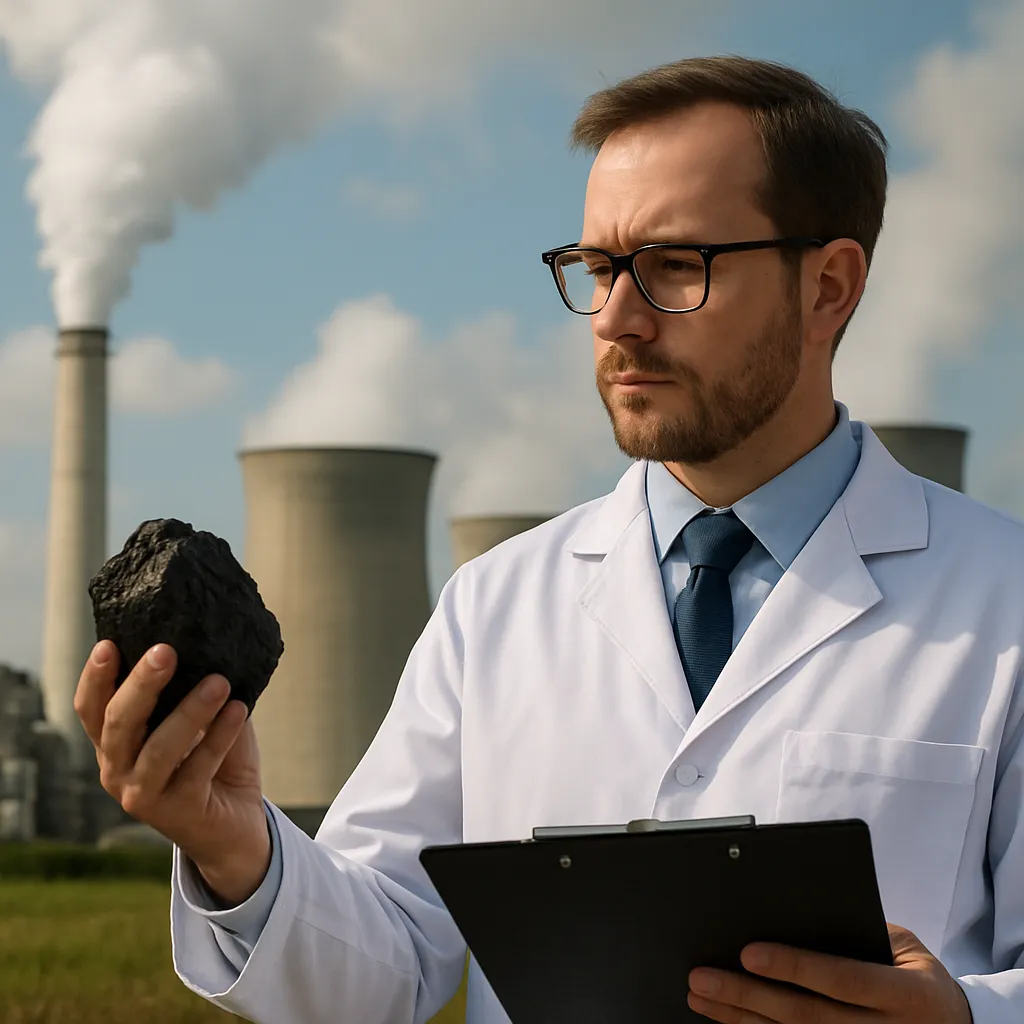
Coal forms over millions of years from plant material subjected to heat and pressure beneath the Earth’s surface. Different grades—ranging from lignite to anthracite—offer varying energy densities and carbon content. High-grade anthracite, for instance, burns cleaner and hotter than softer lignite, influencing choices for power plants and industrial processes.
The Role of Coal in Developing Economies
Developing countries often rely on coal to fuel rapid economic expansion and electrification campaigns. The cost-effectiveness of coal-fired plants fosters wide adoption, while coal’s energy density supports large-scale manufacturing. However, this growth comes at an environmental price, creating a tension between economic priorities and public health.
Environmental Impacts and Economic Stakes
The combustion of coal releases not only carbon dioxide but also sulfur dioxide, nitrogen oxides, particulate matter, and trace metals. These pollutants contribute to acid rain, smog, respiratory illnesses, and ecological damage. The challenge of reducing atmospheric carbon levels has driven research into mitigating these impacts without sacrificing energy reliability.
- Pollution control systems: Flue-gas desulfurization and selective catalytic reduction units remove sulfur and nitrogen compounds.
- Particulate filters: Electrostatic precipitators and fabric filters capture fine ash particles before release into the atmosphere.
- Mercury removal: Activated carbon injection systems trap heavy metals within the boiler’s exhaust path.
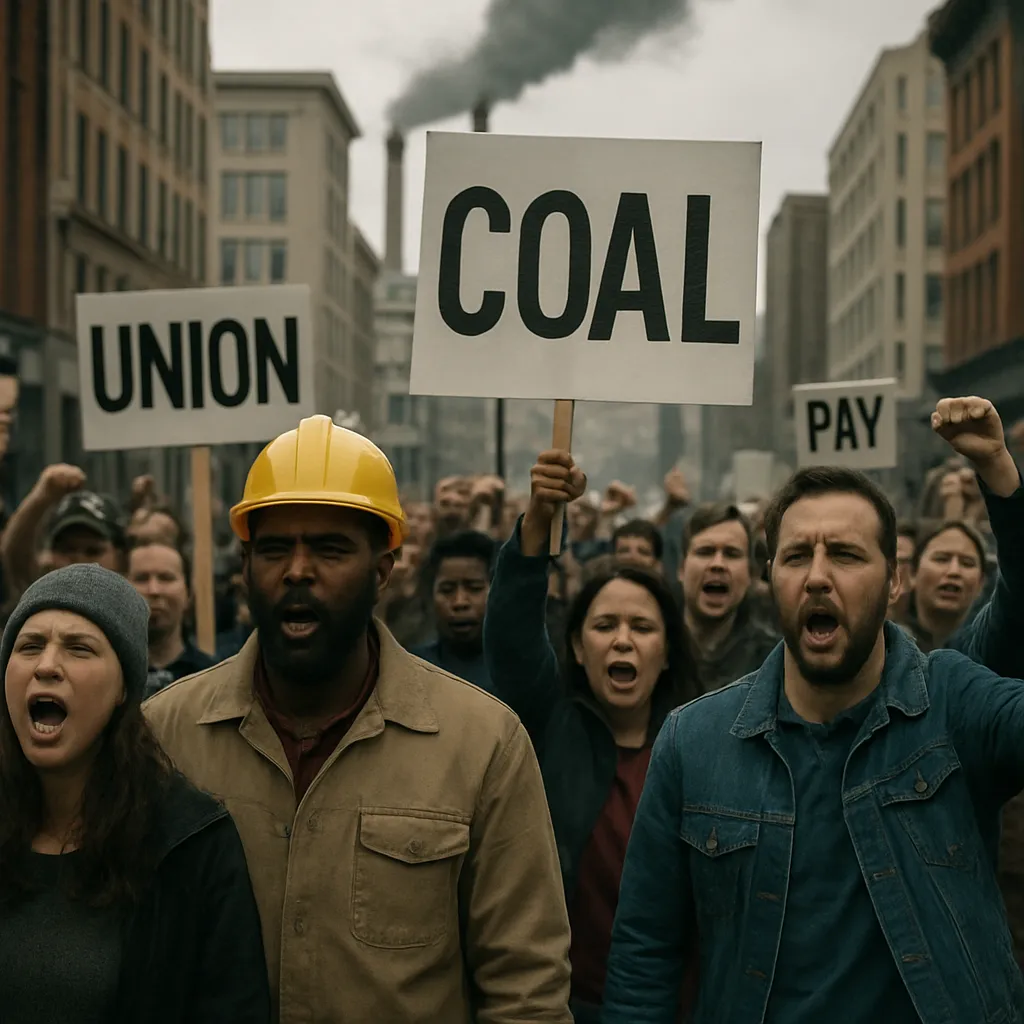
From an economic perspective, coal generates significant employment, from mining operations to plant maintenance and transportation logistics. Coal stocks listed on global exchanges represent an attractive investment for portfolio diversification, albeit one exposed to regulatory and environmental risks. Share prices can fluctuate based on policy signals, climate agreements, and the rising competitiveness of renewable alternatives like wind and solar.
Clean Coal Technologies: Hopes and Criticisms
Proponents of clean coal emphasize a set of advanced processes aimed at reducing both local air pollutants and global greenhouse gases. While skeptics dismiss the term as an oxymoron, certain innovations promise genuine emissions reductions when paired with rigorous oversight.
Key Technological Pathways
- Carbon Capture and Storage (CCS): Capturing CO₂ from flue gases, transporting it via pipelines, and injecting it into deep geological formations for sequestration.
- Integrated Gasification Combined Cycle (IGCC): Converting coal into a synthetic gas that can be cleaned of impurities before combustion in a high-efficiency turbine.
- Oxy-fuel Combustion: Burning pulverized coal in pure oxygen to produce a concentrated CO₂ stream, simplifying capture efforts.
- Coal-to-Liquids (CTL): Transforming coal into liquid fuels, with potential for partial carbon recovery if paired with capture techniques.
Despite significant innovation, clean coal faces hurdles. High capital costs, energy penalties associated with capture, and uncertainty about long-term CO₂ storage integrity have stalled large-scale deployment. Critics argue that investment in renewables and energy efficiency yields faster emissions cuts at lower cost. Yet supporters counter that coal’s reliability and global reach demand transitional solutions that minimize climate risks without sacrificing energy security.
Market Dynamics and Coal Stocks
The financial performance of coal companies reflects a complex interplay of global demand, policy landscapes, and technological trends. Investors often assess coal stocks through metrics such as production volume, reserve quality, and regulatory compliance.
Risk Factors and Opportunities
- Regulatory shifts: Stricter emissions targets or carbon pricing mechanisms can erode profit margins but also incentivize clean technology adoption.
- Fuel switching: Utilities transitioning to cheaper or cleaner fuels may reduce coal demand, impacting stock valuations.
- Geopolitical tensions: Export-dependent coal producers face uncertainties related to trade disputes, tariffs, and shipping disruptions.
- Technological breakthroughs: Advances in CCS or IGCC can improve a company’s competitive position and attract investor interest.
Major energy firms now weigh coal exposure against alternative investments in gas, renewables, and emerging storage solutions. For some, maintaining a diversified energy portfolio—including modernized coal assets—offers resilience against market volatility and policy shifts.
Policy, Public Perception, and Future Prospects
Government policies significantly shape the trajectory of coal and its associated emissions. Incentives for clean energy, carbon taxes, and public funding for research steer both industry priorities and investor decisions. Public perception also plays a crucial role; communities adjacent to coal plants often advocate for stricter pollution controls or plant closures, driving utilities to explore cleaner operations.
International Frameworks
- Paris Agreement commitments influence national strategies on coal plant retirements and clean technology rollouts.
- Financial institutions increasingly screen coal-related projects for environmental, social, and governance (ESG) compliance.
- Multilateral development banks reevaluate lending to coal ventures, favoring sustainable energy initiatives.
Looking ahead, the viability of clean coal hinges on bridging the gap between ambitious emissions targets and energy realities. While renewables accelerate, grid stability concerns and industrial heat demands sustain coal’s relevance. If CCS and related methods achieve greater cost-effectiveness and reliability, coal-powered plants could operate with dramatically reduced climate impact.
Ultimately, the debate over “clean coal” underscores a broader dialogue about the future of global energy. With climate change as a pressing challenge, balancing economic growth, environmental protection, and energy security demands both technological ingenuity and inclusive policy frameworks. As the energy landscape evolves, coal—and the companies behind it—must adapt or risk fading from the forefront of power generation.