Coal has played a pivotal role in shaping the modern world, powering the rise of heavy industry, driving transportation, and leaving behind a rich tapestry of industrial sites. Its legacy extends far beyond the simple act of burning carbon-rich rock; it encompasses geological wonders, complex logistics of stock management, and a heritage that invites both admiration and reflection. This article delves into the multifaceted story of coal, exploring its origins, the challenges of storing and trading bulk fuel, the cultural significance of abandoned mines, and the push toward a more sustainable future.
Geological Formation and Extraction
The journey of coal begins millions of years ago in swampy environments, where plant matter accumulated under waterlogged conditions, eventually transforming into peat. Over time, increasing pressure and temperature metamorphosed this peat into the various ranks of coal. Geologists categorize coal into several primary grades:
- Anthracite: The hardest, highest-carbon variety, renowned for its cleanliness and high heat output.
- Bituminous: The most abundant type, prized for its versatility in power generation and coke production.
- Lignite: Known as brown coal, with lower carbon content and higher moisture, often used near its source to minimize transport costs.
- Sub-bituminous: Intermediate between lignite and bituminous, balancing energy density and extraction ease.
Extracting coal requires sophisticated engineering and rigorous safety measures. Underground mines use methods such as room-and-pillar or longwall mining, each presenting unique challenges in ventilation, roof support, and worker protection. Open-pit mining, while less hazardous to personnel, dramatically alters landscapes and demands extensive infrastructure for overburden removal. Modern operations rely on advanced geotechnical surveys and remote monitoring to optimize extraction and reduce environmental risk.
Coal Stock Management and Trade
Once extracted, coal enters a global supply chain that hinges on efficient stockpile management and robust logistical networks. Storage yards adjacent to ports, power plants, and steel mills must prevent spontaneous combustion, moisture ingress, and contamination. Engineers design stockpiles with proper drainage, windbreaks, and layering systems to preserve the quality of the fuel.
Key components of coal stock management include:
- Segregation by grade to meet specific industrial specifications.
- Frequent quality assessments, measuring calorific value, ash content, and sulfur levels.
- Automated conveyor systems to minimize handling time and reduce dust emissions.
- Use of covered storage or chemical inhibitors where environmental regulations are stringent.
Trade in coal connects suppliers in resource-rich regions with consumers worldwide. Major export hubs such as Australia’s Queensland coast or the South African ports handle tens of millions of tonnes annually. Contracts for fossil fuels hinge on benchmark indices, while shipping logistics involve chartering bulk carriers, navigating geopolitical complexities, and hedging price volatility through futures markets.
Industrial Heritage: Lessons from Old Mines
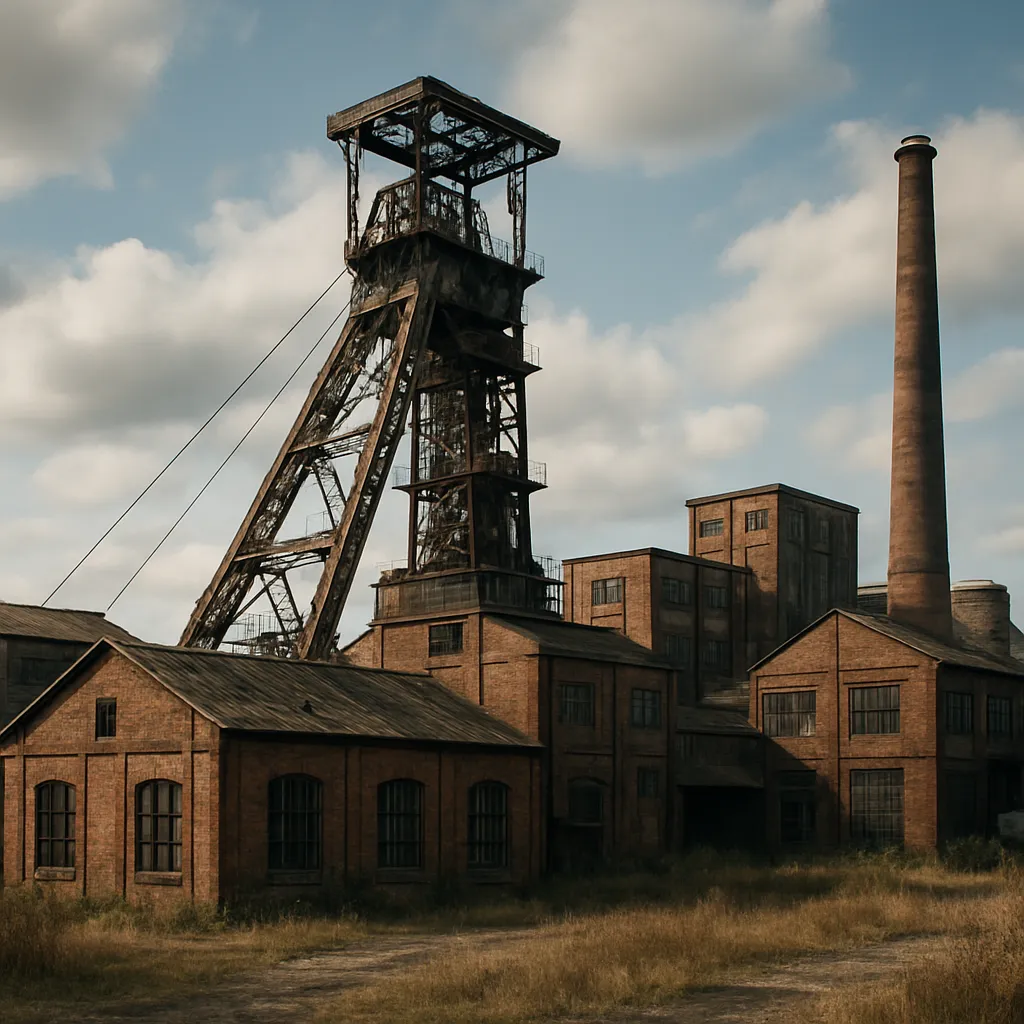
Abandoned coal mines stand as monuments to human ingenuity and perseverance. From the heaving headgear towers of 19th-century collieries to the labyrinthine tunnels deep underground, these sites offer insights into the social and technological evolution of the industrial revolution. Preserving this heritage involves adaptive reuse strategies that honor the past while engaging contemporary audiences.
Conservation and Interpretation
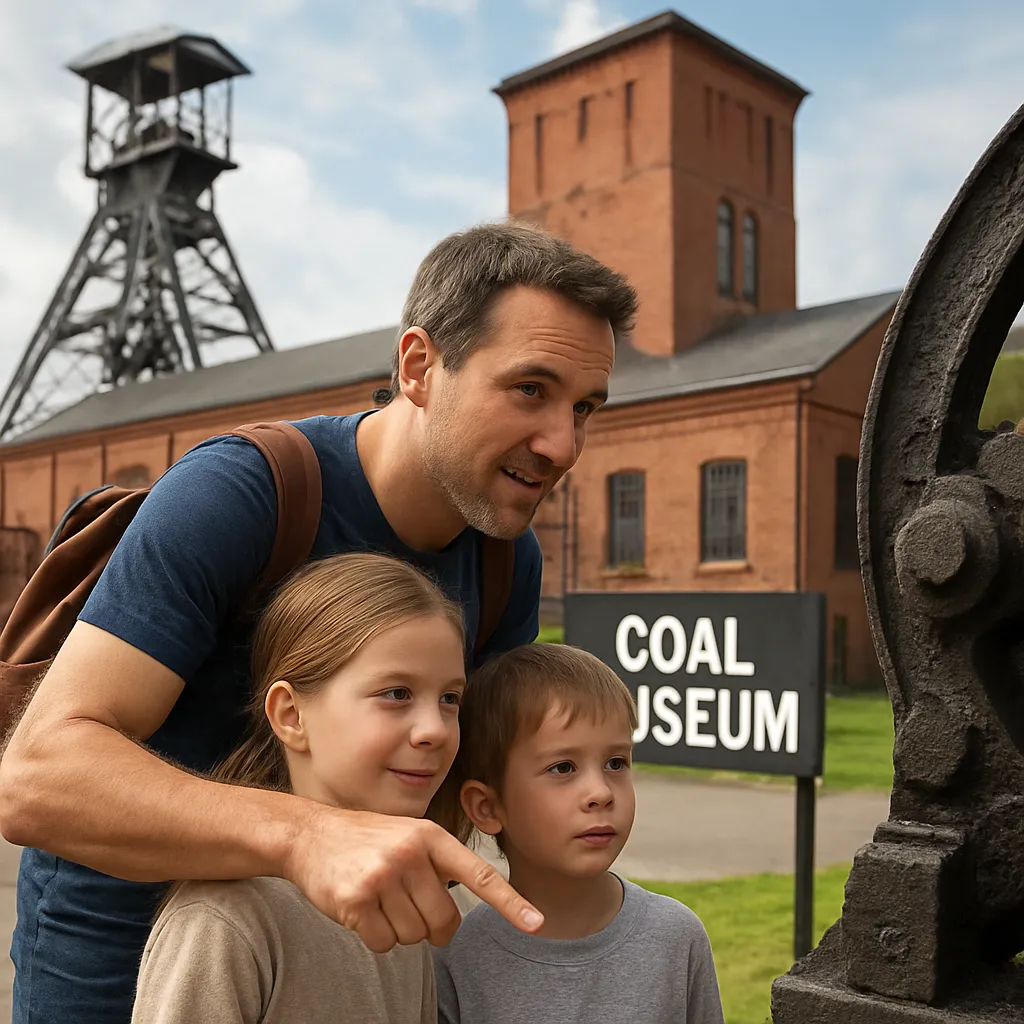
- Turning former pit villages into open-air museums showcasing miners’ homes, workshops, and communal spaces.
- Creating interpretive trails that guide visitors through winding shafts, blackened by history, with audio-visual aids recounting miners’ experiences.
- Retrofitting former workshops and engine houses into cultural centers, galleries, or event venues, stimulating local economies.
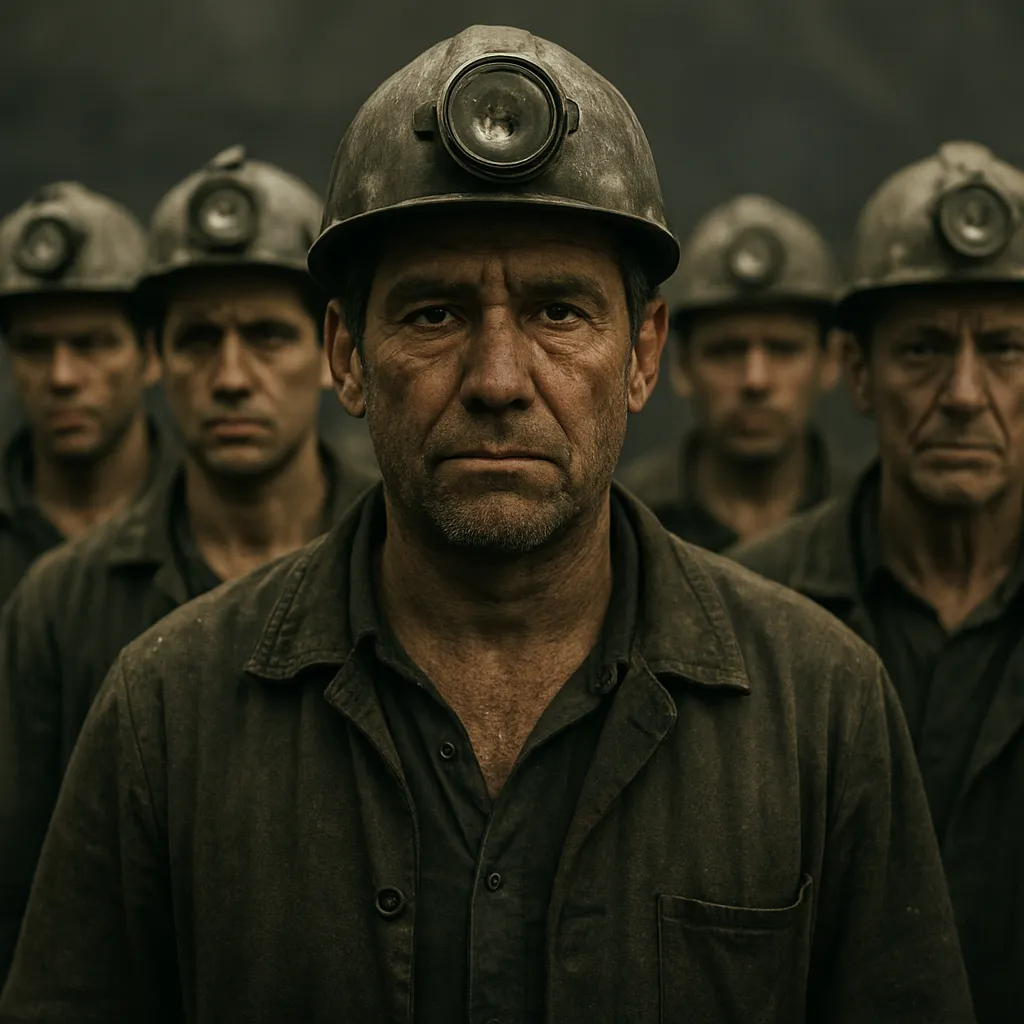
Communities often rally around these heritage projects, fostering a sense of pride and identity. The coalfields of Northern England, the Ruhr in Germany, and Pennsylvania’s anthracite belt exemplify regions where industrial relics have been reimagined as focal points for tourism and education. By engaging stakeholders—from former miners to urban planners—these initiatives highlight the dual narratives of economic prosperity and the toll of industrial labor.
Environmental Impact and the Path to Sustainability
The extraction and combustion of coal have long been associated with significant environmental concerns. Emissions of carbon dioxide, particulate matter, and greenhouse gases contribute to climate change and air quality issues. Furthermore, mine drainage can release heavy metals, acidifying waterways and threatening biodiversity.
Mitigation Strategies
- Carbon capture and storage (CCS) technologies that trap CO2 emissions at power stations and sequester them in geological formations.
- Reclamation of abandoned mine lands, restoring topsoil, replanting native vegetation, and creating wetlands to filter runoff.
- Transition programs that retrain workforces for roles in renewable energy sectors, ensuring economic resilience in former coal-dependent regions.
While global energy systems are shifting toward wind, solar, and hydroelectric power, coal remains a significant part of the energy mix in many countries. The challenge lies in balancing energy security with the imperative of sustainability. Innovative approaches, such as co-firing biomass in existing coal plants or deploying small modular reactors in former mining communities, illustrate pathways toward a cleaner, diversified energy portfolio.
Coal—once the driving force behind steel mills, railroads, and steamships—continues to shape economies and landscapes. Understanding its full story, from the depths of ancient swamps to the majestic steel frameworks of industrial relics, reveals lessons in resource management, cultural preservation, and environmental stewardship. By learning from the past and embracing new technologies, societies can navigate the transition beyond a carbon-intensive era and forge a more sustainable future.