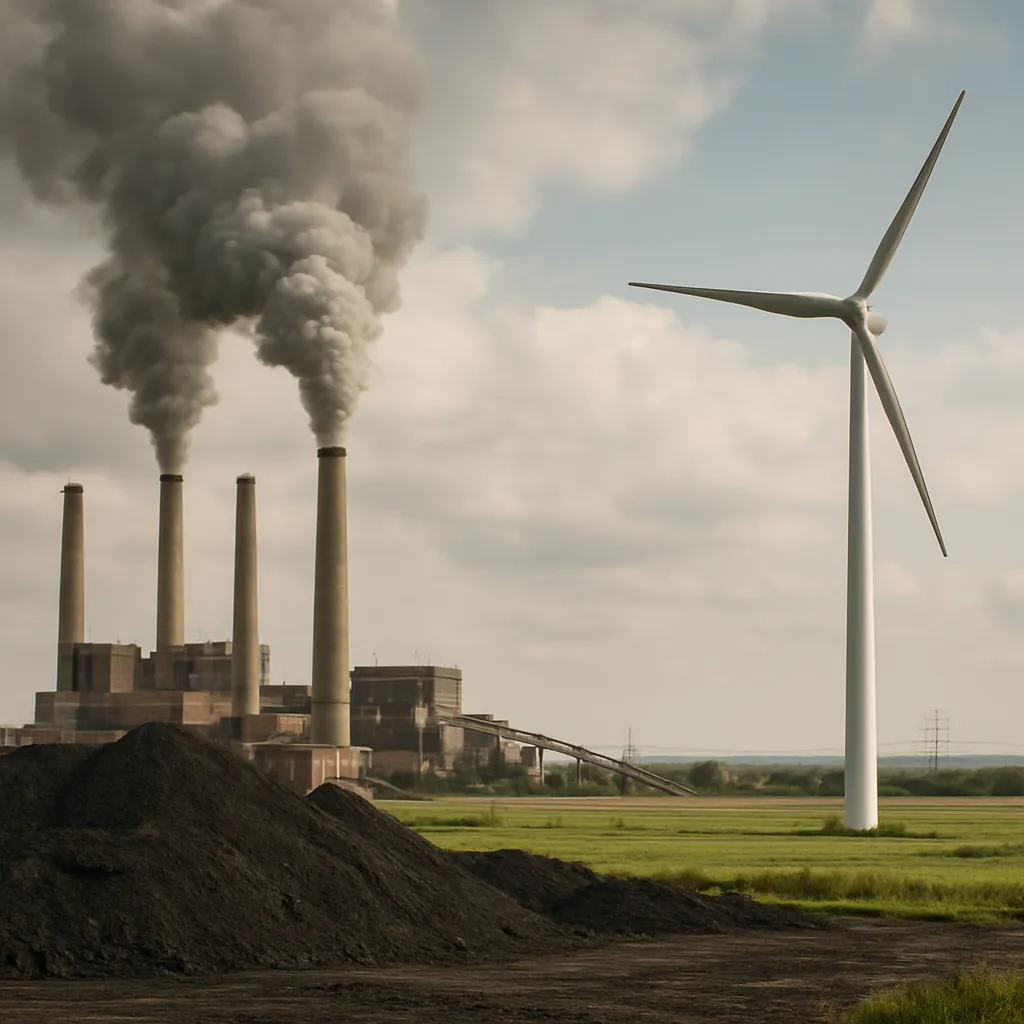
Coal has been a cornerstone of industrial development for centuries, shaping economies and fueling progress. Its journey from ancient carbon deposits to today’s market reflects a complex interplay of technology, policy and market dynamics. By examining coal’s history and current trends, investors and policymakers can derive lessons that inform the future of energy.
Historical Evolution of Coal Energy
The story of coal begins in the depths of geological time, when plant matter was buried and compressed into the dense carbon we mine today. Early use of coal dates back to ancient China and Rome, but it was the Industrial Revolution that propelled coal to global prominence. Factories, railways and steamships depended on its abundant heat, creating a template for modern energy systems.
Rise of Coal in the 19th Century
Between 1800 and 1900, coal consumption skyrocketed. Innovations such as the steam engine and mechanized mining boosted productivity. Major coalfields in the United Kingdom, the United States and Germany powered factories and urban expansion. By 1900, coal provided over 50% of global energy needs, illustrating its vital role in industrialization.
20th-Century Developments
The 20th century witnessed both peaks and challenges for coal. World Wars demanded vast fuel supplies, reinforcing coal’s strategic importance. However, the oil boom and emergence of natural gas began to challenge coal’s dominance. Despite this, coal-fired power plants continued to multiply, especially in emerging economies seeking reliability and cost-effective energy.
Coal Markets and Stock Investments
Understanding the coal market requires an analysis of supply, demand and pricing mechanisms. Investors eyeing coal-related stocks must navigate a landscape marked by volatility and regulatory pressures, as well as opportunities in both mining operations and ancillary industries.
Key Players and Industry Structure
The coal sector comprises various participants:
- Mining Companies: Operators such as Peabody Energy, Arch Resources and Glencore extract and process coal.
- Utilities: Power generation firms that burn coal for electricity.
- Equipment Manufacturers: Firms supplying mining machinery and safety systems.
- Trading Houses: Companies that buy, sell and transport coal globally.
Pricing Dynamics
Coal prices fluctuate based on factors such as:
- Global economic growth, which drives energy demand.
- Alternative fuel prices, including oil and natural gas.
- Logistics costs, especially shipping and rail access.
- Weather patterns, influencing heating and cooling needs.
Seasonal cycles often see prices rise in winter months and ease during milder seasons. Investors track benchmark indices like the Newcastle and API2 coal price indices to gauge market sentiment.
Investment Strategies
Allocating capital to coal stocks involves balancing risk and reward:
- Value Investing: Identifying underpriced firms with stable cash flows.
- Growth Plays: Targeting companies expanding into high-demand regions.
- Dividend Stocks: Selecting miners with consistent payout histories.
- ETF Exposure: Using commodity and sector ETFs for diversified coal exposure.
Portfolio managers often blend coal equities with renewable energy names to hedge regulatory risks and align with broader sustainability trends.
Environmental and Technological Challenges
Coal’s environmental footprint has become a focal point of debate. Emissions of carbon dioxide, sulfur dioxide and particulates raise health and climate concerns. Technological innovations aim to mitigate these impacts, but challenges remain formidable.
Emissions and Pollution
Coal combustion produces:
- CO₂: A major greenhouse gas driving climate change.
- SO₂ and NOₓ: Contributors to acid rain and respiratory illness.
- Particulate Matter: Linked to cardiovascular issues.
Regulations such as the Clean Air Act in the United States and the EU’s Industrial Emissions Directive have mandated stricter emission controls, compelling operators to adopt advanced technologies.
Clean Coal Technologies
Efforts to reduce coal’s environmental footprint center on:
- Carbon Capture and Storage (CCS): Capturing CO₂ before it enters the atmosphere and injecting it underground.
- Flue-Gas Desulfurization: Removing sulfur compounds from exhaust streams.
- Low-NOx Burners: Minimizing nitrogen oxide formation during combustion.
- Coal Gasification: Converting coal into cleaner synthetic gas for power generation.
While these technologies offer promise, high capital costs and energy overhead limit widespread deployment. Governments often provide incentives or subsidies to spur innovation and commercial viability.
The Road Ahead: Transition Strategies
The global energy transition toward lower-carbon sources challenges the coal sector to adapt. Two parallel strategies emerge: gradual decarbonization of existing assets and diversification into alternative energy.
Asset Optimization
Coal plant operators can extend the life of existing facilities by:
- Upgrading turbines and boilers for higher efficiency.
- Implementing digital monitoring for predictive maintenance.
- Co-firing biomass or hydrogen blends to reduce net emissions.
These measures enhance competitiveness in markets where energy demand remains robust but environmental regulations are tightening.
Diversification into Renewables
Leading coal companies are investing in wind, solar and energy storage to build a balanced portfolio. This approach hedges against declining coal demand and aligns with investor preferences for resilient, low-carbon assets. Examples include:
- Acquiring or partnering with solar project developers.
- Repurposing decommissioned mines for pumped hydro storage.
- Launching green hydrogen initiatives using coal gasification byproducts.
Policy and Market Drivers
Key factors influencing coal’s future trajectory:
- Carbon Pricing: Emissions trading systems impose costs on CO₂ output.
- Subsidies and Incentives: Grants for CCS and renewable deployments.
- International Agreements: Commitments under the Paris Agreement.
- Technological Breakthroughs: Advances in storage and grid management.
Stakeholders must navigate a shifting policy landscape that rewards transition and penalizes high-emission practices. Strategic engagement with regulators and investment in R&D become critical for long-term viability.
Conclusion of Coal’s Legacy and Future
Coal’s rich history offers insights into the dynamics of energy transitions. Though its dominance is waning in many regions, coal remains a significant player in global energy supply. By embracing technological solutions, diversifying portfolios and adhering to stricter environmental standards, industry participants can ensure coal continues to contribute to the evolving energy tapestry. Investors should remain vigilant to regulatory trends, market signals and innovation pathways to capitalize on both legacy assets and emerging opportunities.