Deep beneath industrial landscapes, the harnessing of coal ignited a transformation that powered factories, fueled locomotives, and shaped modern society. This narrative explores the vital role of this black mineral, the emergence of organized labor movements, and the interplay between miners’ struggles and the evolving dynamics of coal stock markets. By tracing early extraction methods, union formation, and financial innovations, we uncover a story of resilience, investment, and innovation that continues to influence energy debates today.
Origins of Coal Extraction
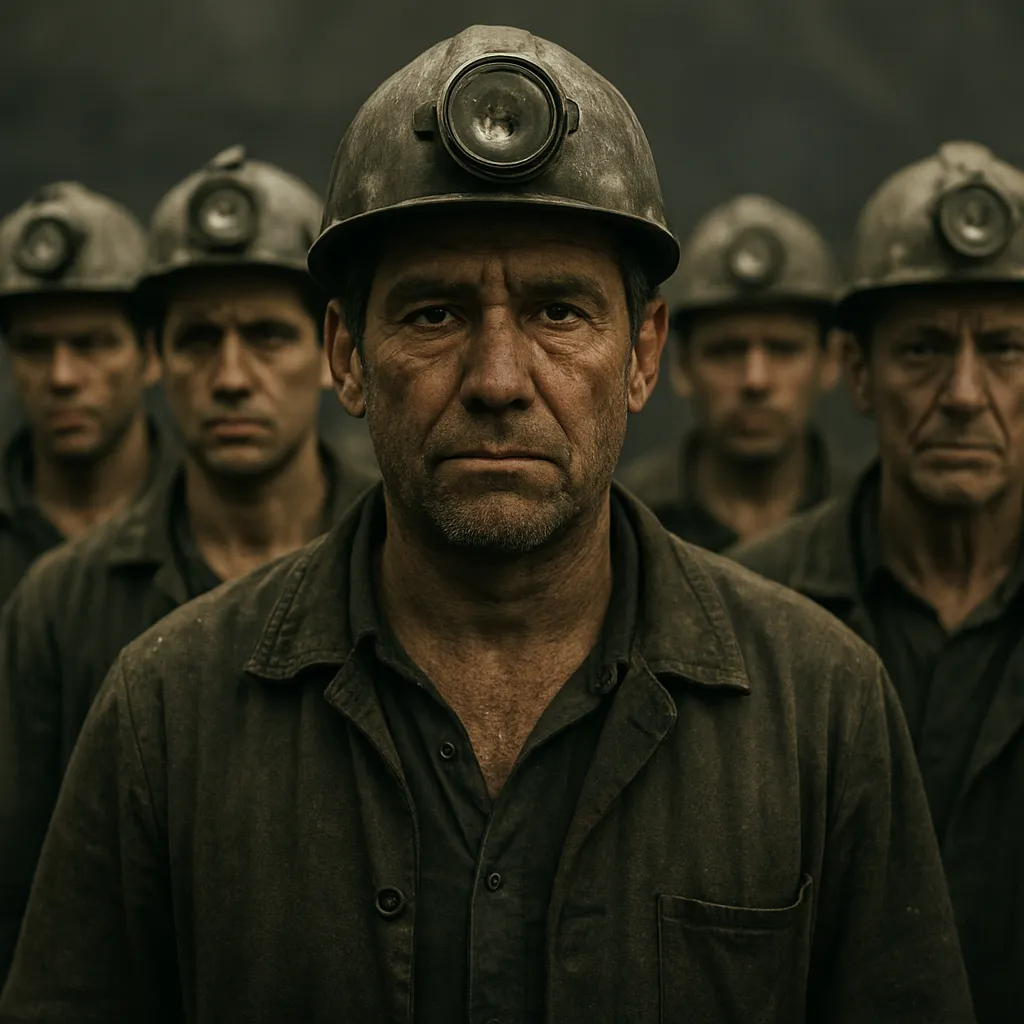
The use of coal dates back millennia, with early societies uncovering shallow seams for simple hearths. As demand grew, communities in Britain, China, and continental Europe delved deeper. Primitive shaft-sinking and adit drives gave way to mechanized pumps and ventilation systems by the 18th century. In these mines, men worked under harsh conditions, breathing dust-laden air and relying on rudimentary lighting such as oil lamps or early safety lamps. Despite dangers, coal remained the “black diamond” of emerging industries.
Technological Beginnings
- Use of wooden pit props to shore up shafts
- Transition from hand tools to steam-powered pumps
- Introduction of the candle or open flame for illumination
- Early ventilation via natural draughts and furnace shafts
These innovations increased output but also introduced new hazards. The struggle to balance productivity with safety would soon become a rallying point for labor organization.
The Rise of Coal Miners and Early Associations
By the late 1700s, entire communities formed around mining villages. Families depended on a single pit, and generations often served the same colliery. Informal bonds emerged as miners shared knowledge about roof support, gas detection, and drainage. Small mutual-aid societies provided rudimentary insurance against accidents, burying funds in a common box to aid injured workers or families of the fallen.
Community Structures
- Trust funds managed by pit officials or respected veterans
- Rotating credit circles for emergency expenses
- Local gathering halls that doubled as meeting places
- Oral newsletters and notices passed by lamplighters
Although these groups lacked formal recognition, they sowed seeds for more structured entities. The harshest disasters—explosions, floods, collapses—demonstrated that collective action could force mine owners and lawmakers to pay attention to safety concerns.
Formation of the First Miners’ Unions
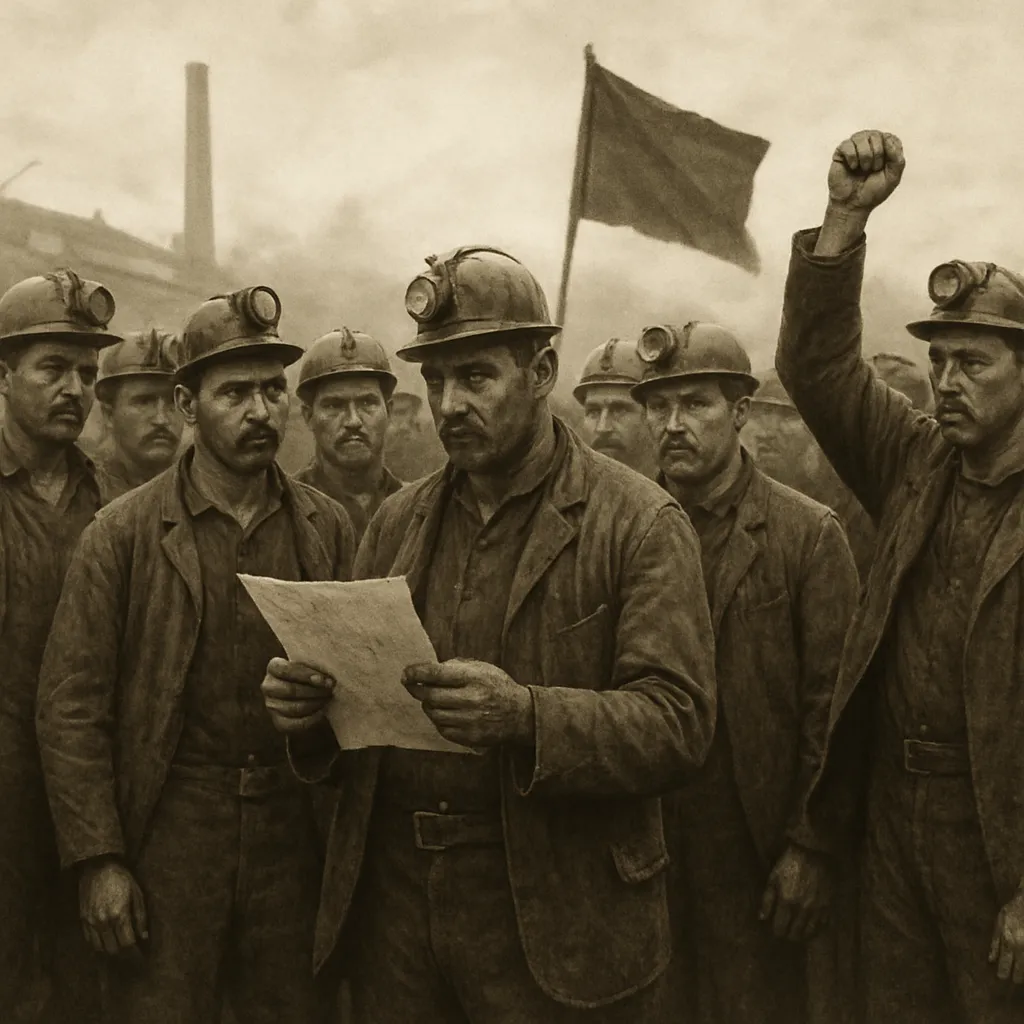
During the Industrial Revolution, the need for an organized body to negotiate wages, hours, and safety standards became undeniable. Starting in the 1840s, charismatic leaders and local secretaries drafted constitutions for regional unions. In Britain, the Northumberland and Durham Miners’ Association united multiple collieries, while in the United States, early bodies like the Philadelphia Miners’ and Engineers’ Association emerged.
Key Milestones
- 1842: The seminal strike in England demanding an eight-hour workday
- 1869: Establishment of the Miners’ National Union in Britain
- 1870s: Spread of lodge systems, each lodge sending delegates to a central body
- 1880: First coordinated transatlantic correspondence among labor leaders
The newly formed unions began publishing periodicals that detailed strike funds, legal advice, and technical guides. These bulletins also championed educational programs, giving miners access to basic literacy and arithmetic necessary to understand stock valuations and share certificates.
Coal Stocks and Market Dynamics
As mines expanded, owners sought capital through the stock market, issuing shares that represented fractional ownership of a pit or a company. Investors could buy into promising seams, betting on new seams discovered by geological surveys. This novel approach allowed rapid expansion but introduced volatility. A sudden flood, cave-in, or dip in industrial demand could send stock prices tumbling.
Investment Attractions and Risks
- High dividend yields during periods of strong industrial growth
- Speculative bubbles tied to discoveries of rich seams
- Regulatory shifts affecting output quotas and safety mandates
- Geopolitical events disrupting export routes
Mining companies issued annual reports highlighting tonnage extracted, seam depth, and cost per ton. Miners’ unions studied these figures to understand employer profitability, leveraging numbers to negotiate higher wages or improved working conditions. A transparent market environment proved both empowering and contentious.
Long-Term Influence on Industry and Society
Throughout the 20th century, coal remained a cornerstone of power generation, steelmaking, and heavy manufacturing. Unions fought major battles for pensions, healthcare, and safer ventilation standards. Governments introduced inspection regimes and mandated safety lamps capable of detecting methane. Meanwhile, coal stocks fluctuated with the rise of alternative energy sources, environmental regulations, and global shifts toward cleaner fuels.
Legacy and Modern Developments
- Transition funds for miners displaced by pit closures
- Research into carbon capture and storage technologies
- Integration of renewable energy companies in former mining regions
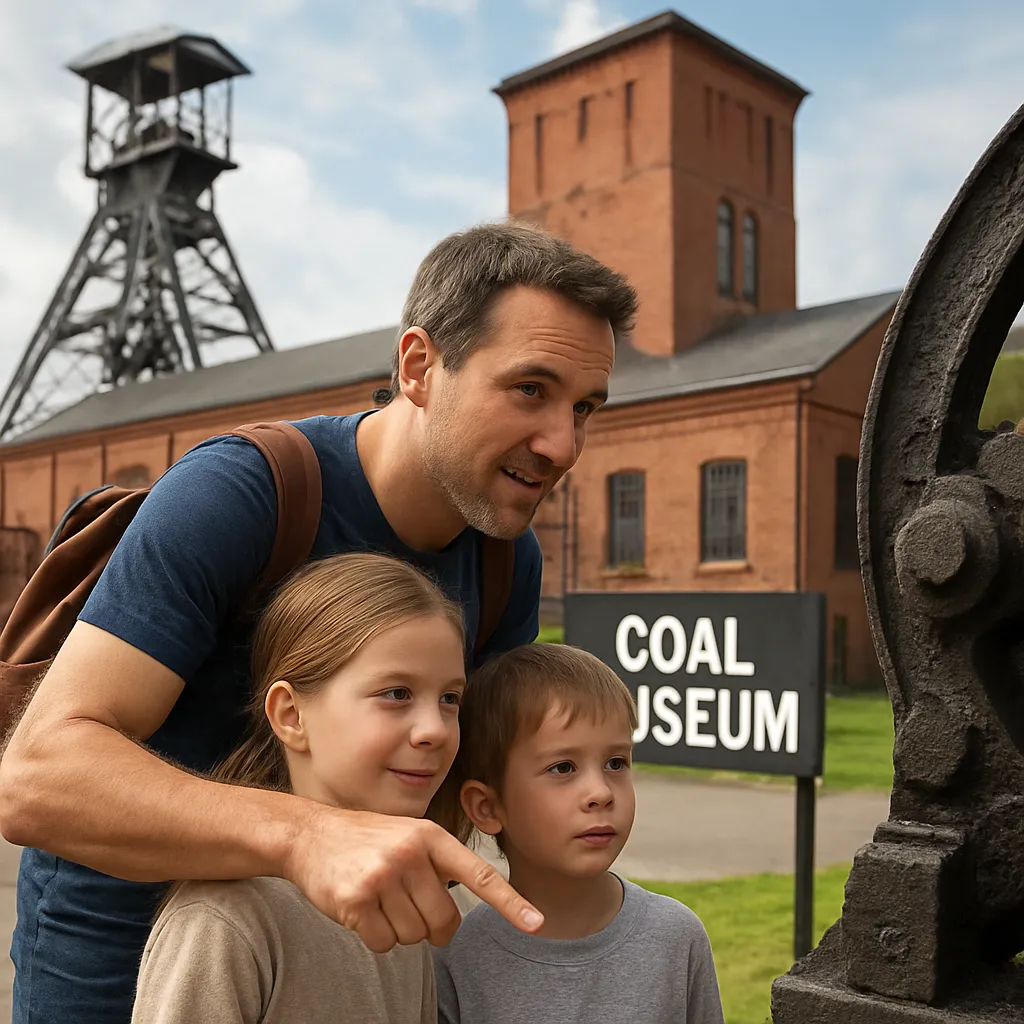
- Preservation of mining heritage through museums and tours
Today, former coal towns celebrate their heritage through festivals and trusts that fund scholarships for descendants of miners. While coal faces criticism over emissions, its legacy in shaping unions, labor rights, and the structure of industrial economies remains undeniable. The interplay between workers, capital markets, and technological progress forged a narrative illustrating both the brilliance and the grit of human enterprise.