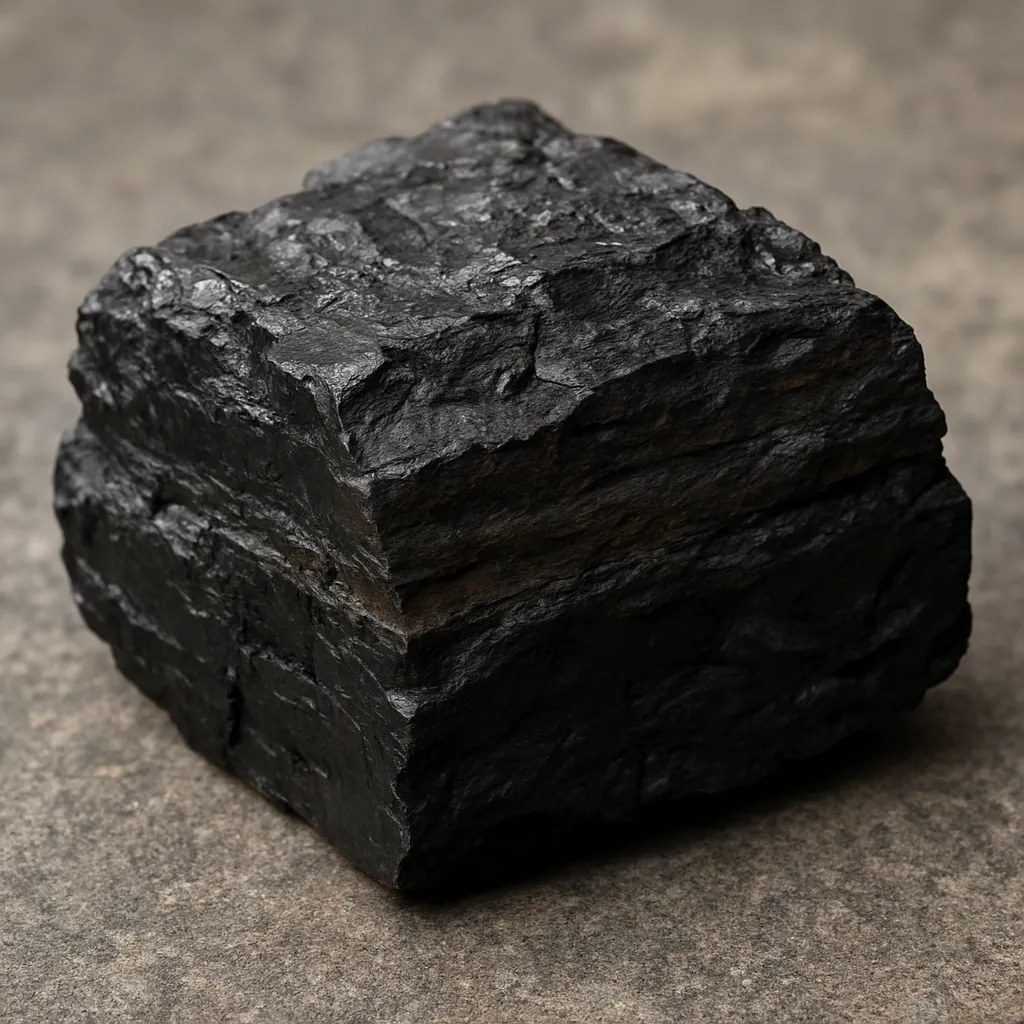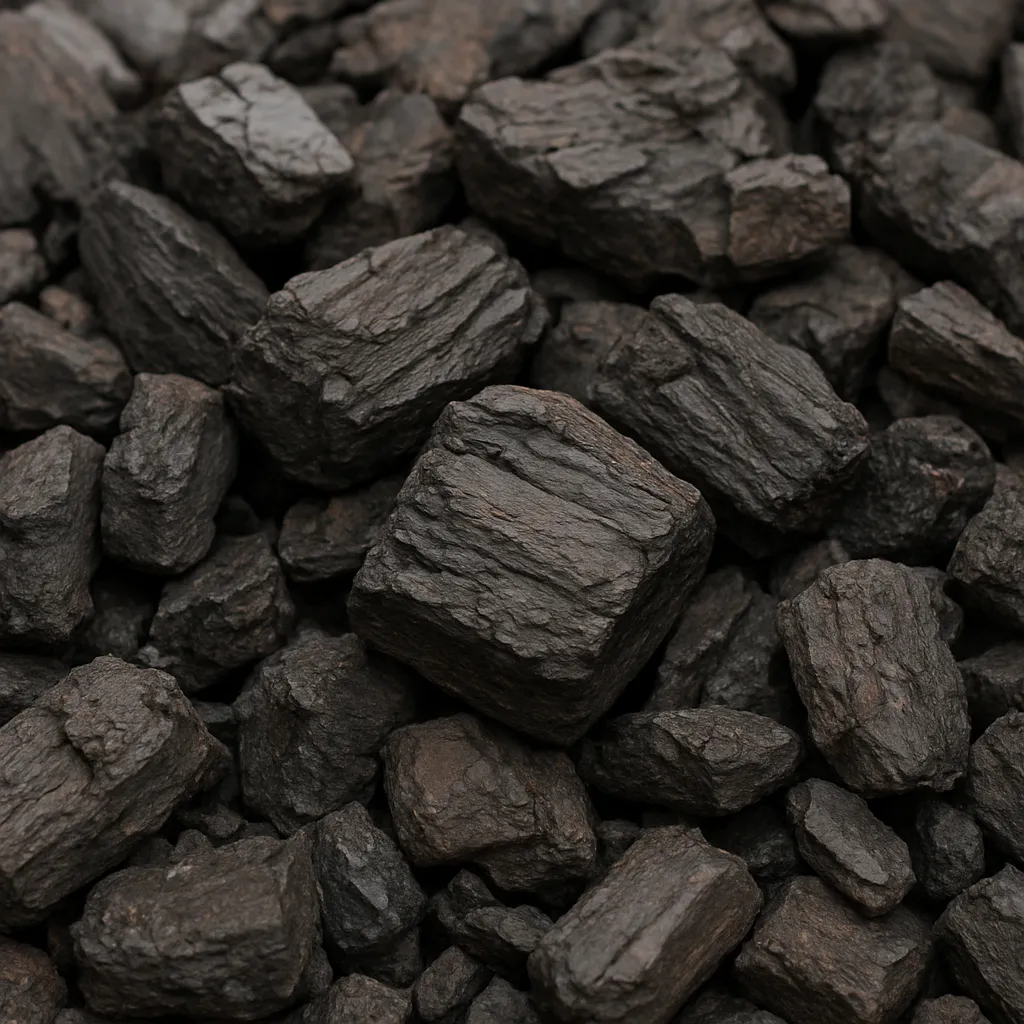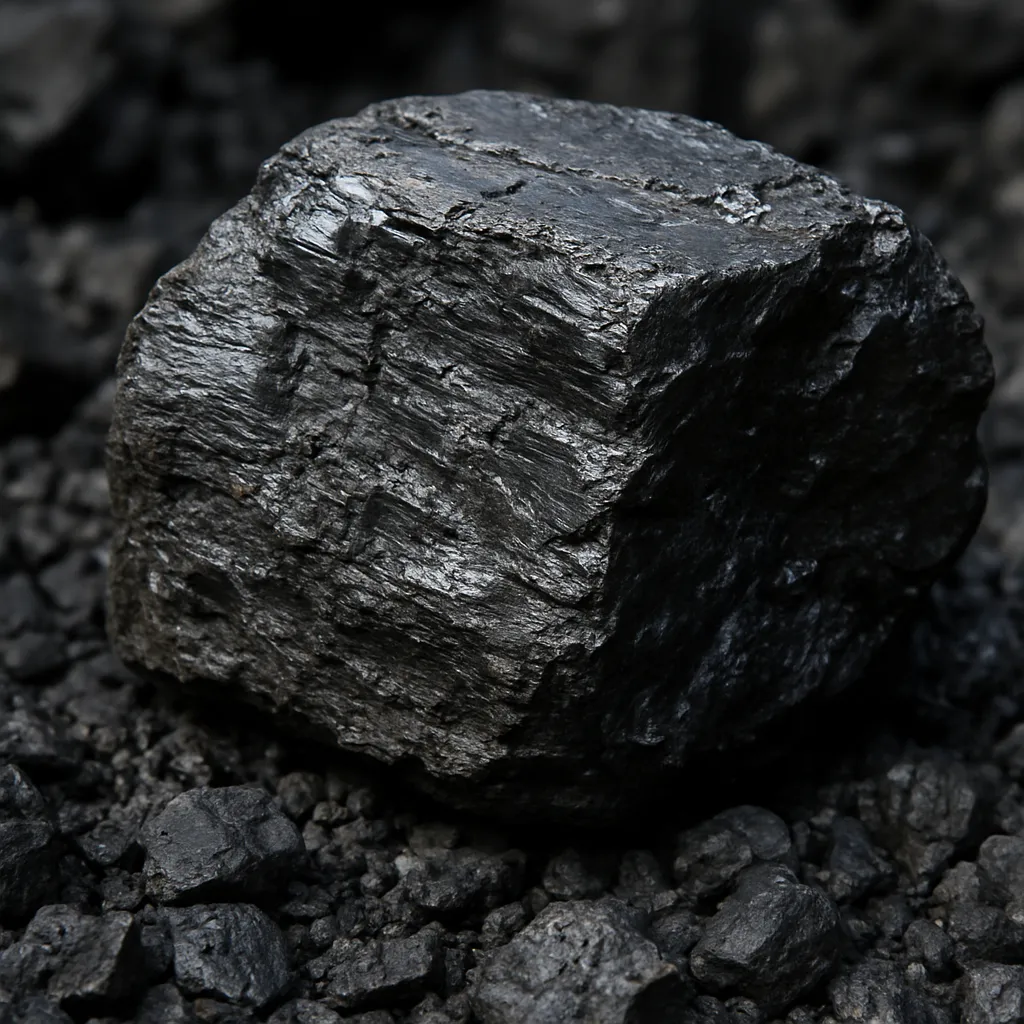
This article explores Upgraded lignite — a processed form of lignite or brown coal that has been mechanically or thermally treated to improve its properties for transport, storage and end-use. It covers where lignite is found and mined, the technologies used to upgrade it, economic and statistical perspectives, industrial significance, environmental impacts and future prospects. The aim is to provide a comprehensive, balanced view of the role of upgraded lignite in contemporary energy systems and industry.
Occurrence, geology and global mining locations
Lignite is a low-rank coal formed from compressed peat under relatively low temperature and pressure conditions. It typically contains higher moisture and volatile matter and lower fixed carbon than higher-ranked coals, which results in lower calorific value per unit mass. Lignite deposits are geologically younger than many hard coals and are often found near the surface, making them amenable to open-pit mining.
Major producing regions
- Europe: Central and Eastern Europe are historically abundant in lignite. Significant deposits occur in Germany (Rhenish/Lower Rhine and Lusatia regions), Poland (Bełchatów, Konin), the Czech Republic, Greece and Bulgaria. European lignite is often used in nearby power stations and district heating systems.
- Russia and the CIS: Russia has substantial low-rank coal deposits used for domestic power generation and industrial use.
- North America: The United States hosts major lignite basins in North Dakota, Texas and Louisiana; these are important for regional power generation and mine-mouth power plants.
- Asia-Pacific: China and India have low-rank coal occurrences; India’s lignite basins in Tamil Nadu and Gujarat supply local power and industrial needs. Australia’s Latrobe Valley (Victoria) is a major brown coal region supplying nearby thermal power plants.
- Turkey and Greece: Both countries have sizable lignite reserves exploited for electricity generation and local industries.
Because lignite tends to be mined close to consumption sites, its regional distribution has shaped local energy systems, industrial clusters and employment patterns. Open-cast mines such as the Polish Bełchatów mine and the German Rhenish mines have become defining landscape features and important local employers.
What is upgraded lignite and how is it produced?
The term Upgraded lignite refers to lignite that has undergone physical, chemical or thermal treatment to improve its handling, transportability and combustion characteristics. Upgrading targets the key limitations of raw lignite: high moisture, low calorific value, and susceptibility to spontaneous combustion and biological degradation. Upgrading can increase energy density, reduce transportation costs per unit of energy, and lower on-site emissions per delivered megajoule.
Common upgrading technologies
- Mechanical dewatering: Presses and centrifuges remove free water from mined lignite, lowering moisture content and improving heating value.
- Thermal drying: Hot air or contact drying reduces moisture but requires heat input; modern designs recover waste heat from power plants to improve efficiency.
- Torrefaction: A mild pyrolysis process (typically 200–300 °C) that drives off volatiles and produces a brittle, hydrophobic solid with improved grindability and higher energy density.
- Hydrothermal carbonization (HTC): Biomass-like treatment under pressure and moderate temperatures converts wet lignite into a carbon-rich, coal-like product with reduced moisture and improved stability.
- Pyrolysis/gasification intermediate steps: Partial thermal decomposition can yield chars or briquettes usable as higher-grade solid fuels or feedstocks for downstream chemical synthesis.
- Briquetting and pelletisation: Compaction into denser shapes improves transport properties and reduces dust and spontaneous combustion risk.
Performance improvements achievable
- Calorific value increase: Raw lignite values commonly range from about 8 to 16 MJ/kg (as-received). Upgrading can raise the effective heating value to the range of 15–22 MJ/kg depending on technology and starting material.
- Moisture reduction: Upgrading typically lowers moisture from 30–60% down to 10–20% or less for dried and torrefied products.
- Transport and handling: Reduced mass for given energy translates to lower transport costs per GJ; improved physical stability lowers losses in storage.
- Combustion behavior: Upgraded products are more homogenous, have narrower volatile ranges and yield more stable boiler performance, enabling co-firing with higher-rank coals or biomass.
The choice of upgrading route depends on local economics, availability of waste heat, intended end-use (power generation vs. chemical feedstock), and regulatory drivers such as emissions pricing.
Industrial uses and technological applications
Lignite and upgraded lignite serve multiple industrial roles. Their primary uses are focused on heat and power, but upgraded forms expand possibilities into chemical synthesis, gasification and combined heat-and-power systems.
Power generation and district heating
- Mine-mouth power plants: Because lignite is often low-cost at the mine, many large plants are built adjacent to open-pit mines, minimizing transport. Examples include the Bełchatów Power Station in Poland (installed capacity around 5.4 GW) and Germany’s Rhenish complexes.
- Upgraded lignite in retrofits: Dried or torrefied lignite can be co-fired more efficiently in modern boilers, reducing boiler fouling and improving combustion efficiency.
- District heating: In regions with combined heat-and-power (CHP) systems, lignite provides reliable base-load heat and electricity for urban heating networks.
Chemical feedstock and gasification
Upgraded lignite is more suitable for gasification processes that convert solid carbon into synthesis gas (syngas: H2 + CO). Syngas is a precursor for:
- Methanol and other chemicals
- Hydrogen production (with or without carbon capture)
- Synthetic natural gas via methanation
Gasification of upgraded lignite is technically feasible and can offer more stable syngas quality than raw lignite due to lower moisture and volatiles, but it remains capital-intensive compared with alternatives.
Industrial fuels and specialty products
- Briquettes and pellets from upgraded lignite are used in industrial boilers, cement kilns and small-scale heating where consistent feedstock is required.
- Char and semi-coke from pyrolysis can be feedstock in metallurgical processes or for activated carbon production after further treatment.
Economic, statistical and policy considerations
The economic relevance of lignite and its upgraded forms is shaped by resource endowment, proximity to demand, commodity prices, climate policy, and technology costs. Several statistical and trend observations help to understand the sector’s current status.
Production and consumption patterns
- Regional focus: Lignite is primarily a regional fuel. Large producers are often also major consumers because long-distance transport of low-energy lignite is uneconomic without upgrading.
- European trend: Europe has seen a long-term decline in lignite-fired generation due to carbon pricing, aging plants and policy decisions to phase down coal; however, lignite remains a significant share in countries like Poland, Greece and parts of Germany until recently.
- Emerging uses: In some regions, upgrading projects and gasification schemes were proposed to unlock exportable, higher-energy products or synthetic fuels, although many have struggled with competitiveness against cheaper natural gas and renewables.
Costs and market factors
Key economic variables include mining costs (which depend on stripping ratios and overburden), upgrading capital and operating costs, proximity to end-users, and regulatory costs such as carbon pricing or emissions controls. Upgrading adds cost but can reduce overall delivered cost per unit of energy by lowering moisture and transport weight. The break-even point depends on distance to markets, the value of energy density, and the relative price of alternative fuels.
Environmental policy and carbon economics
A critical driver for the future of lignite and upgraded lignite is climate policy. Lignite combustion is among the most carbon-intensive means of producing electricity. Typical emissions intensity for lignite-fired power plants can be in the order of 1.0–1.2 tonnes of CO2 per MWh generated, generally higher than hard coal plants. This makes lignite vulnerable to:
- Carbon pricing mechanisms (emissions trading systems and carbon taxes)
- Renewable energy policies and subsidies
- National commitments to reduce greenhouse gas emissions
Upgrading lignite slightly improves emissions per megajoule by increasing energy density, but does not change the fundamental carbon content unless combined with carbon capture and storage (CCS) or converted into lower-emission products via gasification with CO2 management.
Statistical snapshots and examples
While precise annual figures vary year to year, some illustrative points are:
- The largest single lignite-fired power plants have capacities measured in multiple gigawatts; Bełchatów (Poland) is a prominent example and one of Europe’s highest-emitting power stations when operated.
- Historically, countries such as Germany produced well over 100 million tonnes of lignite annually in the early 21st century, though production has declined in recent years as mines and plants are phased down.
- Global lignite production accounts for a significant but minority fraction of total coal production; production totals vary by source and year, but lignite is measured in the low hundreds of millions of tonnes annually worldwide.
Given the rapid policy and market shifts of the past decade, region-specific and year-specific statistics are essential for project appraisal. Investors typically examine local production, transport distances, power plant efficiencies and carbon costs to evaluate upgrading investments.
Environmental, social and reclamation issues
Lignite mining and combustion have wide-ranging environmental and social impacts. The combination of large open-pit mines, substantial dust and noise, water table effects and high carbon emissions makes lignite one of the more contentious energy sources from an environmental standpoint.
Landscape and biodiversity impacts
- Open-cast mining removes large volumes of overburden and topsoil, destroying habitat locally and altering landscapes over decades.
- Mine closure and reclamation are complex, requiring considerable financial reserves and long-term planning to restore ecosystems or convert sites to lakes, forestry or recreational land.
Water and air quality
- Mining can affect groundwater levels and water quality through dewatering operations and runoff.
- Combustion emits particulate matter, SO2, NOx and trace elements (including mercury) unless controlled by pollution abatement systems. Upgraded lignite reduces moisture-related transport of particulates but does not fundamentally eliminate toxic emissions.
Social and economic considerations
Communities dependent on lignite mining and power plants often face transitions as plants retire. Social impacts include job losses, changing municipal revenues, and the need for retraining and economic diversification. Many jurisdictions implement transition funds, early retirement and reclamation projects to mitigate these effects.
Future prospects, innovation and strategic roles
The outlook for upgraded lignite depends on the balance between local energy needs, climate policy, technological innovation and economic competitiveness. Several potential pathways exist:
Role in a managed transition
Where lignite resources are abundant and immediate replacement capacity is limited, upgraded lignite can play a transitional role by providing more efficient, less polluting combustion compared with raw lignite. Integration with waste-heat drying and partial electrification of mining operations can reduce lifecycle emissions somewhat while providing time for renewable capacity expansion.
Integration with low-carbon technologies
- Carbon capture and storage (CCS): Combining upgraded lignite-fired CHP with CCS could theoretically provide low-carbon heat and power for local industries, although the economics remain challenging.
- Gasification with CO2 management: Converting upgraded lignite into syngas and then synthesising chemicals or fuels with CO2 capture offers a pathway to use existing resources for non-power products.
- Hybrid systems: Co-firing upgraded lignite with biomass or running flexible plants that complement variable renewables can reduce net carbon intensity.
Research and development directions
R&D focuses include:
- Lower-energy drying techniques using waste heat or solar thermal integration to reduce upgrading costs.
- Optimised torrefaction and HTC processes tailored to high-moisture lignite feedstocks.
- Advanced emissions control systems and integration with carbon capture to make lignite-based plants compatible with stringent climate goals.
- Life-cycle analysis methodologies to evaluate trade-offs between local economic benefits and global climate impacts.
Concluding observations
Upgraded lignite occupies a pragmatic niche: it can extend the useful life and expand the utility of abundant low-rank coals by improving energy density, transportability and combustion stability. However, even upgraded forms remain carbon-intensive, and their viability is increasingly influenced by carbon costs, renewable energy economics and regulatory frameworks. For countries with large deposits and strong regional demand, upgrading can offer short- to medium-term economic value, support local industries and reduce some logistical disadvantages of raw lignite. Over the longer term, the sector’s future will likely depend on its ability to integrate with decarbonisation technologies such as carbon capture, to diversify into chemical feedstocks via gasification, or to transform into lower-carbon industries.
Decisions about investing in upgrading infrastructure require careful economic modelling, sensitive to local resource quality, transport distances, policy drivers and alternative options for power and industrial energy. For policymakers and industry stakeholders, the challenge is to reconcile regional development objectives with global climate commitments while ensuring that social transitions for affected communities are managed fairly.