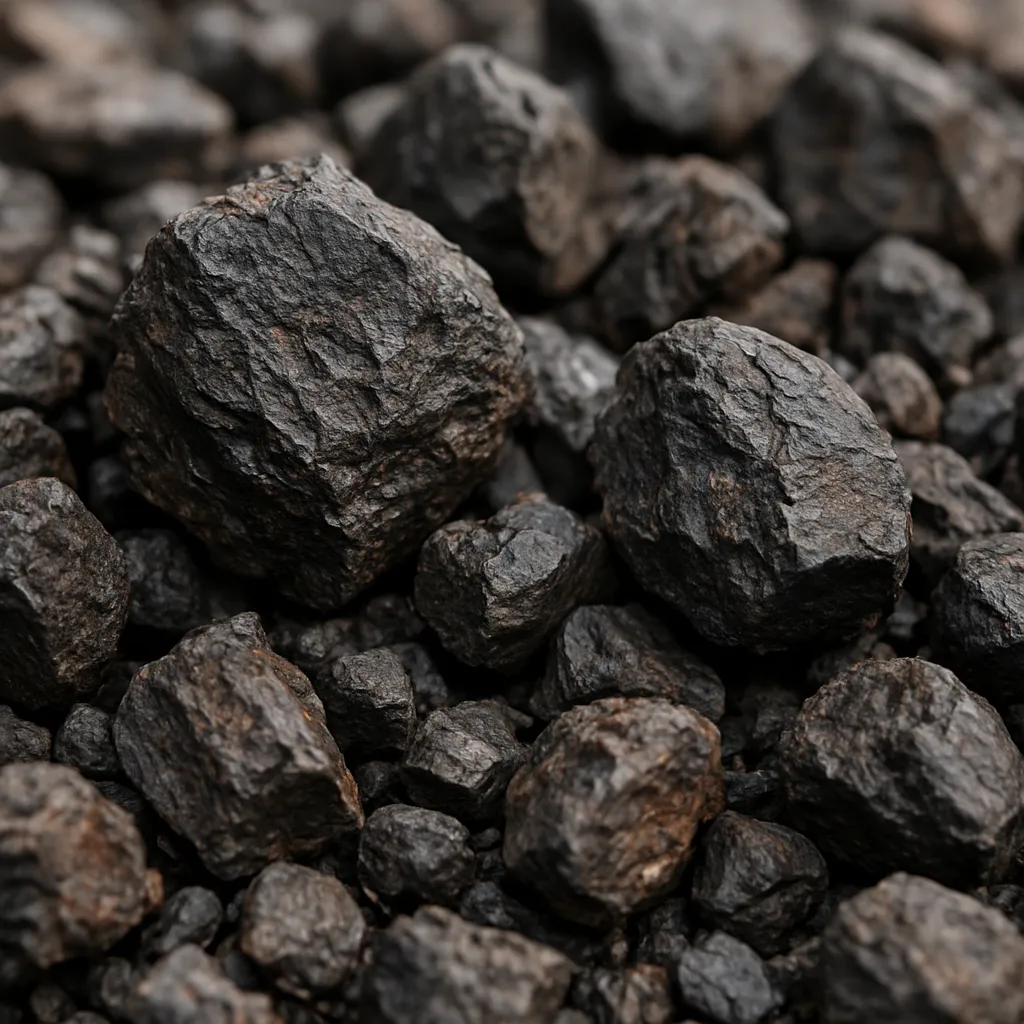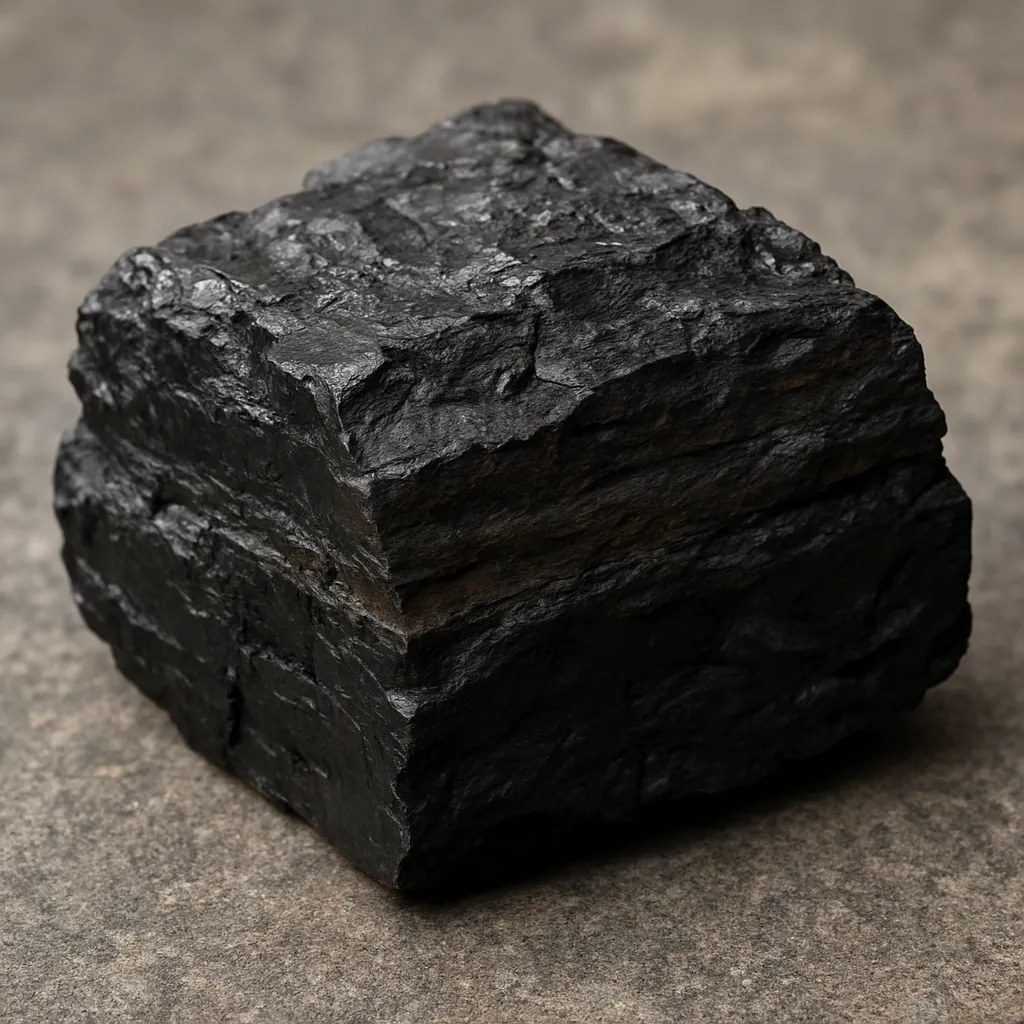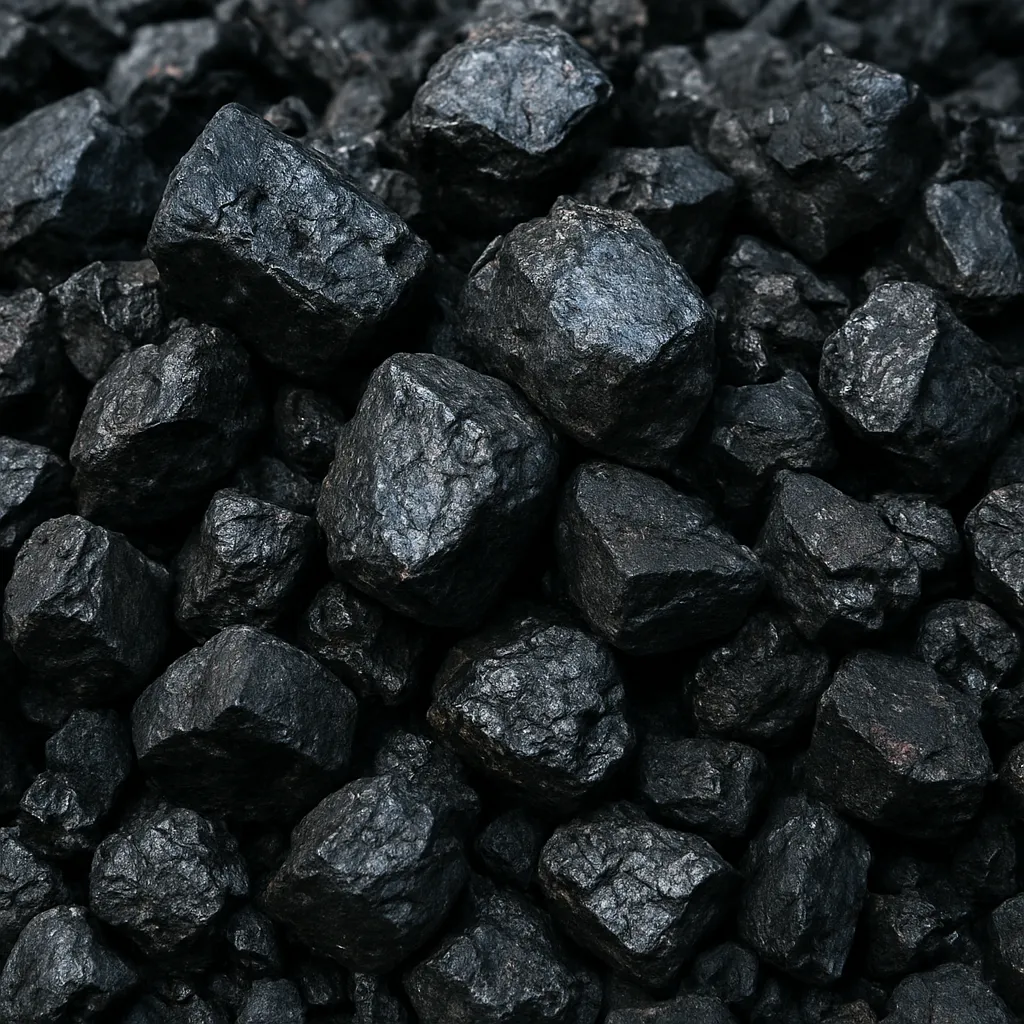
Heat-treated coal is a family of coal-derived products produced by applying controlled thermal processes to raw coal. These processes change the coal’s physical and chemical properties to yield materials with tailored properties for industrial use — from metallurgical coke for steelmaking to charcoal-like semicoke, to high-surface-area activated carbon used in purification. This article explores where heat-treated coal occurs and is produced, the technologies used, economic and statistical aspects, its significance across industries, environmental considerations, and emerging trends that will shape its future.
Geological occurrence and mining regions
Raw coal forms in sedimentary basins where plant material accumulated, was buried and chemically transformed over geological time. The occurrence of coal suitable for thermal treatment depends on rank (lignite, sub-bituminous, bituminous, anthracite) and composition — particularly volatile matter, maceral types, and sulfur/ash content. Heat-treated products are typically made from coals that combine adequate carbon content and suitable plastic properties for coking or stable char formation.
The principal coal mining regions that supply feedstock for heat-treated coal processes include:
- China — the world’s largest coal producer and consumer. A wide range of coal ranks are mined across Shanxi, Inner Mongolia, Xinjiang and other provinces. China also hosts a large portion of the world’s coking and semicoke production, serving its massive steel and chemical industries.
- Australia — major exporter of high-quality thermal and metallurgical coal, particularly from the Bowen Basin and other Queensland/New South Wales basins. Australian coking coal is a key feedstock for global steelmakers.
- Russia and Ukraine — significant producers of both thermal and coking coals, supplying domestic industries and export markets.
- United States — Appalachian and Powder River Basin coals supply domestic power plants, metallurgical coal (Appalachia) and feedstocks for some carbon products.
- India — large domestic coal production with growing demand for metallurgical and semicoke for steel and coke-oven chemical processes.
- Colombia, South Africa, Poland, and Indonesia — important sources for international coal trade and local processing industries.
Production of heat-treated coal tends to be concentrated near large steelmaking or chemical hubs to reduce transport costs. Many integrated steelworks maintain on-site coke ovens and byproduct plants; in other cases, specialized plants produce semicoke or activated carbon for regional markets.
Processes and types of heat-treated coal
Heat-treating coal encompasses a variety of thermal processes, each producing products with distinct characteristics and uses.
Coking (high-temperature carbonization)
Coking involves heating carefully selected coals in the absence of air at temperatures typically between 1000–1200°C in coke ovens. The coal softens, plasticizes, and then re-solidifies into a porous, high-strength material called coke, essential for blast furnace ironmaking. The process also yields byproducts such as coal gas, tar, benzol and ammonium sulfate.
Low-temperature carbonization and semicoke
Low-temperature carbonization (LTC) heats coal at lower temperatures (400–700°C) to produce semicoke or semicoke char. Semicoke retains higher volatile fractions than coke, has lower reactivity than raw coal, and is used as a smokeless fuel, in some metallurgical processes, and as a precursor for activated carbon or carbon black.
Pyrolysis and coal char
Pyrolysis at intermediate temperatures yields coal tar, oils and a solid carbon-rich residue known as coal char. Char can be used as a reductant in metallurgical furnaces, as a fuel, or further activated to produce high-value activated carbon.
Activation to produce activated carbon
Activated carbon is produced by physically or chemically activating char or certain coals to create a high specific surface area and pore structure. This material is widely used in water and air purification, gas separation, solvent recovery and as catalyst support. Chemical activation uses agents like phosphoric acid or potassium hydroxide, while physical activation uses steam or CO2 at high temperature.
Torrefaction-like treatments and specialty chars
Although the term torrefaction is more commonly applied to biomass, analogous low-temperature thermal pre-treatments of coal can improve grindability, hydrophobicity, and combustion characteristics for pulverized fuel or co-firing applications.
Economic and statistical overview
Coal remains one of the most widely mined and traded energy resources worldwide, and heat-treated coal and its derivatives represent important value-added segments. Below are key economic and statistical points relevant to heat-treated coal.
- Global coal production in the early 2020s was on the order of 7.5–8.0 billion tonnes annually, with China accounting for roughly half of global production. These figures aggregate both thermal and metallurgical coals.
- Metallurgical (coking) coal typically represents a minority share of total production — commonly estimated in the low tens of percent (roughly 10–15% of total coal tonnage), but it is disproportionately valuable due to its role in steelmaking. Global metallurgical coal supply volumes are on the order of hundreds of millions to around one billion tonnes annually, depending on the accounting definitions used.
- Coke production is tied closely to crude steel output. World crude steel production has been around 1.8–1.9 billion tonnes in recent years, and coke demand moves with blast furnace capacity and the degree of use of alternatives like electric arc furnaces (EAFs).
- Trade flows: major coking coal exporters include Australia, the United States, Canada, Russia and Colombia. Importers include China, Japan, South Korea, India and several European countries. Price volatility for coking coal has been significant in recent commodity cycles, reflecting supply disruptions and demand shifts from steel.
- Activated carbon and other specialty carbon products derived from heat-treated coal form a global market worth several billion dollars annually. Demand drivers include drinking water treatment, industrial gas purification and environmental remediation.
Because heat-treated coal products bridge energy, metallurgical and chemical markets, their economic value is influenced by multiple industrial cycles: steel production rates, power generation demand, environmental regulation, and investment in chemical manufacturing capacity.
Significance in industry
Heat-treated coal products perform critical functions across several industries. Key uses and their importance:
- Steel industry: Coke from coking coal is indispensable in traditional blast furnace–basic oxygen furnace (BF-BOF) steelmaking. Coke provides both a source of carbon and a porous, mechanically stable support bed for the reduction of iron ore. Today, even where electric arc furnace routes are rising, a large share of global steel continues to depend on coke or pulverized coal injection (PCI) using processed coal.
- Chemicals and byproducts: Coking ovens produce coal tar, light oils and coal gas, which are feedstocks for chemicals, solvents and fertilizers in some regions. Semicoke and char are used as precursors for carbon materials and in some reductive metallurgical processes.
- Activated carbon: Produced from coal chars, activated carbon is crucial for municipal water treatment, air purification, solvent recovery in industrial plants, and gold recovery in mining. Its high adsorption capacity makes it indispensable for many purification technologies.
- Energy and heating: Semicoke and heat-treated chars can function as smokeless domestic or industrial fuels where low volatile emissions are desired.
- Electrodes and specialty carbons: Certain high-purity heat-treated coals are precursors for graphite electrodes and other specialty carbon products used in metallurgy, electrical applications and advanced materials.
Environmental, regulatory and sustainability considerations
Heat-treated coal production and use raise environmental challenges related to greenhouse gas emissions, air pollutants and byproduct handling.
- CO2 emissions: The carbon-intensive nature of both producing coke and using heat-treated coal in metallurgical processes contributes to industrial greenhouse gas emissions. Steelmaking via BF-BOF remains one of the globe’s largest industrial CO2 sources.
- Local air quality: Coke oven plants and carbon activation facilities must control emissions of particulates, volatile organic compounds (VOCs), sulfur compounds and polycyclic aromatic hydrocarbons (PAHs). Modern plants employ emission control systems and byproduct recovery; legacy facilities often present remediation needs.
- Waste and byproduct management: Coke production yields tar and phenolic compounds that require careful handling and processing. Spent activation reagents and residuals from semicoke and char processing require disposal or reutilization strategies.
- Regulatory pressures: Many governments have tightened emissions limits and placed greater scrutiny on fossil-fuel-based industrial processes. This has encouraged investments in cleaner coke oven technologies, emission abatement, and in some cases, substitution with alternatives.
Technological and policy responses include carbon capture and storage (CCS) at large industrial sites, improvements in coke oven efficiency and byproduct utilization, adoption of direct reduced iron (DRI) using natural gas or hydrogen, and transition of steelmakers toward electric arc furnaces using recycled scrap where feasible. These trends will influence long-term demand for heat-treated coal.
Market dynamics and future trends
Several macro and technological trends will shape the market for heat-treated coal over the coming decades:
- Decarbonization of steel: The advent and scaling of low-carbon steel technologies — hydrogen-based DRI, greater use of EAFs with scrap, and CCS — could reduce demand for traditional coke, shifting markets for coking coal and encouraging new value chains for low-carbon carbon products.
- Regional shifts: As developing economies expand steel production, demand for metallurgical coal in Asia, South America and Africa may remain robust even as mature markets decarbonize.
- Specialty carbon growth: Markets for activated carbon, carbon blacks and advanced carbon materials (e.g., graphite for batteries) could grow as energy storage, water treatment and air purification needs increase. Some of these markets will prefer biomass or pitch-based carbons, but coal-derived activated carbon will remain important due to feedstock availability and cost competitiveness.
- Circularity and byproduct valorization: Improved recovery and valorization of coke-oven byproducts and process effluents can raise the overall sustainability and economics of coke production.
- Price volatility and supply security: Geopolitical events, mine disruptions and transportation constraints can rapidly change feedstock availability and prices, incentivizing vertical integration in steelmaking and diversification of supply sources.
Interesting technical and historical notes
- Coke ovens were among the earliest industrial-scale thermal treatment facilities, underpinning the Industrial Revolution by providing a cleaner and more efficient metallurgical fuel than raw coal.
- Semicoke historically found use as a household smokeless fuel in some European regions, particularly where domestic coal quality was poor or urban smoke abatement laws restricted raw coal burning.
- Activated carbon from coal can achieve surface areas in the order of 500–1500 m2/g, depending on activation method and coal rank, enabling powerful adsorption of organic contaminants and gases.
- Some advanced metallurgical applications require very low-ash, low-sulfur cokes; producing these specialty cokes often depends on careful coal blending and processing innovations.
Practical considerations for industry participants
For steelmakers, chemical producers and utilities deciding on the role of heat-treated coal in their operations, practical issues include feedstock selection, logistics, environmental permits, and flexibility to adopt alternative inputs. Key considerations:
- Coal quality: Volatile matter, caking properties, ash fusion temperature, sulfur and phosphorus content determine suitability for coking or for producing specialized chars and activated carbons.
- Processing scale and proximity: On-site versus centralized processing influences capital intensity and logistics. Integrated plants gain value from byproduct sales but face higher regulatory scrutiny.
- Regulatory compliance and community impact: Modern facilities must invest in emission controls and community engagement due to the localized impacts of coking and activation plants.
- Transition risk management: Anticipating shifts in steelmaking technology and carbon policy helps firms plan capital investments and diversify into specialty carbon markets.
Concluding synthesis
Heat-treated coal encompasses a set of industrially crucial materials created by transforming raw coal through thermal processes such as coking, low-temperature carbonization, pyrolysis and activation. These products—ranging from high-strength coke for blast furnaces to high-adsorption activated carbon—support essential sectors like the steel industry, water treatment and chemical manufacture. While global coal production remains large (several billion tonnes annually) and thermal/coaling processes resilient in many regions, long-term demand faces pressures from decarbonization, technological substitution and environmental regulation. At the same time, specialty carbon markets and process improvements offer pathways to sustain value and reduce environmental footprints. Understanding coal quality, processing options and evolving market dynamics is therefore critical for companies and policymakers engaged with heat-treated coal today.