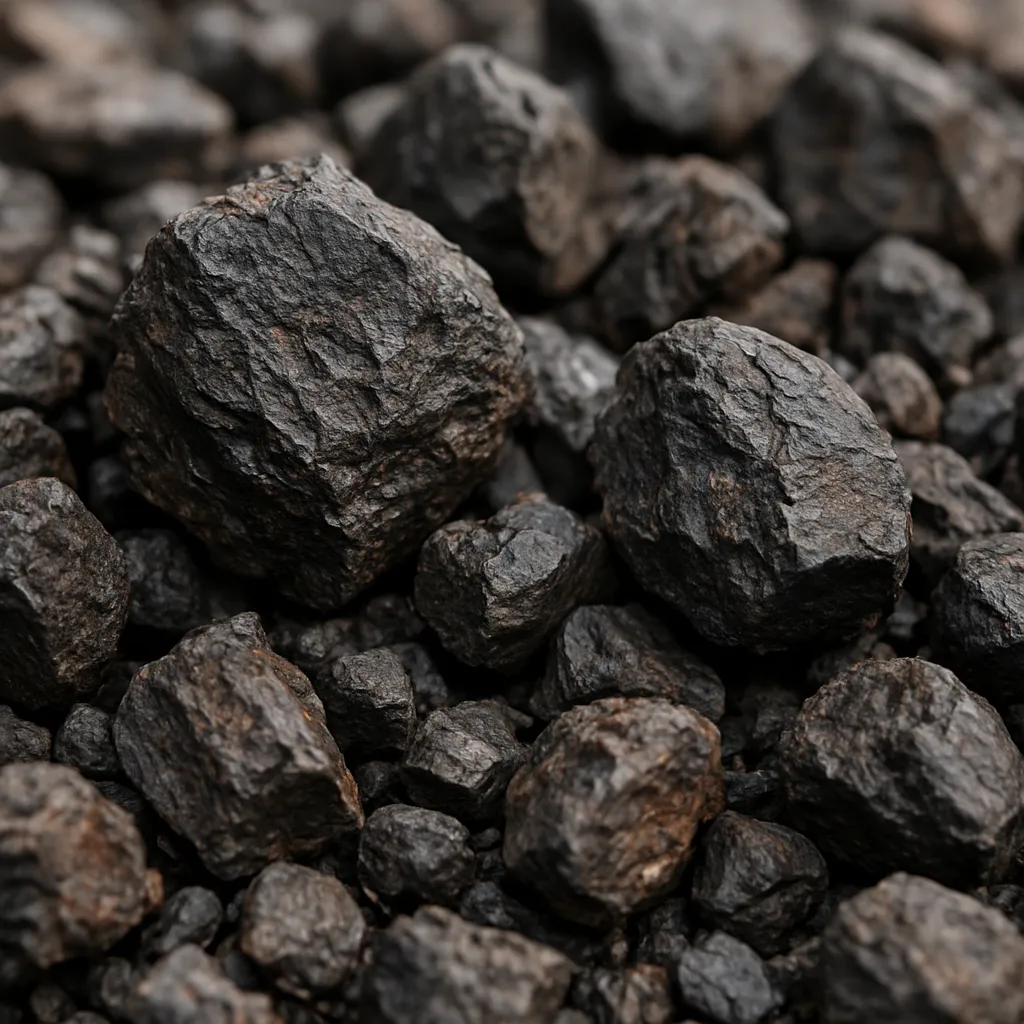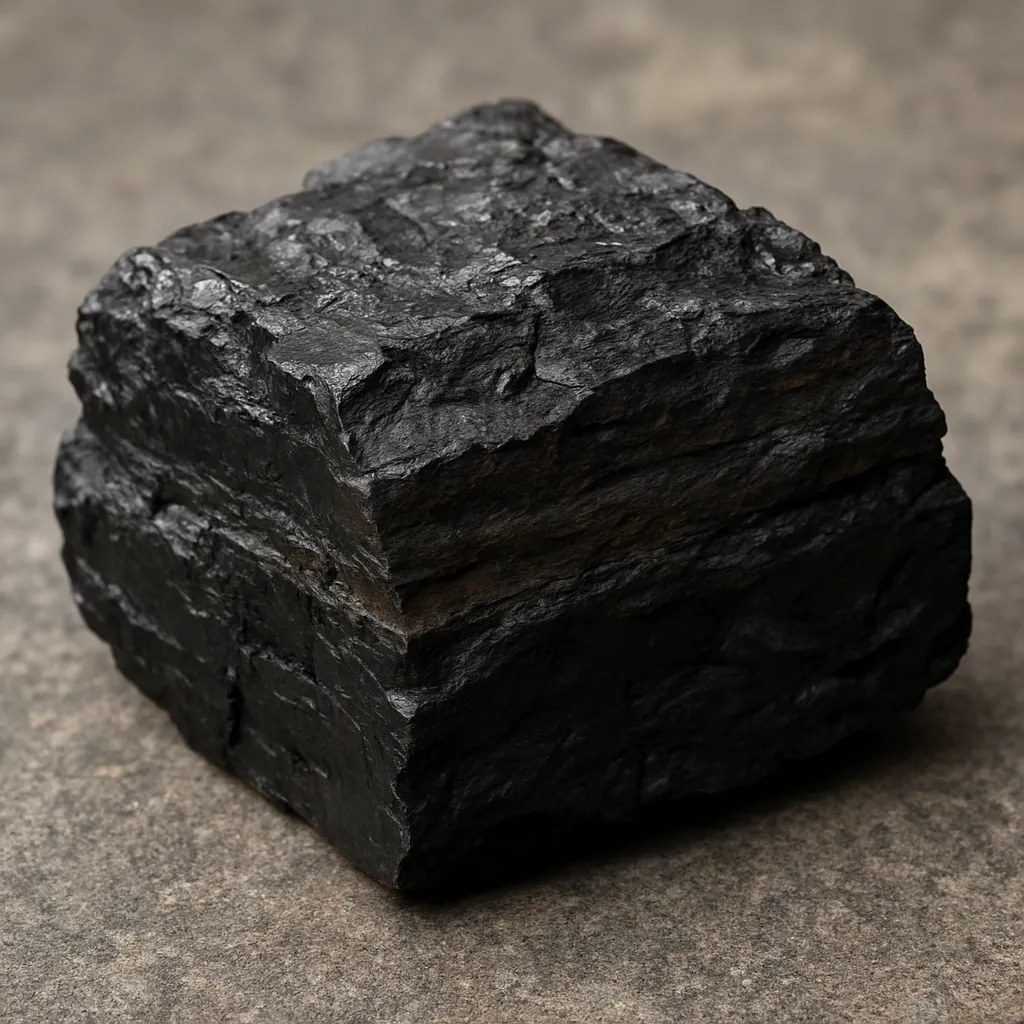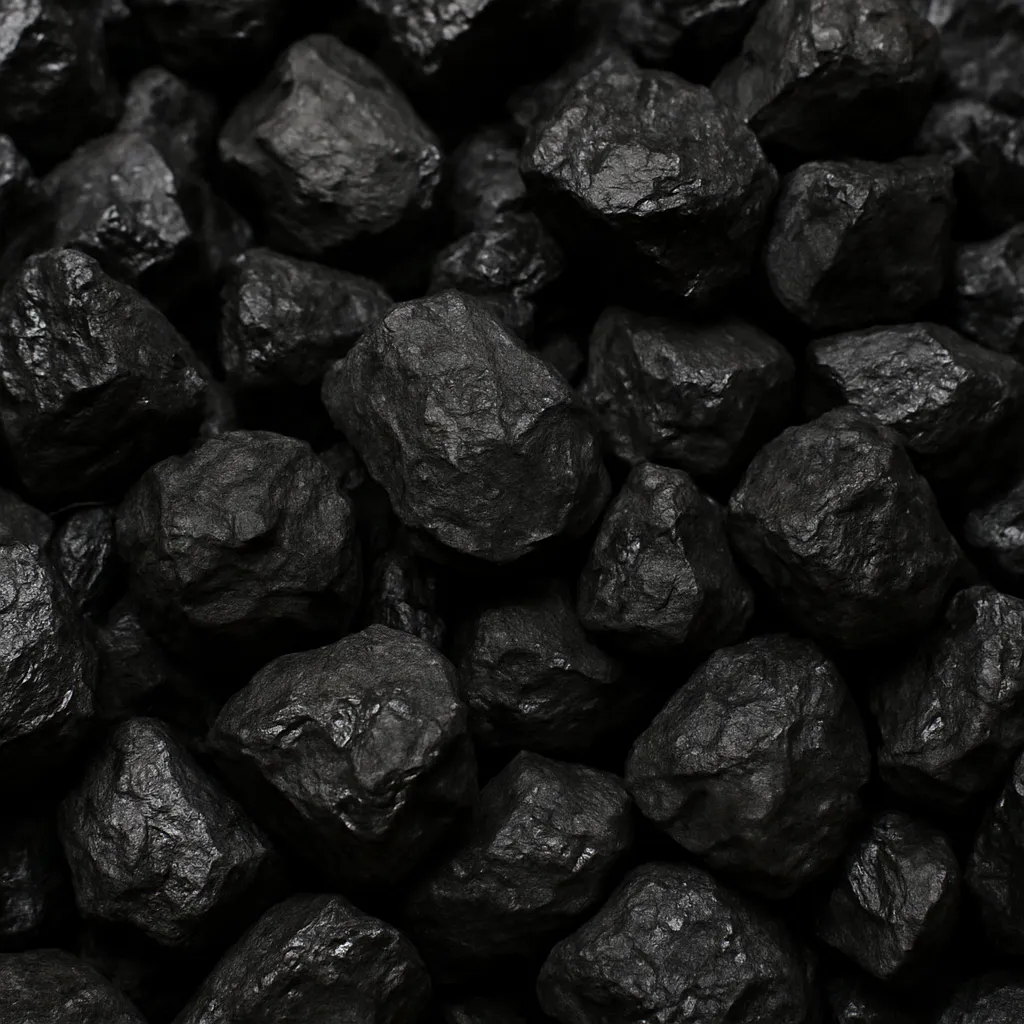
Pre-treated coal is a broad term for coal that has undergone physical, chemical or thermal processing to improve its handling, combustion properties, environmental performance or suitability for specific industrial uses. This article describes common pre-treatment technologies, where such coal is produced and used, economic and statistical context, industrial significance, environmental implications and likely future directions. The goal is to give a practical, evidence-based overview useful for policymakers, industry professionals and informed readers.
What pre-treated coal is and common pre-treatment methods
At its core, pre-treated coal is simply mined coal that has been upgraded or conditioned before being burned, gasified, or otherwise used. Pre-treatment improves key fuel properties: reduces moisture, lowers ash and sulfur content, increases calorific value and changes physical attributes such as grindability and pellet strength. Depending on the desired application — power generation, steelmaking, chemical feedstock — different technologies are applied.
Major pre-treatment technologies
- Coal washing (beneficiation) — gravity separation, dense medium separation, jigging and flotation remove mineral matter and reduce ash/sulfur. Widely used for both thermal and metallurgical coals.
- Drying and dewatering — thermal or mechanical processes remove intrinsic moisture, especially important for low-rank coals (lignite, sub-bituminous) to raise energy density and reduce transportation costs.
- Torrefaction and mild pyrolysis — heating under low-oxygen conditions to drive off volatiles, producing a hydrophobic, energy-dense solid with improved grindability and pelletization properties. Though more common for biomass, torrefaction concepts are applied in co-processing and coal upgrading research.
- Briquetting and pelletization — compacting fines into transportable forms for use as pulverized fuel or blast-furnace injection materials.
- Chemical leaching and desulfurization — acid/base or solvent treatments to remove specific contaminants, sometimes used for special industrial feedstocks.
- Hydrothermal and solvent-based upgrading — processes that alter macromolecular coal structure to reduce oxygen-containing groups and improve heating value.
- Microwave and electrical heating — emerging techniques for rapid drying and targeted removal of moisture or volatiles.
- Pre-conditioning for gasification — grinding, drying and fines agglomeration to meet feed specifications of entrained-flow or fluidized-bed gasifiers.
Typical objectives of pre-treatment are to: raise energy density, improve combustion efficiency, reduce emissions of SOx/NOx/particulates, lower transport costs by reducing inert mass (ash/water), and produce a product meeting strict industrial specifications (e.g., coking quality for steelmaking).
Where pre-treated coal is produced and the geographic context
Pre-treated coal is not a geological type; it is produced in processing facilities adjacent to mines, near ports or inside industrial complexes. Production tends to concentrate where large coal mines, export terminals and metallurgical industries are located. The geography therefore follows major coal basins and trade flows.
Major producing regions and countries
- China — the world’s largest coal producer and consumer, China has extensive beneficiation and drying capacity. China also deploys pre-drying of low-rank coals to reduce transport of water and to meet stringent emissions rules in urbanized regions.
- Australia — a leading exporter of both thermal and metallurgical coal. Australian mines typically include wash plants to produce high-quality saleable coal for seaborne markets.
- Indonesia — large volumes of low-to-medium quality thermal coal produced for export; washing and sizing plants are increasingly used for higher-value shipments.
- United States — Appalachia and the Powder River Basin produce coals of differing quality; washing and processing facilities are common for Appalachian coals to meet power station specifications and reduce emissions.
- Russia and Colombia — important exporters with coal beneficiation and drying to supply international customers.
- South Africa — has both thermal coal beneficiation for export and coal-to-liquids (CTL) facilities where coal is processed for chemicals and fuels (e.g., Sasol).
- Poland and other Central/Eastern European countries — long coal mining traditions include washing plants and industrial processes for metallurgical use and domestic power plants.
Processing facilities appear where value can be added economically: near large mines to avoid transporting waste rock; at port terminals to ensure product quality for export contracts; or within integrated steel/chemicals complexes where tailored coal feedstocks are required.
Economic, trade and statistical perspectives
Coal remains a major global commodity despite the energy transition. While its share in some national power mixes is declining, coal continues to underpin electricity systems and heavy industry in many regions. Pre-treatment is an economic response: buyers pay premiums for reliable, cleaner and higher-grade coal; pre-treatment increases marketability and reduces penalties linked to ash, sulfur or moisture specifications.
Global production and trade context (overview)
- Global coal production is measured in the order of several billion tonnes per year; the largest producing countries include China, India, the United States, Indonesia and Australia.
- Seaborne coal trade (thermal and metallurgical) typically ranges around one billion tonnes annually for thermal coal alone, with separate seaborne flows for metallurgical coal. This trade supports widespread use of processing plants that produce export-grade, pre-treated coal.
- In many contracts, buyers specify maximum ash and moisture levels. Delivering within those limits usually requires beneficiation, drying or blending at origin.
Value chain economics
Key economic drivers for pre-treatment are:
- Price differentials: cleaned or upgraded coal fetches higher prices on spot and contract markets, especially for metallurgical applications.
- Transport savings: reducing moisture and ash lowers cost per unit of energy transported, a critical factor when moving coal over long distances.
- Compliance and avoidance of penalties: power plants and industrial consumers may impose contractual penalties for non-conforming shipments; pre-treatment reduces this risk.
- Operational benefits for consumers: lower ash reduces boiler slagging and maintenance, improving uptime and reducing downstream operating expense.
Sector-specific market dynamics
- Power generation — many utilities accept only coal within defined quality envelopes; pre-treated coal offers more stable combustion behavior and emissions profiles.
- Steelmaking — the metallurgical sector requires high-rank coking coals; beneficiation and blending are essential to produce coke with the right plasticity and strength.
- Gasification and chemicals — syngas producers prefer low-ash, low-moisture feedstocks to maximize conversion efficiency and minimize slagging.
Industrial significance and applications
Pre-treated coal plays roles across several industrial domains. Improving coal quality can change the economics and environmental footprint of industries that historically rely on raw coal.
Power plants and grid stability
Pre-treated coals offer improved combustion control and lower particulate and sulfur outputs, easing compliance with emission standards. For plants co-firing biomass or running variable loads, consistent fuel quality reduces start-up problems and improves heat-rate stability.
Steel and metallurgical processes
Metallurgical coal requires special preparation to meet coke-making specifications. Beneficiation, blending and moisture control are essential steps before coking. Injection of pulverized coal into blast furnaces (PCI) also requires a predictable, fine, and low-moisture feed to maintain furnace stability and reduce coke consumption.
Gasification, chemicals, and fuels
Gasifiers are sensitive to feed properties. Pre-treatment minimizes ash-related operational issues, improves syngas quality and reduces downstream cleanup costs. Coal-to-liquids and chemical synthesis processes often include feedstock upgrading as a core unit operation.
Other industrial uses
- Activated carbon and carbon-based materials: selective extraction and thermal processes produce high-grade carbon for electrodes and filtration.
- Cement and lime industries: pre-treated coal can act as a cleaner, more consistent fuel reducing kiln fouling.
- Household briquettes and specialty industrial fuels: briquetting coal fines creates marketable products for domestic or niche industrial uses.
Environmental and regulatory considerations
Pre-treatment often reduces harmful emissions at the point of combustion or processing but is not a panacea for the greenhouse gas footprint of coal. Treating coal can shift pollution burdens to the plant where treatment occurs, generate waste streams, and require substantial energy and water inputs.
Benefits
- Reduction in stack emissions per unit energy when ash, sulfur and moisture are reduced — lowering particulates, SOx and some trace elements.
- Improved boiler efficiency leads to lower CO2 emissions per MWh for a given coal-fired plant, since more of the fuel’s energy is available for conversion.
- Lower transport emissions per unit energy due to increased energy density.
Challenges and externalities
- Washery tailings and slurry disposal: beneficiation can create large volumes of fine mineral waste requiring secure storage and water management.
- Energy and water consumption of pre-treatment facilities can be significant; the net environmental benefit depends on the balance between treatment inputs and downstream savings.
- Emissions from pre-treatment plants: drying, torrefaction and chemical treatments can release VOCs, CO2 and other pollutants if not properly controlled.
- Life-cycle perspective: pre-treatment reduces operational emissions but does not eliminate CO2 from combusting carbon. Broader climate goals therefore emphasize transition away from fossil fuels or coupling with CCUS (carbon capture, utilization and storage) when continued use is necessary.
Statistics, trends and recent developments
Several observable trends affect the market and technology uptake for pre-treated coal:
Demand-side pressures
- Regulatory tightening on air pollutants in many countries has increased demand for washed and low-sulfur coals.
- Industrial purchasers demand consistent quality; this contractual pressure incentivizes pre-treatment investments.
- In some Asian markets, rapid expansions of coal-fired capacity in the past two decades pushed suppliers to upgrade coal to meet diverse plant requirements.
Supply-side adjustments
- Investment in washery and drying infrastructure near major mines and ports, especially where seaborne trade demands stringent quality control.
- Technological innovation in fine coal recovery, tailings dewatering and energy-efficient drying processes to reduce environmental footprint.
- Research into integration of pre-treatment with carbon capture and utilization pathways, and co-processing with biomass for partial decarbonization.
Numbers and scale (qualified)
While precise, up-to-date numbers vary year-to-year and by source, some broadly accepted facts include:
- Global coal production is measured in multiple billions of tonnes annually, with several countries each producing hundreds of millions of tonnes per year.
- Seaborne thermal coal trade typically moves around one billion tonnes per year; metallurgical coal seaborne volumes are substantially smaller but command high unit value.
- Coal remains responsible for a significant fraction of global electricity generation — broadly in the order of a quarter to a third of worldwide power — although the share is declining in many advanced economies.
Case studies and notable implementations
China: pre-drying and blending for urban supply
China has invested heavily in drying and beneficiation technologies to make low-rank coals suitable for long-distance transport and urban power plants. Pre-dried low-rank coal projects reduce local air pollution and improve thermal efficiency in distributed units.
Australia and export wash plants
Major Australian mines operate large wash plants to meet the strict ash and sulfur specifications of international buyers. Clean coal product consistency is a key competitive advantage in seaborne markets.
South Africa: CTL and integrated processing
Sasol’s large-scale coal-to-liquids and gasification complexes illustrate how extensive pre-treatment and conversion infrastructure can create fuels and chemicals from coal feedstock, but at high capital and environmental cost.
Outlook, innovation and strategic implications
The future for pre-treated coal is shaped by competing forces: continued industrial demand in some regions versus decarbonization pressures globally. Some likely directions:
- Greater integration of pre-treatment with emissions-control systems and CCUS to retain coal use in hard-to-abate sectors while addressing climate goals.
- Improved water- and energy-efficient upgrading technologies, reducing the environmental cost of pre-treatment.
- In metallurgy, increased recycling and hydrogen-based steelmaking may reduce reliance on coking coal over the long term, although transitional demand for higher-quality coals and PCI-grade products is likely to persist.
- Digitalization and predictive control in preparation plants to reduce losses, improve yield of saleable product and lower environmental risks from tailings and slurry management.
Pre-treated coal is therefore a pragmatic response to market and regulatory demands: it increases the utility and value of mined coal, reduces certain emissions at the point of use, and supports industrial processes that currently lack easy alternatives. At the same time, pre-treatment is not a solution to the fundamental climate challenge posed by continued combustion of fossil carbon; its role is likely to be transitional and highly context-dependent, concentrated where economic, technical and regulatory conditions favor coal use in the near to medium term.
Key technical and economic terms emphasized above: pre-treated, coal, washing, torrefaction, gasification, beneficiation, coking, emissions, energy density, steelmaking.