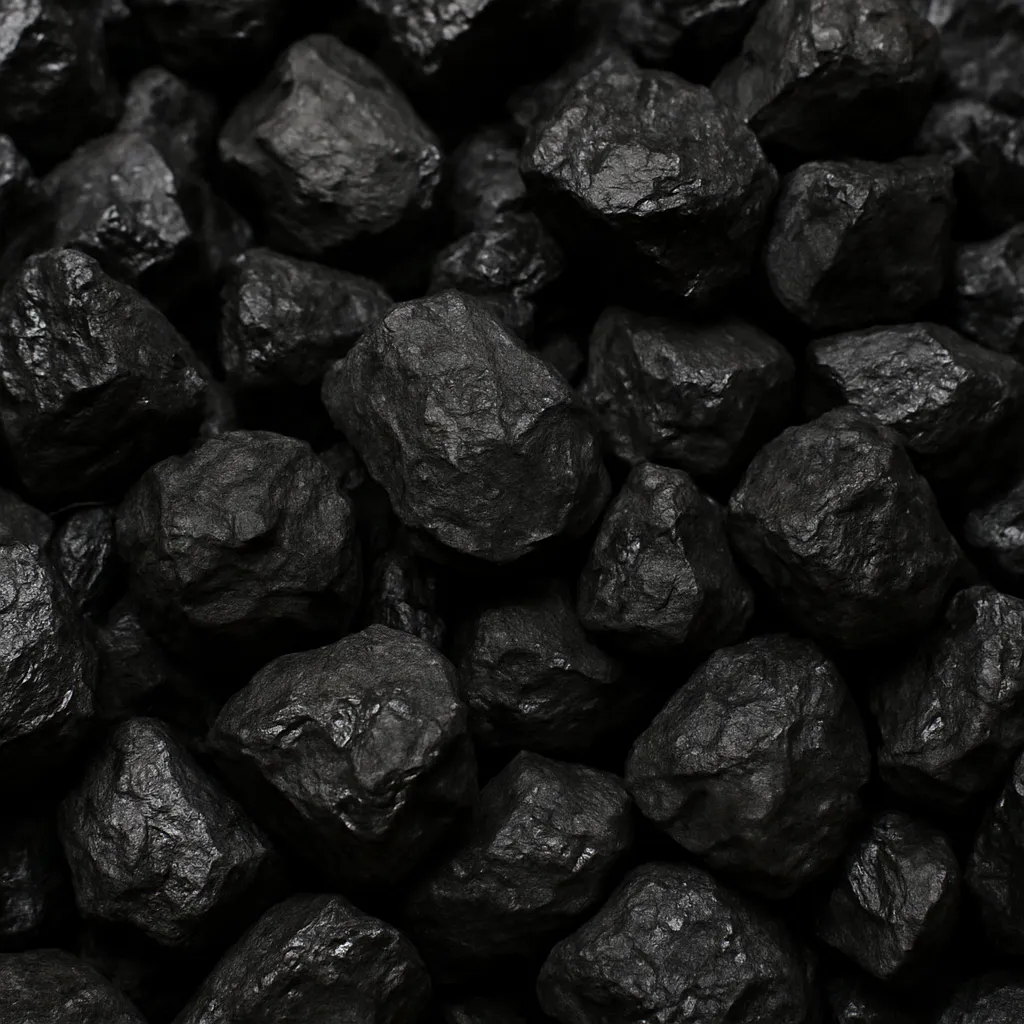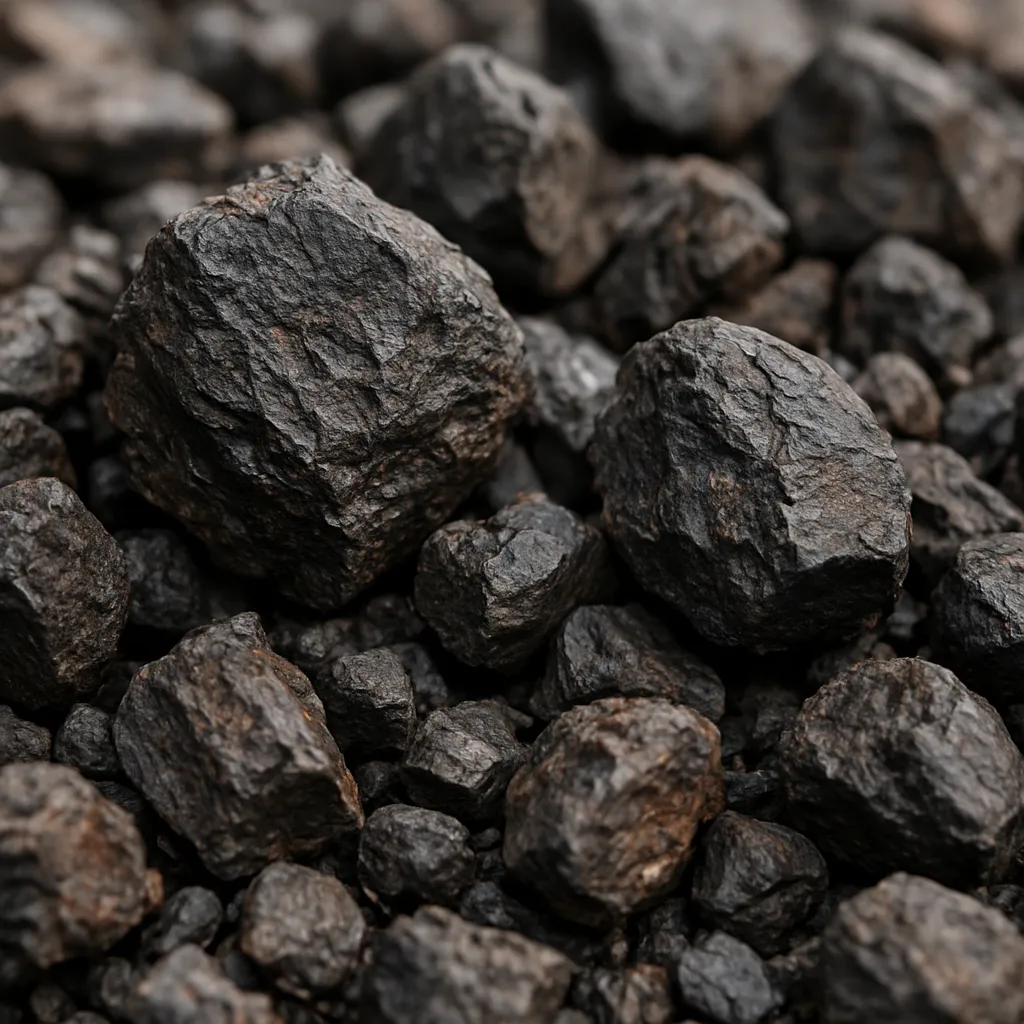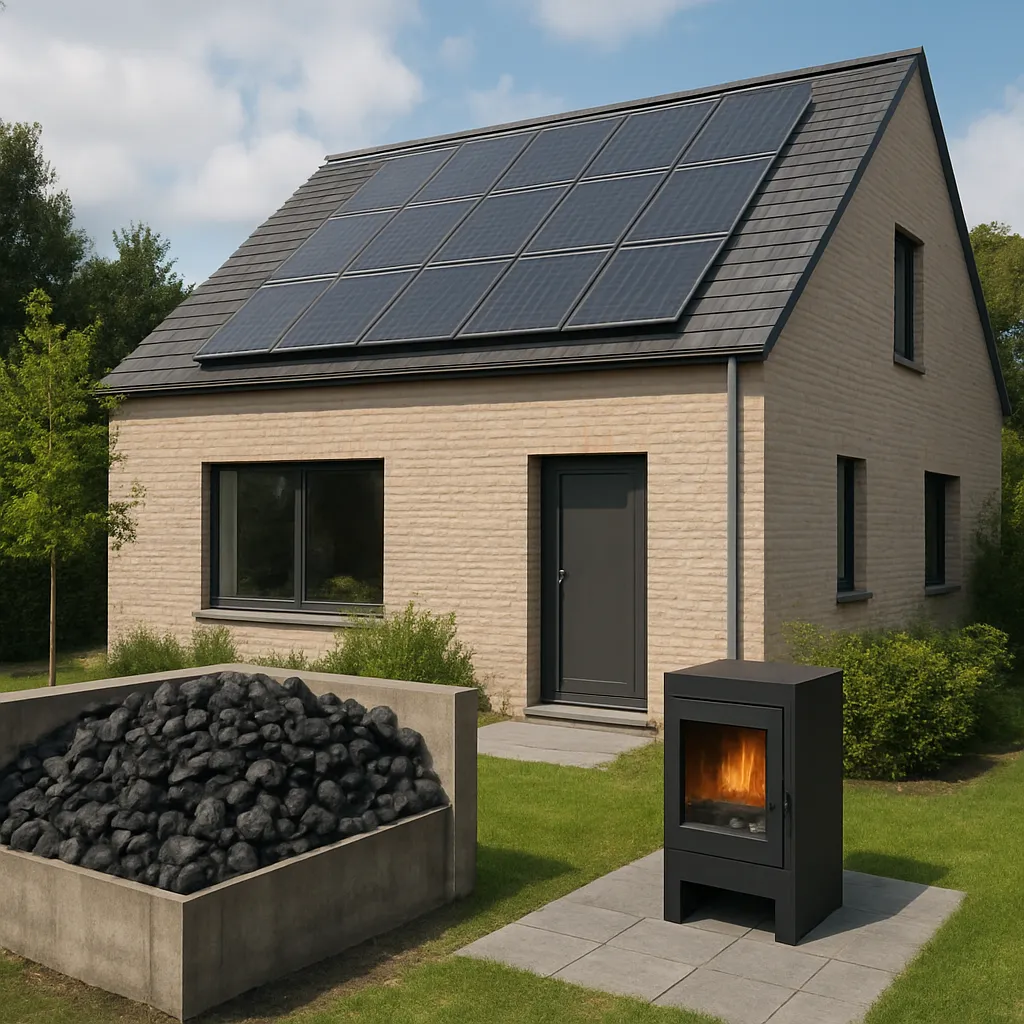
The term low-emission house coal refers to grades and preparations of solid fuel intended for residential heating that produce relatively fewer pollutants and more heat per unit mass than traditional, untreated fuels. This article examines what constitutes low-emission household coal, where such fuels are found and mined, their economic and statistical footprint, roles in industry and households, environmental and health considerations, and trends shaping their future. The goal is to provide a comprehensive, practical overview for policymakers, heating professionals and informed consumers.
Occurrence and types of low-emission household coal
Low-emission household coal is not a single geological variety but a category of fuels defined by their combustion properties and pollutant output. In general, these fuels share several characteristics: higher carbon content, lower volatile matter, reduced ash and sulfur content, and often a smaller fraction of fines and impurities. Typical examples include anthracite, certain grades of hard (bituminous) coal, and manufactured products such as briquettes or densified coal blocks made from selected coal fractions.
Natural coal types used as low-emission fuels
- Anthracite: A hard, high-carbon coal with low volatile matter and low smoke production. Anthracite yields a hot, long-lasting flame and relatively low emissions of particulate and gaseous pollutants per unit of heat.
- High-rank bituminous coal: Selected, low-ash bituminous coals with low sulfur that, when properly sized and combusted, can serve as lower-emission domestic fuels.
Processed and manufactured low-emission fuels
- Briquettes and blocks: Compressed coal fines or blends with binders, designed to burn more evenly and with less smoke than loose coal.
- Smokeless fuels: Manufactured fuels meeting standards for reduced smoke and particulate emissions; commonly used where open burning restrictions exist.
- Treated or sorted coal: Coal that has been screened to remove fines and high-ash fractions, improving combustion efficiency and reducing fly ash.
Regions with natural deposits of higher-rank coals are the primary source for natural low-emission household coal varieties. Anthracite reserves occur in places such as parts of China, Russia, the United States (notably Pennsylvania), Ukraine, and South Africa, while higher-grade bituminous coal is widespread in major coal basins worldwide.
Where low-emission household coal is mined and produced
Production of low-emission household coal involves both mining of naturally occurring high-grade coals and industrial processing of mined coal to produce cleaner, standardized products.
Major mining regions supplying household-grade coal
- China: The world’s largest coal producer and consumer. China produces a wide range of coal types including significant tonnages of higher-rank coal used domestically and, in some regions, as household fuel after processing.
- Russia and Ukraine: Large reserves of higher-rank coals (including anthracite in some basins) provide domestic and export supplies; geopolitical developments have affected flows and availability in recent years.
- United States: Appalachian anthracite and high-quality bituminous coal have historically supplied domestic markets, including some residential uses where smokeless fuels are favored.
- Poland and Central Europe: Hard coal from the Upper Silesian Basin and processed low-emission products are important for winter household heating, though regulations and market shifts are reducing traditional coal use.
- South Africa and Australia: Large coal producers that supply both power-generation coal and, in some cases, higher-quality coal for industrial and home uses.
Processed low-emission products are often produced near coal preparation plants and briquetting facilities that take mined coal, wash and size it, and produce standardized domestic fuels. In countries with strong air-quality controls, production of briquettes and certified smokeless fuels has expanded to meet regulatory demand.
Economic and statistical overview
Coal remains a major global energy commodity despite long-term policy shifts toward decarbonization. While most coal is used for power generation and metallurgical processes, a measurable share is consumed for residential heating in regions where alternatives are costly or unavailable. Below are key economic characteristics and representative statistical observations.
Global production and consumption context
- Global coal production and consumption remain in the multi-billion-tonne range annually, with production concentrated in a handful of countries. While precise annual figures vary year to year, the global market dynamics are influenced by energy demand, metallurgical needs, and regional heating requirements.
- Residential coal use is regionally concentrated: Central and Eastern Europe, parts of East Asia and South Asia, and some rural areas of the Americas and Africa still rely on coal for domestic heating.
Price, market structure and household economics
Prices for low-emission household coal vary by quality, region and processing. Key economic drivers include:
- Calorific value: Higher-grade fuels command higher prices per tonne but lower cost per unit of heat.
- Processing and certification costs: Briquetting, washing and certification for smokeless or low-sulfur classes raise retail prices.
- Transport and distribution: Bulk coal is heavy and transport costs can dominate retail price in regions far from mines.
- Regulation and subsidies: Policies that restrict sale of low-quality fuels, or that subsidize cleaner alternatives, shift market demand and price signals.
For many households, the economic choice depends on up-front equipment costs (stoves or boilers optimized for specific fuels), fuel price volatility, and local availability. In some markets, low-emission coal is positioned as a premium residential fuel due to its higher efficiency and lower visible smoke, which reduces nuisance and local pollution.
Employment and regional economic importance
Coal mining, processing and distribution support employment in mining regions. Even where power-sector coal demand declines, domestic coal and processed household fuels can sustain jobs in preparation plants and local retail chains. However, transitions away from coal—driven by decarbonization policy and market forces—create structural economic challenges in mining-dependent communities that require retraining and economic diversification.
Importance in industry and household energy systems
Although industrial uses (power generation, steelmaking) dominate total coal consumption, low-emission household coal plays a distinct role:
- As a heating fuel in areas with limited access to gas or district heating networks.
- As a backup fuel for homes and small businesses during cold seasons or energy crises.
- As part of traditional heating practices and cultural habits in rural zones where solid-fuel stoves are ingrained.
In industry, higher-grade coal types (coking coal) are more valuable and less relevant to household fuel markets, but technologies that improve combustion efficiency and lower emissions in household contexts (improved stoves, pelletization) are sometimes adapted from industrial processes.
Environmental and public-health considerations
Even the cleaner variants of household coal produce emissions when combusted. The main pollutants of concern are particulate matter (PM2.5 and PM10), nitrogen oxides (NOx), sulfur dioxide (SO2), volatile organic compounds (VOCs) and carbon monoxide (CO). The carbon dioxide (CO2) emissions per unit of energy are also significant compared with many alternative fuels.
Health impacts
Residential coal burning is a major contributor to local and regional air pollution episodes, especially in winter. Fine particles (PM2.5) penetrate deep into the lungs and are associated with increased rates of respiratory and cardiovascular disease. In many Central and Eastern European cities, wintertime spikes in PM2.5 are strongly linked to household solid-fuel combustion; in low-wind conditions, this leads to prolonged exposure.
Emission differences and mitigation potential
Low-emission coal grades reduce but do not eliminate harmful outputs. Key mitigation factors include:
- Fuel quality: Lower ash and sulfur reduce particulate and SO2 emissions.
- Combustion technology: Modern, high-efficiency stoves and boilers achieve more complete combustion and lower emissions per unit heat.
- Fuel handling and storage: Dry, properly sized fuel reduces incomplete combustion and smoke.
Where policy aims to reduce air pollution quickly, combining fuel-quality standards with stove replacement programs and incentives for switching to gas, heat pumps or district heating has been effective in improving air quality.
Regulatory measures, market instruments and technologies
Governments and local authorities use a mix of regulations and market instruments to limit emissions from household coal:
- Product standards and bans: Restrictions on the sale of high-ash, high-sulfur coal or unrefined fuels in certain jurisdictions.
- Subsidies and incentives: Support for replacing old stoves with certified low-emission appliances or for switching to gas or electric heating.
- Public-awareness campaigns: Education on proper combustion techniques, safe storage and benefits of cleaner fuels.
Technologies that reduce household emissions
- Certified high-efficiency stoves and boilers designed for specific low-emission fuels.
- Gasification and forced-draft combustion units that minimize smoke and unburned hydrocarbons.
- Fuel processing (washing, sizing) and briquetting to produce uniform, cleaner-burning products.
Innovations such as small-scale automated stoves that control air supply and combustion temperature can markedly reduce particulate emissions and increase thermal efficiency. In urban environments, introduction of smokeless fuel standards combined with stove-upgrade schemes has yielded measurable air-quality improvements in several countries.
Statistical snapshots and notable numbers
Reliable, up-to-date statistics vary by country and source, but several broad trends are clear:
- Coal remains a major global energy commodity, concentrated in a few producing countries. A multi-billion tonne annual global market persists due to power generation and metallurgy demand.
- Residential coal use is declining in many high-income countries due to fuel switching and regulations, but remains significant in parts of Asia, Eastern Europe and rural areas globally.
- Household combustion of solid fuels (including coal and biomass) is a leading source of wintertime particulate pollution in many cities, driving public-health policy and local bans on certain fuels.
For specific numbers, national energy agencies and international organizations such as the International Energy Agency (IEA), BP Statistical Review and national statistical offices publish coal production, consumption and emission data annually. Where household coal is significant, country-level energy balances and air-quality inventories will often include breakdowns showing residential solid-fuel consumption as a share of total emissions for PM2.5 and related pollutants.
Policy challenges, socioeconomic trade-offs and transition pathways
Transitioning away from polluting household coal involves trade-offs. For households that rely on coal because it is affordable and accessible, banning certain fuels without providing affordable alternatives can cause energy poverty. Effective transition strategies therefore combine:
- Targeted subsidies or financing for upgrading heating systems.
- Phased regulatory measures that give time for supply chains and installers to respond.
- Investment in alternative fuel infrastructure (gas networks, electricity grids, district heating) where feasible.
Programs that pair stove replacement with fuel quality standards and public education tend to be more successful than bans alone. In coal-mining regions, long-term economic diversification and worker retraining are essential components of a just transition.
Interesting facts and practical considerations
- Efficiency pays: High-quality low-emission coal often costs more per tonne but because of higher calorific value and cleaner combustion it can be cheaper per gigajoule of heat delivered than low-grade alternatives.
- Seasonality in demand: Sales and supply chains for household coal are highly seasonal, leading to price volatility and incentives for stockpiling ahead of winter.
- Local markets and informal trade: In many regions, informal sales of mixed or low-quality coal persist despite regulations, complicating enforcement.
- Co-benefits of cleaner household fuels: Reducing domestic coal pollution improves public health, reduces municipal cleaning costs, and often lowers healthcare expenditures attributable to air-pollution-related disease.
Future outlook
The role of low-emission household coal is likely to diminish in countries committed to air-quality improvements and decarbonization, but it will persist where alternatives are costly or inaccessible. Advances in fuel processing, stove technology and distribution can make remaining coal use less harmful. Simultaneously, structural shifts—expansion of gas networks, electrification through heat pumps, and improved district heating—offer pathways to reduce household coal dependence.
Policy choices will determine whether remaining coal use is managed in a way that minimizes harm and supports vulnerable households during transition, or whether rapid curbs simply displace emissions to informal markets and increase energy insecurity. Integrating fuel-quality standards, targeted subsidies, and investments in cleaner heating infrastructure will be crucial in balancing environmental goals with socioeconomic realities.
Key words: low-emission, coal, households, combustion, emissions, particulate, anthracite, mining, subsidies, policy.