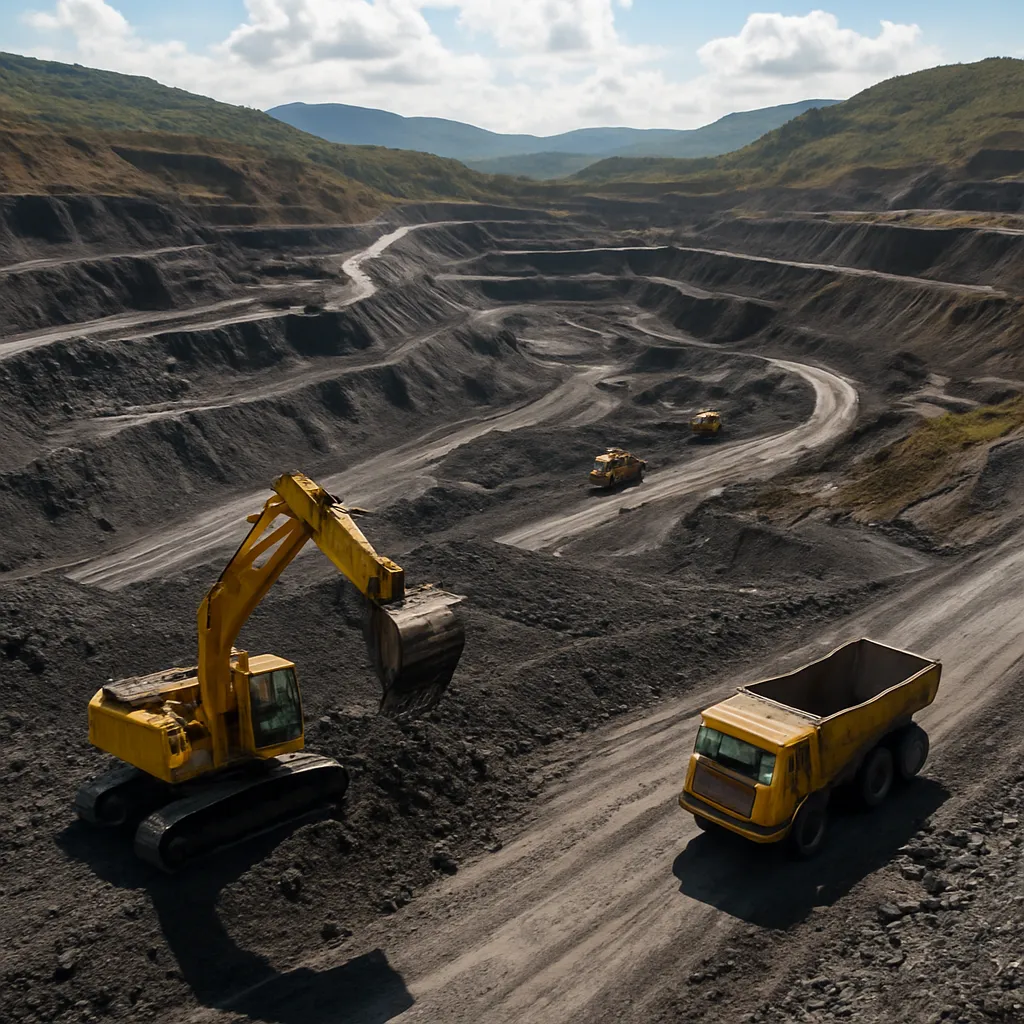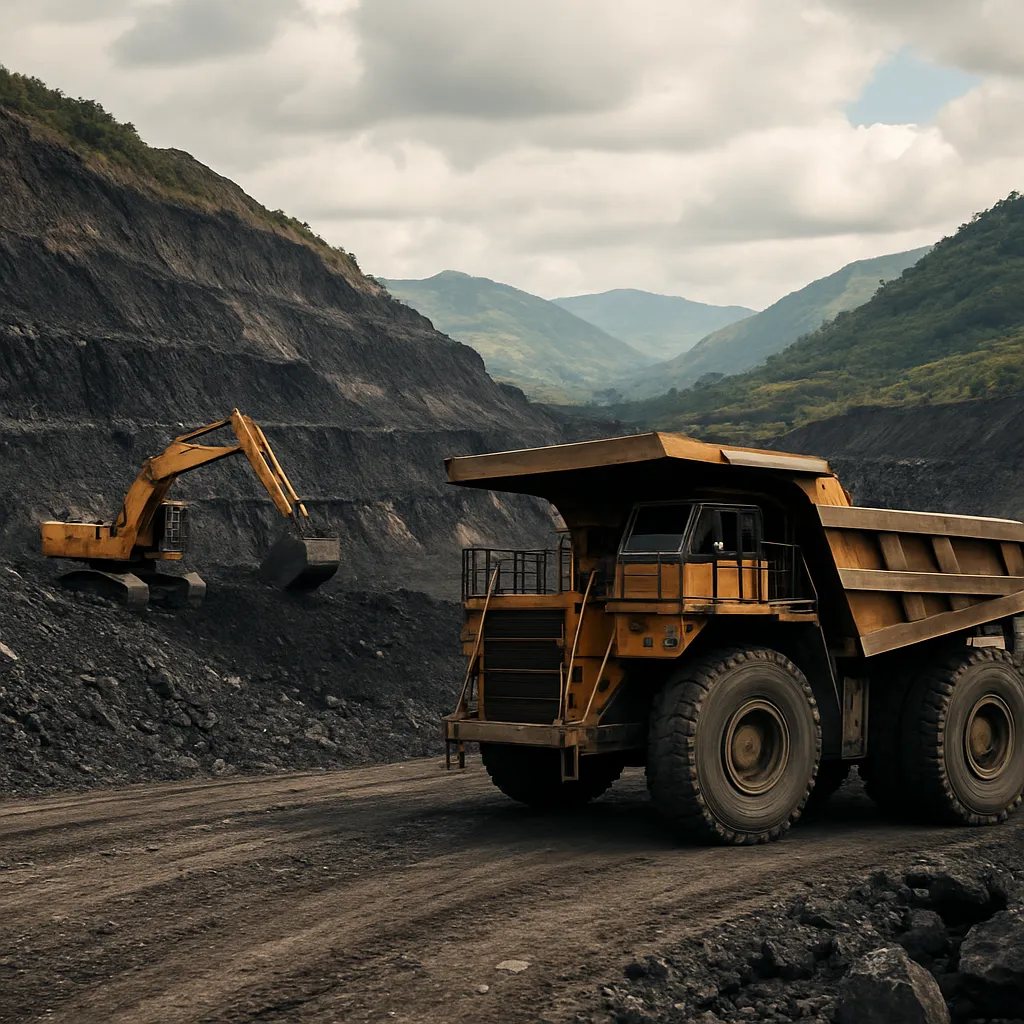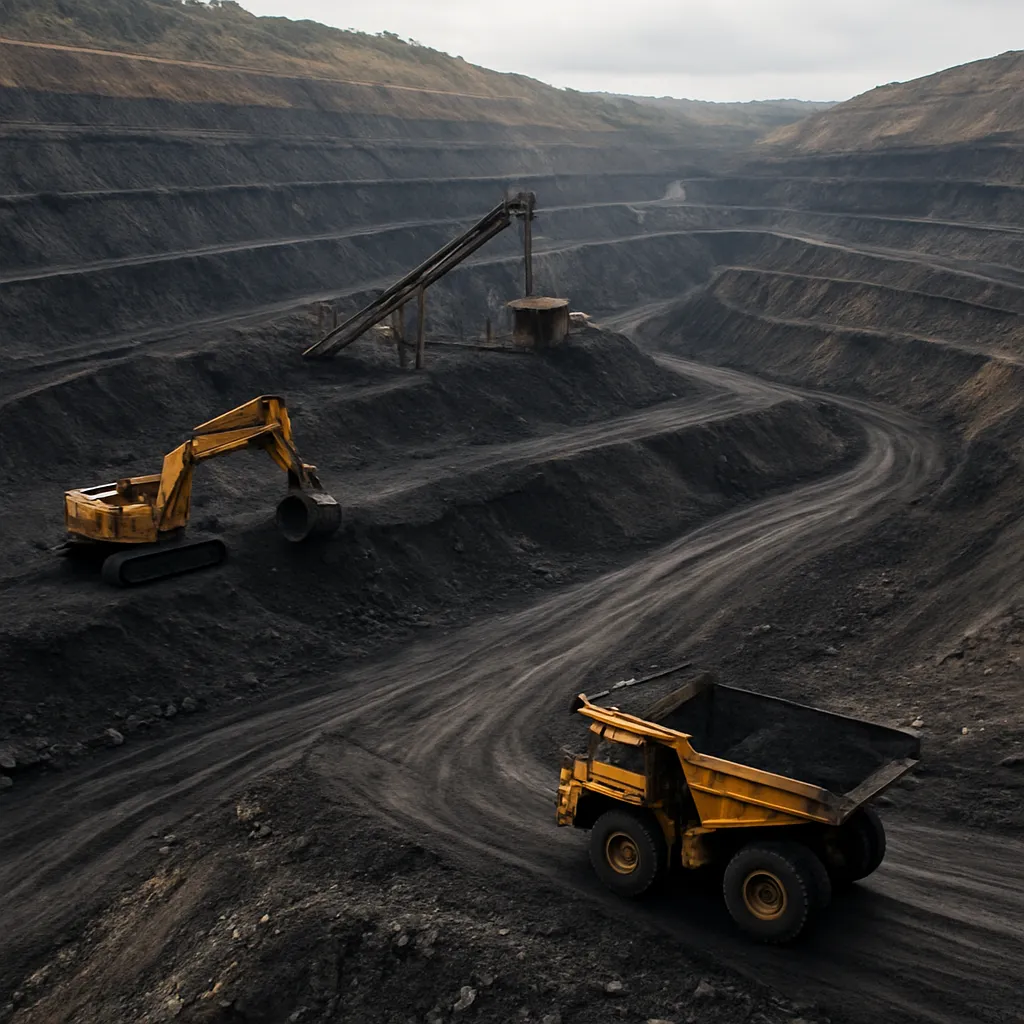
The La Primavera mine is one of several coal mining operations that contribute to Colombia’s long-standing role as a major global coal supplier. This article reviews the mine’s setting, the type of coal produced, operational and economic aspects, environmental and social issues, and its role within the Colombian and international coal markets. Where precise public data about La Primavera are limited, the analysis places the mine in the broader context of Colombia’s coal-producing basins and industry trends to provide a comprehensive view of its significance.
Location, geology and regional context
La Primavera is located within Colombia’s coal-bearing territory, which is concentrated in a few well-known basins in the northern and central parts of the country. The most important of these basins are the Cesar-Ranchería basin, the La Guajira province area, and the Middle Magdalena Valley. Mines in these basins typically exploit sedimentary coal seams uplifted and exposed along structural basins and plateaus. Geological characteristics of deposits supplying mines such as La Primavera are dominated by Paleogene to Neogene sedimentary sequences containing multiple coal seams interbedded with sandstones, siltstones and shales.
Geological characteristics
- Coal seams in the region are commonly of bituminous rank, often described as high-quality thermal coal with relatively low ash content compared with some other global deposits.
- The seams are typically laterally extensive with variable thickness; mining design depends on seam continuity, overburden thickness, and structural features (faults, folds).
- Typical mining operations in the region access seams using surface (open-pit) methods where overburden is shallow, while deeper or structurally complex seams may require underground methods.
For La Primavera specifically, public geological summaries indicate the mine exploits economically accessible seams that are compatible with open-pit operations in portions of the deposit and selective underground workings where local geology merits. The coal retrieved is primarily used for thermal applications (power generation and industrial steam) and may also be blended for export markets.
Coal type, quality and processing
Coal quality is a decisive factor for both domestic use and export value. Mines in Colombia’s primary coal basins commonly produce coal that falls into the category of medium- to high-quality steam coal. Characteristics that determine marketability include calorific value (kcal/kg or MJ/kg), volatile matter, fixed carbon, ash content, sulfur content and moisture content.
Typical coal profile for La Primavera
- Rank: Predominantly bituminous (steam/thermal coal)
- Calorific value: Generally in a competitive range for export steam coal (values commonly between 5,500 and 7,000 kcal/kg for the region, depending on seam and washing)
- Ash: Many Colombian coals have relatively low ash compared to regional peers; washing plants further reduce ash content to meet buyer specifications
- Sulfur: Typically moderate to low, making the coal more attractive for markets concerned with combustion emissions
Processing infrastructure near mines like La Primavera typically includes crushing, screening and coal-washing plants (pre-concentration). Washing improves calorific value and reduces impurities, which raises export prices and expands market access. Product streams commonly include run-of-mine coal, coarse and fine washed coal, and varying size fractions for specific industrial needs.
Operations, production levels and statistics
Publicly available production figures for many smaller and medium-sized mines can be limited or aggregated by operators. For La Primavera, granular year-by-year public data are not always published separately from company-wide results, but operational characteristics mirror many Colombian mines: multi-shift operations, mechanized excavation in open pits, use of trucks and shovels or draglines, and reliance on dedicated washing and processing plants.
Production and reserves
- Reserves: Exact proven and probable reserves reported for La Primavera vary by source; smaller to medium-sized mines in Colombia often report reserves in the range of a few million to several tens of millions of tonnes, depending on the deposit footprint and exploration maturity.
- Annual production: Many similar operations in Colombia produce from under one million tonnes per year to several million tonnes annually. La Primavera’s output sits within this spectrum, serving both domestic power plants and export markets through regional port facilities.
- Longevity: Mine life is driven by actual recoverable reserves, extraction rates, and investment in exploration. Re-evaluation of resources and economic cut-offs can extend operational life.
For context, Colombia’s national coal production in recent decades has typically ranged broadly between about 70 and 100 million tonnes per year, with a significant portion destined for export. While mines such as Cerrejón and the large Drummond operations contribute the largest shares, a network of regional mines, including La Primavera, supplies both export markets and domestic consumers.
Economic and industrial significance
La Primavera contributes to regional and national economies through direct production, employment, taxes and royalties, and stimulus for associated industries such as transport and equipment supply. Coal remains a major foreign exchange earner for Colombia, supporting public finances and investment in infrastructure.
Employment and local economy
- Employment: Mines of La Primavera’s scale typically employ hundreds to a few thousand workers directly, with additional indirect employment in services, maintenance, logistics and local commerce. Workforce composition includes operators, technicians, engineers, administrative personnel and contractors.
- Local procurement of goods and services—fuel, drilling consumables, spare parts, catering services—creates multiplier effects in nearby towns.
- Royalties and taxes paid to national and subnational governments finance public services, infrastructure, and community projects; the distribution of these benefits is often a topic of local policy and social negotiation.
Export markets and pricing
Coal from Colombian mines is typically sold on the international market to buyers in Europe, the Americas and increasingly Asia. Pricing depends on quality, freight costs, and global demand. Mines like La Primavera that produce competitive thermal coal benefit from established logistics chains—rail or truck to port terminals—and from coal-washing that improves product specifications.
Infrastructure, logistics and market access
Efficient transport from pit to port is crucial for competitiveness. Colombian coal is exported through major ports on both the Caribbean and Pacific coasts, with Caribbean ports (e.g., Santa Marta, Barranquilla and Puerto Bolívar) dominating for northern basin output. Inland logistics frequently use a combination of heavy trucks, conveyor belts and dedicated freight rail where available.
Key logistical elements for La Primavera
- Access roads and haulage corridors able to handle high-capacity truck fleets
- Coal handling and stockpile facilities at mine sites and port terminals
- Coal-washing plants and quality control laboratories to meet export specifications
- Where present, rail connectivity to major ports reduces unit transport costs and increases throughput reliability
Investments in logistic bottlenecks—road rehabilitation, port expansion, and rail enhancements—can materially affect the economic returns from mines such as La Primavera by lowering freight costs and increasing consistency of supply to customers.
Environmental and social dimensions
Coal mining in Colombia, as globally, raises important environmental and social considerations. Mines like La Primavera face responsibilities to manage impacts on water, air, soil, biodiversity and local communities. Regulatory frameworks, environmental licensing and community engagement processes guide mitigation and remediation efforts.
Environmental management
- Water management: controlling runoff, treating effluents and ensuring downstream water quality for communities and ecosystems
- Dust and air emissions: measures include watering of haul roads, enclosed conveyors, and dust suppression at crushers
- Rehabilitation and progressive reclamation of mined areas: recontouring, topsoil replacement, revegetation and monitoring
- Biodiversity offsets: where operations affect sensitive habitats, companies may implement offset programs and conservation partnerships
Community engagement and social investment
Social license to operate is central to sustained mining activity. La Primavera, like other operators, typically engages in:
- Consultation and stakeholder dialogues with affected communities and local authorities
- Local employment and training programs to enhance skills and economic opportunities
- Investment in infrastructure and services—schools, clinics, water systems—either directly or through agreed social development plans
Conflict over land rights, environmental impacts and benefit sharing is part of the Colombian mining context. Effective grievance mechanisms and transparent benefit distribution are essential to long-term stability.
Regulatory environment, royalties and taxation
Colombia’s mining sector is governed by national mining law, environmental regulations and tax regimes that require companies to obtain exploration and exploitation concessions, environmental licenses, and to pay royalties and taxes. Fiscal terms can include:
- Royalties based on production value or volume—these funds are shared between national and subnational governments
- Corporate taxes and customs duties related to equipment imports
- Obligations for environmental bonding and reclamation guarantees
Policy shifts, global decarbonization pressures, and commodity price cycles influence how attractive coal investments are and how operations like La Primavera plan for the medium to long term.
Health, safety and technological practices
Safety standards and occupational health practices are continually improved across Colombia’s mining sector. Typical measures applied at modern mines include:
- Strict operational safety protocols, emergency response planning and routine training
- Monitoring programs for occupational exposure to dust and noise
- Use of mechanized equipment, GPS fleet management, and real-time monitoring systems to enhance productivity and safety
- Automation and digitalization trends (e.g., remote fleet control and data analytics) increasingly applied to raise efficiency and reduce risk
Challenges and risks
Mines such as La Primavera must navigate a set of recurring challenges:
- Commodity price volatility: coal prices respond to global demand, competing fuels and policy decisions in buyer countries
- Environmental and social constraints: stricter environmental standards or stronger community opposition can delay or curtail operations
- Infrastructure bottlenecks: port capacity, road conditions and rail availability can materially constrain export volumes
- Regulatory uncertainty: shifts in fiscal or environmental policy affect project economics
Future outlook and strategic options
The strategic prospects for La Primavera depend on several interacting factors:
- Market demand for thermal coal: near-term demand persists in regions reliant on coal for electricity generation; medium- to long-term demand will be shaped by energy transition policies and the pace of decarbonization.
- Operational efficiency: reducing unit costs through improved mining methods, better logistics and higher-quality product washing enhances competitiveness.
- Diversification and value capture: opportunities exist to pursue higher-value coal products, longer-term contracts with utilities, or investments in carbon management and biodiversity programs to improve market access.
- Rehabilitation planning and legacy management: proactive reclamation and community development strategies reduce long-term liabilities and can improve social license.
Interesting facts and broader industry context
– Colombia is one of Latin America’s most important coal producers and exporters, with a diversified portfolio of mines ranging from huge open-pit operations to smaller, regionally significant producers. Mines like La Primavera form an integral part of that wider mining mosaic.
– Colombian coal often competes on quality (low sulfur, competitive calorific value) and proximity to Atlantic shipping lanes, which influences customer selection and freight economics.
– Advances in coal washing and quality control allow mines to produce different product grades from the same seam, creating flexibility to meet buyer specifications.
– Social and environmental initiatives in the sector include community development funds, investments in local health and education, and biodiversity conservation partnerships—practices that are increasingly expected by financiers and international buyers.
Summary
La Primavera is a representative example of Colombia’s coal-producing operations: it operates within a regionally important geological setting, produces primarily thermal bituminous coal, and relies on processing and logistics to deliver product to domestic and international markets. While specific, consistently published mine-by-mine statistics for La Primavera may be limited in public sources, the mine’s economic contributions are reflected in local employment, fiscal transfers through royalties and taxes, and participation in export flows that have long been pivotal for Colombia’s trade balance. Looking forward, La Primavera’s sustainability and profitability will depend on efficient operations, responsive environmental and social management, and adaptation to a shifting global energy landscape.