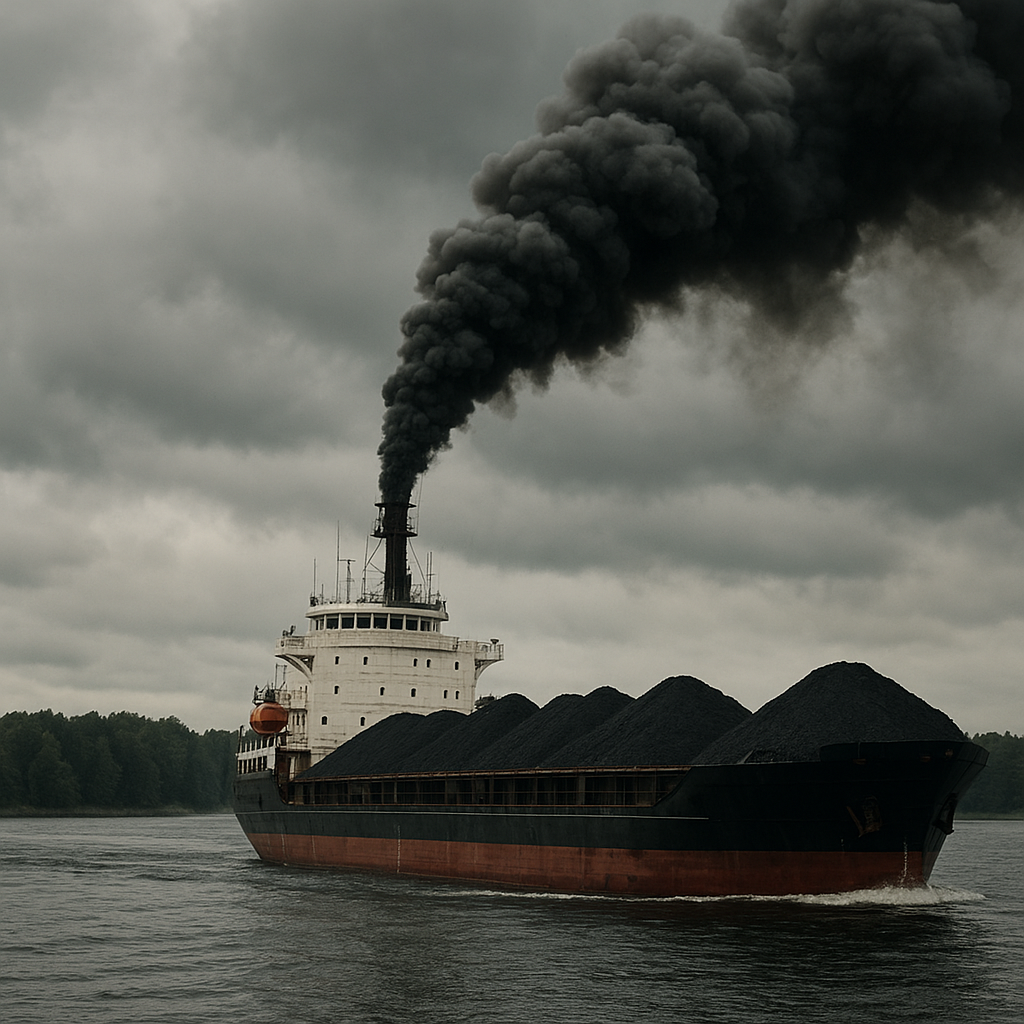
The extraction and distribution of coal have shaped industrial progress for centuries, but the consequences of this reliance extend far beyond power generation. From the formation of colossal stockpiles at strategic ports to the intricate web of maritime routes, every stage in the coal journey contributes to a significant environmental burden. Understanding how each link in the chain amplifies greenhouse gas outputs and local ecological strain is crucial for stakeholders aiming to balance economic demands with planetary health.
Coal Reserves and Stock Management
Underground and surface mining operations feed a global market hungry for fossil fuels. Once mined, raw coal travels via rail, barge, or truck to storage yards and terminal facilities near coastal or riverine hubs. These storage locations accumulate millions of tonnes of coal, creating towering mounds exposed to rain, wind, and sun. During this phase:
- Weathering processes release emissions of methane and particulate matter into the atmosphere.
- Coal dust dispersal endangers air quality and poses health risks to nearby communities.
- Runoff carrying heavy metals and sulfur compounds can contaminate soil and water sources.
Effective management of coal inventories demands rigorous dust suppression systems—such as chemical suppressants and water spray rigs—and engineered containment designs. Yet, the sheer volume of material often overwhelms infrastructure, leading to fugitive dust and uncontrolled surface water infiltration. Advanced monitoring techniques, including remote sensing and automated drift fences, aim to mitigate localized pollution, but widespread deployment remains limited by capital costs and logistical constraints.
Environmental Impact of Coal Transportation
Once loaded onto ships, coal embarks on a transoceanic journey fraught with environmental challenges. Transport vessels, often powered by heavy fuel oil, contribute disproportionately to global maritime pollution. Key factors include:
- Emission of sulfur oxides (SOx) and nitrogen oxides (NOx) from engine combustion.
- Significant release of carbon dioxide (CO₂), intensifying the overall carbon footprint of the fuel supply.
- Frequent ballast water exchanges that introduce invasive species into new habitats, destabilizing fragile marine ecosystems.
The architecture of the coal supply chain intensifies these impacts. Coal frequently changes hands, moving from inland conveyors to river barges, onto rail networks, and finally to bulk carriers. Each transfer brings additional energy consumption, mechanical handling, and risk of spillage. For instance, uncontrolled transfer points along piers can shed fine particles directly into coastal waters, threatening marine life and coastal productivity.
Key Shipping Modes
- Panamax and Capesize bulk carriers: Backbone of international coal trade, capable of hauling up to 200,000 tonnes per voyage.
- Coastal barges: Operate in inland waterways; lower carrying capacity but significant for short-haul routes.
- Rail-to-ship transloads: Combine rail efficiency with direct maritime access; require specialized terminal sites equipped with conveyor systems.
Mitigation Strategies and Sustainable Alternatives
Transitioning from traditional coal shipping practices involves technological and policy-driven interventions. Stakeholders can pursue:
- Implementation of sulfur scrubbers and exhaust gas cleaning systems to reduce SOx and NOx emissions.
- Adoption of low-sulfur marine fuels or liquefied natural gas (LNG) propulsion for vessels to lower particulate and greenhouse gas outputs.
- Deployment of closed-loop unloading systems to limit logistics-related spillage and dust generation.
On the regulatory front, stricter emissions caps within Emission Control Areas (ECAs) and the upcoming International Maritime Organization (IMO) carbon intensity standards compel operators to innovate. Financial incentives, such as green shipping credits and tax rebates for cleaner vessels, further motivate industry players to invest in retrofits and new-build designs.
Alternatives to Conventional Coal Shipping
- Bulk solid slurry pipelines: Transport coal as a water-solid mixture, reducing handling steps and dust emissions at ports.
- Dry bulk containers: Intermodal containers designed to carry pulverized coal in sealed units, minimizing transfer-related losses.
- Co-processing with biomass: Blending coal with organic waste to lower net carbon emissions per tonne of fuel delivered.
Strategic shifts in energy sourcing also play a pivotal role. As governments and utilities explore low-carbon pathways, the emphasis on renewable generation and energy storage grows. Nevertheless, existing infrastructure and regional demand patterns underscore the continued importance of coal in certain markets, particularly where energy security and economic stability remain paramount.
Looking ahead, enhanced digitalization of port and vessel operations offers opportunities for real-time emission tracking, predictive maintenance, and optimized routing—all vital elements in reducing the overall environmental footprint. By integrating lifecycle assessments into decision-making processes, shipowners, terminal operators, and policymakers can craft robust frameworks that balance commercial viability with ecological stewardship.