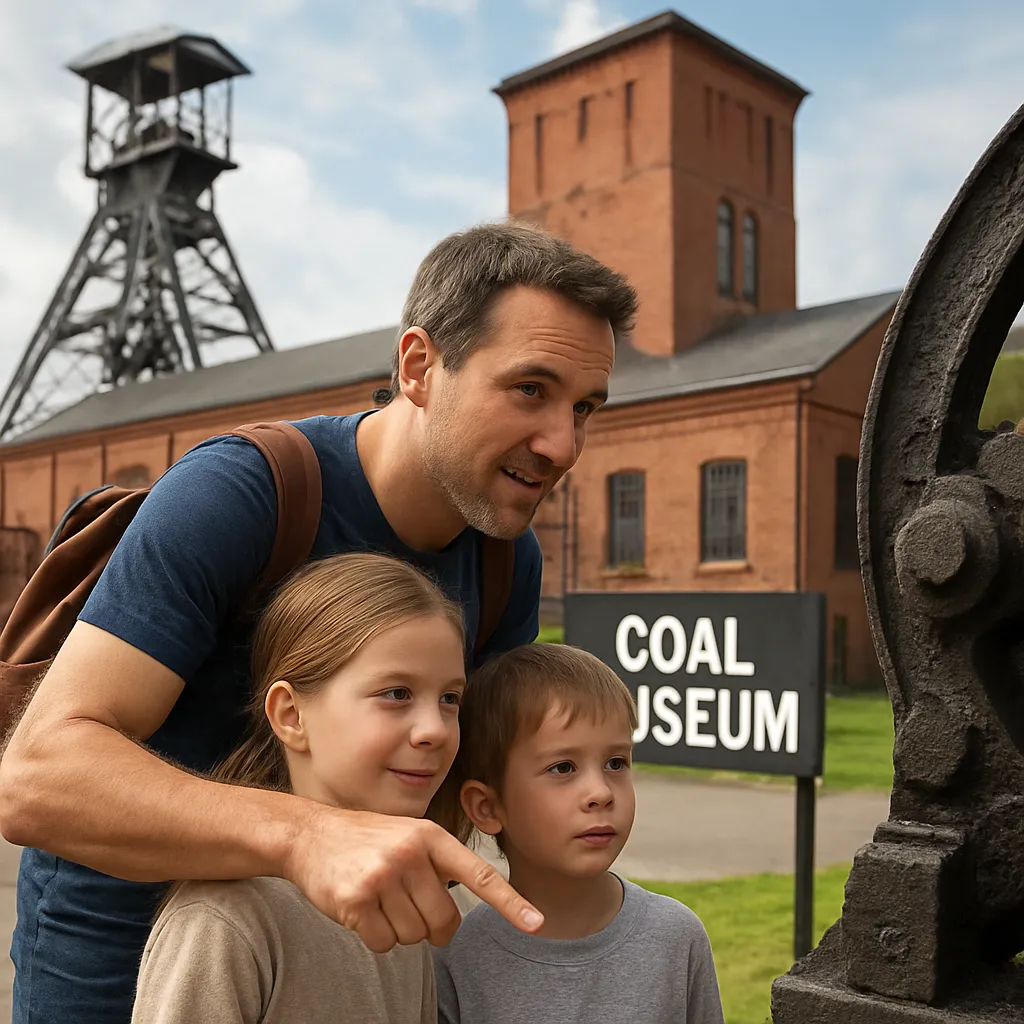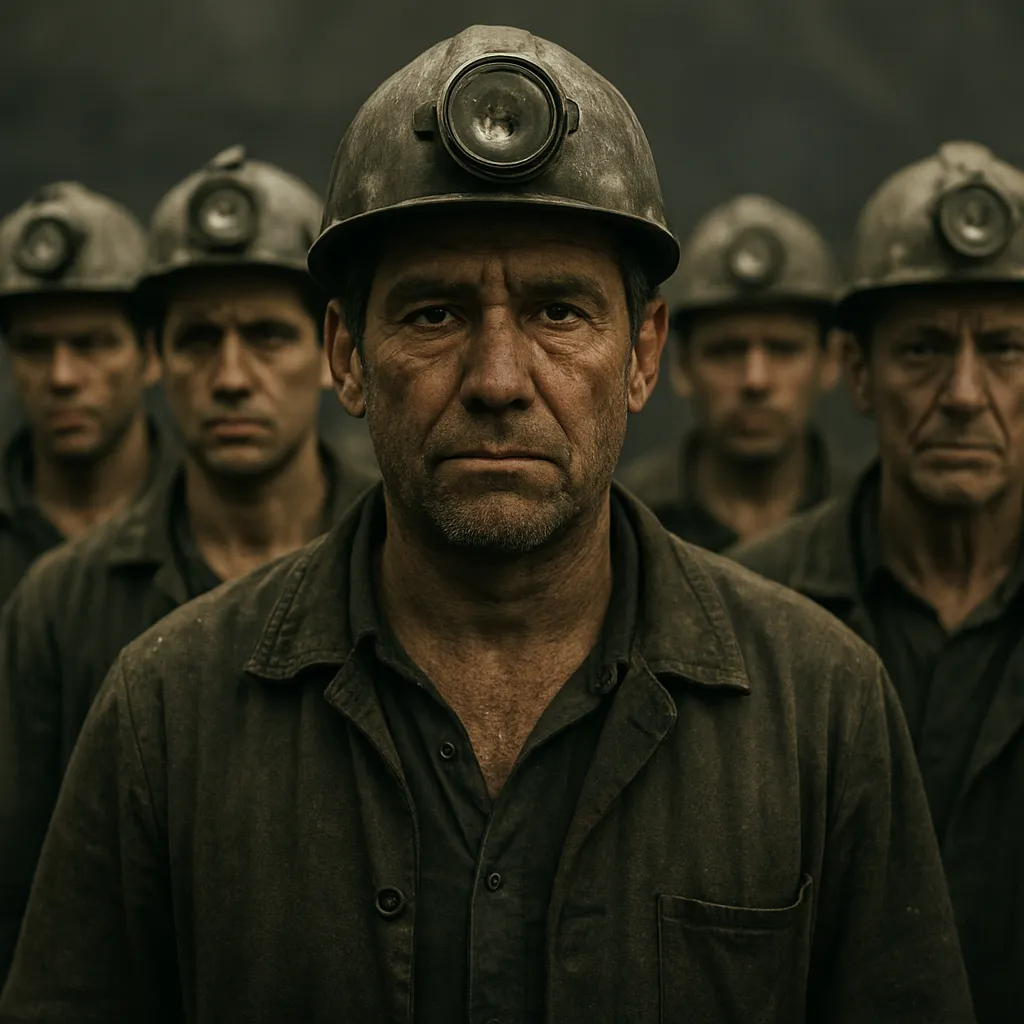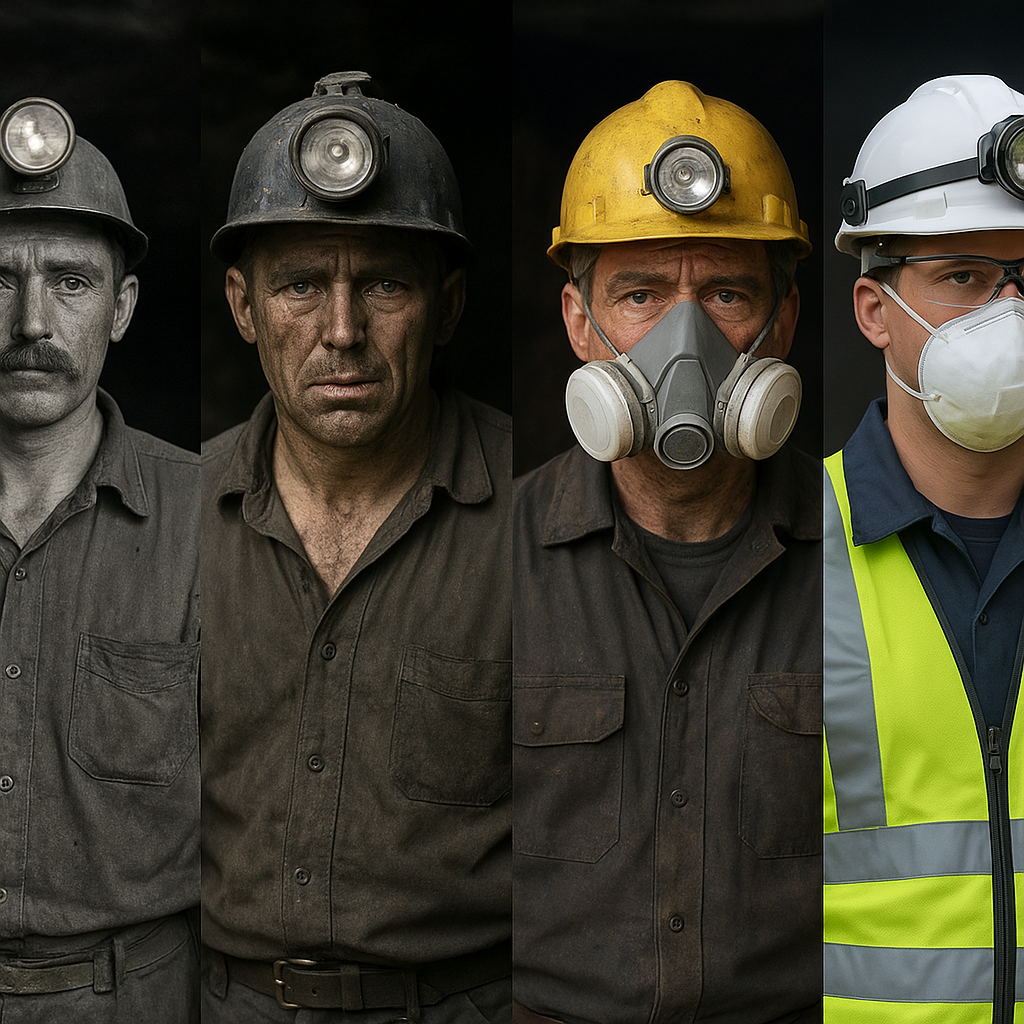
The history of coal extends deep into the industrial age, serving as a cornerstone of energy production and economic growth. This article examines the transformation of coal mining safety standards, explores fluctuations in coal stock markets, and considers future trajectories for the industry. By tracing regulatory milestones and analyzing market dynamics, readers will gain insight into how safety and investment intersect within the global coal sector.
Historical Background and Early Safety Challenges
The Rise of Coal as a Dominant Fuel
Coal emerged as a critical energy source during the late 18th and early 19th centuries, powering steam engines and driving the industrial revolution. Vast reserves in Great Britain, the United States, and Germany enabled factories and railways to flourish. However, rapid expansion occurred with little regard for worker well-being. Early mine shafts were dug by hand, ventilation systems were rudimentary, and miners often worked in pitch-black tunnels under life-threatening conditions.
Initial Safety Incidents and Public Outcry
Frequent disasters highlighted the need for protective measures. Methane explosions, roof collapses, and flooding claimed thousands of lives annually. Major tragedies, such as the Oaks Colliery explosion of 1866 in England and the Monongah disaster of 1907 in West Virginia, spurred public demands for improved regulation. These events underscored the urgent requirement for standardized protocols and government oversight.
- Legislation: Early laws began to address ventilation and shaft stability.
- Inspection: Governments appointed inspectors to enforce basic safety requirements.
- Training: Basic safety training emerged, though coverage was often minimal.
Evolution of Safety Standards and Technological Innovations
From Reactive Measures to Proactive Policies
Throughout the 20th century, coal mining saw significant advancements in safety culture. Reactive policies—implemented only after disasters—gave way to proactive strategies focused on risk assessment and prevention. Regulatory agencies, such as the U.S. Mine Safety and Health Administration (MSHA) established in 1977, introduced stringent guidelines covering equipment maintenance, ventilation standards, and mandatory reporting of hazardous conditions.
Mechanization and Remote Monitoring
The introduction of mechanized cutting machines and conveyor belts dramatically reduced the need for manual labor in the most dangerous zones. Coupled with remote sensing technologies, mining companies now employ:
- Gas detectors to monitor methane levels in real time
- Ground-penetrating radar to detect potential roof falls
- Automated shut-off systems to isolate hazards
These innovations have led to a decline in the most severe incidents, although smaller-scale mishaps still pose risks for the workforce.
Training, Certification, and Workforce Empowerment
Safety today involves comprehensive training programs and robust certification processes. Miners undergo extensive drills covering emergency evacuation, first aid, and use of personal protective equipment (PPE). Partnerships between industry leaders and unions ensure that workers have a voice in safety committees, promoting a culture of continuous improvement.
Coal Stock Dynamics and Market Implications
Global Supply, Demand, and Pricing Trends
Coal remains a significant commodity in energy markets, though its share of the global energy mix has fluctuated. Demand in emerging economies often contrasts with declining consumption in developed nations shifting towards cleaner alternatives. Investors track several key indicators:
- Stockpile levels at major ports and power plants
- Futures markets reflecting speculation on price movements
- Exchange rates affecting export competitiveness
These variables influence the valuation of coal stocks listed on exchanges such as the New York Stock Exchange and the London Metal Exchange.
Impact of Environmental Regulations
Stricter environmental policies, especially in Europe and North America, place pressure on coal producers. Carbon taxes, emissions trading schemes, and renewable energy mandates have dampened demand for high-emission fuels. Companies that adopt cleaner mining methods or diversify into renewable ventures often enjoy stronger investor confidence. As a result, coal stock portfolios are increasingly evaluated on both financial performance and environmental, social, and governance (ESG) criteria.
Role of Technological Adoption in Market Valuation
Production efficiency and safety records can directly influence a company’s market worth. Firms investing in advanced mine automation, digital monitoring, and carbon-capture technologies often see improved profit margins and reduced accident-related liabilities. Such commitments help bolster their reputation, attract capital, and stabilize share prices even during market downturns.
Future Prospects: Integrating Safety, Sustainability, and Innovation
Emerging Safety Technologies
Advancements in artificial intelligence (AI) and the Internet of Things (IoT) are poised to revolutionize mine safety. Predictive analytics can forecast hazardous events before they occur by analyzing onsite sensor data. Drones equipped with high-resolution cameras enable inspections in inaccessible or dangerous areas, minimizing human exposure.
Coal in a Decarbonizing World
While coal’s long-term role in energy portfolios may shrink, there remains a substantial need for transitional solutions. Innovations in carbon capture and storage (CCS) aim to retain coal’s utility while reducing greenhouse gas emissions. Pilot projects in countries like Australia, China, and Norway demonstrate the feasibility of retrofitting existing power plants with capture units, potentially extending coal’s lifespan under stricter climate targets.
- Modular CCS systems that can be scaled according to plant size
- Integration with hydrogen production for cleaner fuel alternatives
- Collaboration between public institutions and private firms to fund large-scale trials
Investment Strategies and Risk Mitigation
Investors are increasingly balancing traditional coal assets with greener technologies. Diversification across mining, renewable energy, and carbon management startups helps mitigate regulatory and market risks. Sustainable finance instruments, such as green bonds and transition bonds, provide capital specifically earmarked for clean energy and safety upgrades.
In sum, the coal industry’s evolution underscores the interconnectedness of worker safety, technological progress, and market performance. As regulations tighten and public expectations rise, companies that innovate responsibly and uphold high standards are likely to thrive in an increasingly competitive landscape.