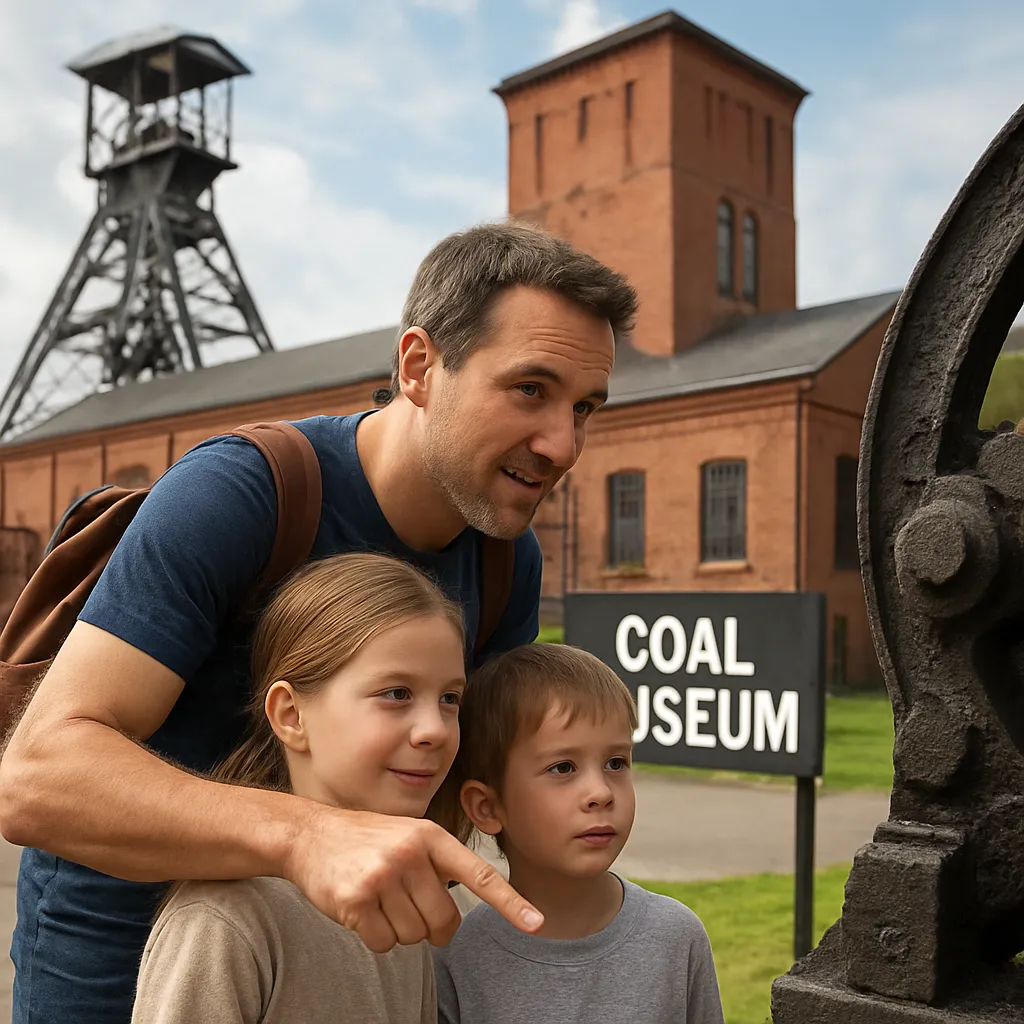
Coal has played a pivotal role in powering industries, heating homes, and shaping economies across the globe. Yet alongside its contribution to human progress lies a shadowed legacy of abandoned mines, deteriorating **ecosystems**, and long-term **contamination**. This article delves into the multifaceted world of coal, the status of coal **stock**, and the complex environmental and economic issues arising from dormant mining sites.
Coal and Its Global Importance
The term coal refers to a combustible sedimentary rock composed primarily of carbon and various impurities. It ranks among the most abundant and accessible fossil fuels worldwide, representing a cornerstone of the **energy** sector for centuries. From the Industrial Revolution to modern power plants, coal’s high calorific value has underpinned economic growth and industrialization.
Historical Significance
Early steam engines, steel production, and rail transport relied heavily on coal. Nations with rich coal reserves rapidly industrialized, while those without faced energy security challenges. As demand soared, mining techniques evolved from shallow digs to expansive underground networks and open-pit operations.
Contemporary Usage
- Electricity Generation: Coal-fired power stations continue to supply over 30% of global electricity.
- Industrial Heating: Coal remains vital in cement, paper, and chemical manufacturing.
- Chemical Feedstock: Derivatives such as tar, ammonia, and methanol highlight coal’s **versatility**.
Despite rapid growth in renewable alternatives, coal endures in many developing economies due to cost efficiency and existing infrastructure.
Environmental Consequences of Abandoned Coal Mines
When coal markets shift or mines become economically infeasible, extraction sites are often left idle. These abandoned operations pose serious ecological and public health risks.
Acid Mine Drainage
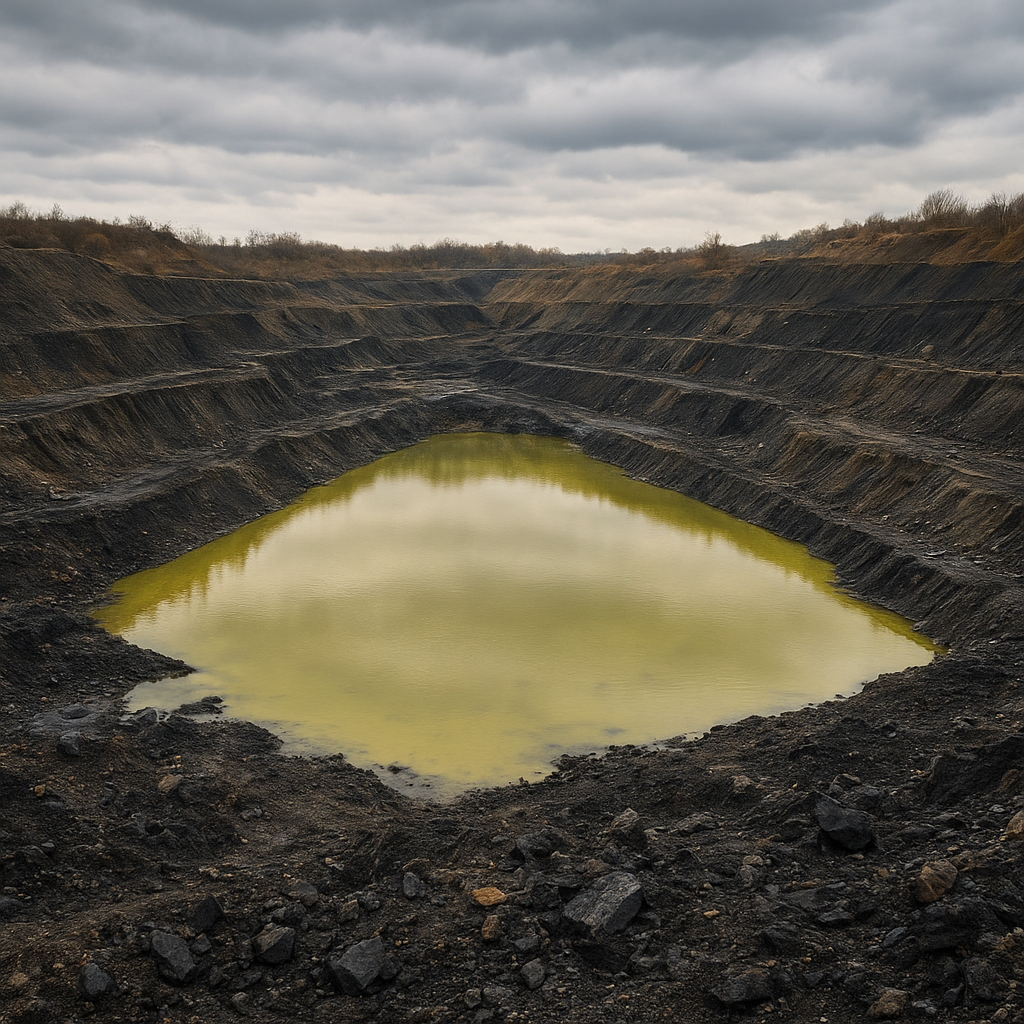
Exposure of sulfide minerals to air and water generates sulfuric acid, leading to **acidification** of nearby streams and rivers. Acid mine drainage (AMD) can persist for decades, lowering pH levels and mobilizing heavy metals like arsenic, lead, and mercury.
Groundwater Contamination
Defunct mine shafts alter **hydrology**, enabling polluted water to infiltrate aquifers. Contaminants such as nitrates, sulfates, and metals accumulate, threatening drinking water supplies and aquatic life.
Hazardous Emissions
Unsealed mine portals and waste dumps emit **methane**, a potent greenhouse gas. Over time, spontaneous combustion in coal spoils releases **carbon emissions** and toxic fumes, endangering nearby communities.
Land Subsidence
Underground voids collapse, causing surface sinks, structural damage, and fractured soil. Subsidence disrupts infrastructure, roads, and can trigger landslides in steep terrain.
Economic Implications and Coal Stock Management
Maintaining a healthy coal **stock** is crucial for energy security, yet balancing reserves with environmental stewardship poses challenges.
Valuation of Coal Reserves
Coal stock valuation depends on deposit size, quality (e.g., calorific content, moisture), and extraction costs. Market fluctuations in commodity prices directly impact the viability of mining operations and the fate of marginal sites.
Costs of Abandonment
Mining firms often grapple with post-closure liabilities. Abandoned mine remediation can exceed initial extraction expenses, and regulatory frameworks vary widely across jurisdictions.
- Monitoring and treatment of AMD
- Backfilling and sealing shafts
- Land reclamation and revegetation
- Long-term **stewardship** funds
Failure to allocate adequate closure funds can leave communities and governments bearing hefty environmental remediation bills.
Market Dynamics and Transition Risks
Shifts toward **renewable** energy and stricter emissions policies erode coal’s market share. Investors factor in transition risks, potentially devaluing coal stock and accelerating mine closures.
Remediation Strategies and Future Outlook
Mitigating the environmental toll of abandoned coal mines demands a blend of engineering solutions, ecological restoration, and policy innovation.
Water Treatment Technologies
- Passive Treatment: Constructed wetlands and anoxic limestone drains neutralize acidity and precipitate metals naturally.
- Active Treatment: Chemical dosing systems (lime, caustic soda) offer quicker results but require ongoing operation.
Land Rehabilitation
Techniques include grading spoil piles, replacing topsoil, and planting native species to restore **biodiversity**. Phytoremediation—using specific plants to extract or stabilize contaminants—shows promise in reducing heavy metal concentrations.
Community Engagement and Economic Diversification
Former mining regions can transform into hubs for tourism, renewable energy projects, or agriculture. Successful initiatives often involve local stakeholders from the planning stage, ensuring sustainable **development** and job creation.
Policy and Regulation
- Mandatory closure bonds or trust funds ensure resources for future cleanup.
- Stringent monitoring requirements force operators to maintain environmental safeguards.
- Incentives for repurposing mine sites—such as tax credits for solar farms—promote adaptive reuse.
International cooperation, knowledge sharing, and financial support are vital for countries with limited resources to address legacy pollution.
Innovations and Technological Advances
Emerging technologies offer new avenues to tackle abandoned mine issues.
Remote Sensing and Monitoring
Drones and satellite imagery enable real-time mapping of subsidence, vegetation stress, and water discoloration, facilitating rapid response to emerging hazards.
Microbial Remediation
Harnessing bacteria capable of oxidizing sulfur compounds or reducing metals adds a biological dimension to water treatment processes.
Carbon Capture and Utilization
Abandoned mine cavities could serve as storage sites for captured CO₂, turning liabilities into assets within a **circular** carbon economy.
Challenges and the Path Forward
Addressing the environmental cost of abandoned coal mines is a complex endeavor that intersects science, economics, and social policy. While remediation efforts have progressed, gaps remain in financing, enforcement, and technological scalability. A holistic approach—integrating rigorous policy frameworks, stakeholder collaboration, and continued innovation—offers the best chance to restore damaged landscapes, protect water resources, and secure community well-being.