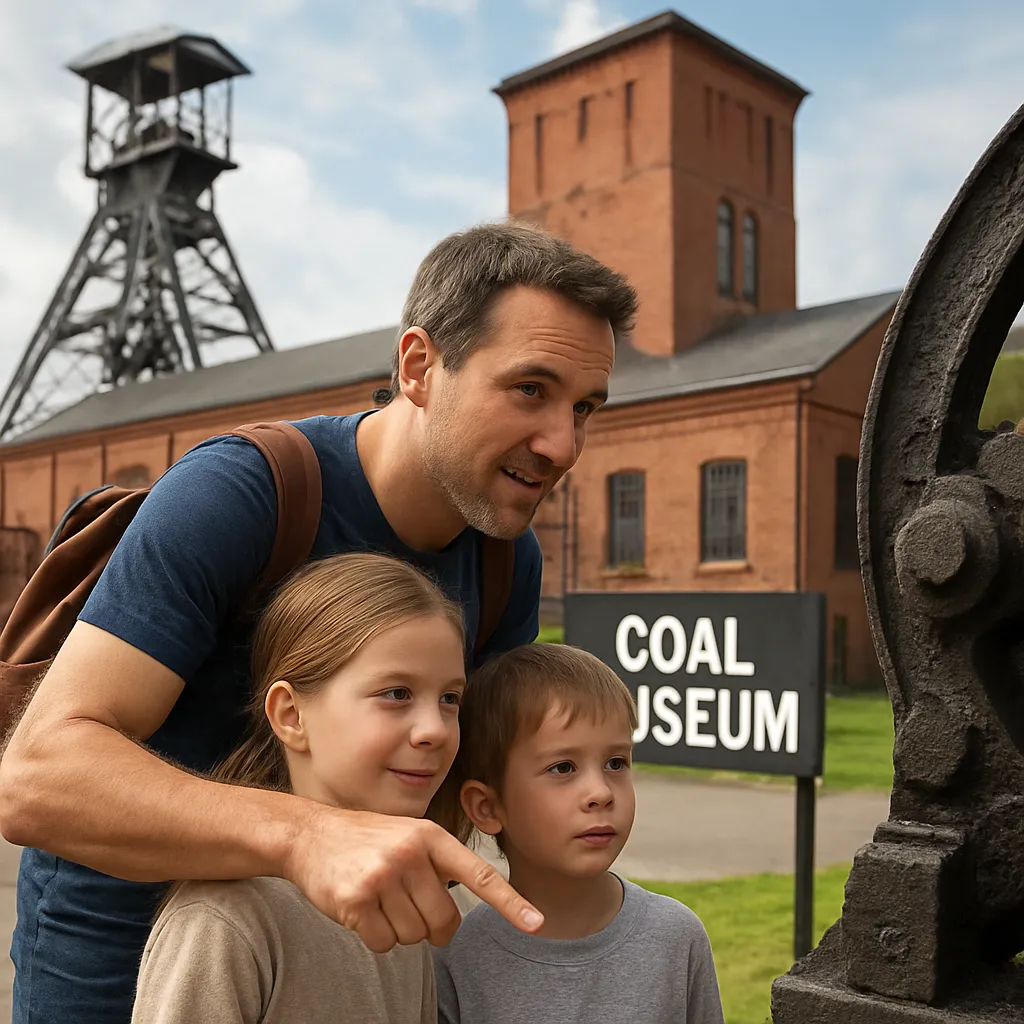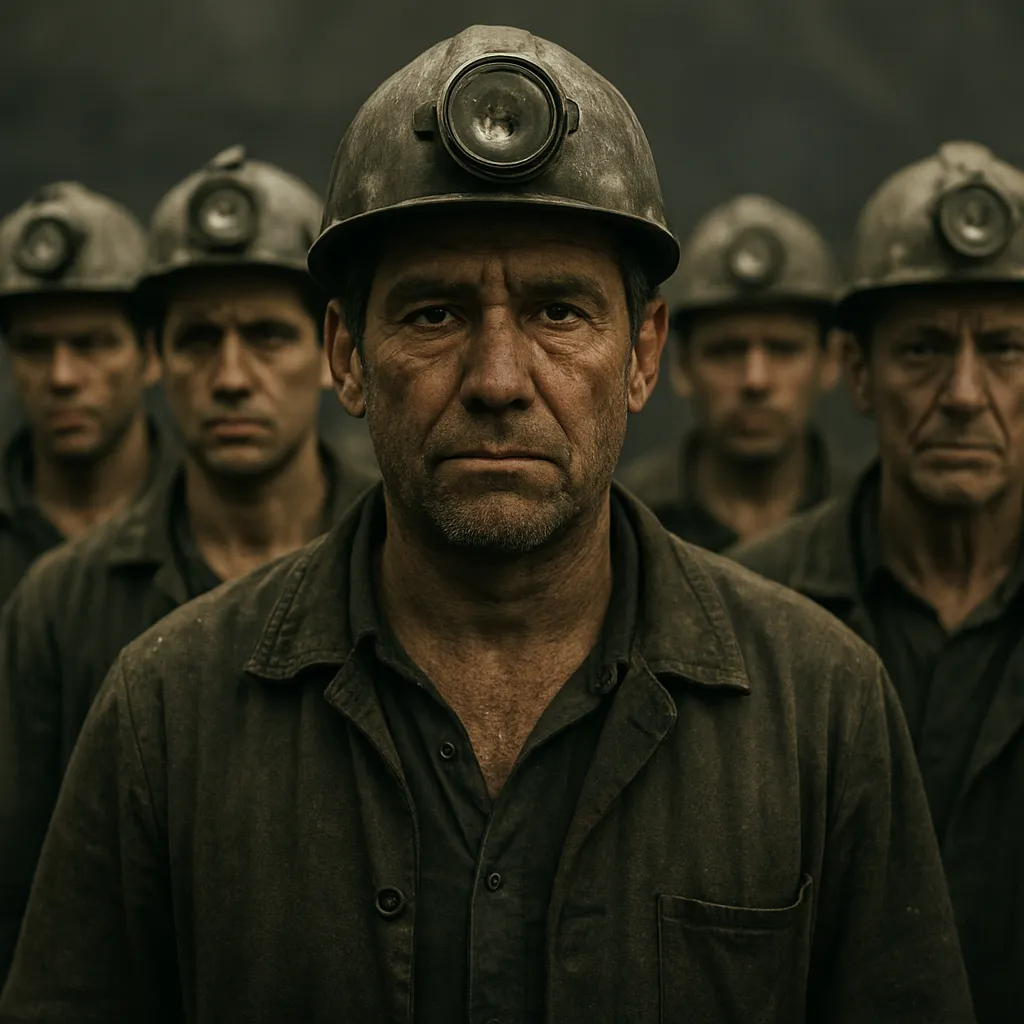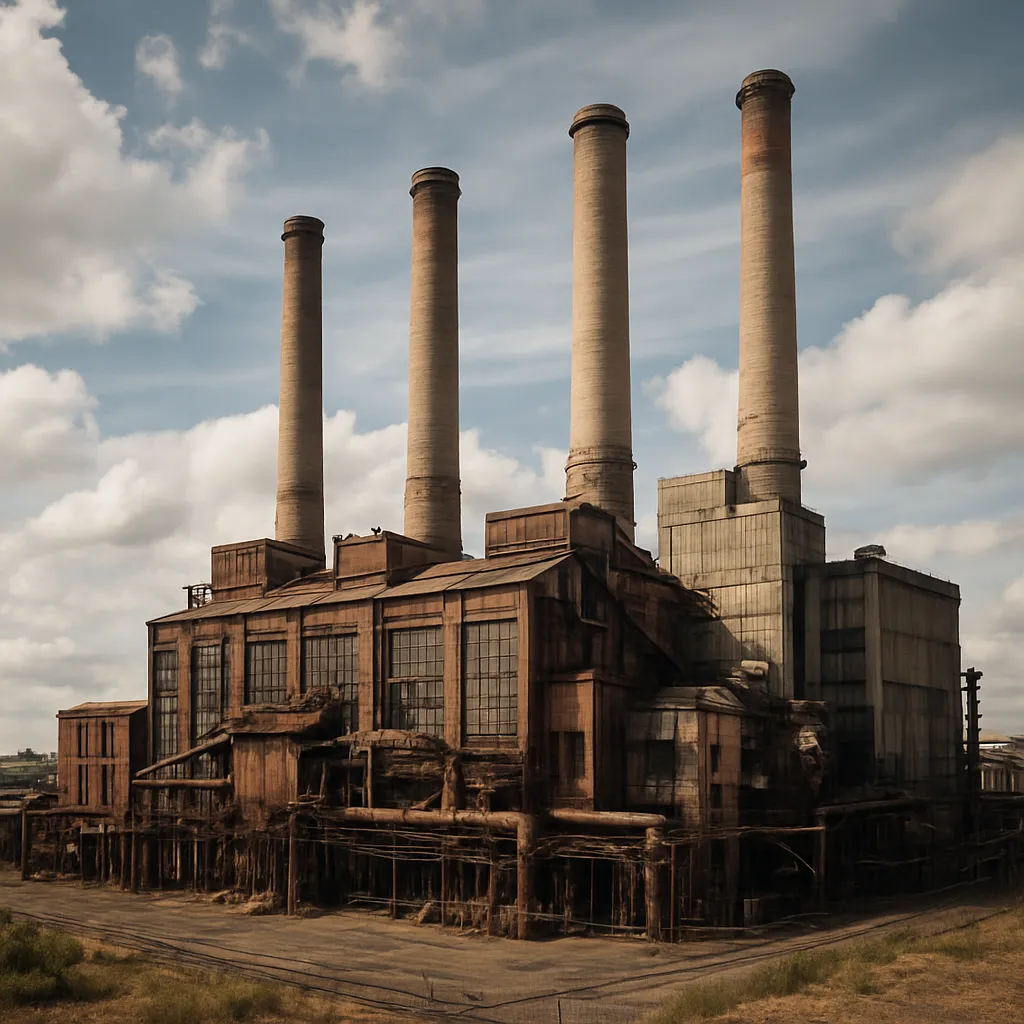
Coal remains one of the most enduring sources of energy in human history, fueling industries, powering homes, and driving technological progress for centuries. This article delves into the geological origins of coal, explores methods of extraction and stock management, and examines the environmental challenges and mitigation strategies associated with this vital resource.
The Formation and Types of Coal
Coal is a sedimentary rock formed over millions of years from the remains of ancient vegetation. Buried under layers of soil and rock, plant material underwent heat and pressure, transforming organic matter into peat and eventually into various ranks of coal. Understanding these ranks is crucial for assessing coal quality and suitability for different applications.
Peat to Anthracite: A Geological Journey
- Peat: The earliest stage, consisting of partially decayed plant material with high moisture content.
- Lignite (Brown Coal): A soft, low-rank coal with high moisture and low carbon content, primarily used in electricity generation near mining sites.
- Sub-bituminous Coal: Intermediate rank, with higher carbon content and energy density than lignite.
- Bituminous Coal: A widely used medium-rank coal offering a balance between calorific value and cost. It’s the backbone of many steel and power industries.
- Anthracite: The highest rank, with the greatest carbon concentration and energy content. It burns cleanly and produces minimal smoke.
Each rank of coal exhibits distinct properties that influence its handling, combustion characteristics, and environmental footprint.
Coal Mining and Stockpiling Practices
Extracting and managing coal requires a combination of engineering expertise and logistical coordination. Mining methods differ based on geology, coal depth, and economic considerations.
Surface Mining vs. Underground Mining
- Surface Mining: Ideal for shallow deposits, involves the removal of overburden to access coal seams. Techniques include open-pit and strip mining.
- Underground Mining: Necessary when coal lies deep beneath the surface. Methods include room-and-pillar and longwall mining, each with specific safety and ventilation requirements.
Once extracted, coal must be stockpiled with care to maintain quality and minimize hazards. Effective coal stock management includes:
- Segregation: Keeping different coal grades separate to ensure consistent thermal performance.
- Weather Protection: Covering stockpiles or using water sprays to reduce spontaneous combustion and dust emissions.
- Inventory Monitoring: Tracking coal volume and quality using technologies such as radar scanning and sampling protocols.
Innovations in Coal Handling
Advances in material handling equipment, conveyor systems, and real-time monitoring have revolutionized coal logistics. Automated stackers and reclaimers streamline the stockpiling process, while dust suppression systems and enclosed transfer points protect workers and the environment.
Environmental Impacts and Mitigation Efforts
The combustion of coal releases pollutants, including sulfur dioxide, nitrogen oxides, mercury, and particulate matter. Addressing these emissions is critical for meeting air quality standards and protecting public health.
Emission Control Technologies
- Flue Gas Desulfurization (FGD): Removes sulfur dioxide from exhaust streams, often using a limestone slurry.
- Selective Catalytic Reduction (SCR): Converts nitrogen oxides into harmless nitrogen and water vapor using ammonia over a catalyst.
- Electrostatic Precipitators (ESP) and Fabric Filters: Capture particulates from flue gases, minimizing airborne pollutants.
Carbon Capture and Storage (CCS)
To combat climate change, CCS technologies aim to capture carbon dioxide emitted from coal power plants and store it in geological formations. Pilot projects around the world are evaluating the feasibility of integrated CCS systems at scale.
The Future of Coal in a Changing Energy Landscape
Despite growing momentum for renewable energy, coal continues to play a significant role in many national energy mixes. The challenge lies in balancing energy security with environmental responsibilities. Technologies such as ultra-supercritical boilers, biomass co-firing, and advanced gasification processes offer pathways to cleaner coal utilization.
Economic and Policy Considerations
- Carbon Pricing: Implementing carbon taxes or cap-and-trade systems to internalize environmental costs.
- Subsidies and Incentives: Encouraging investments in emission control and sustainability initiatives.
- Just Transition: Supporting communities dependent on coal mining through retraining programs and economic diversification.
Global Perspectives
Regions with abundant coal reserves continue to expand mining operations, while others phase out coal in favor of cleaner alternatives. Collaborative research, technology transfer, and international agreements will shape the trajectory of coal’s use in the decades ahead.