Nestled amid rugged landscapes and echoing with the clang of pickaxes, coal towns have long been crucibles of human endeavor and communal strength. Their legacy extends beyond the shafts and railways, weaving into local culture, industry and economy. This article explores the multifaceted world of coal, the significance of coal stock in global markets, and the enduring spirit of populations shaped by the demands of mining life.
The Emergence of Mining Communities
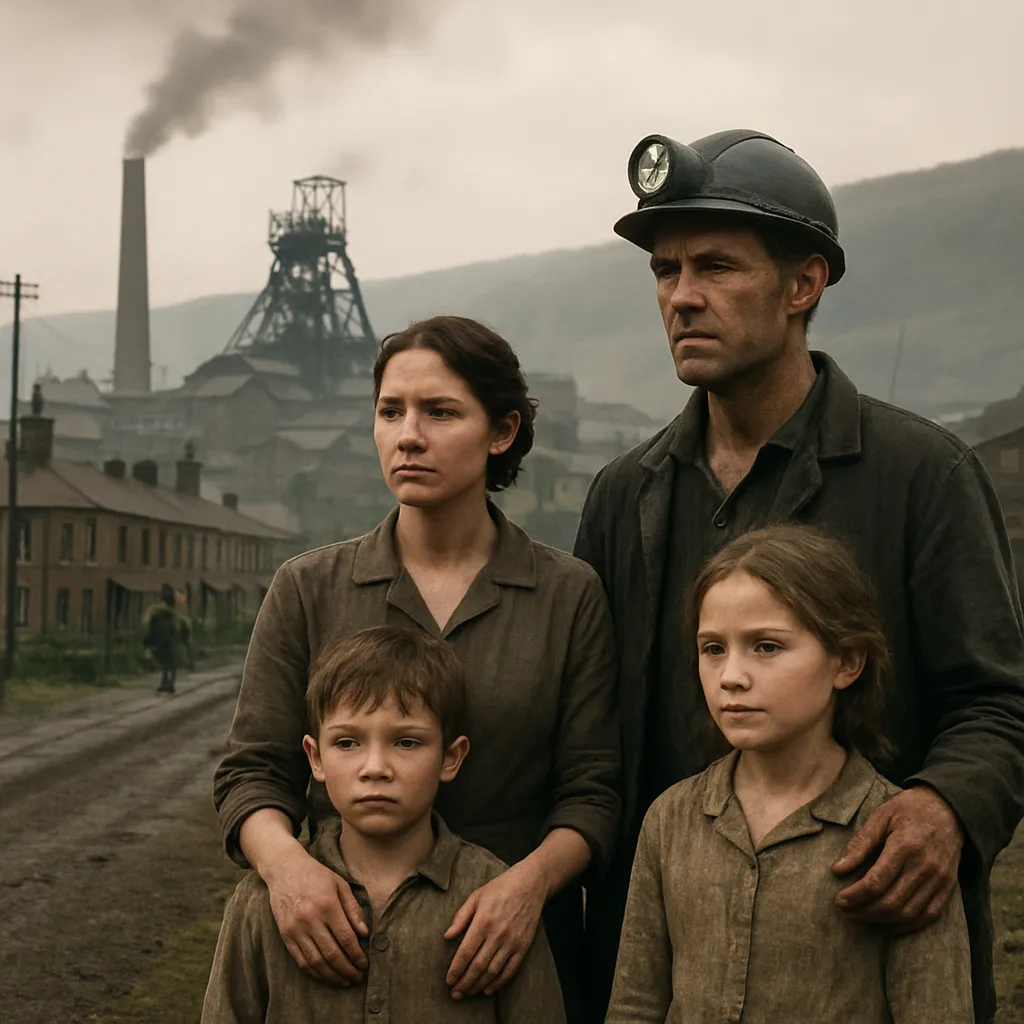
In the late 19th and early 20th centuries, industrial expansion forged countless settlements around rich coal seams. Driven by the burgeoning need for energy to power factories, railroads and urban centers, companies established company towns—self‐contained enclaves where every structure had a purpose. Families arrived in search of steady wages and lived within walking distance of the mine entrance.
Company Town Dynamics
- Housing: Wooden row houses built by mine owners, often rented at moderate rates.
- Commerce: Company stores functioned as the sole retail outlet, accepting scrip rather than cash.
- Education: One-room schools and informal classes taught basic literacy and safety.
- Healthcare: Small clinics staffed by nurses or general practitioners, addressing accidents and respiratory ailments.
While company rules sometimes felt restrictive, residents formed tight-knit bonds. Shared risks underground bred camaraderie, and communal rituals—church gatherings, Saturdays at the local saloon, holiday parades—became anchors of daily life.
Coal Stock and the Financial Pulse
As demand for coal soared, investment in mining operations transformed local fortunes and global portfolios. Traders and speculators watched coal stock as a barometer of industrial health. Prices fluctuated with seasonal heating needs, legislative reforms and technological breakthroughs in energy generation.
Factors Influencing Coal Shares
- Supply and Demand: Winters drove up heating coal prices, while economic downturns suppressed construction and manufacturing demands.
- Regulation: Environmental legislation, such as emissions controls, impacted operating costs and profit margins.
- Alternative Energies: Price drops in natural gas or surges in renewable investment shifted investor preferences.
- Geopolitics: International trade agreements and export restrictions altered global supply chains.
For local stakeholders, mining companies’ stock performance directly affected wages, community development funds and pension stability. A thriving share price could mean new equipment, enhanced safety measures and expanded educational programs. Conversely, a market slump often triggered layoffs, wage freezes and a downturn in local businesses.
Day-to-Day Realities Underground
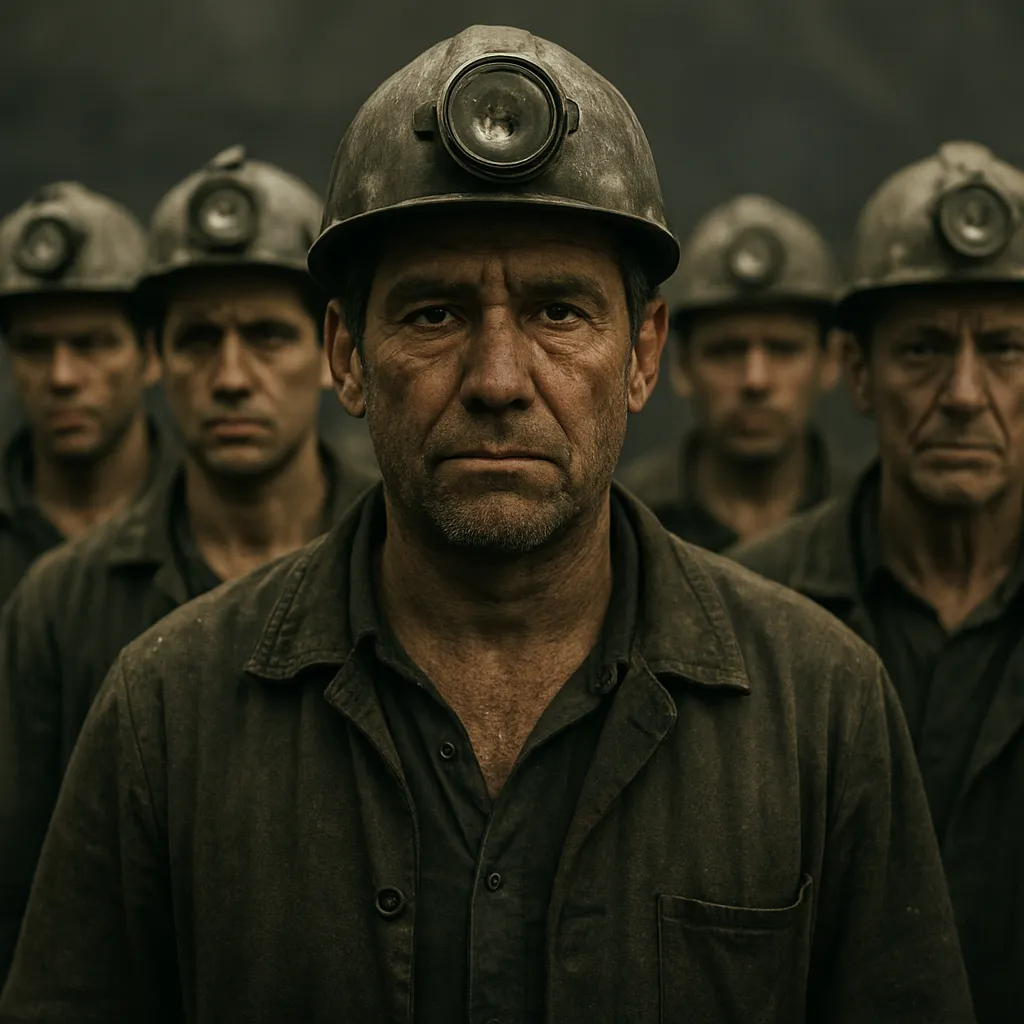
Descents into the mine were rites of passage. Miners donned helmets fitted with carbide lamps, clipped safety lines to their belts and joined silent processions to the cage elevator. Beneath layers of earth, the atmosphere grew warmer, dustier, often laced with methane. Coal seams, segmented by fault lines and water pockets, demanded constant vigilance.
Technological Advances
- Mechanical Cutters: Replaced manual pickaxes, boosting productivity and reducing muscle strain.
- Conveyor Belts: Streamlined coal transport from the face to the surface.
- Ventilation Systems: Improved air quality, mitigating the risk of explosions and respiratory disease.
- Remote Monitoring: Sensors tracked gas levels and equipment health, alerting crews to hazards.
Despite these innovations, mining remained one of the world’s most perilous professions. Families amassed stories of narrow escapes and tragic disasters, which entered local folklore. Over time, safety reforms and union advocacy reshaped working conditions, forging a legacy of resilience and solidarity.
Cultural Fabric and Community Resilience
Coal towns developed distinct identities. Community halls rang with folk music, dances celebrated harvest festivals, and church basements hosted potluck suppers. Oral histories passed from grandparents to grandchildren preserved memories of solidarity in adversity.
Traditions and Celebrations
- Miners’ Gala: Annual events honoring long‐service workers with parades, music and awards.
- Story Circles: Elders recounted legends of heroic rescues and mining milestones.
- Artisan Crafts: Quilts, carvings and murals depicted mining scenes, forging aesthetic links to industrial heritage.
- Local Cuisine: Hearty stews, black bread and sweet confections, often sold at weekend markets.
Solidarity extended into labor movements, where coal towns led some of the earliest union drives. Collective bargaining secured safer equipment, fairer wages and shorter workdays. Even after mines closed, alumni groups nurtured sense of purpose, organizing reunions and heritage festivals to celebrate their heritage.
Environmental Impact and Pathways Forward
Coal extraction and consumption carried significant environmental costs. Deforestation, water pollution from mine runoff and greenhouse gas emissions cast long shadows over these communities. However, modern initiatives seek to reconcile economic needs with ecological responsibility.
Reclamation and Renewal
- Land Reclamation: Abandoned pits and spoil heaps are reshaped, topsoil restored and native plants reintroduced.
- Water Treatment: AMD (acid mine drainage) remediation systems cleanse waterways, reviving aquatic ecosystems.
- Renewable Integration: Solar arrays and wind turbines installed on former mining land, creating new revenue streams.
- Community Education: Workshops on sustainable practices empower residents to advocate for cleaner air and water.
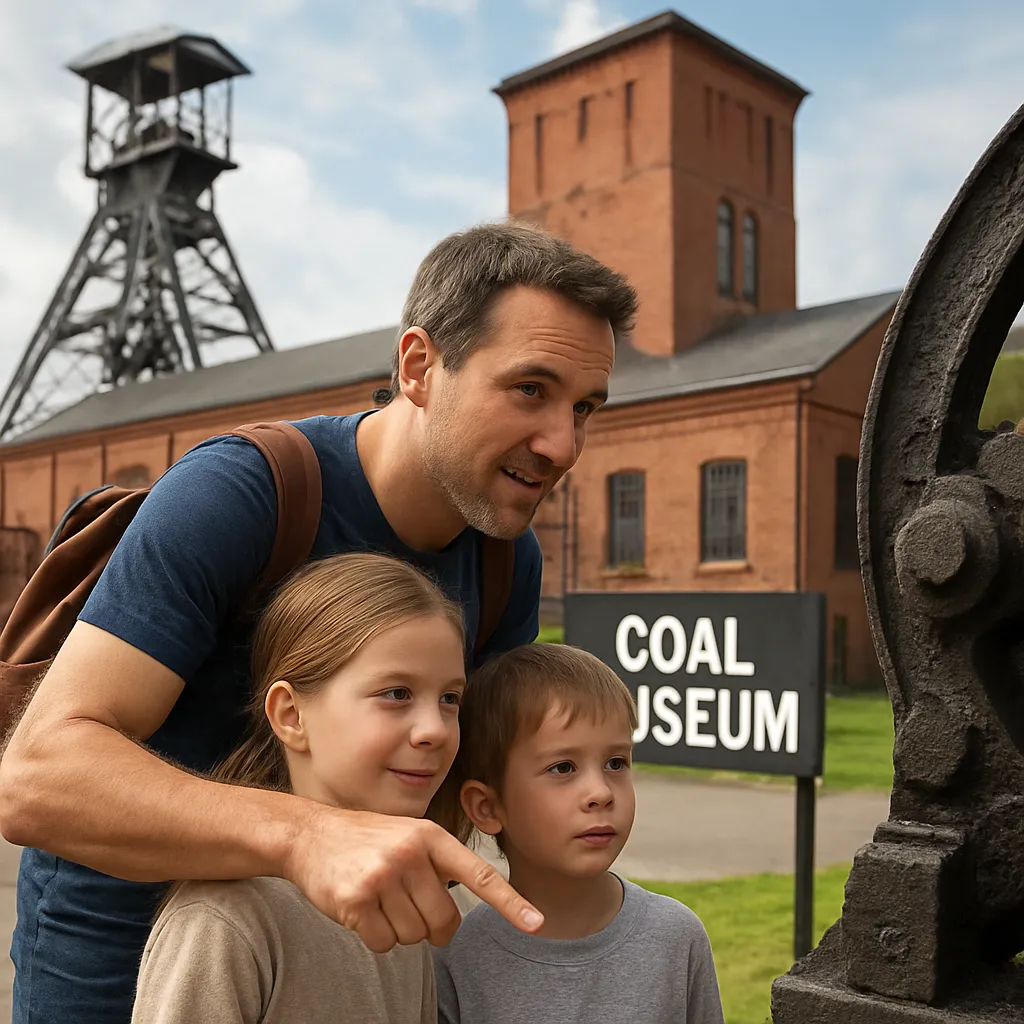
Some towns have pivoted to tourism, leveraging their mining heritage to attract visitors. Interactive museums, guided mine tours and outdoor adventure trails convert former industrial landscapes into sites of learning and recreation. Strategic investment by local councils and partnerships with universities drive research into sustainability and energy diversification.
Looking Ahead
The story of coal towns is far from concluded. While some regions face decline, others embrace adaptive reuse, forging new industries in technology, agriculture and heritage tourism. As the world navigates complex energy transitions, these communities stand at a crossroads between honoring a storied past and shaping an equitable, innovative future.