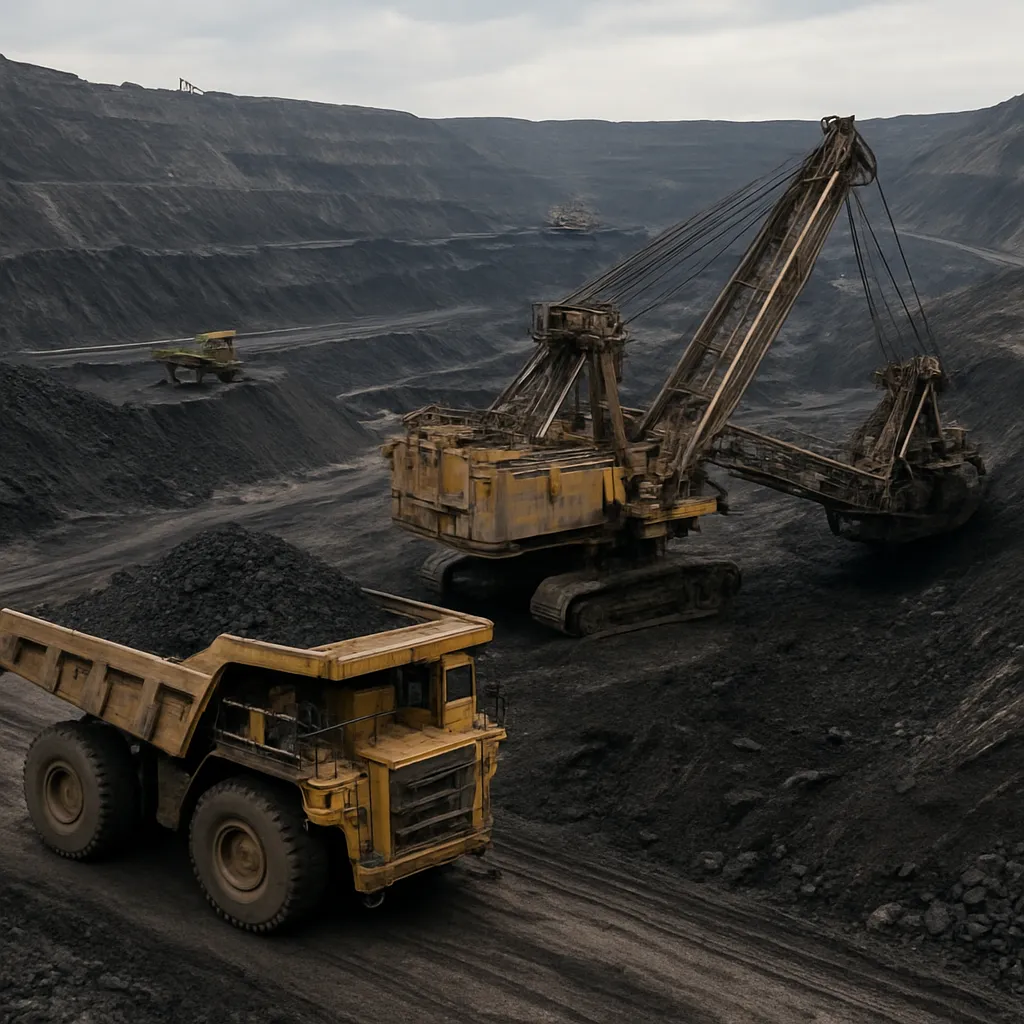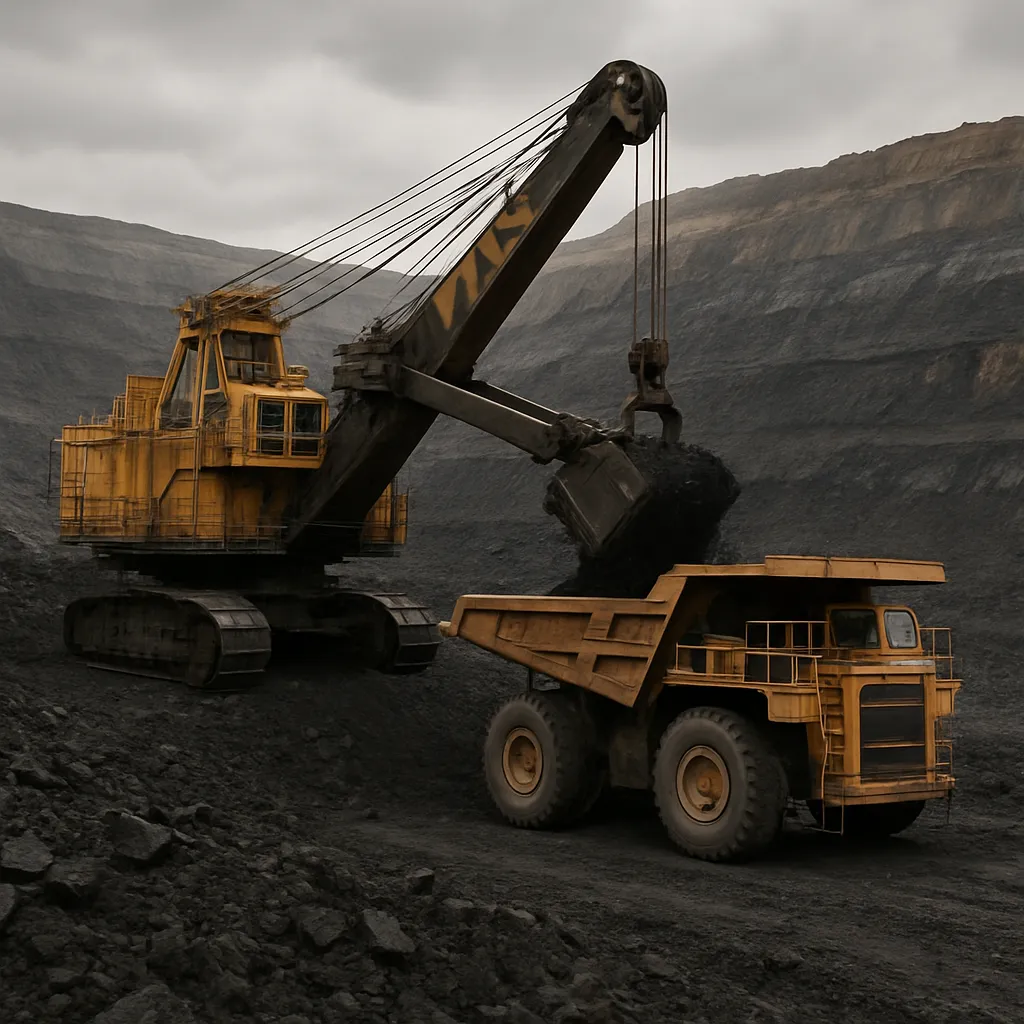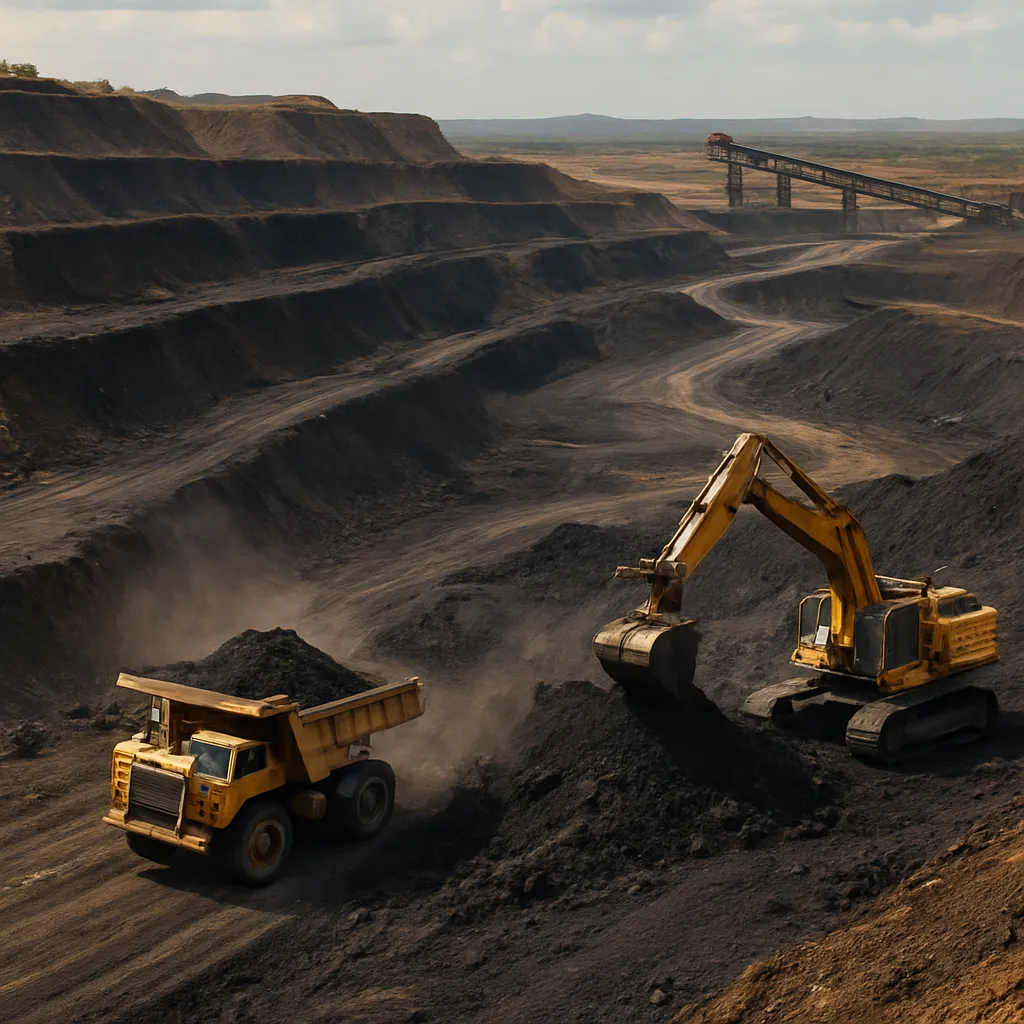
The Tete East Complex in Mozambique is one of the most talked-about coal provinces in southern Africa. Located in the central-northern part of the country, in Tete Province, this cluster of mining sites forms a key component of Mozambique’s mineral sector and regional export economy. The complex includes a number of deposits, operations and infrastructure projects developed since the early 2000s, and has attracted significant foreign investment, particularly from large mining companies seeking access to high-demand coal markets in Asia. This article surveys the physical setting, types of coal produced, operational and economic characteristics, logistical corridors and ports, environmental and social issues, and the outlook for the Tete East Complex and surrounding coal mining activity.
Location and Geological Setting
The Tete coal basin occupies a large part of Mozambique’s Tete Province, situated on the western side of the Zambezi River. The basin is part of a wider Karoo-age sequence of sedimentary rocks that extend across southern Africa and are well known for hosting coal seams. Within the basin, the Tete East area refers to the eastern portion of the larger Moatize-Minjova coal field and adjacent blocks that host multiple coal seams accessible by both open-pit and, in some zones, underground mining methods.
Geology of the Tete deposits is dominated by interbedded sandstones, shales and coal seams formed in Permian–Triassic swamps. Coal seam thicknesses and lateral continuity vary from place to place, with some seams reaching several meters in thickness, allowing economically viable extraction. Coal ranks across the complex range from sub-bituminous to high-volatile bituminous, and in certain sections the coal exhibits qualities suitable for both thermal (steam) coal markets and metallurgical (coking/PCI) coal markets.
Types of Coal and Quality Characteristics
The Tete East Complex produces a mixture of coal types with differing end uses:
- Thermal coal (steam coal) — the major product historically exported from the region to fuel power generation in Asia and elsewhere. Thermal coal from Tete typically has medium energy content with variable moisture and ash depending on the seam and processing.
- PCI and coking coal — some seams yield coal with qualities that can be beneficiated for pulverized coal injection (PCI) or as partial metallurgical feedstock for steelmaking. These higher-value coals have attracted interest where beneficiation and blending can upgrade the product.
- Run-of-mine (ROM) and washed coal — mining operations produce ROM material which is then washed and screened at coal handling and processing plants to meet export specifications. Washed products achieve lower ash and sulfur and command higher prices.
Typical quality metrics reported by mining operators in the Tete basin show calorific values in the range of about 4,000–6,500 kcal/kg (lower heating value) depending on the seam and degree of wash; total moisture and ash contents are variable. Sulfur is generally moderate to low, making the coal attractive in markets with emissions constraints, while the ash content is one of the key parameters that processing aims to reduce.
Major Operations and Companies
Over the past two decades, several international mining companies and smaller operators have developed projects in the Tete basin, including large-scale operations around the Moatize deposit. Key operators (historically and currently) have included multinational firms that invested in exploration, mine construction and export logistics.
- Large-scale concession holders developed open-pit mines with dedicated processing plants and stockyards.
- Secondary operators and local contractors have handled coal handling, trucking, contract mining and ancillary services at different stages.
- Investments have also included port expansions and railway upgrades in cooperation with regional partners to enable large-volume export flows.
The Tete East Complex itself comprises multiple tenements and mining leases, some of which have been consolidated or traded as companies restructured, while others remain under development or care-and-maintenance depending on market conditions. The presence of both established mining operations and exploration tenements has made the area a focal point of industry activity.
Production Volumes, Reserves and Resource Estimates
Estimating exact production and reserve numbers for the entire Tete East Complex is complicated by fragmented ownership, variations in reporting standards and changing market conditions. However, a number of consistent themes are clear:
- The broader Moatize-Tete coal basin is commonly quoted as containing hundreds of millions to several billion tonnes of coal resources when measured across all identified seams. Different assessments distinguish between measured/proved reserves and inferred/indicated resources.
- Individual mine production can vary widely; major operations have targeted nominal annual output in the single-digit to low double-digit million tonnes per annum (Mtpa) range for run-of-mine production, with washed exportable coal typically representing a portion of ROM tonnage.
- Production levels have fluctuated over the last decade in response to global coal prices, logistical constraints and company-specific decisions — including periods of ramp-up, cutbacks and temporary suspensions.
As a concrete orientation: larger mines in the Tete basin have historically targeted production capacities between 5 and 12 Mtpa in their design or expansion plans, while combined regional output from Mozambique’s major coal provinces has reached the order of tens of millions of tonnes per year during peak export periods. For planners and analysts, the headline figure most commonly referenced is that the Tete basin ranks among the largest coal provinces in Africa by potential recoverable coal.
Logistics: Rail, Ports and Export Corridors
One of the defining features of coal development in Tete is the emphasis on logistic corridors to move bulk coal to international markets. Coal from the Tete East Complex is typically destined for overseas buyers, requiring rail and port infrastructure capable of handling large volumes.
- Rail corridors — The Sena railway (linking the coalfields to the Port of Beira) and the Nacala Corridor (an alternative route to the deepwater port at Nacala) have been central to coal transport discussions. Upgrades, rehabilitation and new logistics concessions have been negotiated to ensure capacity and reliability.
- Ports — Port of Beira and Port of Nacala are the main maritime gateways for coalition exports. Investments in shiploaders, stockyards and dredging have aimed to increase throughput and reduce demurrage costs.
- Private logistics — Some mining companies developed or contracted private logistics operators, including dedicated rolling stock and export terminals, to secure dependable export channels and lower aggregate transport costs.
Logistics is a major economic and operational constraint: rail capacity, line maintenance, and port berthing availability directly influence achievable export volumes and the netback prices mines receive. In many instances, rail and port bottlenecks curtailed the ability of mines to operate at full nameplate capacity.
Economic and Fiscal Impacts
The Tete East Complex contributes to Mozambique’s national and regional economy through employment, royalties, taxes, infrastructure investment and foreign exchange earnings from exports. Key economic impacts include:
- Revenue generation — Export sales generate foreign exchange and contribute to government revenue through royalties, corporate taxes, and export duties (where applicable). The extent of fiscal benefit varies depending on fiscal terms, profit repatriation and transfer pricing practices.
- Employment and services — Large mines create direct employment (skilled and unskilled) and indirect jobs through local procurement, transport services, and accommodation providers. Local content policies and training programs were often promoted to maximize Mozambican participation.
- Infrastructure development — Investments in roads, rail and ports to service coal exports have spillover benefits for other sectors of the economy, improving connectivity for agriculture, commerce and passenger transport.
Despite these benefits, the distribution of economic gains is a subject of ongoing public debate. Some observers note that large offshore earnings do not always translate into proportional local development outcomes, and that transparent revenue management is crucial for long-term national benefit.
Social and Environmental Considerations
Large-scale coal mining inevitably raises social and environmental issues. In the Tete East Complex these have included:
- Resettlement and livelihoods — Communities in the path of mine expansions have been resettled in several projects. Resettlement programs are legally required and have varied in their outcomes; effectiveness depends on compensation, alternative livelihood support, and long-term follow-up.
- Water resources and quality — Coal mining and processing can alter surface water flow, groundwater levels and water quality. Managing sediment runoff, managing tailings and ensuring water supply for communities are ongoing operational priorities.
- Biodiversity and land use — Clearing for open pits, access roads and stockpiles affects vegetation and wildlife. Mine rehabilitation and progressive reclamation are measures intended to reduce long-term impacts.
- Air quality and dust — Dust from haulage roads, stockpiles and shiploading can affect local air quality; mitigation includes water suppression, vegetation buffers and enclosed conveyors.
- Greenhouse gas emissions — Coal is a high-emission fossil fuel. The life-cycle emissions associated with coal production and combustion are central to global climate discussions; large coal projects face rising scrutiny under decarbonization pressures.
Community engagement, corporate social responsibility (CSR) programs and adherence to environmental management plans are typical channels whereby mining companies attempt to manage these impacts. Independent monitoring, civil society involvement and government oversight are often cited as necessary complements to company-led initiatives.
Challenges and Risks
The Tete East Complex faces several operational and strategic challenges:
- Market volatility — Global coal prices are cyclical and subject to demand shifts, especially as international energy systems transition toward lower-carbon sources. Price downturns have led to curtailed production and project postponements.
- Logistics constraints — As noted, rail capacity and port throughput are limiting factors; infrastructure failure or inadequate investment can reduce export volumes significantly.
- Political and regulatory risk — Fiscal renegotiations, changes in royalty regimes, local permitting issues and evolving environmental regulations can affect project economics.
- Financing and investor sentiment — Increasing ESG concerns among lenders and investors have made financing large coal projects more challenging, particularly for long-term expansion plans.
Regional Importance and Industrial Linkages
The Tete East Complex is a cornerstone of Mozambique’s extractive industry and plays a role in regional supply chains:
- Energy markets — Coal from Tete historically fed power stations and commercial users in Asia, supplying a portion of the thermal coal mix used by utilities and independent power producers.
- Steel industry — Where coking and PCI-grade coals are produced, they have value to metallurgical processes. Access to such coals can influence regional steelmaking feedstock security.
- Local economies — Towns in Tete Province have expanded service sectors, housing and retail offerings linked to mining activity, though this growth is often concentrated and sensitive to boom-bust cycles.
Notable Social Programs and Community Developments
Mining companies operating in Tete have often implemented social programs aimed at improving education, health care, water supply and vocational training for local communities. Examples of typical initiatives include:
- Scholarship programs and school upgrades.
- Clinic and health outreach services.
- Small-business development and preferential local procurement schemes.
- Support for agricultural projects to sustain displaced or resettled households.
The long-term success of these programs depends on sustained funding, alignment with community priorities and coordination with local government services.
Recent Developments and the Outlook
In recent years the Tete coal industry has undergone adjustments reflecting shifting global energy demand and financing realities. Key factors shaping the near-to-medium-term outlook include:
- Market demand — Demand from Asian buyers, particularly in South and Southeast Asia, will heavily influence future export volumes. Market diversification and value-added products (such as higher-grade blends) could improve resilience.
- Operational optimization — Companies may focus on improving coal quality through beneficiation, reducing logistics costs through contractual rail and port arrangements, and implementing productivity gains to remain competitive.
- Policy and investment climate — Clear fiscal rules, transparent permitting and cooperative approaches to infrastructure can attract and retain investment. Conversely, policy uncertainty may slow expansion.
- Decarbonization pressures — Global efforts to reduce greenhouse gas emissions will influence long-term demand for thermal coal. This trend increases the importance of diversifying local economies and exploring alternative uses for infrastructure and workforce skills.
Concluding Remarks
The Tete East Complex represents a significant chapter in Mozambique’s resource-driven development story. With substantial coal resources, developed mining operations and strategic export corridors, the area has delivered considerable economic activity and export revenues. At the same time, the complex highlights the multifaceted challenges of resource extraction in the 21st century: managing environmental impacts, ensuring equitable social benefits, securing resilient logistics, and navigating a shifting global energy landscape. For Mozambique and investors alike, the future of Tete’s coal industry will require balancing immediate economic opportunities with long-term sustainability and diversification objectives.
Selected Key Terms
- Coal basin: geological area hosting coal seams.
- Run-of-mine (ROM): raw coal straight from the pit.
- Beneficiation: processing to improve coal quality.
- Sena Railway / Nacala Corridor: major export routes.
- Resettlement: relocating communities impacted by mining.
Note: Specific reserve and production figures for individual tenements and mines in the Tete East Complex vary by company reporting and independent assessments. For precise and up-to-date quantitative figures (proved reserves, annual production by mine, fiscal contributions), consult the latest technical reports and company disclosures from operating firms and official Mozambican government sources.