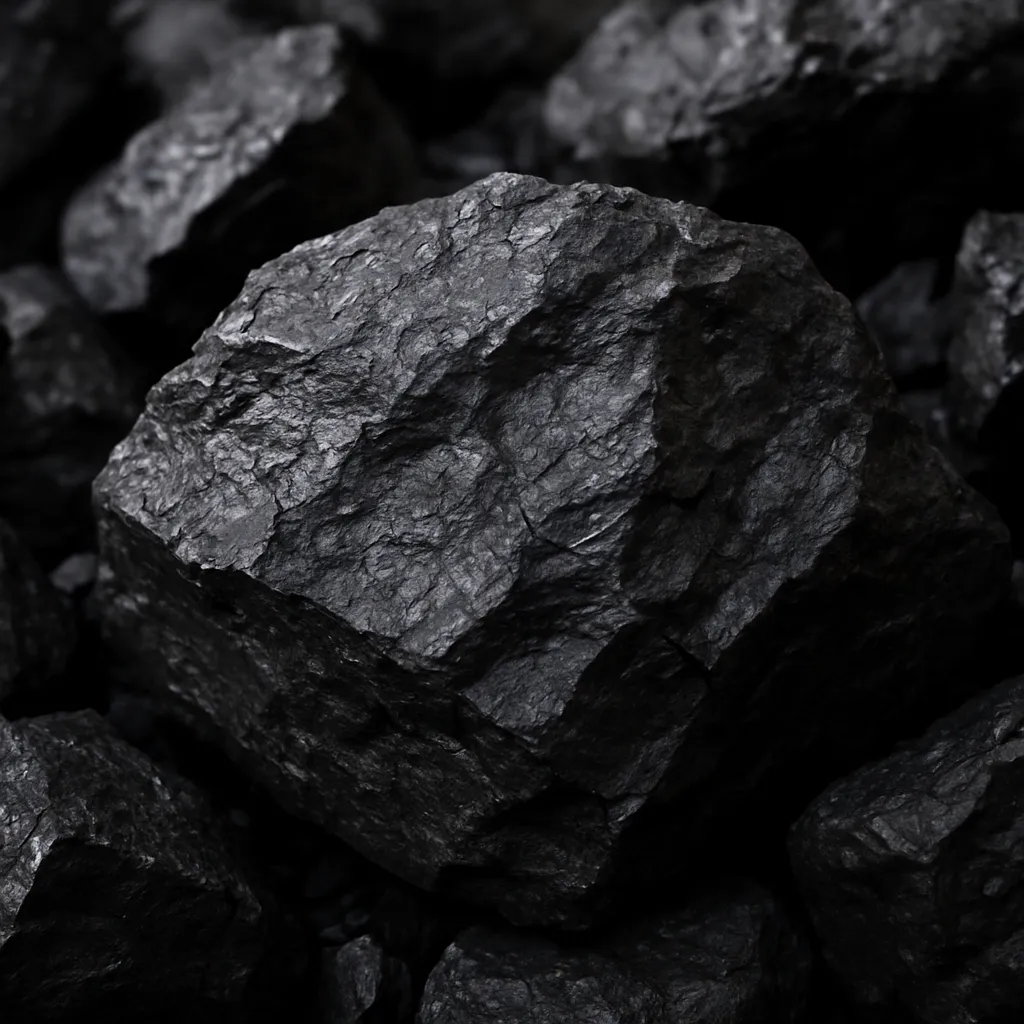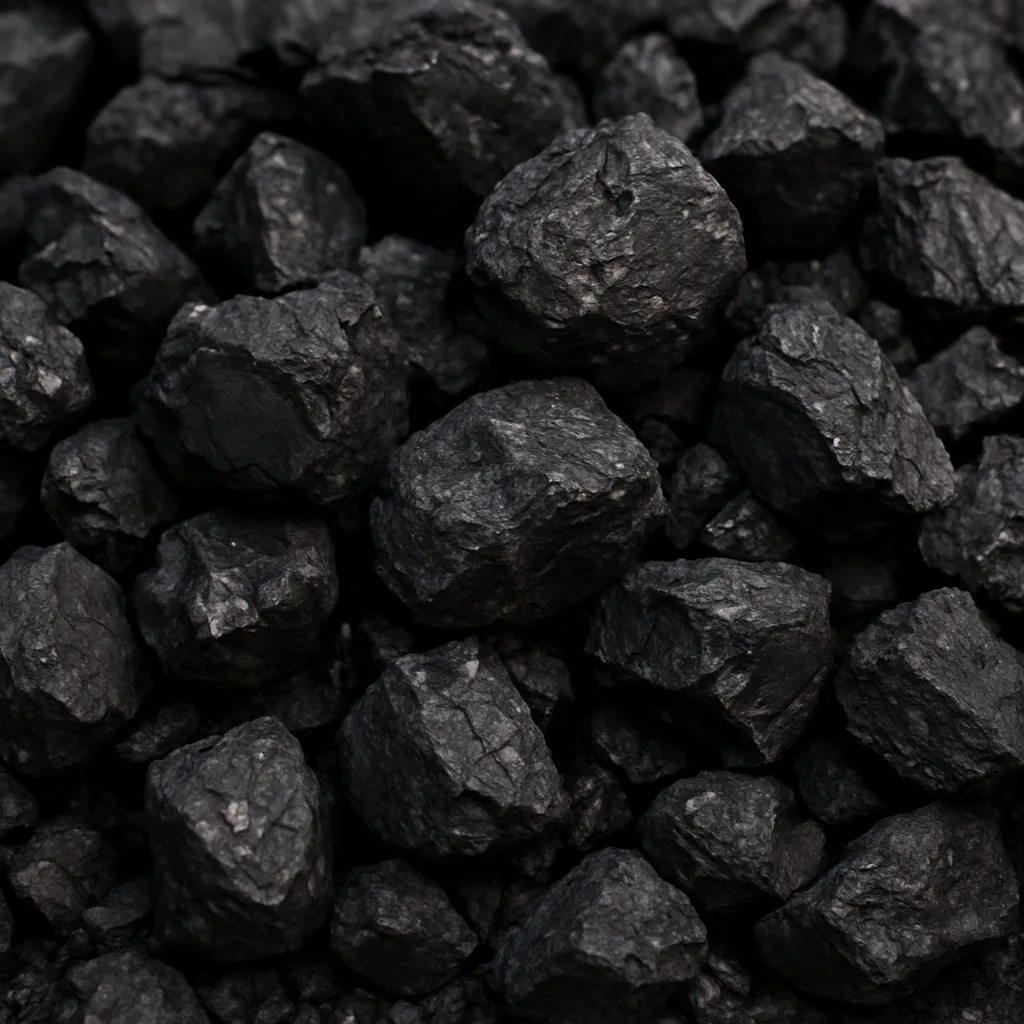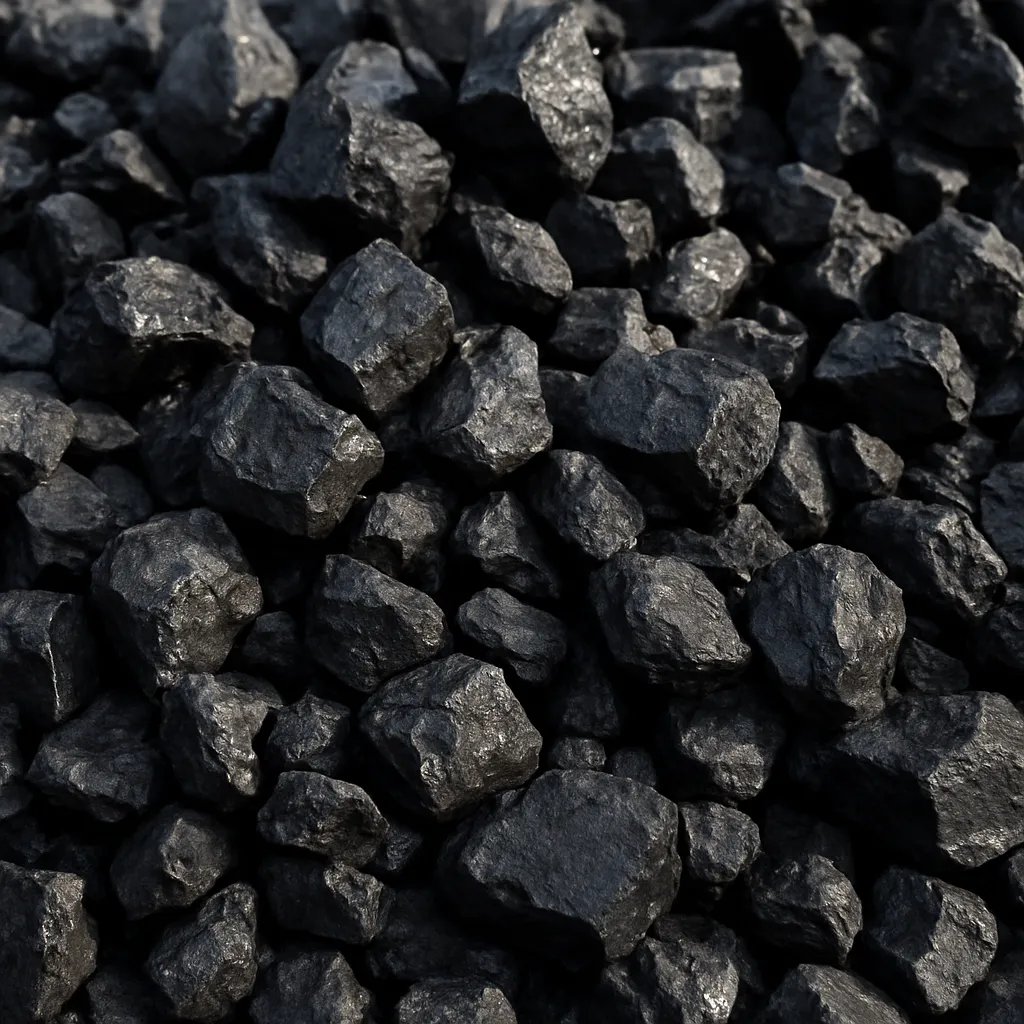
This article examines coal used specifically for fluidized-bed combustion (FBC) — a versatile coal-combustion technology well suited to a wide range of fuels, especially low-grade coals. We will describe the types of coal commonly used in FBC, where these coals are found and mined, technical properties that make them suitable or problematic for fluidized-bed boilers, economic and statistical perspectives, their role in modern industry, environmental implications, and prospects for the future. Throughout, key terms and ideas are highlighted to aid quick reference.
Geology, occurrence and main mining regions
Coal suitable for fluidized-bed combustion is not a single type but a category that often includes lignite, sub-bituminous coal, high-ash bituminous coal, and various coal fines or waste streams. These coals typically originate from younger, less mature coal basins (for lignite and sub-bituminous) or older basins where beneficiation has not removed high ash fractions. Their global distribution reflects the worldwide nature of coal formation over geological time.
Major types and where they are found
- Lignite: A low-rank coal with high moisture and ash, lignite is abundant in parts of Europe (e.g., Germany’s Lusatia and Rhineland basins, Poland’s Bełchatów and Turów basins), Turkey, Greece, and parts of the United States and Australia. Lignite basins are typically mined by open-pit methods.
- Sub-bituminous coal: Slightly higher in energy than lignite, sub-bituminous coal is common in the western United States (Powder River Basin in Wyoming and Montana), Australia (several basins), and parts of Russia and China.
- High-ash bituminous coal and coal fines: Many older, highly mineralized bituminous seams produce coals whose ash content is high. These materials are common in South Africa, parts of India, Colombia, and legacy mining areas in Europe and North America.
- Petroleum coke blends and waste-derived fuels: In some FBC installations, coal is co-fired with industrial by-products, biomass, or refuse-derived fuel to improve economics and environmental performance.
Where these coals are mined
- Europe: Poland (Bełchatów, Turów), Germany (Rhineland, Lusatia), Bulgaria, Greece and Turkey produce significant quantities of lignite used locally in mine-mouth power plants. Eastern Europe more broadly relies on lower-rank coals for district and industrial heating.
- North America: The Powder River Basin (PRB) in the United States is a major source of sub-bituminous coal; PRB coals are widely used for power generation and are suitable for many FBC systems due to their low sulfur content.
- Asia-Pacific: China, India and Australia provide a wide spectrum of coals — China’s vast domestic coal production includes both higher-rank and abundant low-rank coals that have driven large-scale deployment of fluidized-bed boilers. Indonesia and Australia are major exporters of lower-grade thermal coals used worldwide.
- Africa and South America: South Africa’s coals (including high-ash varieties) and Colombia’s thermal coals also feed thermal plants, including FBC units in some markets.
Technical characteristics and why these coals suit fluidized-bed combustion
Understanding why a particular coal is suited to FBC requires attention to its physical and chemical characteristics. Fluidized-bed systems offer fuel flexibility and in-bed pollutant control mechanisms that make them well adapted to lower-quality coals that perform poorly in pulverized coal boilers.
Key coal properties affecting FBC performance
- Calorific value (heating value): Lignite and sub-bituminous coals have a lower calorific value (often 8–20 MJ/kg) than higher-ranked bituminous coals. FBC boilers can combust these lower-value fuels efficiently because of longer residence times and strong mixing in the bed.
- Moisture: High inherent moisture in lignite reduces net energy output on a mass basis; however, FBC technology tolerates higher moisture content better than pulverized systems and can combust wet fuels with stable bed operation.
- Ash content and composition: Many low-grade coals have high ash. FBC systems physically capture ash as bed material or fly ash and can accommodate higher ash fluxes. However, ash chemistry (alkali metals, silica, alumina) affects bed agglomeration, fouling and erosion risks.
- Sulfur content: Coals may vary widely in sulfur. A major advantage of FBC is the in-situ capture of sulfur using limestone or dolomite added directly to the bed, which reacts with SO2 to form stable sulfates and can achieve high sulfur capture efficiencies.
- Volatile matter and reactivity: Lower-rank coals usually have higher volatile content, which aids ignition and stable combustion in the fluidized bed environment.
FBC process advantages for low-grade coals
- Lower combustion temperatures reduce NOx formation compared with pulverized coal boilers.
- Addition of limestone into the bed allows for effective sulfur removal without requiring expensive flue-gas desulfurization (FGD) downstream.
- Excellent fuel flexibility: ability to burn blends, coal waste, biomass and other fuels while maintaining emissions control.
- Resilience to fuel-quality fluctuations; less pre-processing is required, which reduces fuel handling and beneficiation costs.
Economic and statistical overview
From a market perspective, the economics of using coal for fluidized-bed combustion depend on local coal availability, transportation costs, emissions regulation, plant scale and retrofit options. FBC is often economically attractive where low-cost, abundant mine-mouth coals are available or where strict SOx/NOx limits raise the cost of emissions control for conventional boilers.
Global coal production and reserves (context)
- Global coal production in recent years has typically ranged in the order of several billion tonnes annually; estimates commonly cite the 7–8 billion tonnes per year range as a reasonable order of magnitude for total global production.
- Proven recoverable coal reserves worldwide are frequently reported on the order of around 1 trillion tonnes (10^12 tonnes) — implying many decades of supply at current consumption rates, though distribution and economic recoverability vary greatly.
- Major coal exporters include Australia, Indonesia, Russia, the United States and Colombia; major importers include China, India, Japan and South Korea. These trade flows influence the local cost structure for thermal coal and thus the economic rationale for FBC deployment.
Regional economics relevant to FBC
- Europe: Countries with large lignite resources often build mine-mouth FBC or circulating fluidized-bed (CFB) units to utilize local low-grade coal without high transport costs. The proximity of fuel and power demand centers reduces delivered fuel costs and supports local employment.
- Asia: In China and India, large-scale deployment of FBC/CFB technology has been driven by the need to use domestic, lower-quality coals and to meet emissions regulations affordably. The capital costs are often offset by savings on fuel and reduced need for complex flue gas treatment systems.
- North America: In the U.S., sub-bituminous PRB coal is used in many plants; FBC adoption has been more modest compared to pulverized coal and gasification, but FBC remains attractive for small-to-medium plants and for co-firing biomass.
Statistics on FBC deployment and plant economics
While precise counts of installed FBC capacity change year to year, the technology has been widely deployed: hundreds of FBC units exist globally, ranging from small industrial boilers to large utility-scale CFB units of several hundred megawatts. Typical considerations include:
- Capital costs: FBC plants often have comparable or slightly higher capital costs than conventional boilers on a per-MW basis because of specialized bed materials and solids handling, but they can be cheaper overall when considering savings on fuel preparation and post-combustion emissions control.
- Operating costs: Fuel costs dominate for thermal plants; because FBC handles low-grade coals and wastes with minimal preprocessing, overall fuel-system costs can be lower. O&M costs may be slightly higher due to bed maintenance and ash handling.
- Revenue impacts: Reduced need for expensive flue-gas desulfurization equipment and compliance advantages with SOx/NOx limits can make FBC economically favorable in regulated markets.
Industrial significance and environmental aspects
Fluidized-bed combustion plays a distinct role in the energy mix where fuel flexibility and in-situ emissions control are priorities. It is especially significant for industrial heat generation, district heating, and power generation in regions with abundant low-grade coal.
Industrial uses and examples
- Power generation: CFB boilers are used for utility-scale power plants in regions that rely on lignite or sub-bituminous coal. These boilers have been a practical choice when integrating biomass co-firing to reduce net carbon intensity.
- Process heat and industrial boilers: Many industries — cement, paper, pulp, chemical processes — use FBC boilers to secure reliable heat from low-cost local fuels.
- Combined heat and power (CHP): In colder climates with abundant lignite, FBC-equipped CHP plants provide both electricity and district heating efficiently from a single fuel source.
Environmental performance
- Sulfur control: By adding limestone/dolomite to the bed, FBC systems can capture a large fraction of sulfur emissions internally, often achieving single-unit SO2 removal rates in excess of 70–90% depending on design and Ca/S ratios.
- Nitrogen oxides: Lower combustion temperatures and staged combustion reduce thermal NOx formation compared with pulverized coal-fired systems.
- Particulate and heavy metals: Particulates are controlled via conventional electrostatic precipitators or baghouses. Mercury and trace heavy metal behavior can be complex; some metals are captured within the bed or in fly ash, so ash management practices are critical.
- CO2 emissions: FBC does not inherently reduce CO2 per unit of coal carbon burned. However, the technology’s ability to co-fire biomass and wastes can lower net lifecycle CO2 emissions when biomass displaces a portion of coal.
- By-products and ash: High ash coals generate larger volumes of bottom ash and fly ash that require suitable disposal or beneficial uses (e.g., cement or road construction), and ash chemistry influences suitability for such uses.
Operational challenges, mitigation and technological innovations
Although FBC is robust and flexible, several technical challenges must be managed to ensure reliable, economical operation with low-grade coals.
Common operational challenges
- Agglomeration and bed defluidization when ash contains high alkali (Na, K) or silica that softens and melts at bed temperatures.
- Erosion and corrosion of heat-exchange surfaces from entrained ash and sulfates.
- Handling and disposal of larger ash volumes from high-ash coals.
- Ensuring uniform mixing and avoiding hotspots in large-scale CFB units.
Mitigation and innovations
- Fuel blending and careful selection of bed materials to reduce agglomeration risks.
- Advanced materials and protective coatings for heat exchangers and cyclone components to reduce corrosion and erosion.
- Improved sorbent injection strategies and optimized Ca/S ratios to maximize in-bed sulfur capture while minimizing cost and by-product problems.
- Co-firing strategies with biomass and waste fuels to reduce net carbon intensity and improve ash characteristics in some cases.
- Integration with emissions control systems and potential for carbon-capture retrofits, including post-combustion capture on flue gas or emerging concepts for integration with FBC systems.
Future prospects, markets and policy drivers
The future for coal in fluidized-bed applications depends on multiple, sometimes competing, factors: global energy demand, national decarbonization policies, local fuel availability, and the economics of alternatives such as natural gas, renewables, and energy storage.
Market drivers for continued FBC use
- Regions with substantial low-grade coal reserves and limited access to alternative fuels will likely continue to use FBC for economical power and heat generation.
- FBC’s ability to co-fire biomass and wastes gives it a transitional role for reducing carbon intensity in places where immediate fuel switching is not feasible.
- Industries requiring reliable base-load heat with limited space for large PV/wind installations find FBC a pragmatic choice.
Policy and technology pathways
- Stricter emissions limits push operators toward technologies offering in-situ pollutant control; FBC remains attractive for SOx/NOx compliance.
- Decarbonization goals will pressure coal-fired capacity. Where coal must remain, coupling FBC with carbon-capture solutions or increasing biomass co-firing rates may be viable transitional strategies.
- Research into bed material chemistry, sorbent efficiency, and hybrid systems could extend FBC’s relevance by improving performance on problematic coals and lowering lifecycle emissions.
Concluding perspective
Coal used in fluidized-bed combustion occupies a specialized niche: it enables the economical use of abundant low-grade fuels while delivering effective in-bed control of sulfur and lower NOx formation. Key benefits — including fuel flexibility, robust emissions control, and suitability for industrial heat and CHP — make FBC a practical option in many regions with significant lignite or sub-bituminous resources. However, long-term prospects depend on global energy transitions, local fuel economics, and the pace of decarbonization policies. Continued technical innovation and strategic co-firing with biomass or integration with carbon-capture technologies will determine whether FBC remains a bridge technology or a sustained element of regional energy systems.
Highlighted terms to note: fluidized-bed, lignite, sub-bituminous, calorific value, ash, sulfur capture, limestone, NOx, biomass, fuel flexibility.