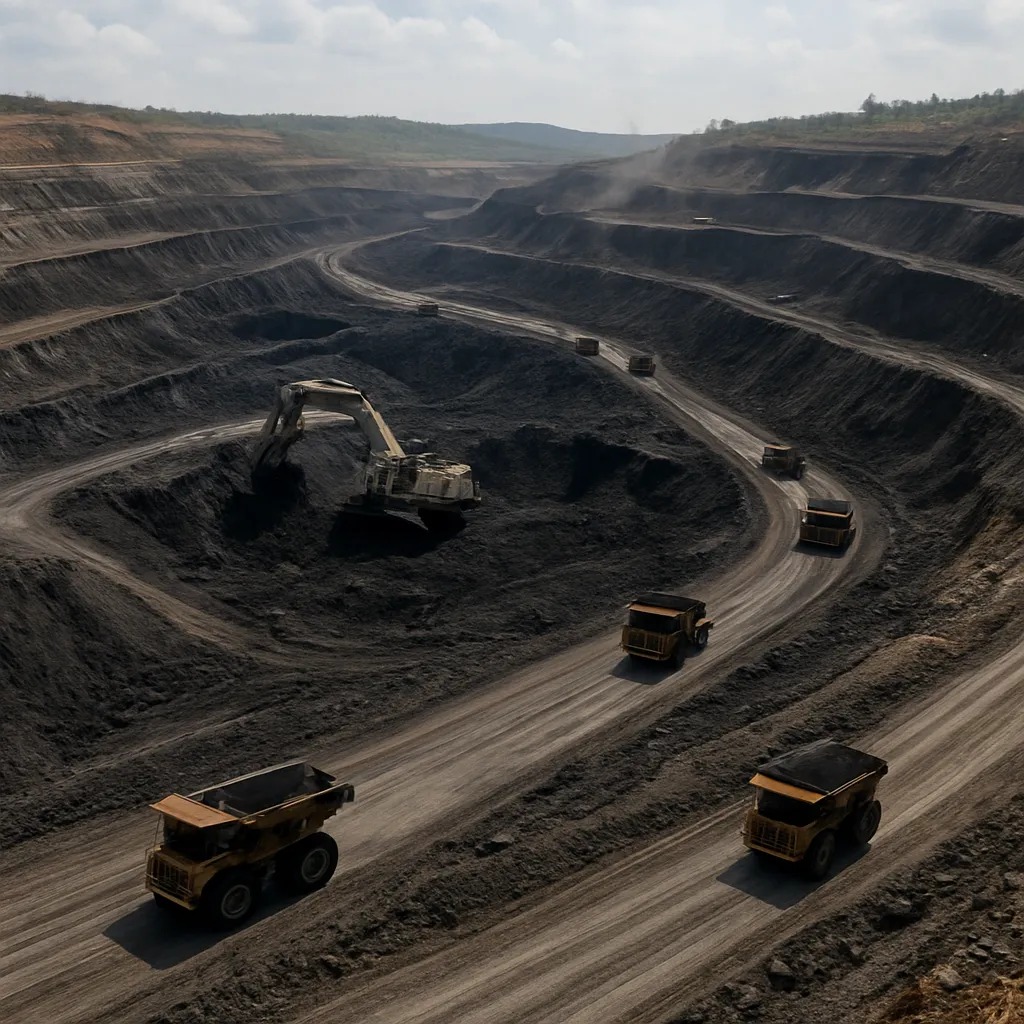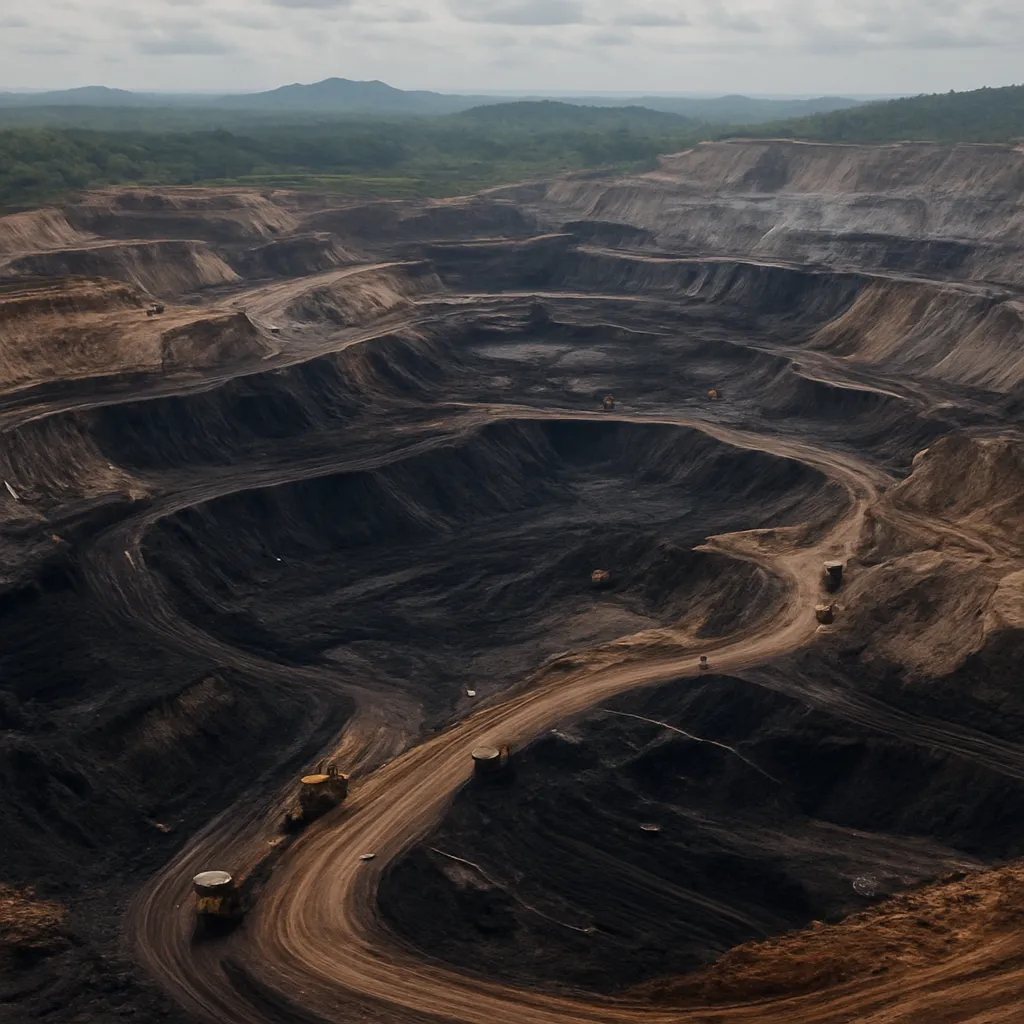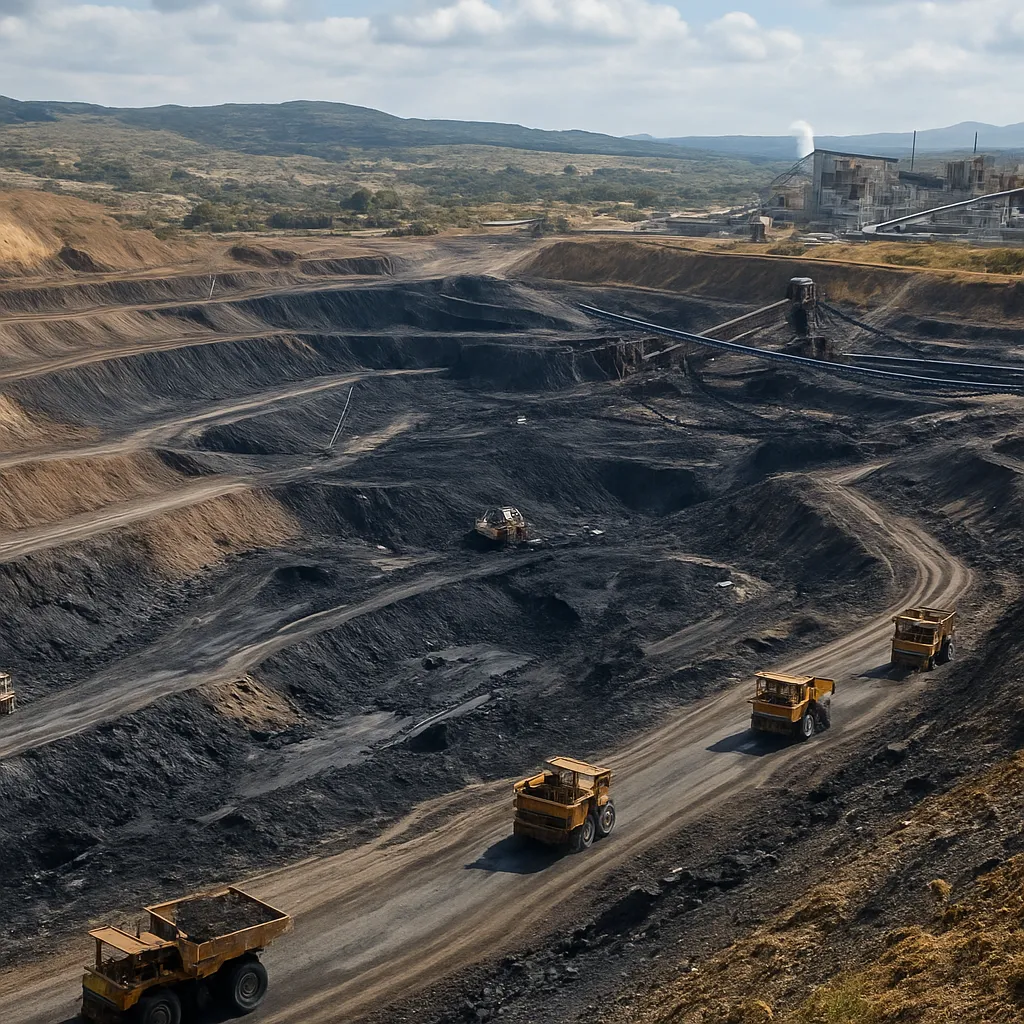
The following article provides an in-depth look at the Duralie Coal Mine in Australia, exploring its location, the type of coal produced, geological setting, economic and industrial significance, operational and statistical aspects where available, and broader environmental and social implications. The presentation aims to give readers a rounded understanding of the mine’s role within the regional and national coal sectors, as well as the challenges and opportunities facing coal operations in the 21st century.
Location and General Overview
Duralie Coal Mine, often referenced in industry summaries as Duralie Colliery, is situated in the broader coal-bearing region of eastern Australia. The mine lies within the state of New South Wales, in or near the Hunter Valley region which is one of Australia’s principal coal basins. The Hunter Valley is a landscape historically shaped by coal exploration and extraction, with a concentration of mining activity around towns such as Muswellbrook, Singleton and the surrounding rural localities.
The mine is part of a network of collieries that together supply a mix of domestic power stations and international markets. While Duralie is not among the very largest single producers in the Hunter or in the nation, it constitutes an important local employer and source of coal that supports regional supply chains, rail logistics and port facilities that export Australian coal globally. Its location within proximity to key transport corridors is a central factor in its operational viability.
Coal Type, Quality and Geological Setting
Duralie produces black coal typical of the Permian-aged coal measures common across the Hunter Valley and adjacent basins. The dominant product is thermal coal, used primarily for electricity generation, both domestically and by importing countries. In many Hunter Valley operations, variations in seam quality mean that collieries may produce a range of coals, from higher-grade thermal coal suitable for power stations to middlings used for blending. The geological profile commonly includes multiple coal seams interbedded with siltstone, shale and sandstone horizons.
Geologically, the coal seams exploited at sites like Duralie are part of a band of Permian strata that were deposited in extensive swamp and floodplain environments some 250–300 million years ago. These conditions produced thick, laterally continuous coal seams that have been amenable to both open-cut (surface) and underground mining methods across the basin. At many operations in the Hunter Valley, mining is tailored to seam depth, thickness and surrounding lithology; where seams are deeper and thicker, underground techniques such as longwall mining are deployed, while shallower deposits are typically mined by open-cut methods.
Mining Methods and On-Site Operations
The choice of mining method at Duralie depends on seam depth, reserve geometry and economic considerations. Many collieries in the region employ a combination of open-cut and underground approaches over the life of the operation. Where underground operations are used, mechanised longwall systems or bord-and-pillar techniques are commonly applied to recover coal efficiently.
On-site operations extend beyond extraction. Processing infrastructure typically includes coal handling and preparation plants (CHPPs) that wash and size coal to meet customer specifications, reduce ash and remove impurities. Stockpiling, truck and rail loading facilities and environmental management systems are integral parts of a modern colliery. The proximity to rail lines and ports is critical; coal is often taken by rail to the Hunter ports for export, or conveyed to local power generation and industrial users.
Economic and Industrial Significance
The economic impact of the Duralie Coal Mine is multifaceted. Locally, the mine supports direct employment in mining, engineering and site services, and generates secondary economic activity through contractors, maintenance and supply chains. At the regional level, coal production contributes to the broader Hunter valley economy, underpinning transport, logistics and port services. Nationally, Australian coal remains a major export commodity and a key contributor to trade balance and gross domestic product.
While Duralie itself may operate at a scale smaller than some giant operations in the region, each mine contributes to Australia’s reputation as a major coal supplier. Revenue streams from sales of thermal coal feed into local government revenues through royalties and taxes, and sustain businesses in accommodation, retail and professional services in nearby towns.
Statistical and Operational Data
Publicly available, up-to-date statistics for specific mid-sized collieries like Duralie can vary by year and by source. Production volumes, employment numbers and reserve estimates may be reported periodically in company statements or government resource inventories. Historically, collieries in the Hunter region have displayed a wide range of annual output—from several hundred thousand tonnes for smaller operations to many millions of tonnes for large-scale mines. Duralie’s annual output has historically been modest when compared to the largest Hunter mines, often reflecting local seam size, market conditions and operational choices.
At a national level, Australia is one of the world’s largest coal exporters, with annual exports of both thermal and metallurgical coal amounting to well over 100 million tonnes per year in many recent years. The Hunter Valley forms a substantial portion of export throughput, moving coal through major port terminals. Duralie contributes to this export pipeline, with coal being transported to port via the regional rail network or sent to domestic users.
Supply Chains, Markets and Trade
Duralie’s coal is sold into markets that span domestic power generation and international buyers, particularly in the Asia-Pacific region where demand for Australian thermal coal remains significant for baseload electricity. Key buyers historically include countries such as Japan, South Korea, China and Taiwan, depending on market dynamics, contractual arrangements and shipping considerations.
Coal quality, including energy content (measured in kilocalories per kilogram or MJ/kg), ash, moisture and sulfur content, influences the target market and price. Coal preparation processes reduce impurities and improve product value. Logistic reliability—rail availability, port scheduling and shipping capacity—plays an outsized role in maintaining customer relationships and securing competitive pricing for producers like Duralie.
Employment, Community and Local Impact
Mines like Duralie typically provide direct employment to mine staff, operators, engineers and site maintenance crews, and create indirect jobs through contracting, haulage and services. In regional towns, the presence of a colliery can underpin local schools, health services and small business viability. These social benefits are balanced against challenges including cyclical employment during commodity price swings, the need for a skilled workforce and community concerns over environmental impacts.
Community engagement is a key focus for modern mining operations. Mines invest in local infrastructure projects, community sponsorships and workforce training programs. Programs that support employment of local residents and Indigenous participation are increasingly common, aligning with broader corporate social responsibility goals and regulatory expectations.
Environmental Management and Rehabilitation
Environmental performance is central to the social license of any mine. Duralie, like other operations in the Hunter Valley, must manage water, air quality, biodiversity and land rehabilitation throughout the mine life. Regulatory frameworks in New South Wales mandate environmental impact assessments, water management plans and progressive rehabilitation of disturbed land. Typical mitigation measures include sediment and erosion controls, groundwater monitoring, dust suppression systems and progressive landform reconstruction following coal removal.
Rehabilitation aims to return mined land to a stable and usable condition, often with outcomes such as agricultural land, native vegetation corridors or recreational areas. Modern rehabilitation practices emphasise topsoil preservation, re-establishment of native flora and long-term monitoring to ensure ecosystem recovery. Mines are also subject to mine closure planning that establishes financial provisioning and post-mining land use objectives.
Regulatory Context and Safety
Operations at Duralie must comply with Australian and New South Wales mining laws, occupational health and safety regulations, and environmental protections. Regulatory oversight includes permitting, inspections and reporting. Safety protocols at coal operations include methane monitoring, geotechnical controls for pit walls and underground workings, and comprehensive emergency response planning. Mining safety has improved considerably over recent decades through technological advances and stricter regulatory regimes.
Challenges and Transition Pressures
The coal industry in Australia faces several structural challenges: market volatility, global decarbonisation policies, competition from alternative energy sources, and community and environmental scrutiny. Mines in the Hunter Valley, including Duralie, operate in a context of growing investor and public pressure to demonstrate robust environmental management and to plan proactively for a lower-carbon transition.
For many mines, this means optimising operational efficiency, extending product life through value-adding processes (such as coal washing and blending), and implementing lower-emission technologies in site operations (electrification of equipment, renewable power for site loads). It also involves workforce transition planning and engagement with stakeholders about future land uses after mining ceases.
Opportunities and Strategic Outlook
Despite long-term transition pressures, there are near- to medium-term opportunities for operations that can deliver reliable, competitively priced coal while meeting strict environmental standards. Demand for thermal coal in some regions remains robust for grid stability, and supply disruptions from other producers create market windows for Australian producers. Additionally, collieries that invest in rehabilitation, community partnerships and emissions reductions may capture better social acceptance and stronger commercial terms.
Longer-term strategies for miners include diversifying into other commodities, investing in carbon-management technologies, and repurposing mine infrastructure for new economic activities (e.g., renewable energy projects on rehabilitated land, pumped hydro energy storage using former voids, or agricultural redevelopment). Planning for these transitions early can deliver better outcomes for local economies.
Interesting and Lesser-Known Aspects
- Historic evolution: Many collieries in the Hunter Valley have a layered history of ownership and technological change, illustrating the rapid evolution of mining methods over the 20th and 21st centuries.
- Role in regional identity: Coal mining shapes the culture and identity of many Hunter Valley communities, influencing local events, museums and heritage sites.
- Technological adoption: Smaller collieries often adopt modular or incremental technology improvements—such as automated monitoring systems, improved dust suppression and energy-efficient pumps—to remain cost-competitive.
- Rehabilitation creativity: In some rehabilitation projects, former mining land has been repurposed for biodiversity corridors, community parks or agriculture—demonstrating adaptive reuse possibilities.
Conclusion and Future Considerations
Duralie Coal Mine is a component of the broader Australian coal landscape—anchored in the Hunter Valley region of New South Wales—and reflects the typical mix of operational, economic and environmental factors that characterize coal mining in Australia. The mine produces predominantly thermal coal, contributes to local employment and regional supply chains, and plays a part in the nation’s export profile. As with many similar operations, accurate year-by-year statistics can vary and are best sourced from company reports and government mineral resource databases when precise figures are required.
Key considerations for the future include managing environmental responsibilities, engaging with communities, adapting to market changes and exploring post-mining land uses that deliver long-term regional benefits. Investment in infrastructure and operational efficiency, along with careful stewardship of reserves and local environments, will determine how Duralie and comparable collieries navigate the energy transition while continuing to provide economic value in the near term. The ongoing challenge for the industry is to balance resource development with commitments to sustainability and environmental protection while contributing to energy security and regional prosperity.