Springvale Mine is a name applied to coal mining operations in Australia and illustrates many of the technical, economic and environmental themes characteristic of the country’s coal sector. This article provides a comprehensive overview of the mine’s geological setting, the types of coal extracted, typical operational methods, and the broader economic and social significance of Springvale-style operations in regional Australia. Where precise, site-specific figures are available in public sources they are noted; where public data are limited, the text explains typical ranges and industry norms that apply to mines of this class. The information below is presented to give a rounded picture of how a mine identified as Springvale operates, contributes to industry, and interacts with local communities and the environment.
Location and geological setting
Mines carrying the Springvale name have generally been located in eastern Australia, within well-known coal-bearing provinces. Australian coal deposits are concentrated in several major basins — notably the Bowen Basin, the Hunter Valley and Sydney Basin, and the Gippsland and Latrobe regions — and a Springvale operation typically sits within one of these coalfield regions. Geologically, the coal seams exploited at such sites are part of Carboniferous to Permian sedimentary sequences that have been buried and thermally matured to produce exploitable coal beds.
The coal seams at Springvale-type operations often occur in relatively flat or gently dipping sequences, interbedded with sedimentary strata such as sandstone, siltstone and shale. Structural features (faults, folds) and the thickness and lateral continuity of seams determine whether the deposit is mined by open-cut (surface) methods or by underground methods such as longwall or room-and-pillar mining. The local hydrogeology — the presence and pressure of groundwater contained within aquifers above and below coal seams — is a critical factor for mine design and environmental management.
Coal type and quality
Springvale Mine operations typically produce coal varieties that fit two main market categories: thermal (steam) coal used for electricity generation and industrial heat, and in some cases blends of higher-rank coal that can be used as part of metallurgical mixes. The precise rank and quality vary by location and seam; typical properties reported for Australian thermal coals include:
- Calorific value in the range of about 18 to 30 MJ/kg (on an as-received or air-dried basis), depending on rank and moisture.
- Proximate composition with moisture, ash and volatile matter varying by seam and washing practices.
- Sulfur and trace element concentrations that generally fall within ranges that can be managed by coal washing and blending for export or domestic power generation.
Where higher-rank coal is present, it can be used in blends for coking or pulverized coal injection (PCI) in steelmaking. Most commonly however, a Springvale operation is associated with the production of thermal coal destined for domestic power stations and international export markets, particularly in Asia.
Operations, mining methods and processing
Mining methods
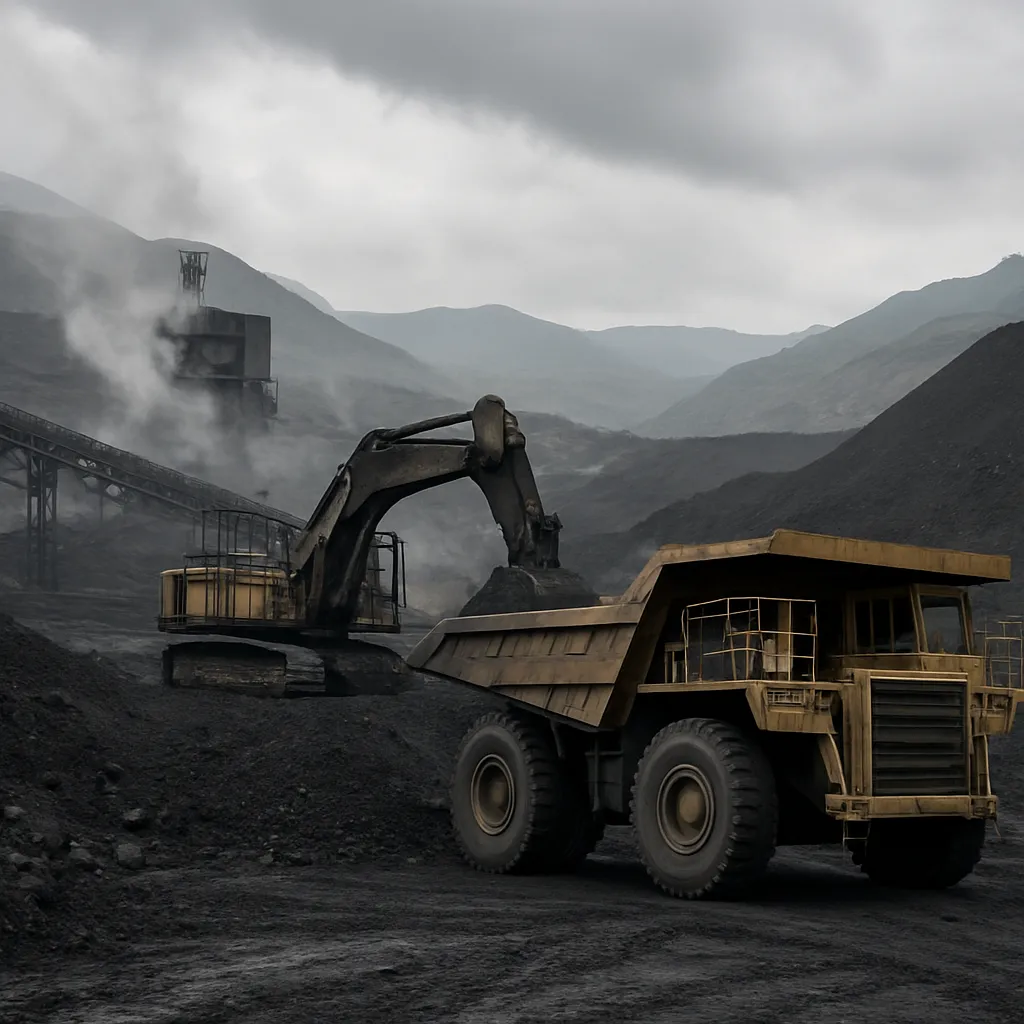
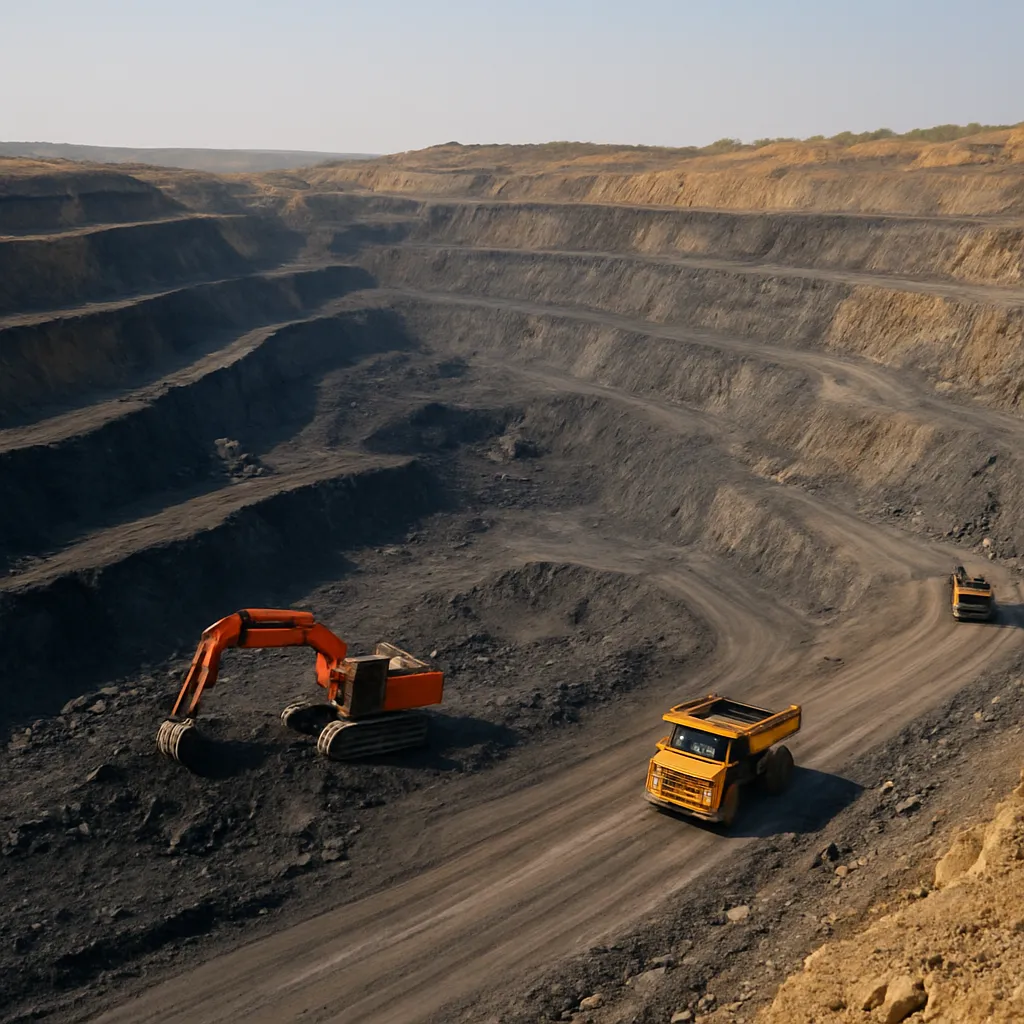
The choice between open-cut and underground mining at a Springvale operation reflects seam depth, thickness and continuity. Large, laterally continuous seams near the surface are typically exploited by open-cut mining with draglines, excavators and haul trucks, while deeper seams are often recovered by underground techniques:
- Longwall mining: a high-recovery underground method in which a long face of coal is sheared by a mechanical shearer and roof support is provided by hydraulic shields. Longwall is common in Australia for thick, continuous seams and yields high production rates per shift.
- Room-and-pillar or bord-and-pillar: more selective, lower-recovery methods used where seam geometry or ground conditions make longwall impractical.
Processing and product handling
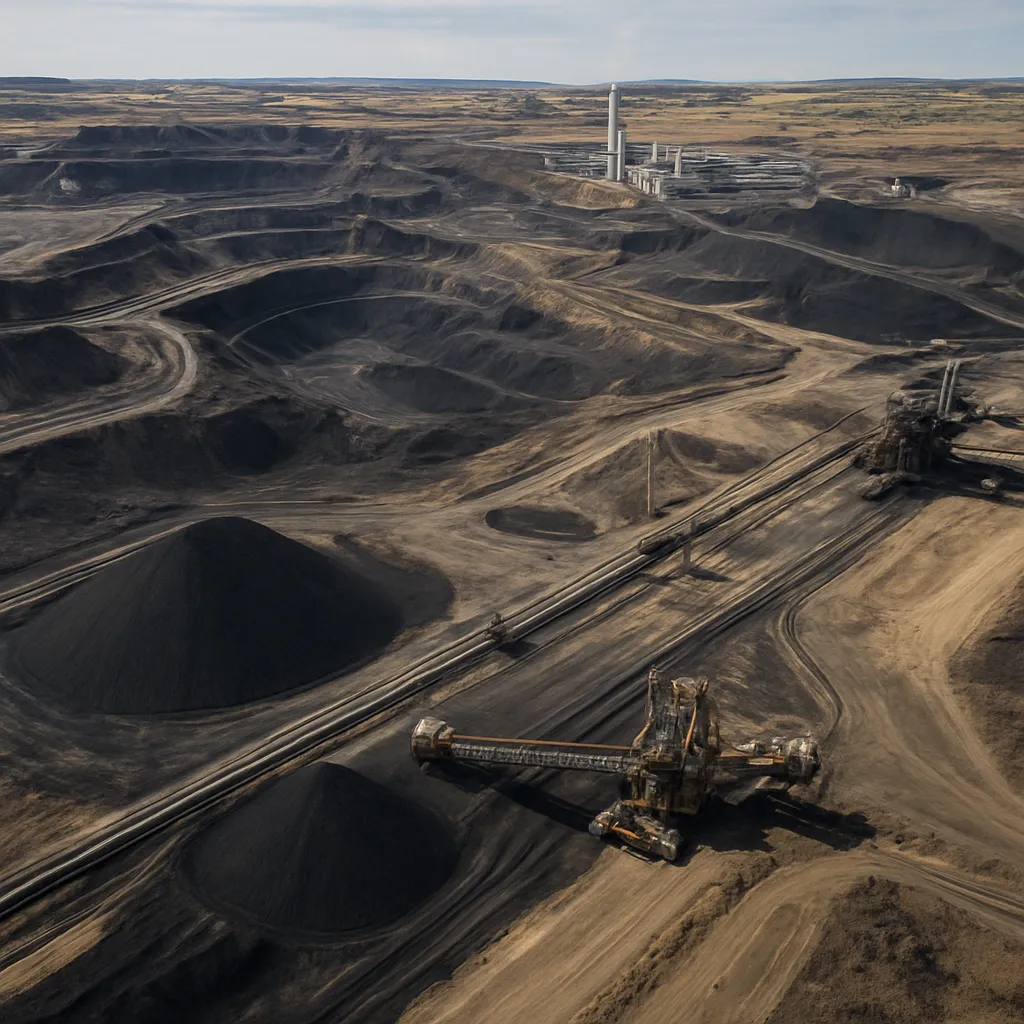
Coal from the pit or underground faces is typically processed through on-site or nearby wash plants to remove rock and increase product quality. Coal washing reduces ash and sulfur content and upgrades calorific value, making the coal more attractive to buyers and compliant with port handling standards. Product handling systems include conveyor belts, stockyards, load-out facilities and rail connections to export terminals or domestic customers.
Logistics and export
A defining feature of Australian coal mines, including Springvale-style operations, is integrated logistics to move product to market. Mines often rely on dedicated rail spur lines to connect to major rail corridors and then to export terminals on the east coast. Export destinations for thermal coal commonly include Japan, South Korea, China, Taiwan and increasingly Southeast Asian nations. Domestic supply chains deliver coal to power stations, industrial plants and cement or other manufacturing operations.
Ownership, workforce and local economy
Ownership of coal mines in Australia ranges from multinational resource corporations to smaller private companies. Springvale operations have historically been owned or operated by companies engaged in broader coal portfolios, and ownership can change through asset sales, joint ventures and corporate restructures. These changes impact investment in technology, rehabilitation and community programs.
Employment at Springvale-type mines typically includes a mix of direct mining personnel, engineering and technical staff, contractors (haulage, processing, maintenance) and support roles (environmental, community relations, logistics). Workforce numbers vary widely by mine scale:
- Small-to-medium underground operations might employ a few hundred direct staff and contractors.
- Large open-cut operations and multi-seam longwall complexes can employ several hundred to over a thousand people directly at peak operation.
Beyond direct employment, coal mines generate indirect economic activity through local procurement of goods and services, royalties to state governments, and infrastructure investment. Royalty regimes, corporate taxes and payroll taxes contribute to state and national revenues, supporting public services and regional development.
Economic and industry significance
Coal mining remains a significant contributor to Australia’s export earnings and regional economies. A Springvale mine contributes in multiple ways:
- Exports: Thermal coal exports form part of Australia’s seaborne coal supply and help balance trade. The revenue depends on global coal prices, freight costs and exchange rates.
- Regional development: Royalties, wages and local procurement support towns and shires near the mine, funding services, housing and small business activity.
- Tax revenue: Corporate and payroll taxes contribute to state and federal budgets.
While exact production figures for a specific Springvale site may vary, coal mines in Australia commonly report annual production in the range of several hundred thousand to several million tonnes of saleable coal depending on mine size. These volumes translate into substantial economic throughput when coal prices are favorable. Periodic fluctuations in global thermal coal demand and prices — driven by energy market transitions, policy shifts in importing countries, and seasonal demand — directly influence the mine’s revenue and investment profile.
Environmental management and rehabilitation
Modern Australian coal mining is governed by detailed environmental regulation at both state and federal levels. Springvale-style operations are typically subject to environmental impact assessments before development approval and must operate under strict license conditions addressing:
- Water management: maintaining pit dewatering, managing runoff and protecting groundwater resources. Mine water is treated, reused where practicable, or discharged under permit conditions.
- Air quality: controlling dust from mining, haulage and stockpiles through watering, vegetation screens and operational controls.
- Biodiversity: protecting native vegetation and fauna, implementing offset programs when development impacts habitat, and rehabilitating disturbed areas post-mining.
- Noise: managing blasting and operational noise to comply with local environment guidelines.
Rehabilitation is a statutory obligation. Progressive rehabilitation — reshaping landforms, replacing topsoil, re-establishing native vegetation and achieving agreed post-mining land uses (agriculture, conservation or community use) — is standard practice. Successful rehabilitation requires long-term monitoring and adaptive management to achieve stability, erosion control and ecological outcomes.
Health, safety and community relations
Occupational safety is a central operational priority. Australian coal mining operations apply rigorous safety systems: hazard identification, risk assessment, worker training, fatigue management, and emergency response planning. Accident and incident reporting frameworks and mine inspectors enforce compliance.
Community relations form another pillar of mine operations. A Springvale mine usually maintains ongoing communication with local stakeholders through community consultative committees, financial contributions to local projects, scholarships and local procurement policies. Mines also have to manage social impacts such as increased demand for housing, infrastructure and community services that rapid expansion can create.
Statistical context and data considerations
Precise numerical data for any specific Springvale Mine (production tonnages, reserves, workforce numbers, annual emissions, royalties paid) are reported in company annual reports, project approvals and government mining registries. Publicly available statistics at national and state levels help place Springvale-style operations in context:
- Australia is one of the world’s largest seaborne coal exporters; annual export volumes for thermal and metallurgical coal together typically measure in the hundreds of millions of tonnes.
- Coal remains a material contributor to some state economies through royalties and employment in regional centers.
- Mine-level production varies: small underground mines may produce in the low hundreds of thousands of tonnes per year, while large open-cut operations and longwall complexes can achieve multiple millions of tonnes annually.
For readers seeking exact figures for a particular Springvale site — including proven and probable reserves, historic production, operational life forecasts, rehabilitation bonds and local economic contributions — the most reliable sources are: company disclosures (annual and sustainability reports), state government mining registries, approved environmental impact statements (EIS), and local council planning documents.
Historical perspective and lifecycle
Coal mines progress through a distinct lifecycle: exploration and resource assessment, project approval and construction, operation, closure and rehabilitation, and finally post-closure monitoring. A Springvale operation’s life can span several decades if reserves and economics permit. Historical phases frequently include technology upgrades, mechanization (e.g., introduction of high-capacity longwall systems or autonomous haulage), and shifts in market focus (from domestic thermal supply to export markets or vice versa).
Over time, ownership consolidation and global commodity cycles influence investment decisions. Mines that adapt operationally and commercially — improving efficiency, reducing operating costs and meeting stricter environmental standards — tend to sustain longer productive lives.
Challenges and future outlook
Springvale-style mines face multiple challenges as energy systems worldwide evolve:
- Demand uncertainty: global decarbonisation policies and the growth of renewables are changing long-term demand projections for thermal coal.
- Price volatility: commodity prices can swing widely, affecting profitability and capital investment decisions.
- Environmental and social licence: community expectations and regulatory requirements for environmental performance and rehabilitation are increasing.
- Technological disruption: automation and electrification can improve safety and productivity but require investment and workforce transition strategies.
Nonetheless, in the near to medium term many coal mines continue to supply energy systems and industries that have limited immediate low-emissions substitutes. For Springvale-equivalent operations, adaptation strategies include diversifying product mixes, improving efficiency, expanding downstream relationships with customers, and investing in environmental management and community partnerships.
Interesting facts and broader implications
- Historical role: Coal mining has underpinned settlement patterns, rail and port infrastructure development, and regional economies in Australia for more than a century. Mines named Springvale are part of this broader historical fabric.
- Technology transfer: Modern mining technologies developed in Australian coalfields — such as large-scale longwall systems and advanced wash plant processes — are exported globally and contribute to improved efficiency and reduced environmental footprint in many jurisdictions.
- Rehabilitation innovation: Progressive rehabilitation techniques, including soil amelioration, native species propagation and adaptive post-mining land uses, show how mine closure can create long-term environmental and community assets when planned and funded appropriately.
- Community impact: Mining companies increasingly invest in local skills development, apprenticeships and small-business programs to diversify regional economies and leave a legacy beyond the operating life of the mine.
Conclusions
Springvale Mine, as a representative example of Australian coal mining operations, illustrates the technical complexity, economic importance and environmental responsibilities of the coal industry in Australia. These operations produce coal that fuels power stations and industry, create direct and indirect employment, and contribute to regional development while operating within a framework of environmental regulation and community expectations. Precise, site-specific statistics should be sought from company reports, environmental approvals and government registries for those who need exact figures on production, reserves, employment and rehabilitation performance. Overall, Springvale-style mines remain key components of Australia’s resource sector even as the industry navigates an evolving energy and regulatory landscape.
Coal thermal metallurgical longwall open-cut Bowen Basin exports employment rehabilitation water management