The Wulanmulun Coal Mine, located in the northern regions of the People’s Republic of China, represents one of many important coal extraction sites that feed the country’s vast energy and industrial systems. This article reviews the mine’s geological setting and location, the types of coal produced, operational and economic details, environmental and social considerations, and the mine’s role in regional and national industry. Where detailed public statistics for Wulanmulun itself are limited, the discussion places the site in the broader context of the coal-producing provinces—particularly Inner Mongolia and adjacent northern basins—so readers can understand its likely scale, significance and challenges.
Location and geological setting
The name Wulanmulun suggests a Mongolian-language toponym; many sites across northern China, especially in Inner Mongolia and nearby autonomous regions, carry similar names. Geologically, the northern part of China is characterized by extensive Paleozoic and Mesozoic sedimentary basins with multiple coal-bearing strata. Wulanmulun is typical of such deposits, lying within a basin where successive sedimentary layers host economically extractable coal seams.
Regional geological context
- Coal-bearing strata in the northern basins usually range from the Carboniferous–Permian to the Mesozoic, containing both bituminous and lower-grade coals such as sub-bituminous and lignite.
- Coal seam thickness and depth vary significantly across the region; productive seams may be near-surface (amenable to open-pit mining) or hundreds of meters deep (requiring underground methods).
- Associated minerals—such as clays, sandstone, and carbonate interbeds—affect mining methods and beneficiation processes.
Toponymic and cultural notes
The element Wulan (often rendered 乌兰 in Chinese) commonly means “red” in Mongolian-derived place names; Mulun may refer to a local landform or watercourse. The mine lies within a landscape influenced by steppe and semi-arid conditions, where mining infrastructure must account for seasonal temperature extremes, water scarcity and transport logistics.
Coal types, reserves and quality
The composition of coal at a given mine determines most aspects of its industrial use. Wulanmulun’s coal is broadly consistent with northern China deposits: a mixture of thermal coals used for power generation and lower-volatile coking coals used in metallurgical processes. Exact classification can vary seam-to-seam.
Typical coal characteristics
- Calorific value: regional coals commonly range from medium- to high-calorific values for bituminous seams, while lignite/sub-bituminous seams show lower energy density.
- Volatile matter and fixed carbon: metallurgical coals tend to have higher fixed carbon and appropriate volatile content for coking; thermal coals are optimized for combustion efficiency and ash content.
- Impurities: ash, sulfur and moisture levels vary; low-sulfur, low-ash coal is preferred for power plants and is economically advantageous.
Publicly available, mine-specific reserve and grade data for Wulanmulun are limited. Many mines in the broader region report reserves in the tens to hundreds of millions of tonnes range, depending on geological extent and historical exploitation. When assessing a mine like Wulanmulun, analysts consider both proved reserves (extractable under current economic conditions) and inferred resources (geologically indicated but not yet fully proven).
Mining methods, operations and production patterns
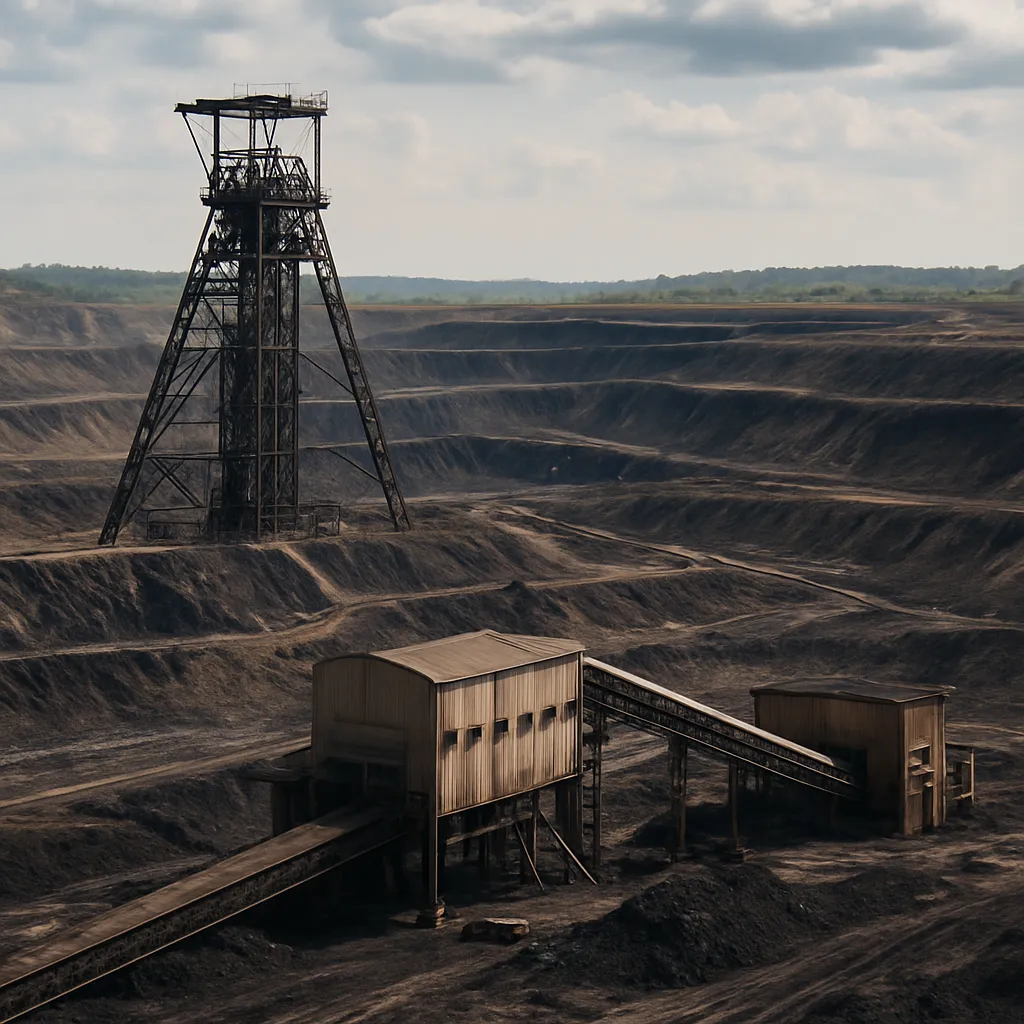
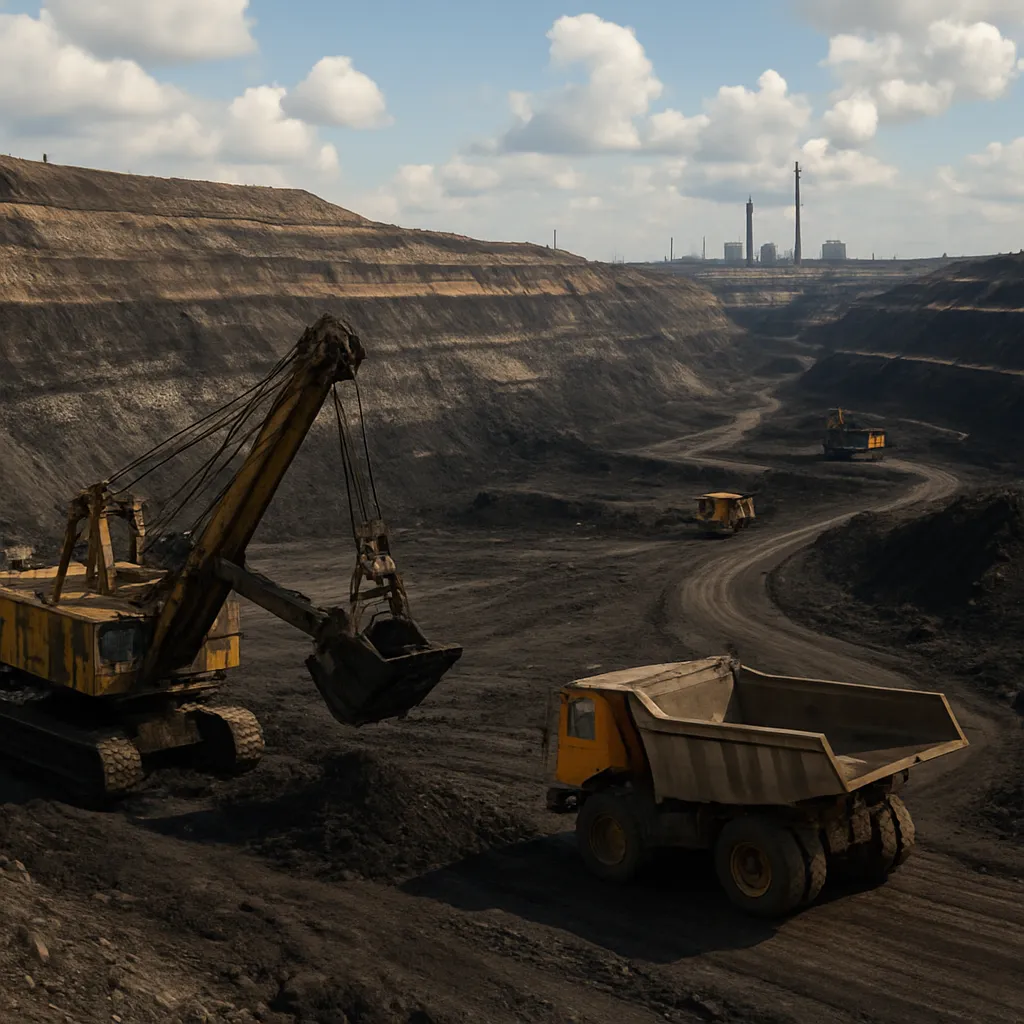
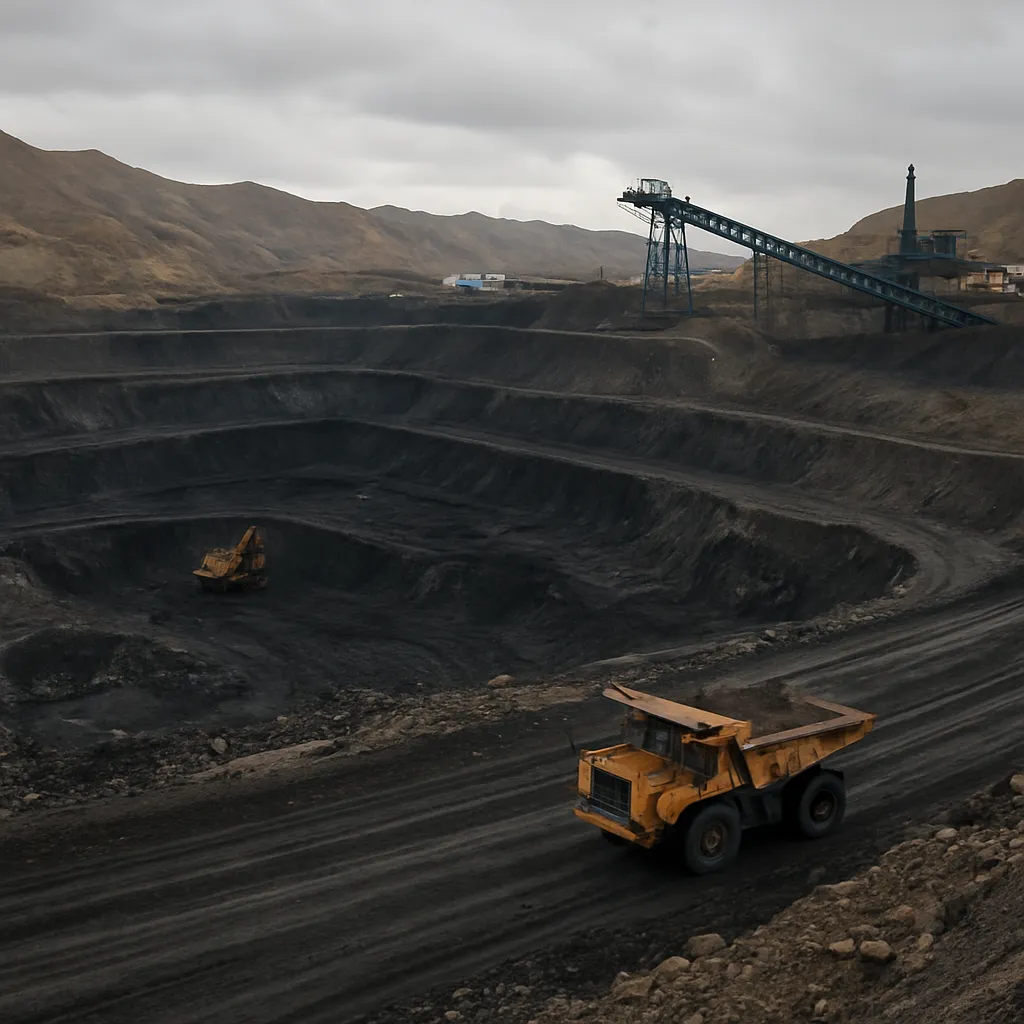
Precise operational details for Wulanmulun are often proprietary or reported at enterprise level; however, mining at sites in the area typically involves a mix of open-pit and underground techniques depending on seam depth and local topography. Mechanized longwall underground mining is common where thicker seams are deep, while large-scale open-cast operations prevail in shallow deposits.
Infrastructure and logistics
- Rail connections and trucking roads are crucial: most northern mines link to provincial rail lines that feed thermal power plants and steelworks across China’s eastern and central industrial belts.
- On-site facilities include crushing, washing (beneficiation), stockpiling and loading terminals. Washing plants increase coal value by reducing ash and sulfur.
- Power, water supply, workshops, and accommodation camps for workers are typical on-site infrastructure components.
Production and workforce
While specific annual production figures for Wulanmulun are not widely published in open sources, Chinese coal mines range from small local operations producing less than 1 million tonnes per year to mega-mines producing tens of millions of tonnes annually. The workforce includes a mix of skilled miners, engineers, maintenance technicians, and administrative staff. Modernization trends reduce labor intensity through mechanization and remote operation, but mining remains a significant local employer and source of income.
Economic significance and market linkages
The economic role of Wulanmulun follows the broader pattern of regional coal mines: supplying feedstock for electricity generation, industrial heat, and in some cases metallurgy. Coal remains a backbone of China’s energy mix, so local mines are integrated into national commodity networks.
Supply chains and end-users
- Thermal coal from sites like Wulanmulun typically supplies regional power plants, district heating, and cement or chemical industries.
- Coking or higher-grade coals can be sold to steel producers; quality and proximity to blast furnaces or coking plants influence pricing and transport economics.
- Coal by-products and beneficiation residues may be used for building materials or are managed as waste depending on environmental regulations.
Fiscal and regional economic impacts
Coal mining contributes to local and provincial fiscal revenues through taxes, royalties and company contributions. Employment generated by mines stimulates secondary economic activity—services, retail and logistics. At the provincial level, large coal-producing areas invest in processing, power generation, and related industries to capture more value locally.
Statistical context and available data
Direct, up-to-date statistics specifically for Wulanmulun are scarce in public databases; many Chinese coal enterprises consolidate reporting at company or regional levels. To give context:
- China’s annual coal production in recent years has been on the order of several billion tonnes, making the country the world’s dominant coal producer and consumer.
- Provinces and autonomous regions in northern China, especially Inner Mongolia, Shanxi and Shaanxi, account for a particularly large share of national output. Inner Mongolia alone has on occasion contributed more than a quarter of national production.
- Unit economics: mine gate prices depend on coal quality and proximity to consumers. Regional benchmarks and centrally published indices guide pricing negotiations between producers and utilities.
Because Wulanmulun appears as one of many regional mines, analysts typically estimate its significance by comparing its production class (small, medium, large) to provincial totals. If classified as a medium-sized operation, annual output might plausibly lie in the 1–5 million tonnes range; large operations often exceed 10 million tonnes. These should be treated as indicative ranges rather than definites for this specific mine.
Environmental, social and safety considerations
Mining in northern China faces several pressing environmental and social issues that also apply to Wulanmulun:
Environmental impacts
- Land disturbance: Open-pit operations remove surface soils and alter hydrology; reclamation is required to restore post-mining land uses.
- Air quality: Dust and particulate emissions from blasting, hauling and crushing are local concerns; coal combustion downstream contributes to national air pollution challenges.
- Water: Coal washing and underground operations can affect groundwater; in semi-arid regions, water scarcity increases the environmental trade-offs of mining.
- Greenhouse gases: Coal is carbon-intensive; operations contribute both direct emissions (fuel use on-site) and indirect emissions (combustion by end-users).
Workplace safety and community impact
China has made significant efforts to improve mine safety over recent decades, reducing accident rates through regulation, mechanization and stricter enforcement. Community impacts include both positive (employment, infrastructure) and negative (noise, dust, social change). Companies increasingly engage in corporate social responsibility programs—funding local schools, healthcare and environmental mitigation—to maintain stable operations.
Policies, technological trends and future prospects
Wulanmulun’s future will be shaped by national energy policy, market demand, technology adoption, and environmental regulation. China’s energy policy balances continued reliance on coal for security with ambitious emissions and efficiency goals.
Technology and modernization
- Mechanized mining, longwall systems, and automation reduce cost and improve safety.
- Coal beneficiation (washing, sorting) improves product quality and marketability.
- Emission control technologies at power plants—such as flue gas desulfurization and particulate capture—reduce local pollution impacts from coal combustion.
Transition pressures and economic resilience
As China pursues decarbonization targets, demand patterns for different coal grades will shift. Thermal coal may face long-term structural decline, while high-quality coking coal for steelmaking may retain relevance longer. Mines that can lower their carbon intensity, diversify into value-added processing, or repurpose land for renewable projects will be more resilient.
Interesting operational and historical notes
Beyond production figures, mines such as Wulanmulun are often intertwined with local history and culture. Some interesting aspects often associated with northern coal mines include:
- Seasonal operation considerations: extreme cold affects equipment and worker wellbeing, requiring specialized logistics and housing for personnel.
- Integration with rail corridors: the strategic value of mines often depends on their access to rail infrastructure that moves coal to coastal markets.
- Rehabilitation projects: progressive reclamation and conversion of exhausted pits into lakes, industrial parks or photovoltaic sites are increasingly common experiments in post-mining land use.
- Community archaeology and heritage: mining areas sometimes reveal paleontological and archaeological finds during excavation, contributing to scientific knowledge.
Concluding assessment
The Wulanmulun Coal Mine exemplifies many attributes of northern Chinese coal sites: a geologically favorable setting, a mix of coal qualities that serve thermal and metallurgical markets, and an operational footprint that influences local economies. While precise, mine-level statistics are not always publicly disclosed, the mine’s importance is best appreciated in the context of regional production patterns, logistical connections and the evolving policy environment in China. Key issues shaping Wulanmulun’s future include continued mechanization, environmental regulation, market demand for different coal grades, and broader national efforts to balance energy security with emissions reduction.
Key themes and keywords
- Coal quality and classification (thermal vs. coking)
- Regional geology and reserves
- Mining methods and production scale
- Economic linkages, employment and infrastructure
- Environmental management and sustainability
- Transport logistics and market access via rail networks
Given public reporting limitations, readers seeking precise production, reserve and ownership data for Wulanmulun specifically should consult Chinese provincial mining bureaus, company annual reports (if the mine is operated by a listed firm), and national statistical yearbooks. These sources typically provide the most authoritative figures at mine, company and regional levels.