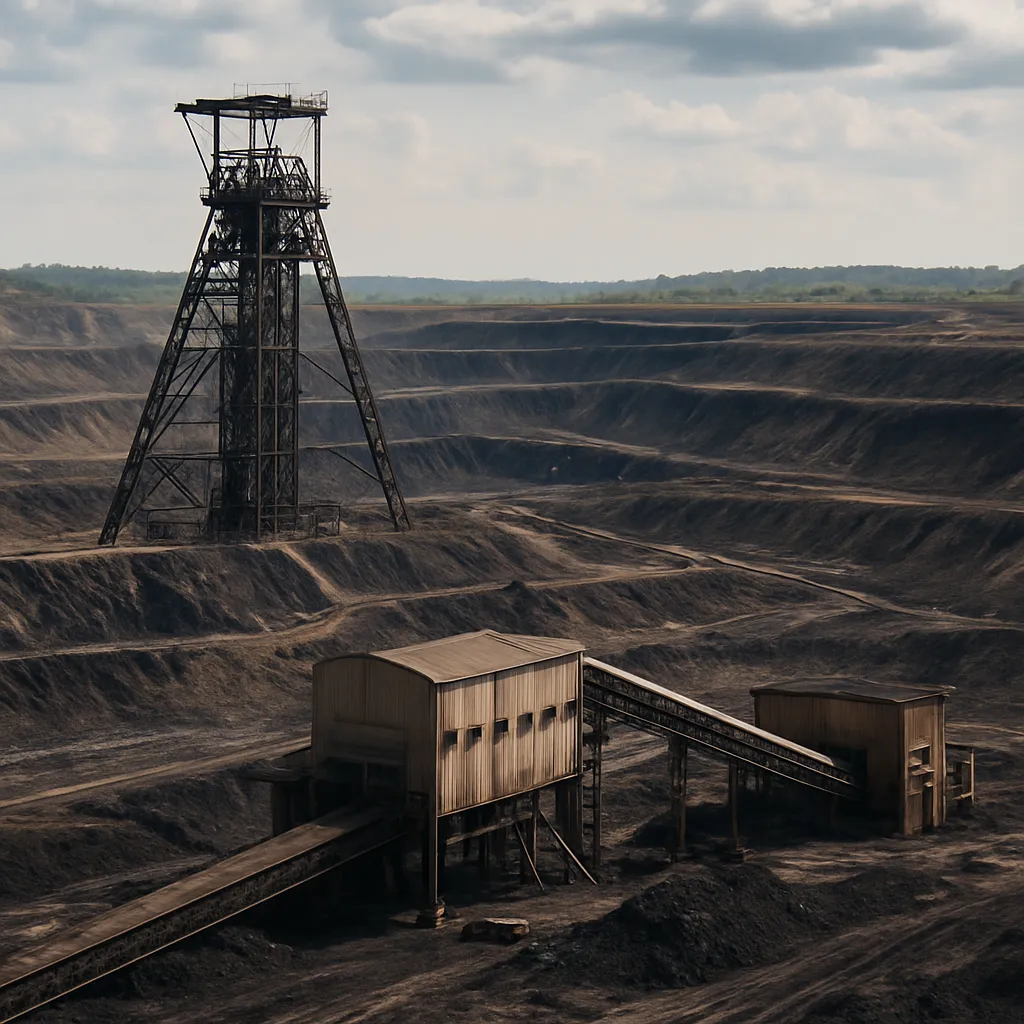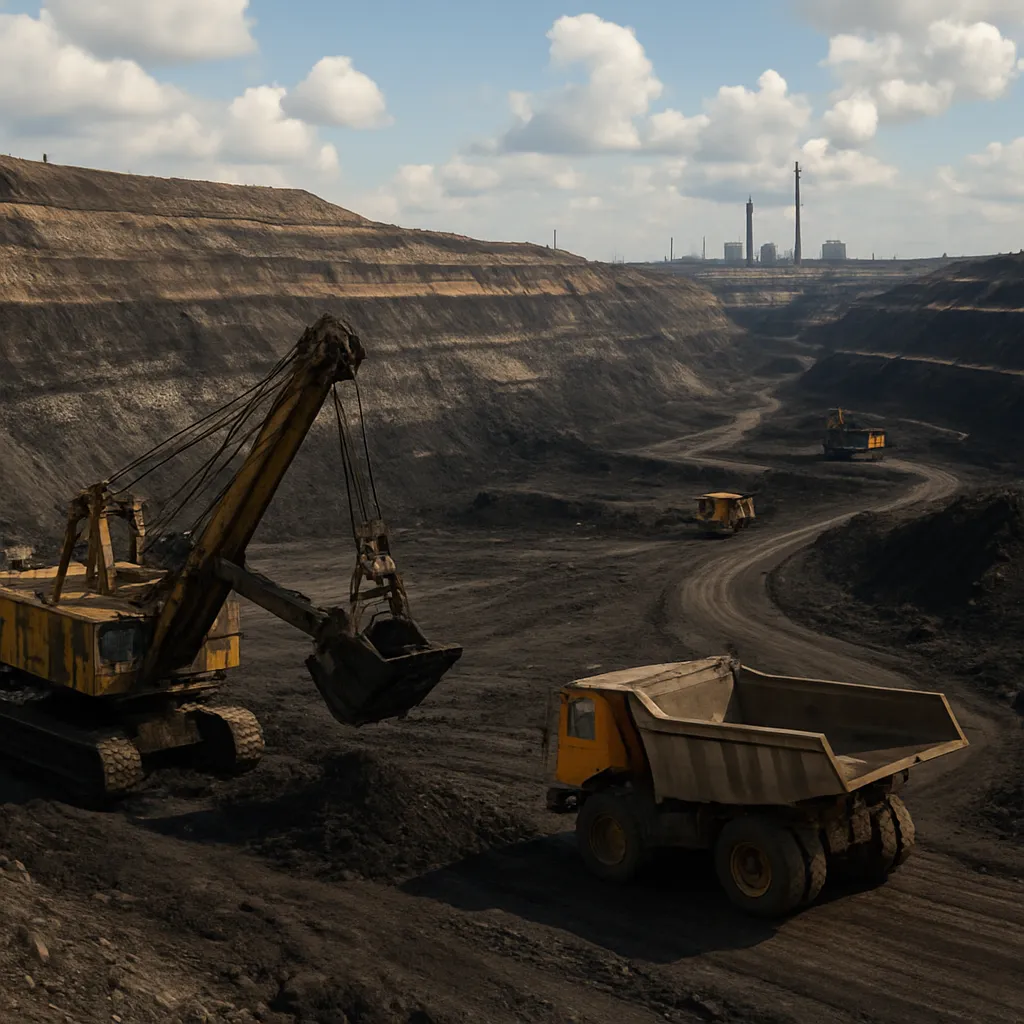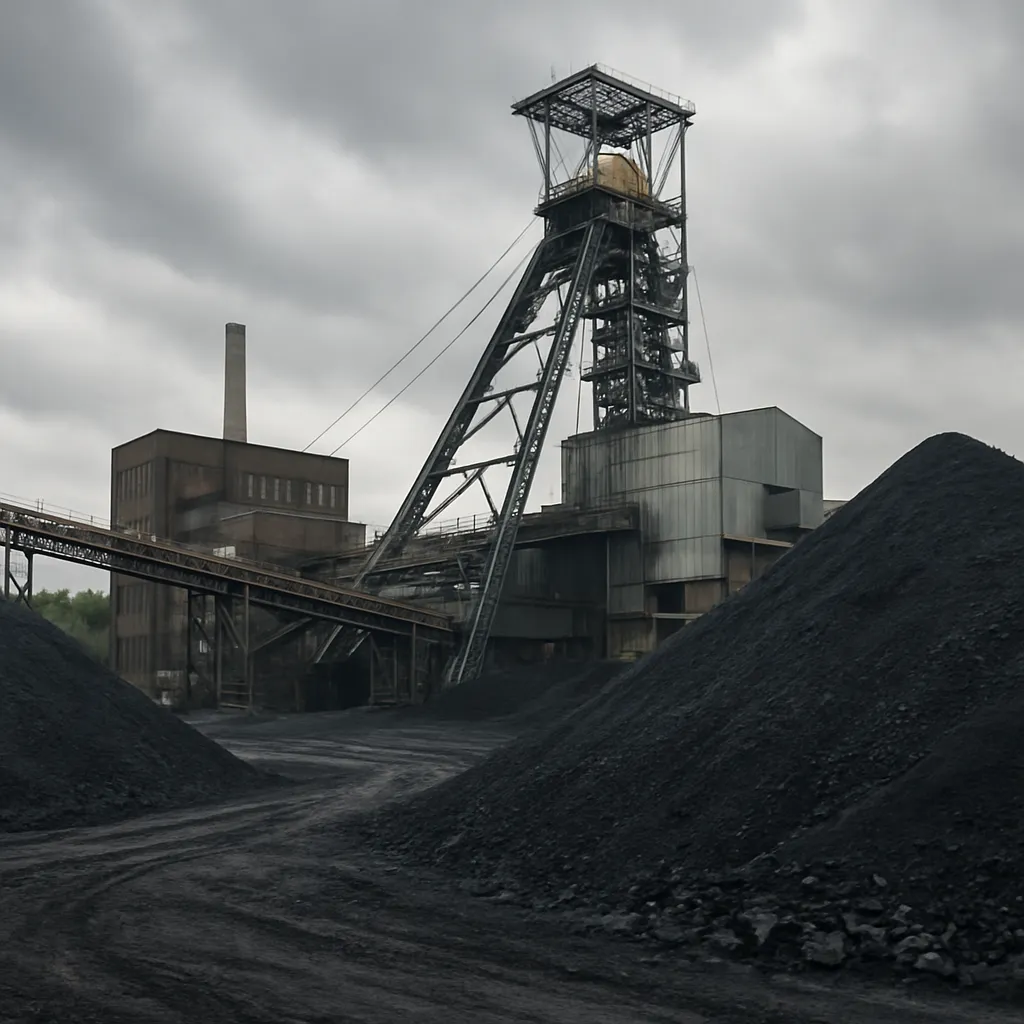
This article presents a comprehensive overview of the Sośnica Coal Mine in Poland: its location, geology, what type of coal is extracted, economic and statistical context, industrial significance, and other notable facts. The text aims to describe the mine’s role within the wider Upper Silesian mining region, the technologies and methods used, historical developments, environmental and social impacts, and likely trajectories for the future of mining activity in the area.
Location and geological setting
Sośnica Coal Mine is located in the southern part of Poland, within the industrialized region of Upper Silesia, near the city of Gliwice in the Silesian Voivodeship. The mine sits in the heart of the Upper Silesian Coal Basin, one of Europe’s most important and geologically complex coal provinces. This basin extends across a densely urbanized corridor and contains multiple coal seams that have been mined for well over a century.
Geologically, the Sośnica deposit comprises layered Carboniferous strata that host several coal seams of varying thickness and depth. The coal recovered from the Sośnica workings is predominantly hard coal (bituminous coal), including seams that supply both thermal and higher-grade metallurgical (coking) uses. Coal seams in the area typically lie at depths ranging from a few hundred meters to deeper horizons, requiring underground mining methods rather than open-pit extraction.
Geological characteristics and coal quality
- Coal rank: Predominantly bituminous/hard coal, with variable volatile content and calorific value depending on seam and depth.
- Uses: A portion of the coal can be directed to coking for steelmaking; other fractions are suitable for power generation and industrial heating.
- Seam complexity: The Upper Silesian seams are often folded and faulted, which increases the need for precise geological modelling and robust mine planning.
- Associated minerals: Typical Carboniferous host rocks include sandstones, shales and local bands of claystone; methane is commonly associated with the coal seams and must be managed actively.
History, ownership and development
The Sośnica mine has roots that trace back to the regional industrial expansion of Upper Silesia in the late 19th and early 20th centuries, when demand for coal from railways, factories and steelworks drove intensive development. Over the decades, the mine evolved through periods of private ownership, wartime control, and nationalization during the communist era. In recent decades, the Polish mining sector underwent significant restructuring, consolidation and private-public reorganization, affecting the ownership and operational model of many mines in the basin.
Modernization in the post-communist period focused on mechanization, safety improvements and the adoption of contemporary underground mining technologies. Longwall mining systems and mechanized supports became widespread across deep seams in the region, increasing productivity while necessitating investment in ventilation, methane drainage and ground control systems.
Technological evolution and workforce
- Mechanization: The mine uses mechanized longwall faces and roof support systems to extract coal efficiently from planar seams.
- Safety: Enhanced ventilation networks, methane monitoring and underground communication systems have been central to modernization efforts.
- Workforce: Historically, the mine has been a major local employer, with employment profiles shifting from large manual labor forces to smaller, more skilled teams operating complex machinery.
Production, reserves and economic significance
As part of the densely mined Upper Silesian Coal Basin, Sośnica contributes to both local and national coal supply chains. The coal produced serves industrial consumers, power plants and, where coal quality permits, steel producers that require coking coal. The mine’s operations support direct employment, indirect jobs in transportation, equipment supply and maintenance, and municipal tax bases in nearby towns and cities.
While specific year-by-year production figures for individual faces or shafts vary with market demand and operational conditions, mines in the Upper Silesian area historically produced millions of tonnes annually across the basin, with individual larger collieries often producing several hundred thousand to a few million tonnes per year at their peaks. Sośnica’s contribution should be viewed in that regional context: an important producer within a cluster of collieries that together supply the Polish economy.
Economic ripple effects
- Local economy: The mine provides employment, supports local services and stimulates secondary businesses such as machinery repair, logistics and housing.
- National energy security: Domestic coal production, including output from mines like Sośnica, has historically contributed to Poland’s energy independence by supplying thermal power plants.
- Industrial feedstock: Coal suitable for coking supports the iron and steel sector, which is a strategic industry for the national economy.
- Fiscal contributions: Taxes, fees and social contributions from mining firms support public budgets at municipal and national levels.
Environmental and social aspects
Coal mining in dense urban-industrial regions such as Upper Silesia raises well-documented environmental and social challenges. Sośnica’s operations intersect with issues of land use, groundwater management, airborne emissions, and long-term post-mining land reclamation. In addition, methane emissions and the management of mining waste are central environmental priorities.
Key environmental concerns
- Subsidence: Underground extraction can lead to surface subsidence, affecting buildings, infrastructure and land stability. Monitoring and mitigation measures are essential, particularly in built-up areas near Gliwice.
- Water: Mine dewatering alters groundwater flow patterns and requires treatment of mine waters to prevent contamination of local watercourses.
- Air quality: Dust and particulate matter from coal handling and transport need tight controls through dust suppression, covered conveyors and modern rail logistics.
- Greenhouse gases: Methane released from coal seams during extraction is a potent greenhouse gas; many operations recover and utilize mine methane to reduce emissions and generate auxiliary energy.
Social impacts and community relations
Mining forms part of the cultural and social fabric of Silesian towns. Generations of families have worked in the mines, and local identity often reflects coal-mining heritage. At the same time, communities are affected by the economic cycles of the sector—periods of investment and hiring, versus restructuring and layoffs during market downturns. Modern mines engage with stakeholders through community programs, retraining initiatives and partnerships aimed at diversifying local economies.
Infrastructure, logistics and markets
The Sośnica mine benefits from the transport and industrial infrastructure typical of Upper Silesia: dense rail networks, proximity to steelworks and power plants, and road connections to major distribution hubs. Coal is usually transported by dedicated freight rail services to nearby consumers or to larger terminals for domestic distribution or export.
Supply chain and customers
- Power plants: Thermal coal from the region historically supplied Polish power stations and district heating installations.
- Steel industry: Coking-grade fractions are important to regional and national steelworks.
- Export and trade: While much coal stays within the Polish market, some volumes are exported to neighboring countries depending on international prices and logistics.
Statistical context and trends
Coal mining in Poland has experienced structural shifts over the past decades. Overall production and employment levels have been declining in response to economic, regulatory and market pressures, including competition from imported fuels, the increasing role of renewable energy, and national policies aimed at reducing greenhouse gas emissions. Nevertheless, coal, including output from mines in the Upper Silesian basin, has remained important for national energy balance and for certain industrial consumers.
Specific numbers for Sośnica vary over time depending on operational schedules, modernization projects and market demand. Regionally, the Upper Silesian Coal Basin has historically accounted for the bulk of Poland’s hard coal production. Nationally, hard coal production has trended downward from peaks in the late 20th century, while lignite (brown coal) remains a separate major contributor to Poland’s electricity generation matrix.
Industrial significance and strategic role
The Sośnica mine’s strategic value derives from its contribution to industrial feedstocks, local employment and the historical role of coal in ensuring energy security. For the steel and manufacturing sectors, reliable supplies of suitable coal have been a competitive advantage. Moreover, mining infrastructure, skilled workforces and complementary supply industries form an industrial cluster that supports broader economic activity in the region.
Role in energy transition debates
As Poland and the EU pursue decarbonization, mines like Sośnica are at the center of policy debates about balancing economic, social and environmental objectives. Options include gradual reduction of coal production, investment in methane capture and utilization, repurposing of mining infrastructure, and comprehensive transition plans to support affected workers and municipalities. The proximity of industrial customers, existing rail links and local technical expertise also opens opportunities for redevelopment of mine sites for alternative energy, industrial parks, or geothermal projects where geology permits.
Interesting facts and lesser-known aspects
- Heritage: Mining heritage in the region is often commemorated through museums, monuments and community events that celebrate the history and identity tied to coal mining.
- Methane utilization: Some operations in Upper Silesia capture mine methane for use as an energy source, improving safety and reducing emissions while generating value from a by-product.
- Reclamation: Post-mining land reclamation can transform former spoil tips and subsidence-affected areas into parks, recreational lakes or new industrial land.
- Technological pilots: The region has been used for pilots of underground automation, remote-controlled development headings and advanced ventilation control systems.
Challenges and future outlook
The future of the Sośnica Coal Mine, like many in the Upper Silesian basin, hinges on a mix of market conditions, regulatory frameworks, and strategic decisions by owners and policymakers. Key challenges include managing environmental liabilities, maintaining economic viability under shifting demand, and navigating social expectations for employment and community support. Opportunities exist through continued operational efficiency improvements, methane recovery projects, and the conversion of industrial know-how into new economic activities.
Possible pathways forward
- Gradual phase-out with transition support: Reduced extraction over time paired with retraining, social programs and site repurposing.
- Modernization and niche production: Focus on higher-value coking coal segments and improved mine efficiency to sustain economically viable output.
- Energy and industrial diversification: Use of mine infrastructure for alternative energy projects, logistics hubs or industrial redevelopment.
Conclusion
Sośnica Coal Mine occupies an important place in Poland’s mining landscape as a representative operation within the Upper Silesian coal complex. It produces hard coal that has historically supported local employment, industrial supply chains and regional development. The mine’s future will reflect broader national and European transitions away from fossil fuels, the pace of technological modernization, and the effectiveness of socio-economic strategies to support mining communities. Continued attention to environmental mitigation, methane management and economic diversification will shape whether Sośnica’s legacy is a story of managed decline, technical adaptation, or reinvention into new forms of productive land use.