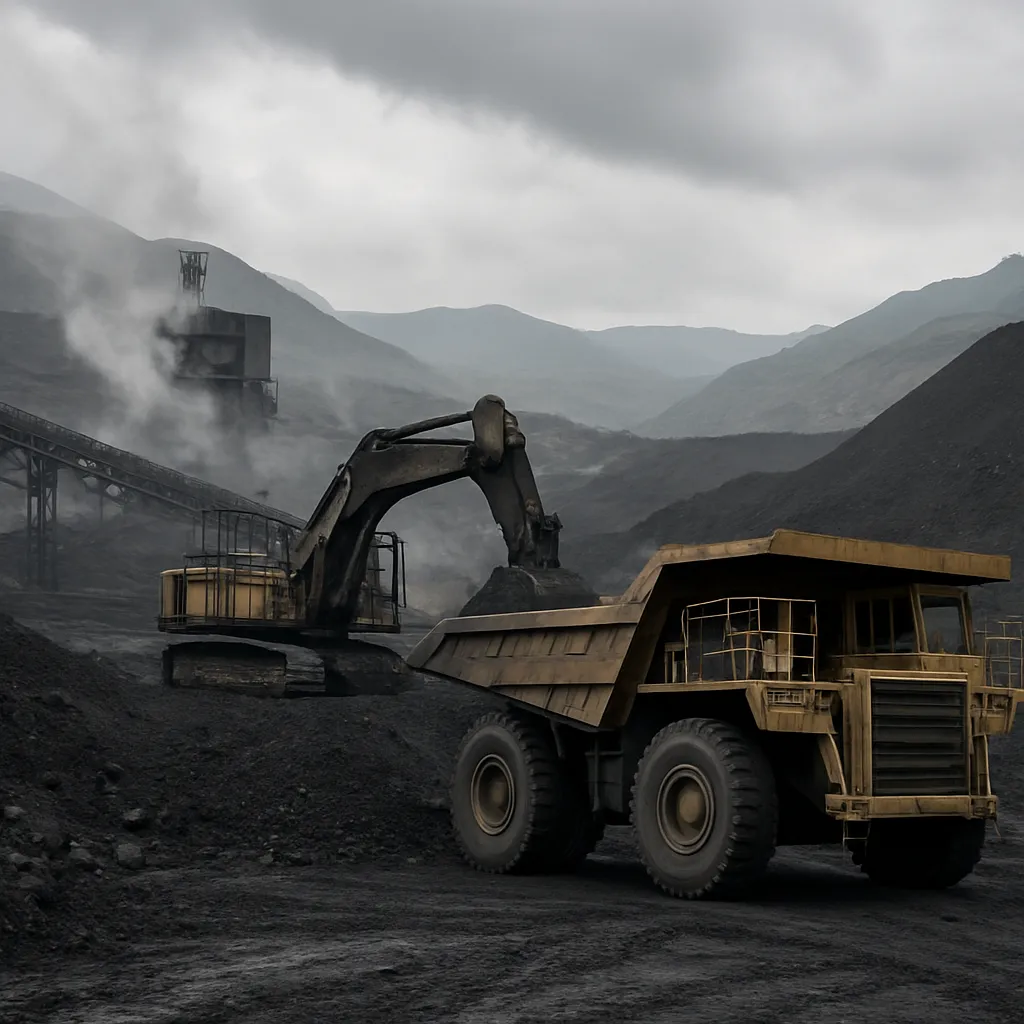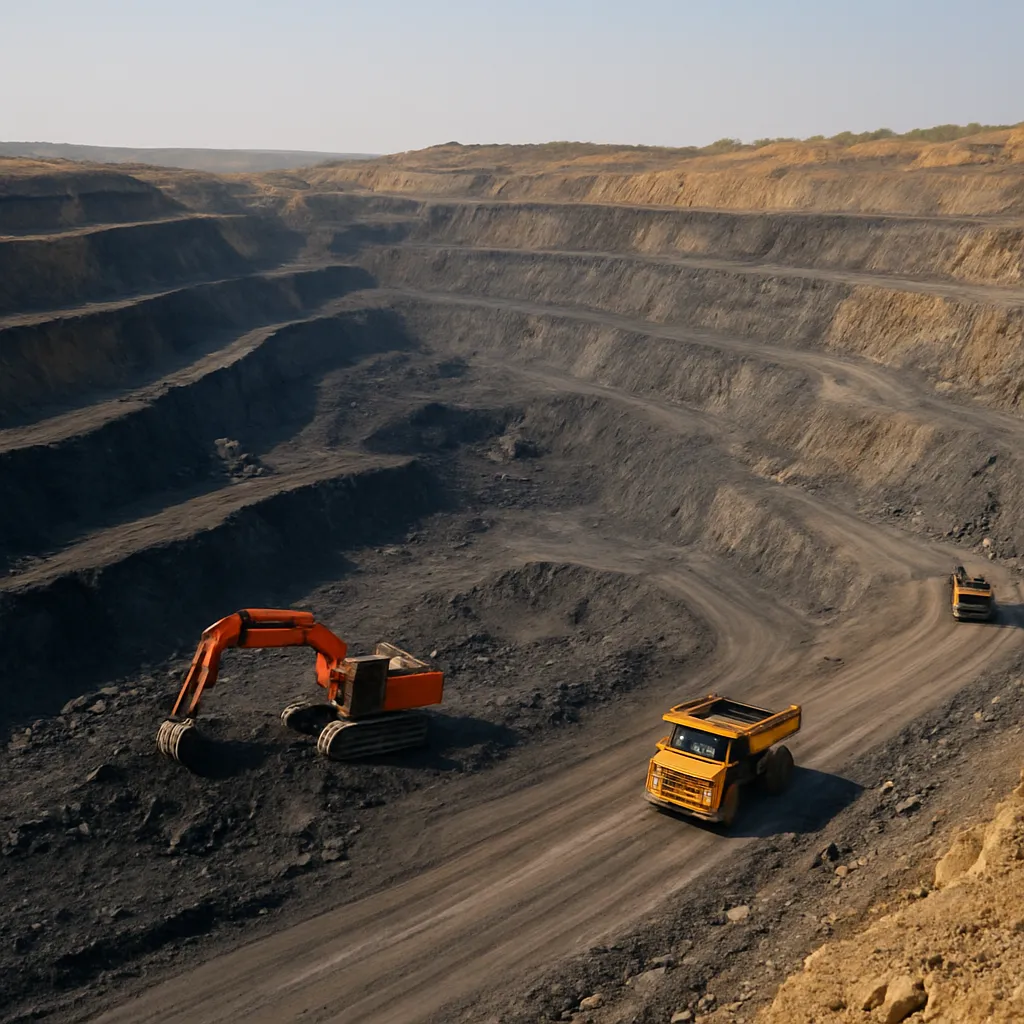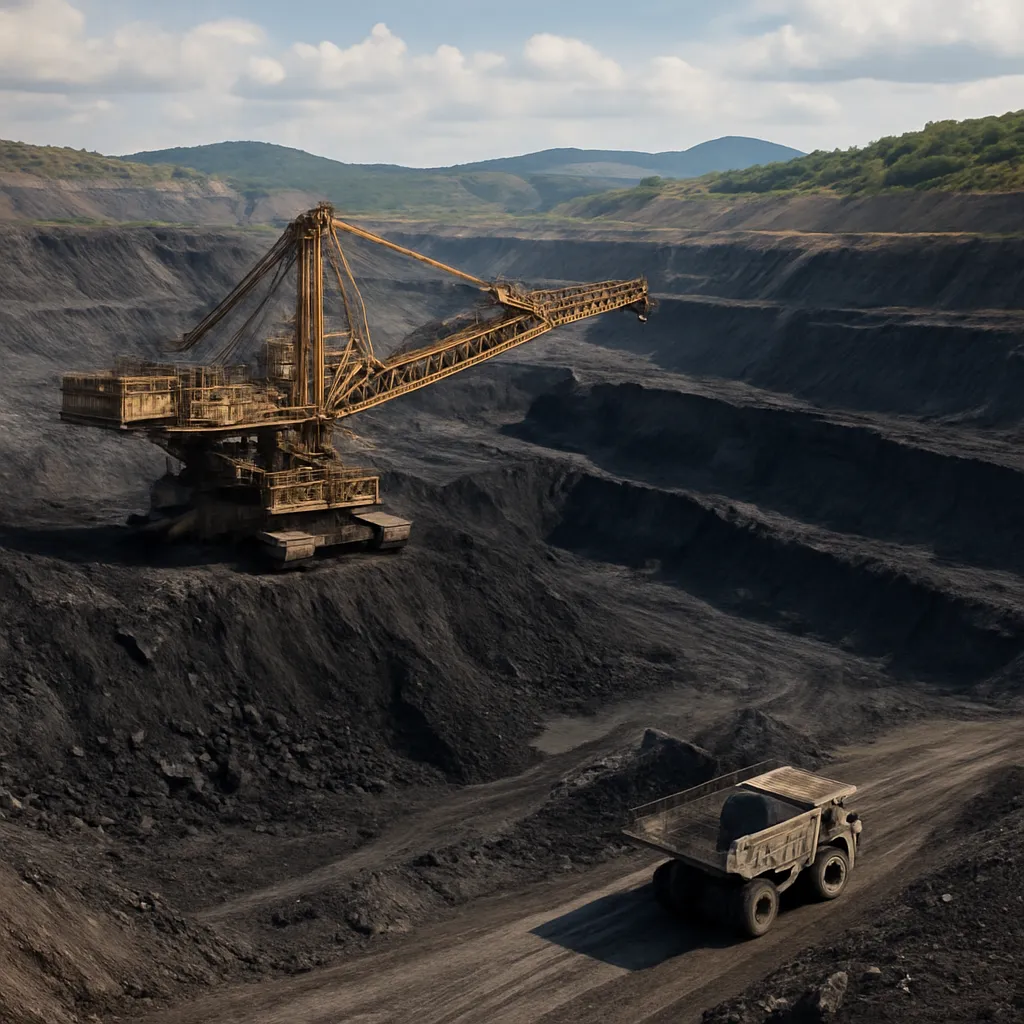
The Stanari coal mine, located in the northern part of Bosnia and Herzegovina, is an important example of modern lignite mining developed to supply a nearby thermal power plant and to support regional energy needs. This article summarizes where the mine is located, what is extracted, the type and quality of the coal, economic and statistical data where available, its role in industry and regional development, and relevant environmental and social aspects. The text highlights key facts and context to help readers understand the mine’s significance to Bosnia and Herzegovina’s energy landscape.
Location and geological setting
The Stanari coal mine is situated close to the village of Stanari and the town of Doboj in the entity of Republika Srpska, Bosnia and Herzegovina. The site lies in the north-central part of the country, within a landscape characterized by low hills and river valleys that are typical for the Pannonian-Balkan transition zone. Geologically, the deposit belongs to lignite-bearing basins that formed during the Neogene and Quaternary periods. The coal seams are near-surface and amenable to open-pit (surface) mining methods, which are the predominant extraction technique at Stanari.
What is mined: coal type and quality
At Stanari the primary mineral extracted is lignite, commonly known as brown coal. Lignite is a softer, younger form of coal compared to sub-bituminous and bituminous types. It typically has higher moisture content, lower fixed carbon, and a lower calorific value. These characteristics make lignite particularly suited for local thermal power generation where fuel transportation distances are short and the power plant is specifically designed for such fuel.
Typical properties of the Stanari lignite
- Calorific value: generally low to moderate for coal standards (typical lignite range).
- Moisture content: relatively high compared with harder coals; requires appropriate boiler design.
- Ash and sulfur: variable; modern combustion controls and emissions equipment are used to manage resulting pollutants.
- Seam geometry: near-surface seams that permit efficient open-pit extraction and direct conveyance to the adjacent power plant.
The mining and combustion systems at Stanari are designed to accommodate the specific quality profile of the lignite, including wet handling systems and boilers optimized for low-rank coal.
Economic and industrial significance
Stanari’s principal economic role derives from its function as the captive fuel source for the nearby Stanari Thermal Power Plant. The integration of mine and plant brings several economic advantages: secure fuel supply, reduced transportation costs, and predictable operational planning. The presence of the mine and power plant contributes to local employment, municipal revenues, and the broader industrial supply chain (maintenance, transport, services).
Power generation and energy security
The Stanari Thermal Power Plant has an installed capacity of approximately 300 MW, a scale that positions it as a significant electricity producer in the national grid. When operating at substantial load factors, a 300 MW lignite-fired plant can provide a notable share of domestic electricity generation, improving national energy security by reducing dependence on imports. The plant’s design and the dedicated supply from Stanari mine allow for predictable fuel logistics and steady power output patterns adapted to local demand and grid requirements.
Employment and regional development
Operationally, the mine directly employs a workforce for excavation, haulage, maintenance, and site management. Indirect employment is generated through contracts for equipment, logistics, and services. The combined mine-and-plant project has attracted private investment and provided local communities with infrastructure upgrades, business opportunities for suppliers, and increased municipal tax revenues. Such projects often also fund community programs, training, and local social initiatives, contributing to regional socio-economic development.
Production, reserves and statistics
Precise public figures for annual production and proven reserves can vary by source and over time as new exploration and mining takes place. Where available, figures for mine output are typically presented as tonnes of lignite excavated per year, and reserves are often expressed as geological and economically mineable quantities.
Typical statistical indicators to consider
- Annual lignite consumption: A lignite plant of around 300 MW typically consumes anywhere between 1.5 and 3 million tonnes of lignite per year, depending on coal calorific value and plant efficiency. Stanari’s mine is sized and operated to supply the plant’s annual needs reliably.
- Proven and probable reserves: The mine maintains reserves sufficient to support power production for several decades at current consumption rates. Reserve estimates for lignite basins of this type are commonly in the tens to low hundreds of millions of tonnes, depending on the extent of the deposit and economic parameters.
- Workforce: Employment levels including direct and indirect jobs can range from several hundred to over a thousand people when considering the mine and associated power plant operations, logistics, and service contractors.
- Electricity generation: For a 300 MW plant running at a typical capacity factor, annual electricity production could range from around 1.5 to 2.5 TWh, supporting local industry and household consumption.
Note: Where exact contemporary figures are needed (such as up-to-date reserve tonnages, recent annual production, or employment numbers), consulting company reports, national energy statistics, or regulator publications is recommended because these figures change with ongoing mining activity, exploration, and economic adjustments.
Industrial integration and logistical features
One of the distinguishing characteristics of the Stanari operation is the close physical and operational integration between mine and power plant. The short distance between extraction site and combustion facility reduces haul distances, lowers transport costs, and simplifies logistics. Materials handling systems such as conveyor belts and short-haul trucking are commonly used to supply the plant continuously.
Supply chain and market reach
While most of the lignite is used on-site for electricity generation, the presence of a modern plant allows for participation in regional electricity markets. Surplus power can be sold to the national grid and exported regionally depending on demand and market conditions. The integrated nature of the mine and plant also facilitates predictable scheduling for maintenance and coal quality management, improving operational reliability.
Environmental and social considerations
Coal mining and lignite combustion are associated with environmental impacts that local operators and regulators must manage. At Stanari, as with comparable projects, environmental management covers land disturbance, dust suppression, water management, ash disposal, and air emissions control.
Key environmental measures
- Land rehabilitation: Progressive reclamation of excavated areas, contouring, and revegetation are standard practices to reduce long-term landscape impacts.
- Dust and particulate control: Water spraying, covered conveyors, and dust suppression techniques are implemented to limit airborne dust from the mine and handling facilities.
- Water management: Systems to manage surface runoff, prevent contamination of local streams, and treat effluents are part of responsible site operation.
- Emissions control: The thermal power plant is designed and operated with emissions control measures that typically include particulate collectors and systems to reduce sulfur and nitrogen emissions to meet national and regional standards.
Despite mitigation, lignite-based power remains carbon-intensive. As international and European climate policies strengthen, projects like Stanari face increased pressure to reduce greenhouse gas emissions through efficiency improvements, operational optimization, or future technological solutions (e.g., carbon capture in the longer term).
Historical background and ownership
The Stanari mine and associated power project are part of a post-war wave of energy investments in Bosnia and Herzegovina that aimed to modernize the electricity sector and attract private capital. The construction of an integrated mine-plant complex followed a model pursued in several regional projects: secure domestic fuel supply paired with a centrally sited thermal plant.
Ownership and investment model
The mine and the thermal power plant were developed under private investment arrangements involving domestic and international financiers and contractors. The project’s financing and construction were organized to deliver an operational facility that meets modern technical and environmental standards and to create a long-term asset for electricity production and local economic development.
Challenges and future prospects
Stanari, like other lignite operations, must navigate several challenges and opportunities:
- Environmental regulation and climate policy: Tighter emissions standards, carbon pricing, and international climate commitments can increase operating costs and create incentives to reduce emissions intensity.
- Market dynamics: Electricity market prices, competition from renewables and gas-fired generation, and grid integration issues affect revenue streams and plant dispatch patterns.
- Technological adaptation: Investments in plant efficiency, improved combustion technology, and potential future adoption of carbon management measures could extend the facility’s lifetime and reduce its environmental footprint.
- Community relations: Maintaining positive relationships with local communities through employment, environmental stewardship, and community investment is essential for social license to operate.
While the global trend moves toward decarbonization, regional energy security needs and the presence of domestic fuel resources mean that lignite projects like Stanari may play a transitional role for years to come — provided they adapt to regulatory and market changes.
Interesting facts and broader context
- Integration model: The Stanari project is a clear example of the integrated mine-plus-plant model that reduces logistical complexity and aligns fuel supply with generation needs.
- Local value: Beyond electricity, the project supports local suppliers and services, contributing to a diversified local economy in areas that otherwise may have limited industrial activity.
- Energy policy interplay: The operation illuminates the tension between national energy independence goals and international climate commitments, a balance that many countries in the region must manage.
- Modernization: Compared with older Soviet-era plants found elsewhere in the region, newer integrated projects tend to have higher efficiency and better environmental control systems.
Summary
The Stanari coal mine and its associated thermal power plant represent an important energy asset in Bosnia and Herzegovina. Located near Doboj in Republika Srpska, the mine extracts lignite via open-pit methods to fuel a nearby 300 MW thermal power plant. The integrated operation supports energy security, local employment, and regional development while facing typical environmental and market challenges associated with lignite-based power production. Reserves and production are sized to supply the plant for many years, and the project illustrates the broader regional balancing act between economic development and environmental sustainability. Continued operational improvements and responses to changing policy frameworks will determine the long-term trajectory and role of Stanari in the country’s energy mix.