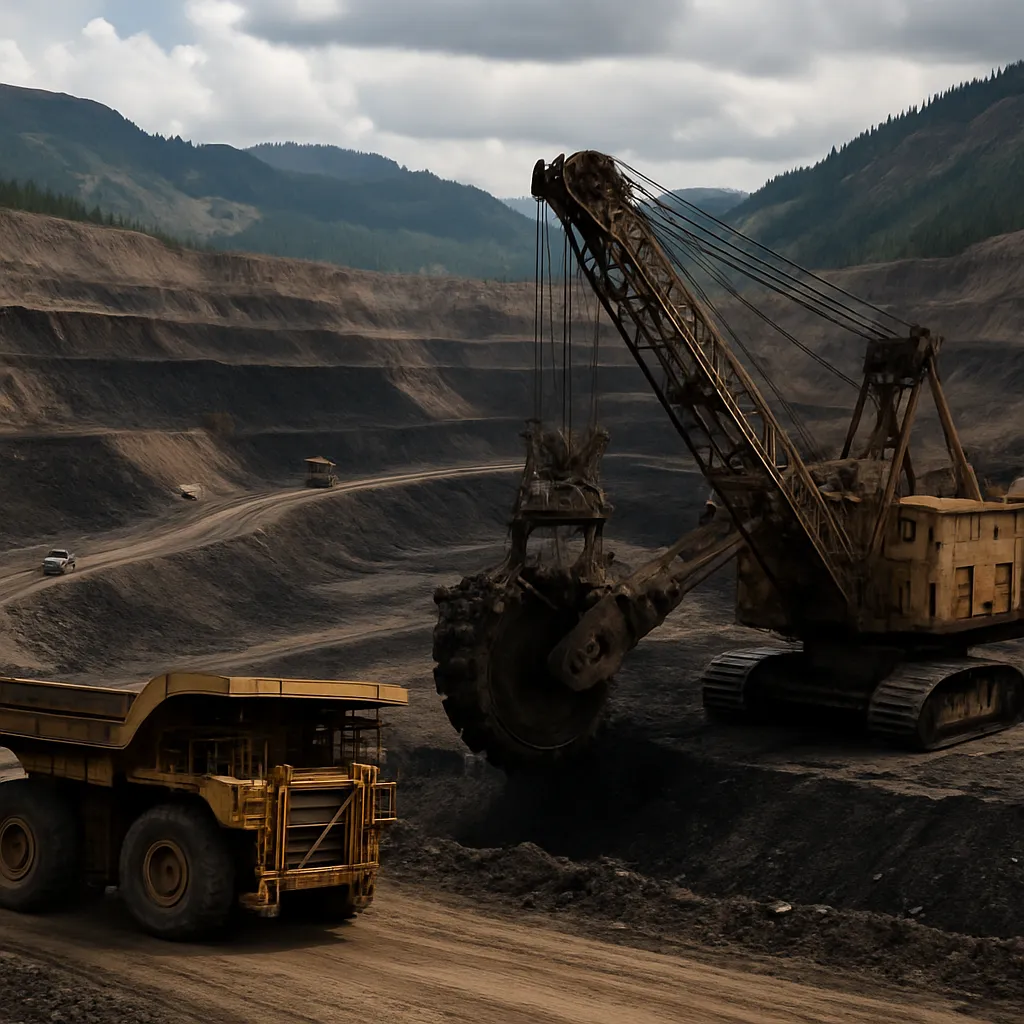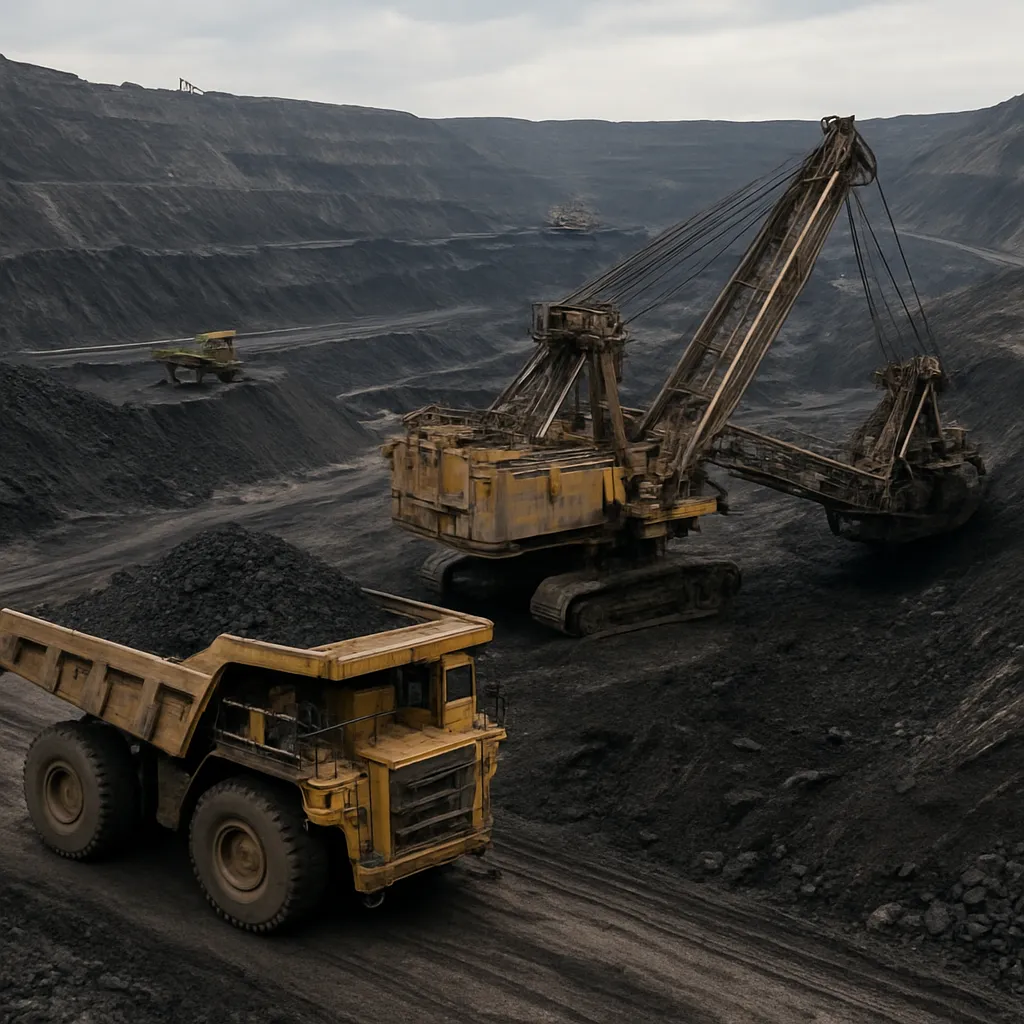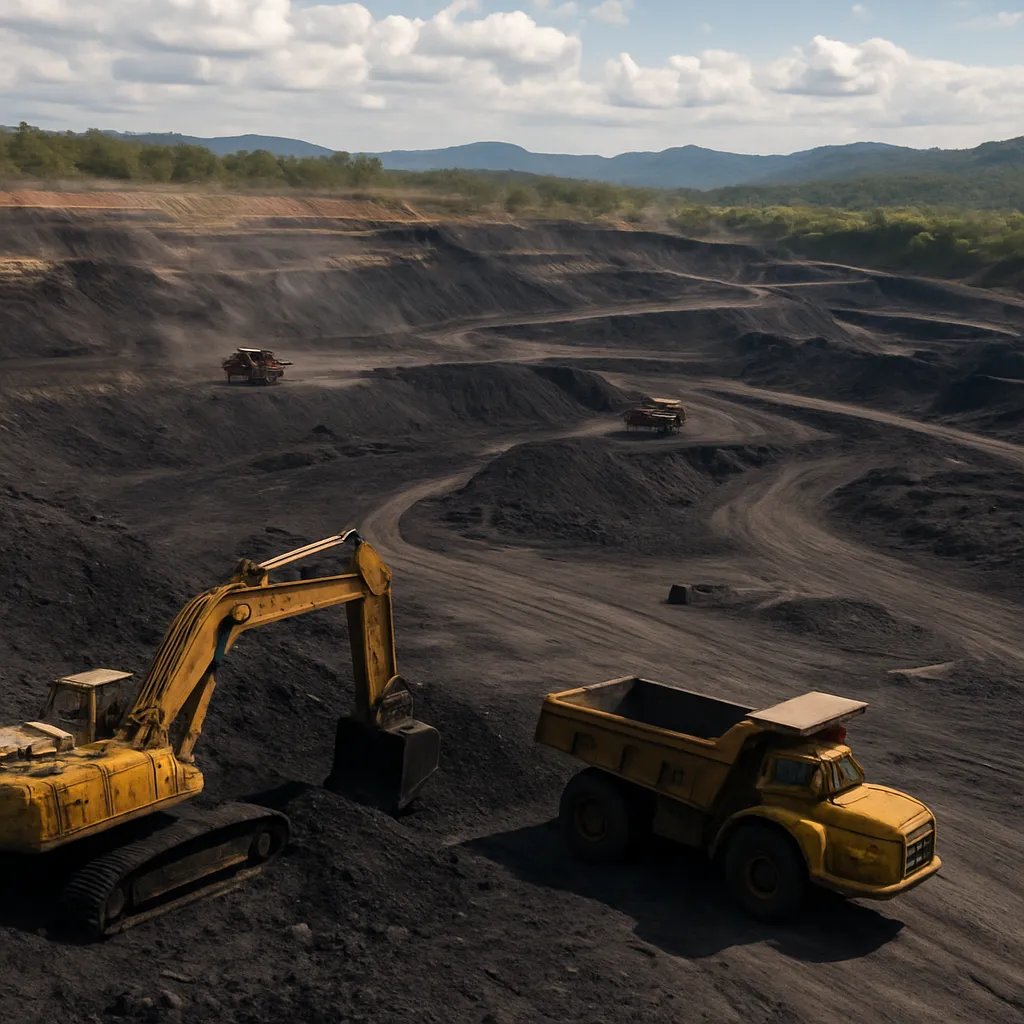
The Revuboe South site, located within Mozambique’s prolific coal-bearing region, is one of several important mining areas that have attracted international attention and investment over the past two decades. This article provides a broad overview of the site—its geological setting, the type and quality of coal present, the economic and industrial significance, logistics and infrastructure connected to its development, environmental and social considerations, and the outlook for the project and region. Where available, statistical and contextual figures are included as estimates or ranges to reflect the variability of published data and the evolving nature of mining projects in Mozambique.
Location and geological context
The Revuboe South deposit sits in the northwestern part of Mozambique’s Tete province, a region that contains the country’s largest and most commercially significant coal basins. Tete lies along the Zambezi Basin margin and hosts multiple contiguous coalfields, of which Revuboe (also written in some sources as Revuboè or Revuboe) is one. The geology of the area is characterized by sedimentary sequences of the Karoo Supergroup and associated fluvial-lacustrine depositional environments that favored the formation of thick coal seams during the Permian–Triassic periods.
Typical of the Tete coalfields, the stratigraphy at Revuboe South contains multiple coal seams of varying thickness, separated by mudstones, sandstones and occasional conglomeratic units. These seams are often laterally extensive and amenable to open-pit mining in many places, although seam depth and local structural variability can affect mine design. The coal-bearing sequences are part of a broader geological province that underpins Mozambique’s emergence as a significant coal exporter in the 21st century.
Coal type and quality
The coal from Revuboe South is predominantly used for combustion and power generation; in other words, it is primarily thermal coal. Quality characteristics reported from regional exploration (and typical of many Tete deposits) include:
- Calorific value generally in the range of approximately 3,500–6,000 kcal/kg on an as-received basis, with many seams clustering in the sub-bituminous to high-volatile bituminous range.
- Variable moisture and ash contents—moisture can be moderately high in some seams, while ash yields vary depending on parting bands and local sediment inputs.
- Sulfur levels that are often low to moderate, which is attractive for export markets sensitive to SOx emissions from coal combustion.
- Some benches or seams in the wider Tete province have demonstrated semi-soft coking or low-volatile characteristics, but Revuboe South is generally classified and marketed as thermal/exhaust coal rather than high-quality metallurgical coal.
Coal quality is a key determinant of marketability, transport economics and the need for pre-shipment washing or beneficiation. Depending on seam composition and beneficiation plans, Revuboe South coal can be targeted towards regional power plants or exported to Asian thermal coal consumers.
Economic and industrial significance
The development of Revuboe South must be viewed in the context of the regional coal boom that transformed parts of Tete province into one of sub-Saharan Africa’s major coal export hubs. The broader significance can be summarized in several areas:
- Export revenues: Coal exports from Tete have contributed substantially to Mozambique’s export earnings since the early 2010s. While the majority of export volumes historically have come from large projects such as Moatize (operated by Vale and others), smaller deposits like Revuboe South add to the aggregate export capacity and regional economic activity.
- Employment and local economies: Mine construction and operation create jobs directly in mining and indirectly in services, logistics and local supply chains. Local procurement, housing developments and community projects associated with mines can deliver economic benefits to surrounding districts.
- Industrial development: Availability of coal supports both domestic power generation plans and potential local industrialization (for example, cement or brick production), which can reduce reliance on fuel imports and underpin industrial clusters.
- Government revenue: Royalties, taxes and lease payments from coal projects are important fiscal contributors at municipal and national levels, although the exact fiscal contribution depends on production levels, pricing and contractual terms.
For Mozambique as a whole, the Tete coalfields have been described as holding several billion tonnes of coal resources. Estimates vary by source and by classification (measured, indicated, inferred), but it is generally accepted that the province represents the bulk of the country’s coal endowment. As such, Revuboe South is strategically important as part of a broader portfolio of deposits that can support export and domestic energy objectives.
Infrastructure and logistics
One of the most important aspects of coal development in Tete is the question of transport from mine to market. Bulk coal economics depend heavily on efficient logistics. Key infrastructure elements relevant to Revuboe South include:
- Railways: The Sena line to the port of Beira and the Nacala Corridor (linking inland mines to the deepwater Nacala port) are the principal rail options serving western Mozambique. The Nacala line, upgraded through public-private partnerships, has become particularly important for moving large volumes of coal. Investments in rail capacity, rolling stock and maintenance are crucial for consistent export performance.
- Ports: Beira and Nacala have been upgraded to handle coal exports, with Nacala often favored for larger bulk shipments due to its deeper draft and improved container/coal handling facilities. Port capacity limitations or outages can create bottlenecks and affect pricing.
- Roads and conveyors: For nearer-term or domestic supply, roads and conveyor belts provide access between pit and rail loading facilities. Surface mining techniques typically require heavy haulage fleets and well-engineered access roads.
- Power and water: Mines require reliable supplies of energy and water for processing and dust suppression. Proximity to potential hydropower or grid expansions can be an advantage.
Improvements to logistics corridors around Tete have been a recurring theme in public and private investment programs because they unlock multiple deposits’ potential simultaneously. Any project at Revuboe South will depend on the ability to secure long-term transport arrangements and competitive freight rates to be economically viable in export markets.
Statistics, production and reserves (overview)
Exact and up-to-date figures for Revuboe South specifically are not always publicly consolidated in a single authoritative source; many exploration and feasibility studies report different classifications (resources versus reserves) and different timeframes. However, the following broad statistical context is relevant:
- Tete province resources: The province is commonly cited as containing several billion tonnes of coal resources—estimates vary widely but often fall in the multi-billion-tonne range for total inferred and measured resources across all deposits.
- National production and exports: Mozambique’s coal exports grew rapidly in the 2010s, with annual exports peaking in some years in the range of roughly 15–25 million tonnes, depending on capacity and market conditions. Much of that volume was attributable to the large Moatize mine and associated operations; other deposits contribute marginally to the national totals.
- Revuboe South specific: Exploration results reported in project disclosures typically indicate significant in-situ tonnages at Revuboe South in the hundreds of millions to low billions of tonnes category when combining measured, indicated and inferred resources—however, the conversion to economically mineable reserves depends on feasibility work, strip ratios and market assumptions. Production profiles for a fully developed Revuboe South might range from several million tonnes per year (for a mid-sized open-pit operation) to higher outputs if linked to larger export corridors and economies of scale.
Because mining projects evolve—through further drilling, changes in commodity prices, and infrastructure development—resource and reserve numbers should be treated as dynamic. Feasibility studies and company technical reports (NI 43-101, JORC or equivalent) are the best sources for project-level certified statistics when they are publicly released.
Environmental and social aspects
Coal mining in Revuboe South, as with other Tete mines, creates both opportunities and challenges. Key issues that commonly arise include:
- Land use and displacement: Open-pit operations require significant land area and may necessitate relocation of communities or redistribution of land used for agriculture. Proper resettlement planning, fair compensation and livelihood restoration programs are essential to minimize social disruption.
- Water resources: Mining and coal processing consume water and can change surface-water and groundwater regimes. Managing water quality and availability (including controlling sedimentation and preventing contamination) is a major operational concern.
- Air quality and dust: Large-scale excavation, crushing and transportation generate dust; dust suppression and monitoring programs are standard mitigation measures.
- Biodiversity impacts: Habitat conversion—especially near riparian zones—requires careful environmental impact assessment and mitigation. Rehabilitation of mined areas is a legal and social expectation for sustainable mining practice.
- Climate considerations: As a carbon-intensive fuel, coal is under increasing scrutiny in international climate policy contexts. Projects face pressure to quantify and reduce greenhouse gas emissions, consider carbon pricing risks, and evaluate diversification into lower-carbon activities over time.
Many mining companies and governments emphasize corporate social responsibility (CSR) programs, community development agreements and environmental monitoring to manage these impacts. Nevertheless, conflicts and challenges persist, and robust stakeholder engagement is critical to the social license to operate.
Regional and global market dynamics
The viability of Revuboe South is not separate from global coal markets and regional electricity demand. Important dynamics include:
- Asian demand: Historically, the primary international market for Tete coal has been Asia—particularly India, China and Southeast Asian buyers. Market shifts in these countries, including air-quality regulations and moves toward renewables, affect long-term demand for thermal coal.
- Price volatility: Coal prices are influenced by global economic cycles, shipping costs, and competing suppliers (Australia, Indonesia, Russia, South Africa). Price volatility can materially affect project economics and investment decisions.
- Domestic energy plans: Mozambique’s own electrification and industrialization agendas create opportunities for domestic coal consumption, such as coal-to-power projects, which may be prioritized alongside or instead of pure export models.
- Financing and investor sentiment: International financing for coal projects has become more constrained in some markets due to environmental concerns and lender policies. This influences how projects at Revuboe South secure capital and insurance.
Future prospects and challenges
Revuboe South’s future depends on a mix of technical, economic and policy factors:
- Infrastructure development: Continued upgrades to rail and port capacity are crucial to unlock higher production scenarios. Regional corridor projects that improve throughput and reduce unit transport costs will benefit Revuboe South along with neighboring deposits.
- Market access and price environment: Competitive freight and stable demand from export markets will favor expansion; conversely, prolonged low-price environments may delay development or scale-down plans.
- Environmental regulation and social license: Strong environmental performance, transparent community engagement, and adequate compensation arrangements will be required to reduce project risk and secure long-term operations.
- Economic diversification: Opportunities exist to add value locally through coal washing, power generation or industrial feedstocks, though these require complementary investments and favorable policy frameworks.
- Energy transition pressures: Global decarbonization trends could reduce long-term export markets for thermal coal, prompting owners and governments to consider alternative economic pathways or to focus on near-to-medium-term cash flows while planning diversification.
Interesting facts and project highlights
Several notable points help contextualize Revuboe South within the broader Mozambican coal story:
- The Tete coalfields, including Revuboe South, are often described as having some of the largest contiguous coal resources in Africa—making the region geopolitically and economically important for coal supply.
- Integration of mining and logistics (rail + port) in Mozambique has been a major driver of foreign direct investment and cross-border cooperation—improvements that benefit multiple projects simultaneously.
- Local beneficiation—such as coal washing and potential downstream power projects—can increase margin capture within Mozambique but require significant capital and policy support.
- Revuboe South exemplifies a project where geology, infrastructure and market access must align to create a sustainable mining operation; it is representative of the opportunities and constraints facing many mid-sized deposits in the region.
Concluding overview
Revuboe South is a strategically located coal asset in Mozambique’s Tete province, with geology typical of large Karoo-era coal basins and coal qualities largely suited to thermal applications. Its ultimate contribution to Mozambique’s economy will depend on the interplay of resource definition, infrastructure access (notably railway and port capacity such as Nacala and Beira), prevailing global market conditions, and robust environmental and social management. While it adds to the aggregate reserves and export potential of the region, the project must navigate a complex landscape of market volatility, financing constraints and increasing scrutiny over carbon-intensive fuels. For policymakers, investors, and local stakeholders, the challenge is to maximize the socio-economic benefits while mitigating environmental and community impacts—ensuring that development of Revuboe South contributes positively to Mozambique’s long-term sustainable development goals.