The Rio Minjova Basin, situated within Mozambique’s broader coal-bearing regions, represents one of several geologic areas attracting attention from geologists, investors and policy makers interested in the country’s mineral potential. Although detailed public data specifically labeling “Rio Minjova” are limited compared with headline deposits such as Moatize in Tete Province, the basin can be discussed in the context of Mozambique’s coal geology, mining practice, economic significance and the wider logistical and environmental challenges that define coal extraction in the country. This article summarizes geological setting, the types of coal commonly found in Mozambican basins, operational characteristics of mining sites, economic and statistical context where available, and the broader implications for industry, communities and regional development.
Geological setting and location
Mozambique’s most significant coal occurrences lie within the Zambezi and Save basins and predominantly in the northwestern province of Mozambique’s Tete region. The Rio Minjova Basin is best understood as part of this broader ensemble of sedimentary coal-bearing basins. These basins formed primarily during the Karoo and younger Permian–Triassic periods, when extensive organic-rich sediments accumulated in fluvial and lacustrine environments and were later buried and thermally altered to form coal seams.
Typical basin geometry includes multiple seam horizons interbedded with sandstones, siltstones and shales. Coal seam thickness and lateral continuity vary greatly: some seams are relatively thin and discontinuous, while others constitute thick, economically attractive horizons. Structural features such as faulting and folding can both enhance and complicate mining prospects by creating local thickening or displacement of seams.
Coal types and quality
Across Mozambican basins, coal quality ranges from low-rank thermal coal (sub-bituminous to high-volatile bituminous) to higher-rank coals with properties suitable for metallurgical applications. The composition of the coals is controlled by the original plant material, peat-forming environment, depth of burial and subsequent heat and pressure.
- Thermal coal: Commonly envisaged for electricity generation and industrial heat, these coals typically have relatively low ash and variable calorific values. Mozambican thermal coals are attractive to regional power buyers in southern Africa.
- Metallurgical coal (coking/better-quality): Some deposits, most notably those around Moatize, contain higher-quality coals that can serve steelmaking processes once beneficiated. The presence of such coal increases the strategic value of a basin.
- Impurities such as ash, sulfur and moisture affect market value. Beneficiation plants and wash plants are often required to upgrade run-of-mine material to meet export specifications.
Mining operations, methods and infrastructure
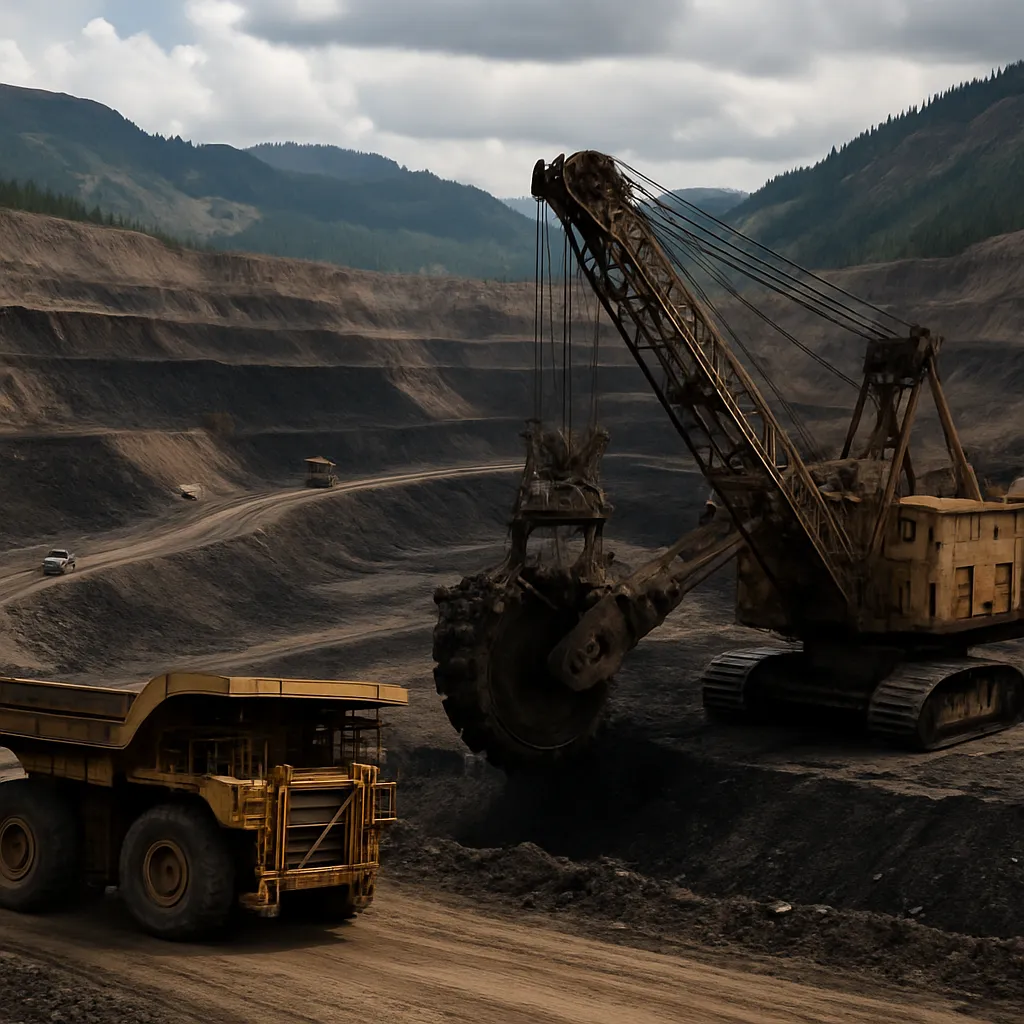
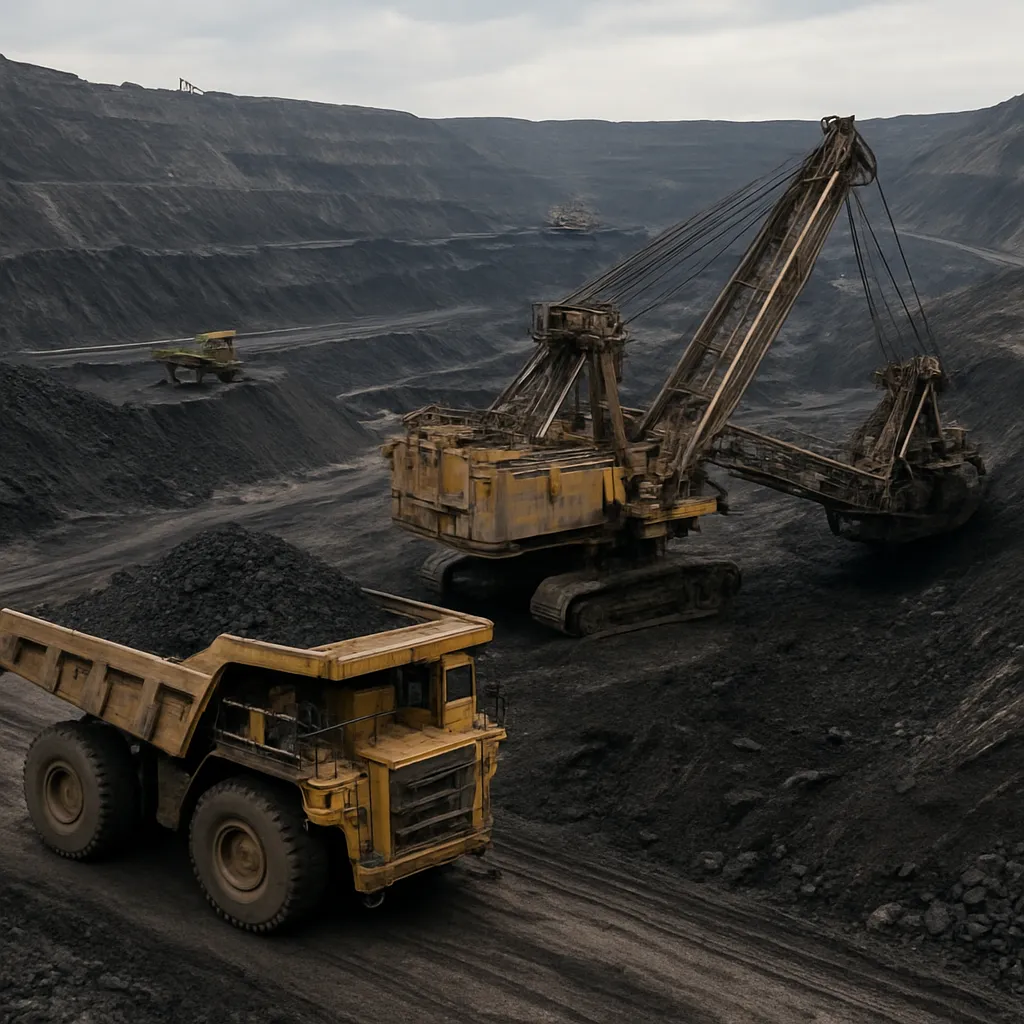
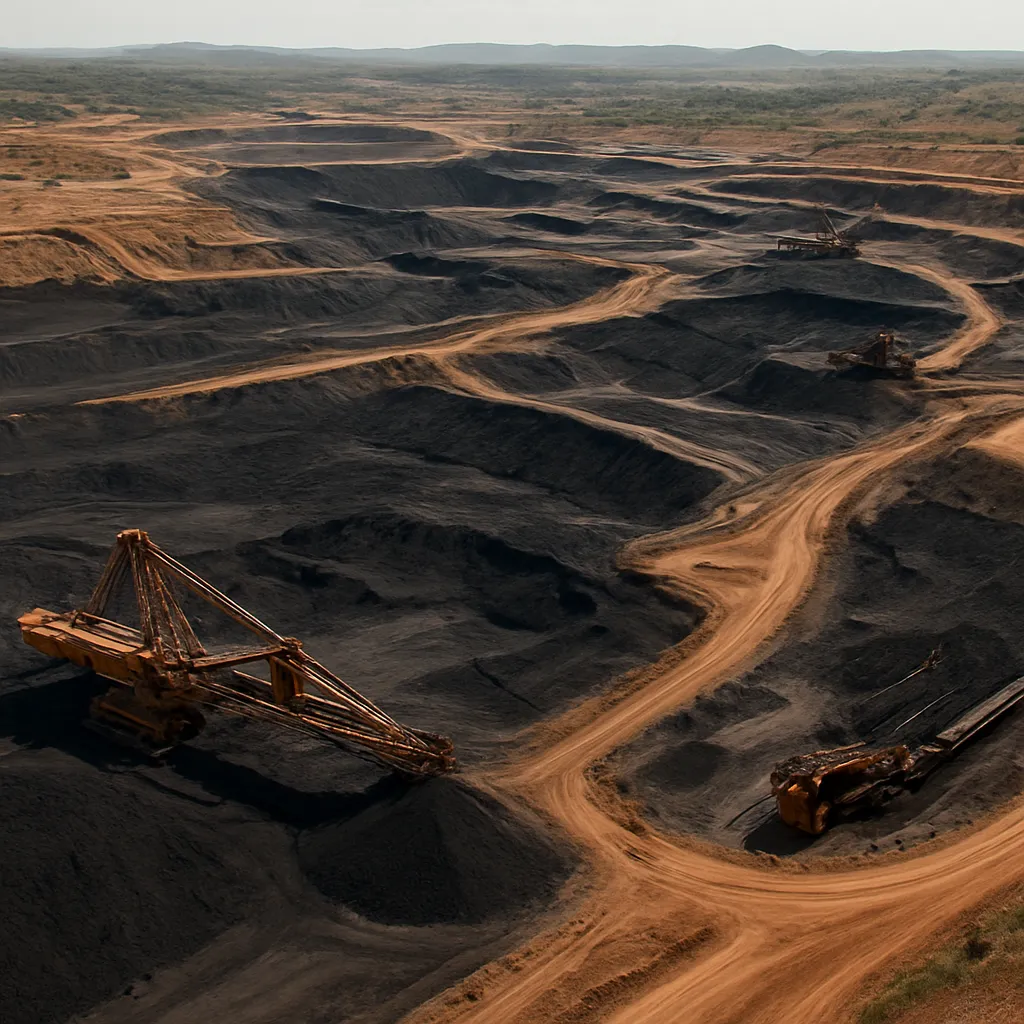
Mining within Mozambican coal basins employs a range of extraction methods depending on seam depth, thickness and geotechnical conditions. Surface (open-pit) mining is common where seams are shallow and laterally extensive; underground methods are applied to deeper or more structurally complex horizons.
- Open-pit operations typically use drilling, blasting, and large-scale loading and hauling fleets, followed by washing and stockpiling to meet customer specifications.
- Underground mining utilizes bord-and-pillar or longwall-style workings in the more continuous and structurally favourable seams.
- Processing plants (coal washery) separate impurities, with tailings management a critical environmental consideration.
Transport infrastructure is a defining element of economic viability. Mozambique’s coastline and port facilities are essential export gateways. Key logistical corridors developed for coal have included rehabilitation and construction of railways (for instance corridors connecting Tete to the ports at Beira and Nacala) and associated road links. Investments in dedicated export logistics — rail lines, belt conveyors, stockyards and port terminals — are often as capital intensive as the mines themselves.
Economic significance and investment
Coal mining has been one of the more visible examples of foreign direct investment and public-private infrastructure partnerships in Mozambique. The benefits of coal development include foreign exchange earnings from exports, job creation, infrastructure upgrades, and expanded local economic activity through procurement and services.
Major multinational mining companies and consortiums have been involved in the Mozambican coal sector, contributing capital, technical expertise and market access. Notably, the development of certain flagship projects spurred investments in rail and port modernization, which have spillover benefits for other sectors and for inland connectivity.
However, the scale and distribution of benefits are uneven. While mining can contribute significantly to provincial revenues and local employment, many economic effects are sensitive to commodity price cycles, global demand for coal, and contract terms governing royalties, taxes and community development obligations.
Statistical context and market data
Comprehensive, deposit-specific statistics for lesser-known basins such as Rio Minjova are not always published in the open literature; much data resides with mining companies, government geological surveys or in proprietary studies. Nonetheless, a few broader statistical observations help place the basin in context:
- Mozambique hosts some of the largest coal resources in Africa, with the most significant reserves located in Tete Province (including Moatize and adjacent deposits).
- Coal types in the country serve both domestic needs (power generation and industry) and export markets (regional power clients and international metallurgical coal buyers where higher-quality material is available).
- Production volumes have historically been driven by a combination of global prices, infrastructure capacity and operational stability; disruptions to rail or port corridors tend to constrain shipped tonnages more than mining output itself.
Where specific numeric statistics are required — production volumes per year, proven and probable reserves for Rio Minjova, employment figures, or revenue contributions to local budgets — these are best sourced from official government mineral inventories, company annual reports, or independent resource assessment studies. Publicly available national-level statistics (from ministries or international agencies) can provide aggregate production and export figures for Mozambique’s coal sector.
Role in the industry and regional trade
Even smaller basins play roles in regional coal dynamics by providing feedstock for local power plants, supplying coal to nearby industries (cement, sugar, brickworks), or supplementing exports during periods when flagship mines adjust output. Strategic corridors that move coal from inland basins to coastal ports are shared assets that benefit multiple mining operations when well managed.
Mozambique’s coal exports historically flowed to markets in Asia and southern Africa. The ability to compete internationally depends on several factors:
- Quality and consistency of coal product after washing and blending.
- Reliability and cost of logistics — rail tariffs, port handling fees and shipping availability.
- Price differentials between thermal coal and metallurgical coal, and the mix of buyers (power producers, industrial consumers, steel mills).
Environmental and social considerations
Coal mining, by its nature, carries significant environmental footprints. Key concerns in Mozambican basins include water use and contamination, dust and air emissions, landscape alteration and biodiversity impacts. Managing these requires robust environmental impact assessments (EIAs), implementation of mitigation measures, and ongoing monitoring.
- Water: Mines need water for processing; management of effluents and protection of downstream water users is critical in semi-arid regions and during dry seasons.
- Land: Open pits and waste rock dumps permanently change landforms; progressive rehabilitation and post-mining land use planning are essential.
- Communities: Mining brings jobs but also social change. Effective consultation, fair compensation for land, resettlement policies, and community development programs determine whether local populations derive net benefits.
Recent practice in leading projects has emphasized community engagement, local employment quotas, procurement from local companies, and investment in social infrastructure (schools, clinics, roads). Nevertheless, tensions can arise over expectations, distribution of benefits, and environmental impacts.
Challenges and constraints
Several recurring constraints shape the development of coal basins in Mozambique and the prospects for Rio Minjova-type areas:
- Infrastructure bottlenecks: Lack of reliable rail and port capacity limits export potential even when mines are operational.
- Market volatility: Coal prices are cyclical and sensitive to macroeconomic shifts as well as climate policy trends that affect demand for fossil fuels.
- Regulatory and governance frameworks: Transparent licensing, clear fiscal regimes, and consistent permitting processes are crucial to attract responsible long-term investment.
- Environmental and social governance (ESG) pressures: International lenders and buyers increasingly demand high environmental and social standards, affecting project financing and market access.
Opportunities and future prospects
Opportunities for the Rio Minjova Basin and similar localities include:
- Beneficiation and value addition: Building or improving coal washing facilities to produce higher-grade products that command better prices.
- Regional power development: Supplying reliable coal to domestic or regional power plants as part of diversified energy strategies.
- Integrated logistics: Participating in multi-user corridor projects (rail and port) that reduce unit transport costs and create economies of scale.
- Responsible mining practices: Differentiating projects by adopting strong environmental safeguards, community benefit sharing and transparent reporting to attract strategic partners and financiers.
Longer term, the global transition to lower-carbon energy introduces uncertainty for coal-centric investments. However, metallurgical coal for steelmaking and certain industrial uses may sustain demand even as thermal coal markets evolve. Projects that can adapt — for instance by shifting to higher-value coal products, diversifying into non-coal minerals, or engaging in reclamation and alternative land uses — will be more resilient.
Case examples and comparative perspective
Comparing Rio Minjova-scale basins with prominent Mozambican deposits provides perspective. Large operations such as Moatize demonstrate the scale of investment required to develop export-oriented coal mining: significant capital for pit development, mobile equipment, wash plants, and long-distance logistics. Smaller basins often focus on domestic supply or regional trade, with lower initial capital outlay but also lower potential export revenue.
From an investor’s standpoint, the attractiveness of any basin depends on geology (resource quality and quantity), ease of access, proximity to existing infrastructure, and clarity of permitting and fiscal terms. For governments, balancing revenue generation with environmental protection and social outcomes is a continuous governance challenge.
Conclusions and outlook
The Rio Minjova Basin, when viewed within the context of Mozambique’s coal landscape, exemplifies the interplay of geology, economics and infrastructure that defines mineral development in the region. While detailed public statistics specific to Rio Minjova may be limited, the basin’s prospects will be shaped by coal quality, logistical links to ports, regulatory frameworks, and evolving market demand for both thermal and metallurgical coal.
Key factors for successful, responsible development include ensuring robust environmental management, investing in multi-user transport corridors, maximizing local socioeconomic benefits, and maintaining flexibility to adapt to changing global energy dynamics. With prudent planning and transparent governance, coal basins in Mozambique can contribute to provincial development while managing the environmental and social risks inherent to mining activities.