The Rampa Norte Coal Mine is one of the many mining sites located in Colombia’s rich northern coal belt. This article examines its geographic setting, what is extracted, the type and quality of coal produced, economic and statistical aspects, logistical links to ports and markets, environmental and social considerations, and the mine’s broader significance to the Colombian and global coal industries. The content below synthesizes commonly reported characteristics of Colombian coal projects and contextualizes Rampa Norte within regional mining dynamics and trends.
Location and Geological Setting
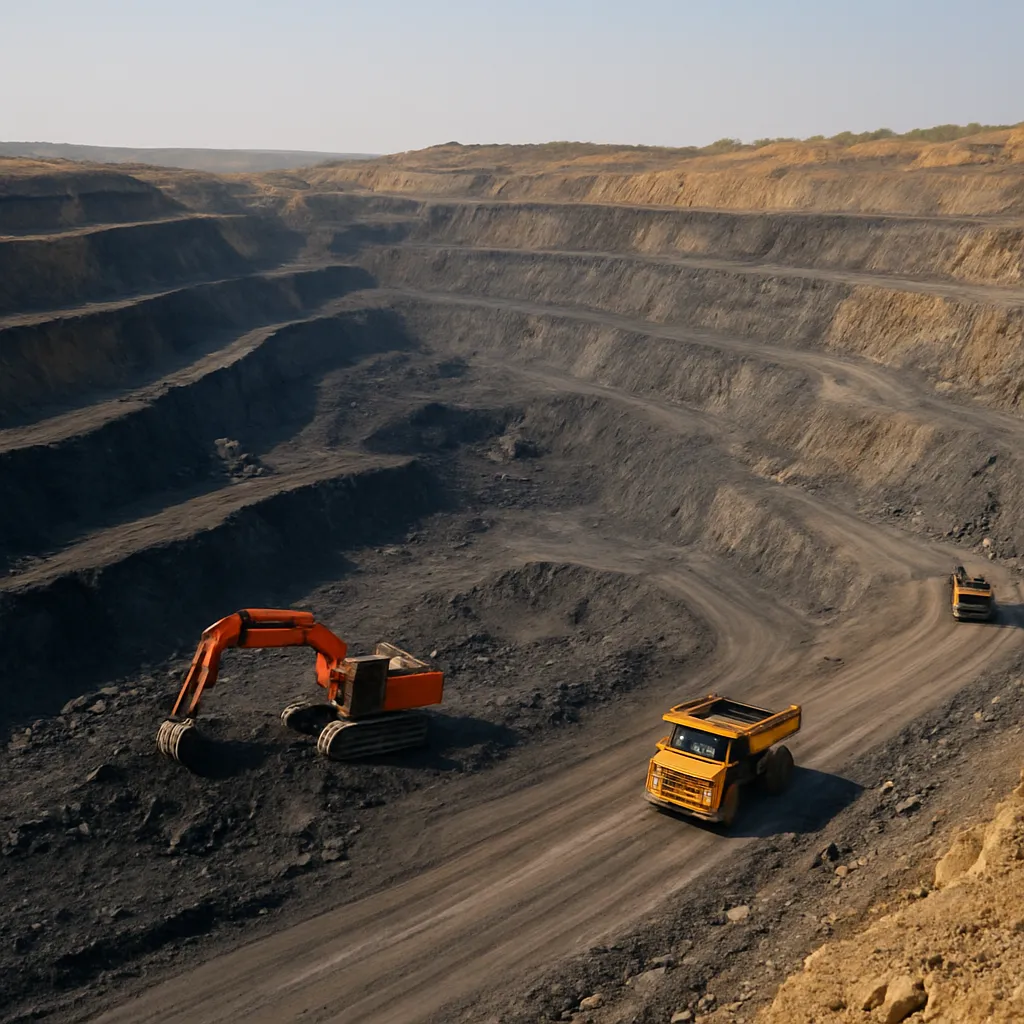
Geographic position: Rampa Norte is situated in northern Colombia, in the broader coal-producing region that spans the departments of La Guajira and Cesar. This region forms part of the Cesar-Ranchería and Guajira sedimentary basins, which host most of the country’s large open-pit coal deposits. The mine’s name, Rampa Norte, suggests a northern ramp or access zone within an open-pit complex, often used to refer to mine ramps that service benches and haul roads.
Geology and coal formation: The coalbeds in northern Colombia were formed in fluvio-deltaic to lagoonal settings during the Paleogene and Neogene periods, producing seams of varying thickness and lateral continuity. These basins typically contain coal of medium to high calorific value, with seams that can be several meters thick in commercial areas. The geological structure often requires large-scale open-pit mining, with staged excavation, overburden removal, and the construction of haul ramps to access successive benches.
What Is Extracted and Coal Quality
Type of material: Rampa Norte primarily produces thermal coal, which is used mainly for electricity generation rather than metallurgical (coking) purposes. Colombian thermal coals are generally prized for relatively low sulfur content and moderate to high energy content compared to some competing sources. In some coalfields there is also a mix of bituminous and sub-bituminous coal; Rampa Norte’s product mix typically falls within that spectrum.
Quality attributes:
- Calorific value: Colombian thermal coals commonly exhibit calorific values in a mid to high range (frequently cited as above 5,000 kcal/kg on an as-received basis for many northern deposits). Exact values can vary by seam and washing processes.
- Low sulfur and low to moderate ash content: These attributes make coal from the region competitive for power stations seeking to minimize flue gas desulfurization costs and ash handling complexities.
- Washing and beneficiation: At many northern Colombian sites, including ramp-style operations, raw run-of-mine coal is often beneficiated to improve ash and sulfur levels before export, which increases market value and broadens possible export destinations.
Operations, Mining Methods and Infrastructure
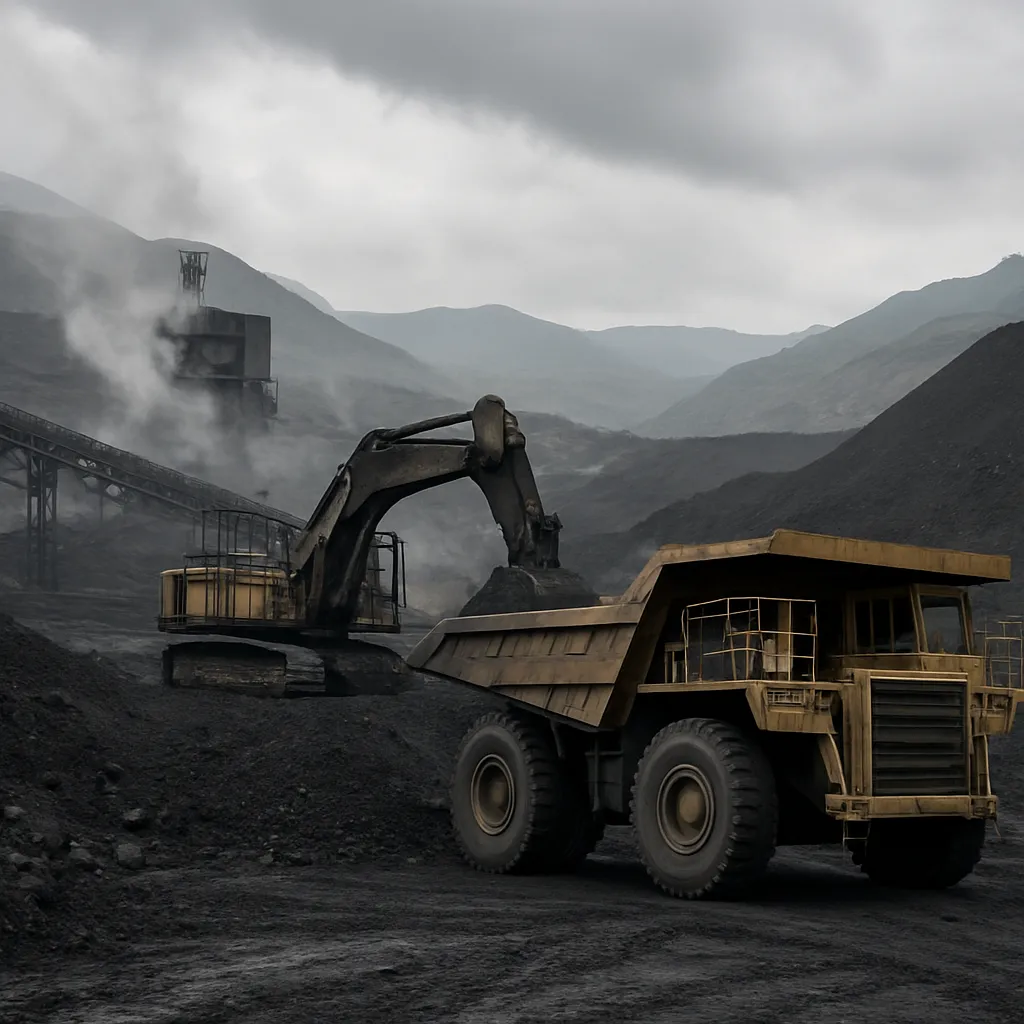
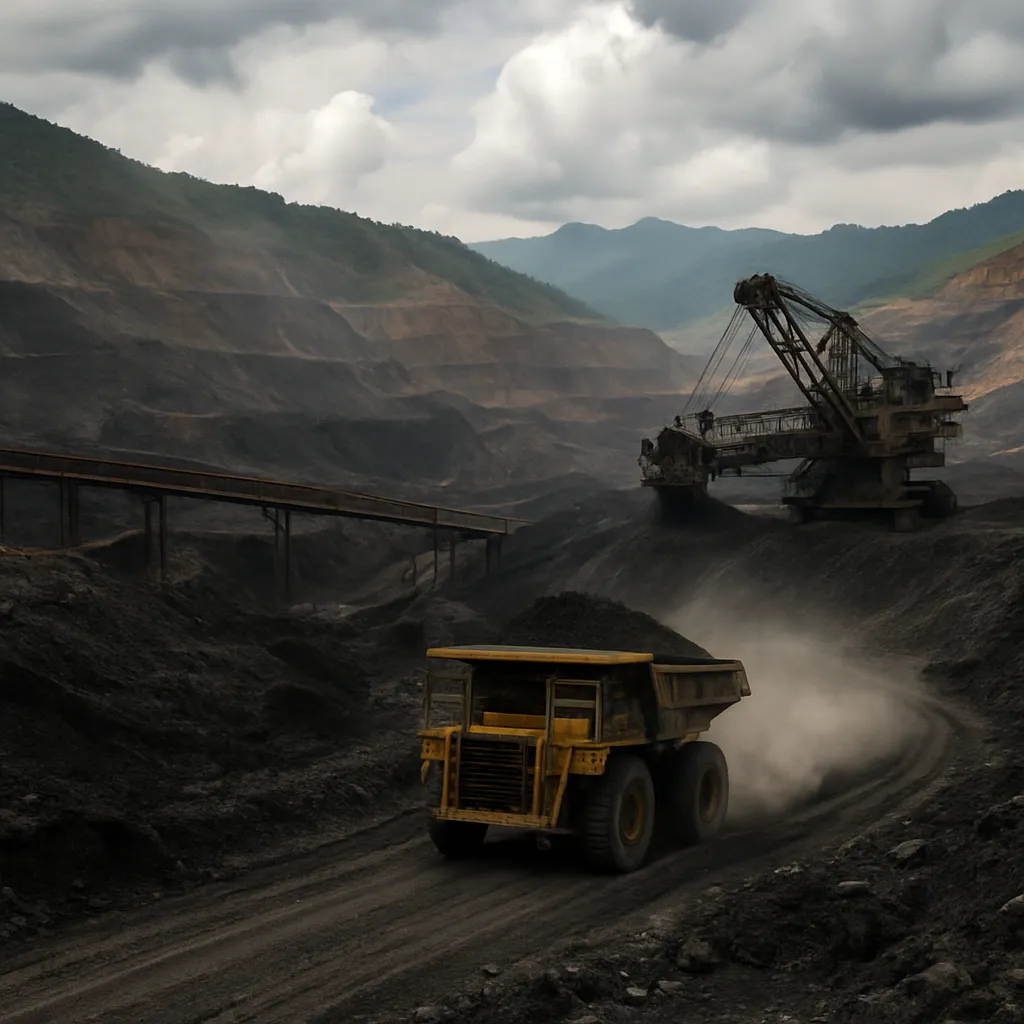
Mining method: Rampa Norte is typically operated as an open-pit mine, using large draglines, shovels, and haul trucks or conveyor systems depending on the operator’s logistics. The “ramp” in the mine’s name indicates integrated access roads and benches providing continuous haulage of coal from active faces to processing or loading facilities.
Processing and handling: After extraction, coal may be crushed, screened, and washed in coal preparation plants to meet export specifications. Infrastructure commonly includes stockyards, heavy equipment maintenance facilities, fuel storage, and on-site water-management systems to control runoff and support processing.
Transport logistics:
- Rail and road haulage: Mines in the north often rely on rail corridors or heavy haul roads to move coal to coastal export terminals.
- Conveyor systems and ramps: Some operations use long conveyors or ramped haulage to transfer coal to processing and load-out points.
- Ports: Export coal from northern Colombia typically moves to Atlantic ports such as Puerto Bolivar (La Guajira), Puerto Nuevo, or other bulk terminals equipped with shiploaders. From there coal is shipped to major markets in Europe, North America, and increasingly Asia.
Economic Importance and Market Role
Contribution to national exports: Coal is among Colombia’s top export commodities by volume and value. The country is historically one of the world’s leading exporters of thermal coal. Mines like Rampa Norte contribute to the foreign exchange earnings of Colombia, regional employment, and municipal revenues via royalties and taxes.
Employment and local economy: A mine the size implied by the Rampa Norte name (open-pit with ramp infrastructure) would directly employ hundreds to a few thousand workers during peak operations, with additional indirect employment generated through contractors, logistics providers, and service companies. Local economies often experience a rapid influx of commercial activity around such sites—housing, retail, transportation, and public services expand to meet demand.
Fiscal benefits:
- Royalties and taxes: Mining contributes to provincial and national budgets through royalties, corporate taxes, and payroll-related payments. These revenues fund infrastructure and social programs if effectively collected and distributed.
- Investment and foreign capital: Coal projects attract foreign direct investment and partnerships, financing heavy equipment, port improvements, and beneficiation plants.
Statistical Context and Industry Data
National and regional figures: Exact production numbers for Rampa Norte depend on company disclosures and reporting periods. In the broader picture, Colombia’s coal production over the past decade has been measured in tens of millions of tonnes per year. Coal exports traditionally represent a significant percentage of the country’s mineral exports and are shipped to destinations across Europe, North America, and Asia.
Production scale: Open-pit mines in the northern basins range from small operations producing less than 1 million tonnes annually to large complexes producing tens of millions of tonnes. A site designated as a “ramp” mine will often form part of a larger mining complex or cluster; therefore, output may be integrated into broader company totals rather than listed separately.
Market destinations: Colombian thermal coal historically found buyers in:
- Europe (power plants in Spain, the Netherlands, Turkey and others)
- North America (certain periods of demand)
- Latin America and the Caribbean
- Asia (where demand has fluctuated but remains an important outlet for higher-quality thermal coal)
Environmental, Social and Governance (ESG) Considerations
Land use and restoration: As an open-pit operation, Rampa Norte requires substantial land clearing and overburden displacement. Best-practice operations include progressive rehabilitation—backfilling, recontouring, and revegetation—to reduce long-term landscape impacts. Mine closure planning and financial assurances are critical governance elements to ensure post-mining land usability.
Water and air quality: Coal mining affects water tables, surface runoff, and dust generation. Modern operations deploy sedimentation ponds, water treatment, dust suppression (sprays and covers), and continuous monitoring to comply with environmental standards. Controlling airborne particulates and runoff is essential to protect nearby agricultural activities and communities.
Community relations: Social license to operate is a major factor. Mines frequently invest in local infrastructure (roads, schools, clinics), employment training, and supplier development programs to secure community acceptance. Conversely, poorly managed projects may face protests, legal actions, and reputational damage.
Regulatory framework: Colombia’s environmental regulations and mining laws require environmental impact assessments, social baseline studies, and ongoing compliance reporting. International investors and lenders often impose additional ESG standards tied to finance and export credit support.
Significance in the Industry and Strategic Challenges
Regional strategic role: Mines like Rampa Norte play a key role in keeping Colombian coal competitive internationally by providing relatively high-quality thermal coal with low sulfur content. They also anchor investment in port and rail infrastructures that benefit the entire coal sector.
Global market pressures:
- Decarbonization trends: Long-term global pressure to reduce coal-fired power generation affects demand projections, especially from OECD markets. This has pushed many coal producers to diversify, improve efficiency, and pursue reclamation and community transition programs.
- Price volatility: Thermal coal prices fluctuate with global demand, regional inventories, and competition from gas and renewables. Mines must manage operating costs and maintain flexible export strategies.
- Competition: Colombian coal competes with coal from Australia, the United States, Russia, South Africa, and Indonesia. Logistics costs and shipping distances influence market access and margins.
Operational Challenges and Opportunities
Challenges:
- Infrastructure gaps: Adequate rail and port capacity are essential. Bottlenecks increase costs and reduce competitiveness.
- Community and environmental conflicts: Local grievances over land rights, water impacts, and perceived inequitable benefit-sharing can disrupt operations.
- Regulatory uncertainty: Changes in mining codes or royalty regimes can affect project economics.
Opportunities:
- Value-added processing: Improving coal quality via washing plants increases market options and price realization.
- Diversification: Adjacent investments in logistics, power generation, and reclamation services can stabilize revenues.
- Technological adoption: Automation, remote sensing, and improved fleet management reduce operational costs and environmental footprint.
Interesting Facts and Broader Context
Coal in Colombia’s energy mix: While Colombia has abundant hydropower and growing renewables, coal remains important as an export commodity. Mines in the north also support local energy needs, though most production is export-oriented.
Local economic multipliers: For communities near large open-pit mines, the multipliers include construction activity, transport services, hospitality, and agricultural supply chains adapted to serve mining workers and contractors.
Technological trends: Modern coal operations increasingly incorporate digital mapping, drone-based surveying, and advanced haul-road design to reduce fuel use and improve safety. Progressive rehabilitation techniques use native species and landscape engineering to restore biodiversity value post-mining.
Sample Operational Indicators (illustrative)
While precise figures for Rampa Norte should be obtained from company reports or government databases, illustrative indicators for a medium-to-large northern Colombian open-pit coal project might include:
- Annual production capacity range: 1–10+ million tonnes (varies by project scale and integration with larger complexes)
- Workforce: several hundred to a few thousand direct employees
- Typical strip ratios: variable, often from 2:1 up to 10:1 (overburden:coal) depending on seam depth
- Export mix: majority thermal coal to international bulk traders and power utilities
Outlook and Future Considerations
Short- to medium-term outlook: The viability of sites like Rampa Norte will depend on global thermal coal demand, logistics efficiency, production costs, and the strength of coal prices. In the near term, demand from non-OECD countries and power systems with limited gas or hydro capacity can sustain exports. Mines that reduce costs and meet stringent quality and environmental standards will be better positioned.
Long-term perspective: The global energy transition creates uncertainty for thermal coal producers. Adaptation strategies for mines include diversifying into other mineral commodities, pivoting toward reclamation and land-restoration services, investing in carbon management technologies, or reconfiguring logistics to serve alternative bulk commodities.
Rampa Norte reflects many characteristics of northern Colombian coal operations: it leverages regional geology to produce relatively high-quality thermal coal, relies on integrated infrastructure for export, and plays a part in local and national economic networks. At the same time, it faces modern pressures around environmental compliance, market volatility, and the broader shift away from coal in many consuming countries. Stakeholders—operators, communities, regulators, and financiers—will need to balance immediate economic benefits with long-term sustainability and resilience.
Data and reporting: For precise, up-to-date statistics on Rampa Norte (annual production, reserves, employment, and environmental performance), consult official company disclosures, Colombia’s National Mining Agency, and export-trade databases. These sources provide the authoritative figures necessary for investment analysis, policy planning, and community oversight.