The Oaky Creek Mine is one of the coal operations located in Australia’s prolific Bowen Basin. This article provides a comprehensive overview of the mine’s location, geology, operations, product quality, economic and social significance, logistics, environmental management and future prospects. The narrative draws on industry context and widely recognised patterns for Bowen Basin mines to explain how Oaky Creek fits into the regional and global coal industry. The article is intended for readers seeking a detailed, practical and contextual understanding of the mine and its role in Australia’s mining sector.
Location and geological setting
The Oaky Creek Mine is situated within the Bowen Basin, a major Australian sedimentary basin that hosts a large share of the country’s high-quality coal reserves. The Bowen Basin extends across central and eastern Queensland and is renowned for both thermal and metallurgical coal deposits. Oaky Creek exploits coal seams that formed in Permian-age sedimentary sequences, where peat and plant material were buried, compressed and subsequently altered into several coal seams with distinct properties.
The mine’s geology typically features multi-seam systems with variable seam thickness, interbedded sandstone and siltstone, and occasional partings. Coal from the Oaky Creek area is generally extracted from relatively shallow to moderate depths using surface mining methods, although seam geometry and local overburden conditions influence the chosen approach. The basin’s structural setting—broad, gently dipping strata with local faulting—permits efficient open-cut operations in many areas, while preserving deeper or more structurally complex seams for selective underground approaches where warranted.
Product type and market role
Oaky Creek produces coal that is principally used in steelmaking and thermal power generation, but its primary strategic value is often associated with higher-quality products for metallurgical applications. The coal types commonly associated with mines in this part of the Bowen Basin include coking coal (used in blast furnaces), PCI (pulverised coal injection) and higher-grade hard coking or semi-soft coking coals. These coals command premium prices relative to lower-grade thermal coals due to their crucial role in the steel industry.
When processed through wash plants and blending systems, Oaky Creek’s coal can be prepared to meet precise specifications for volatile matter, ash yield, sulphur content and calorific value. Meeting these specifications is vital for export customers and domestic steel producers who require consistent feedstock properties to optimise furnace performance and reduce emissions. As such, Oaky Creek contributes to Australia’s reputation for supplying reliable, high-quality metallurgical coal to international markets.
Operations and mining methods
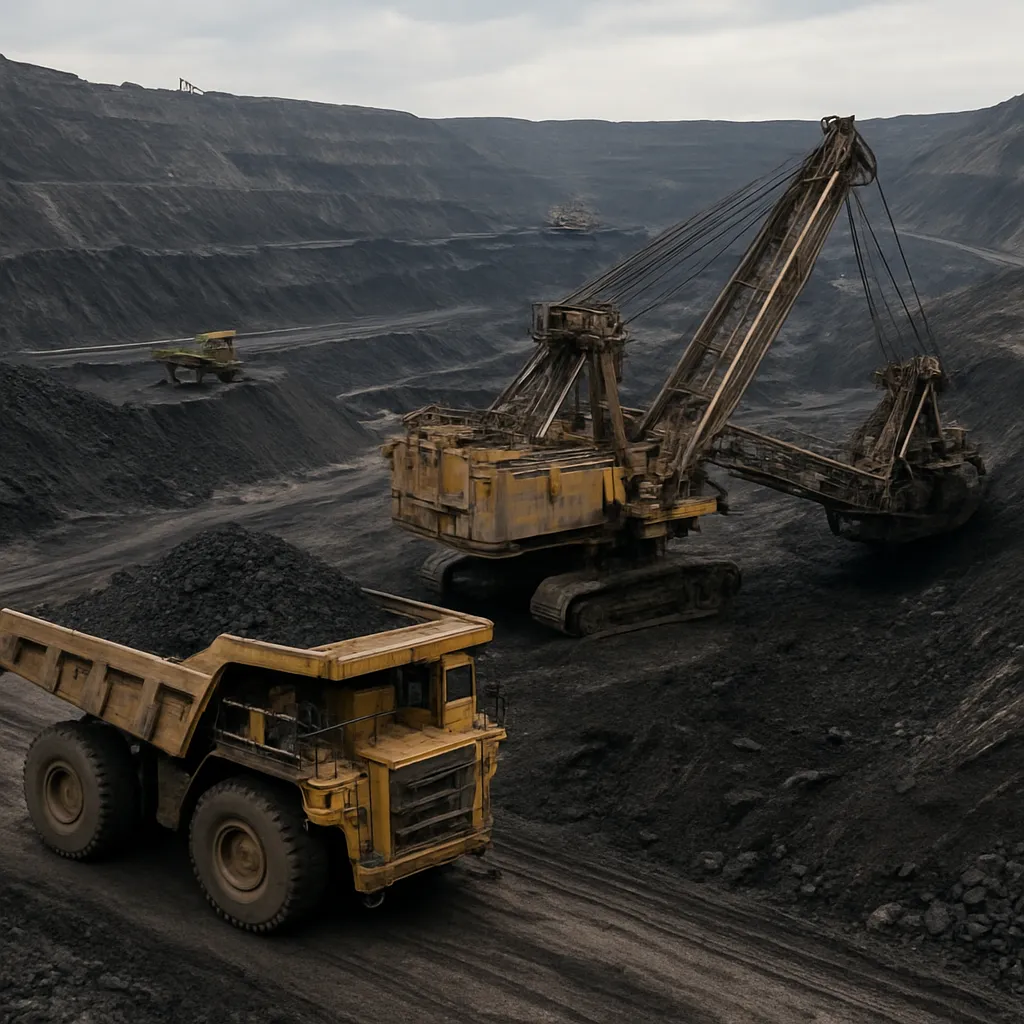
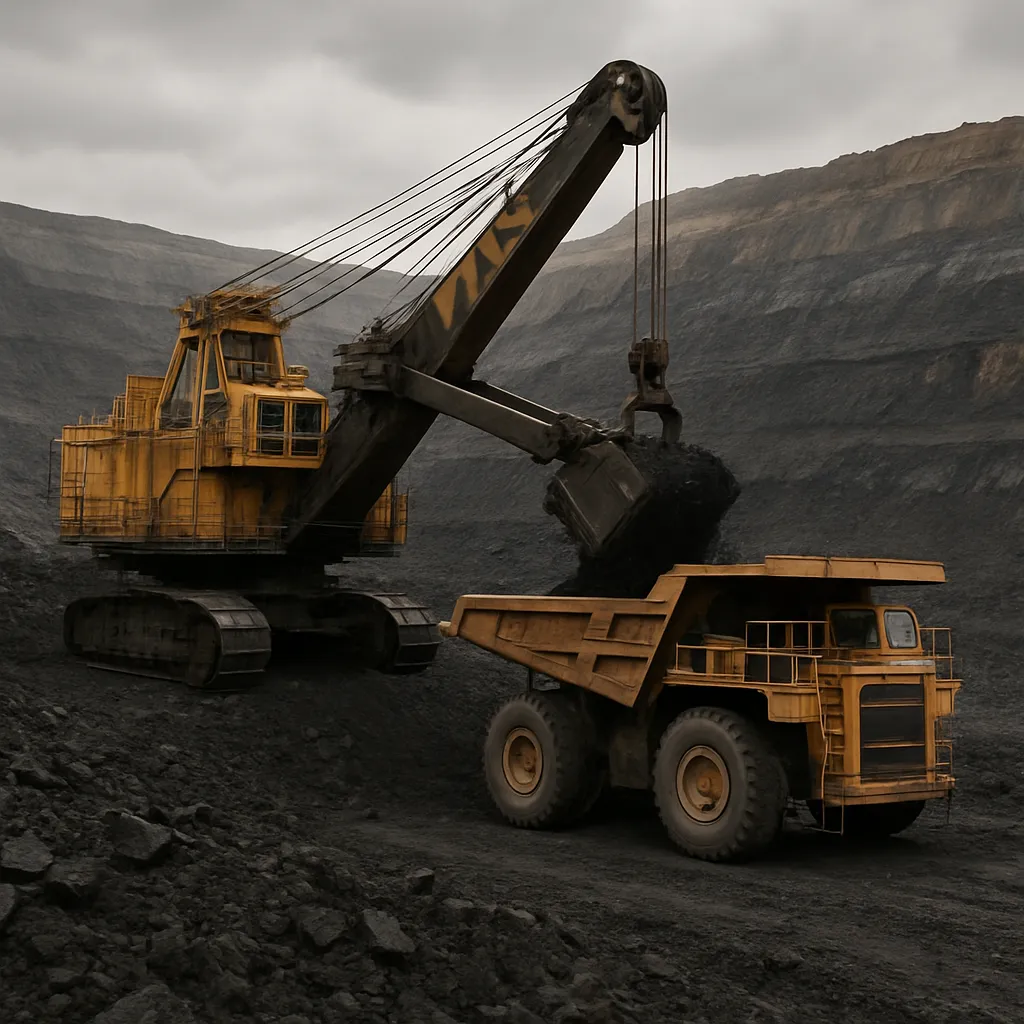
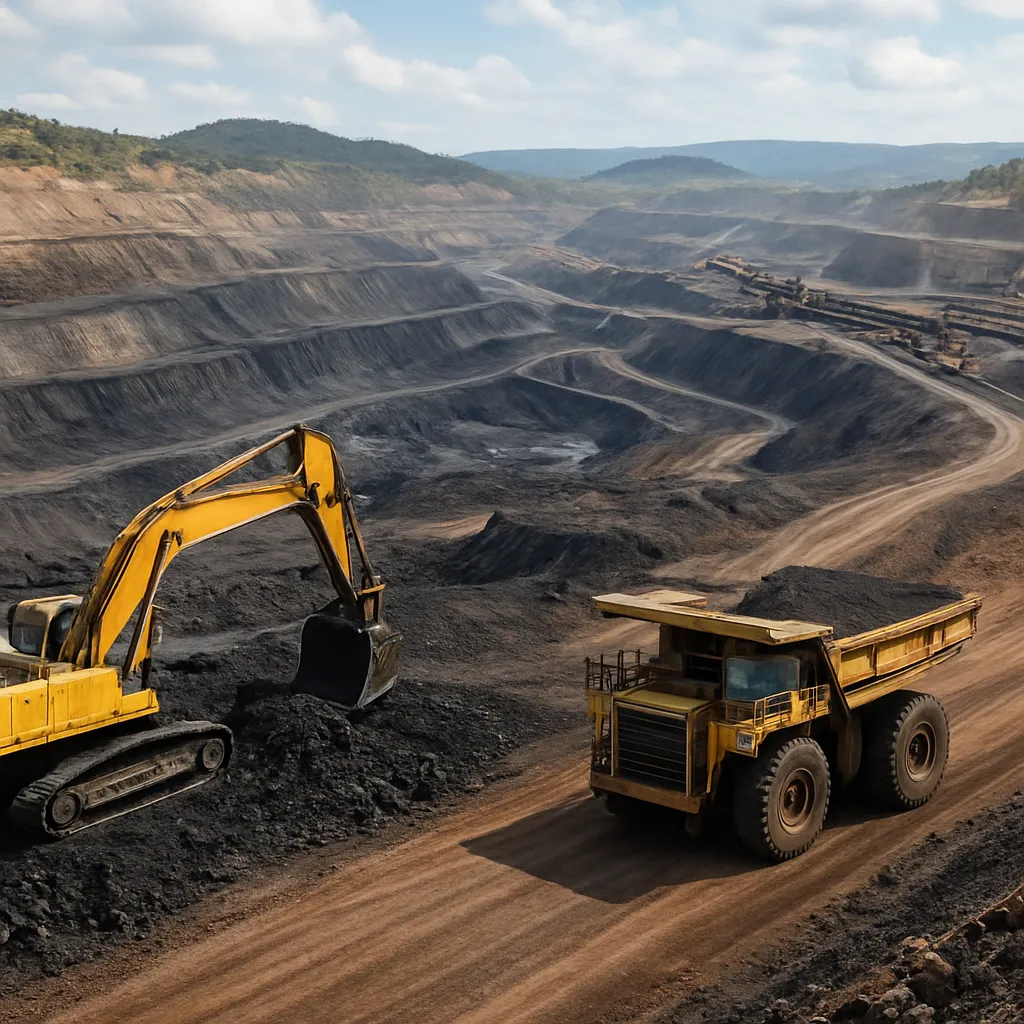
Operations at Oaky Creek reflect standard large-scale open-cut mining practices common in the Bowen Basin. The mine typically employs heavy earthmoving equipment—truck-and-shovel fleets, draglines where overburden conditions allow, and dozers—to remove overburden and expose coal seams. Material handling systems, haul roads and dedicated processing infrastructure are integral to maintaining high throughput.
- Extraction: Overburden is removed in benches with careful geotechnical management to ensure slope stability and worker safety.
- Processing: Run-of-mine coal is hauled to a coal handling and preparation plant (CHPP) where it is washed, sized and blended to customer specifications.
- Environmental controls: Dust suppression, water management and progressive rehabilitation are implemented throughout the life of the mine.
- Workforce and automation: Modern mines combine experienced on-site crews with increasing degrees of automation for haulage, drilling and continuous monitoring systems to improve efficiency and safety.
Infrastructure, logistics and export pathways
A large part of Oaky Creek’s value comes from its connectivity to transport and port infrastructure. Coal from the Bowen Basin is typically transported by heavy-haul rail networks to coastal export terminals in Queensland, such as those near Gladstone and the Port of Hay Point region. Rail loading facilities, buffer stockpiles and port-based blending systems are important links in the value chain because they allow mines to aggregate product volumes and meet shipment schedules demanded by global buyers.
Logistics planning at Oaky Creek must account for seasonal weather patterns, rail scheduling, port capacity constraints and international demand cycles. Efficient rail access ensures competitive delivered costs to major steelmaking and power generation customers, while proximity to established export channels reduces capital expenditure on dedicated port infrastructure.
Economic significance and statistics
The Oaky Creek Mine forms part of the wider coal export engine that supports Queensland’s and Australia’s economies. Coal exports are one of Australia’s largest commodity earnings, often contributing tens of billions of Australian dollars annually at the national level. Mines like Oaky Creek contribute both direct economic value—through export revenue, royalties and taxes—and indirect value by supporting suppliers, service industries and regional communities.
Key economic roles of Oaky Creek include:
- Employment: The mine creates direct jobs for operators, technicians, engineers and administrative staff, and indirect jobs in logistics, maintenance and local services. Large open-cut mines typically sustain hundreds to over a thousand direct positions during full production phases.
- Regional development: Payroll and procurement spending support local businesses, contractors and councils in regional Queensland, providing a tax base and funding for infrastructure.
- Government revenue: Royalties on coal production, corporate taxes and payroll taxes contribute to state and federal budgets.
- Export earnings: High-grade metallurgical coal attracts premium prices on world markets and supports trade balances by generating foreign exchange.
While exact production statistics for Oaky Creek vary over time depending on market conditions, mining schedules and life-of-mine plans, operations of this type in the Bowen Basin often produce at multi-million tonne per annum rates during active periods. Nationally, Australia’s thermal and metallurgical coal exports commonly total in the order of hundreds of millions of tonnes per year, and producing sites in the Bowen Basin are major contributors to that volume.
Social and community aspects
Community engagement is a key part of modern mining practice. Oaky Creek’s social licence to operate depends on ongoing dialogue with local stakeholders, including neighbouring landholders, regional councils, indigenous communities and the broader public. Common community initiatives associated with mines in this region include:
- Local procurement policies to boost small business participation.
- Training and apprenticeship schemes to develop the regional workforce.
- Support for local health, education and community infrastructure projects.
- Programs designed to preserve and respect Indigenous heritage sites and cultural values.
Indigenous engagement typically involves negotiated heritage management agreements, employment pathways, and support for cultural programs. Successful mines work to integrate these measures into multi-year planning so that benefits flow throughout the project lifecycle.
Environmental management, rehabilitation and regulation
Oaky Creek operates in an environment of stringent regulatory oversight, with federal, state and local rules guiding water use, biodiversity protection, air quality, noise and land rehabilitation. Effective environmental management at the mine includes:
- Progressive rehabilitation: As areas of the mine are no longer needed for production, they are reshaped, topsoiled and revegetated to reduce erosion and restore ecological function.
- Water management: Controlling runoff, storing and treating water in sediment basins, and managing groundwater interactions to protect aquatic ecosystems and downstream users.
- Air quality controls: Dust suppression on haul roads, at crushers and during loading to minimise particulate emissions that can affect health and local amenity.
- Biodiversity offsets: Where unavoidable impacts occur, mines implement offsets or conservation measures to compensate for habitat loss.
Adaptive management is also a hallmark of contemporary practice—operators monitor environmental performance against regulatory limits and community expectations and adjust practices accordingly. Closure planning, financial assurance and long-term monitoring ensure that environmental liabilities are addressed even after mining operations cease.
Safety, technology and productivity
Safety is a core priority at Oaky Creek and similar operations, where direct interaction with heavy machinery, explosives in some contexts, and large-scale earthworks create inherent risks. Safety systems include rigorous training, behaviour-based safety programs, electronic monitoring, incident reporting systems and emergency response plans. Continuous improvement in safety performance has been a major focus across the Australian mining sector for decades.
Technology plays a growing role in boosting productivity, reducing cost and enhancing safety. Examples of technological adoption include:
- Remote-controlled or automated haulage systems to reduce operator exposure.
- Real-time fleet monitoring for optimised dispatching and fuel-saving routes.
- Advanced geological modelling and orebody characterisation for more precise extraction.
- Water recycling and process optimisation to reduce environmental footprint and operating cost.
Market dynamics and strategic significance
Oaky Creek’s strategic value is tied to global steel demand and the market for metallurgical coal. Steel production is closely linked to economic cycles, urbanisation and infrastructure spending—especially in large emerging economies. Key market considerations include:
- Demand drivers: Construction, manufacturing and automotive industries drive demand for steel and thus for metallurgical coal and PCI coal.
- Price volatility: Coal prices fluctuate with supply disruptions, macroeconomic trends and changes in shipping costs or trade policies.
- Competition: Australia competes globally with producers in regions like Mongolia, Russia, the US and Colombia for metallurgical coal market share, while maintaining reputation for consistent quality and reliable logistics.
- Transition pressures: Energy transition and decarbonisation policies influence thermal coal demand; however, metallurgical coal currently remains essential for traditional steelmaking unless economically viable low-emissions alternatives (e.g., hydrogen-based direct reduced iron) scale up.
Regulatory environment and taxation
Mining in Queensland is governed by a framework of permits, environmental approvals and royalty arrangements administered by state and federal agencies. Operators must comply with land access agreements, environmental approvals, water entitlements and workplace health and safety regulations. Royalty rates and taxation policy materially affect project economics and investment decisions. Royalty payments to the state support regional services and infrastructure, helping translate mineral wealth into public benefit.
Economic resilience, risks and challenges
Oaky Creek, like all large mines, faces multiple risks which require active management. Principal challenges include:
- Commodity price risk: Downturns in metallurgical coal prices reduce profitability and can lead to scaled-back operations or care-and-maintenance status.
- Operational risk: Unexpected geotechnical issues, equipment failure, or severe weather events can interrupt production and inflate costs.
- Regulatory and policy risk: Changes in environmental regulation, native title outcomes or royalty regimes can alter project economics.
- Social licence risk: Community opposition, Indigenous heritage concerns or workforce disputes may lead to reputational impacts or operational constraints.
Operators mitigate these risks through hedging and contracting strategies, insurance, diversified product lines, investment in resilient infrastructure and active stakeholder engagement.
Future outlook and potential developments
The long-term outlook for Oaky Creek depends on several intersecting trends. Global steel demand, the pace of adoption of low-emissions steelmaking technologies, and the competitiveness of Australian producers will shape the mine’s future. Potential developments include:
- Optimization and life-of-mine extensions through targeted exploration and improved recovery of existing resources.
- Adoption of lower-emission operating practices—fuel efficiency, electrified equipment and renewable energy integration at site—to reduce Scope 1 and Scope 2 emissions and meet stakeholder expectations.
- Product diversification and higher-value product development through improved coal beneficiation and blending strategies to meet specialised steelmaking requirements.
- Closer collaboration with port and rail operators to improve supply chain resilience and reduce bottlenecks.
Notable statistics and contextual figures
While specific annual figures for Oaky Creek vary over time and depend on company reporting, it is useful to place the mine in context with regional and national statistics:
- Australia is consistently one of the world’s largest coal exporters, with combined thermal and metallurgical coal export volumes commonly in the range of hundreds of million tonnes per year in recent years.
- The Bowen Basin supplies a significant proportion of Australia’s metallurgical coal exports and supports thousands of direct and indirect jobs across central Queensland.
- Typical mine-scale metrics for open-cut Bowen Basin operations during active phases are production rates of multiple million tonnes per annum, workforce sizes measured in the low hundreds to over a thousand staff and contractors, and capital investments in processing and haulage infrastructure measured in the tens to hundreds of millions of Australian dollars depending on expansion scope.
Interesting facts and lesser-known aspects
Several features make mines like Oaky Creek particularly noteworthy within the mining sector:
- Integration: The Bowen Basin’s concentration of operations encourages integrated supply chains, shared services and rapid mobilisation of technical expertise between neighbouring sites.
- Technological testing ground: Bowen Basin mines have been early adopters of haulage automation, fleet telematics and remote operations centres in the southern hemisphere.
- Progressive rehabilitation: Many operators invest in re-vegetation trials and agricultural after-use planning to convert worked-out benches into grazing land, wildlife corridors or recreational spaces.
- Global influence: Quality metallurgical coal from the region has a disproportionate influence on global steelmaking feedstock markets because consistent supply underpins long-term furnace contracts.
Summary
The Oaky Creek Mine is a representative and strategically important operation within the Bowen Basin, producing coal that feeds domestic and international steelmaking and power generation markets. Its economic value extends beyond direct production to broader regional employment, export earnings and supplier activity. The mine’s operations are supported by substantial infrastructure, rigorous environmental and safety management and continuing technological innovation. While market volatility and transition pressures present challenges, the mine’s role within Australia’s metallurgical coal supply chain remains significant while demand for steel persists. Looking forward, adaptation—through improved environmental performance, operational efficiency and careful stakeholder engagement—will be essential to sustaining value from Oaky Creek over the long term.