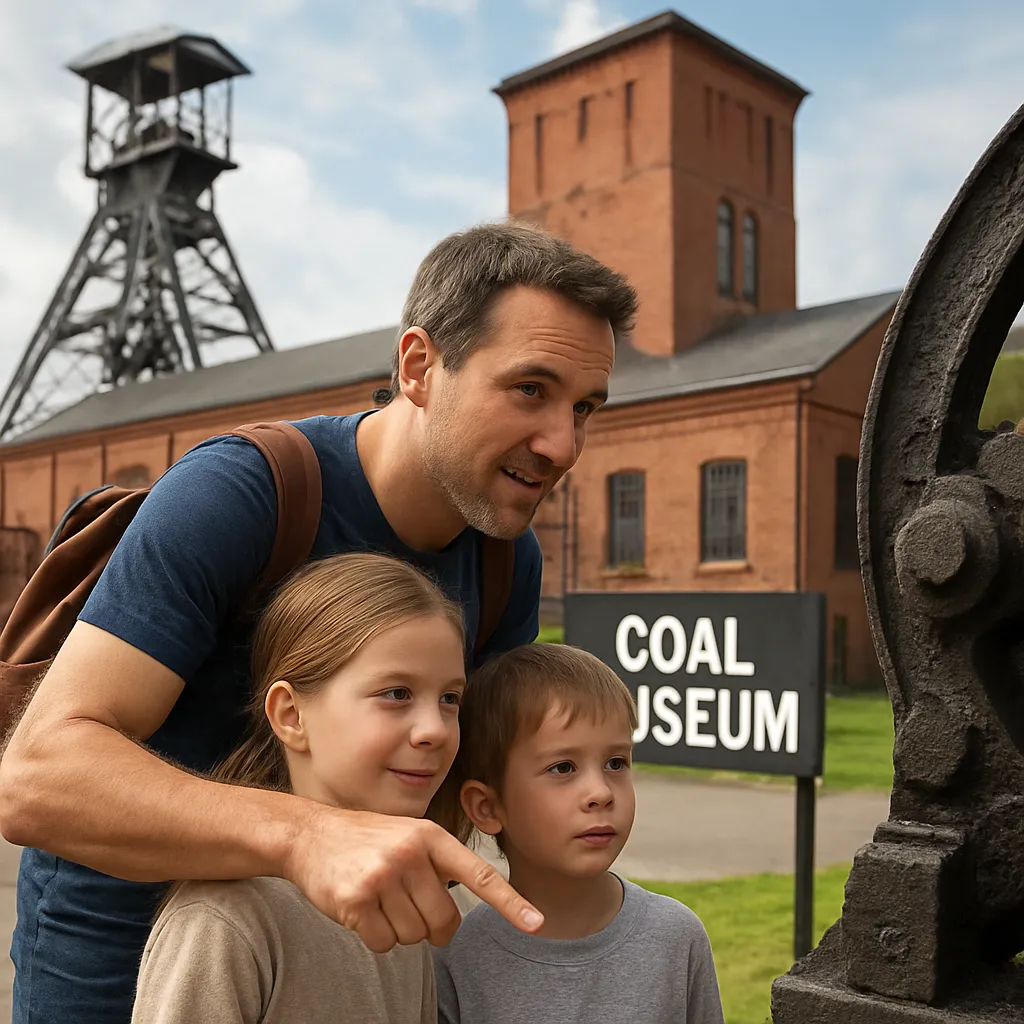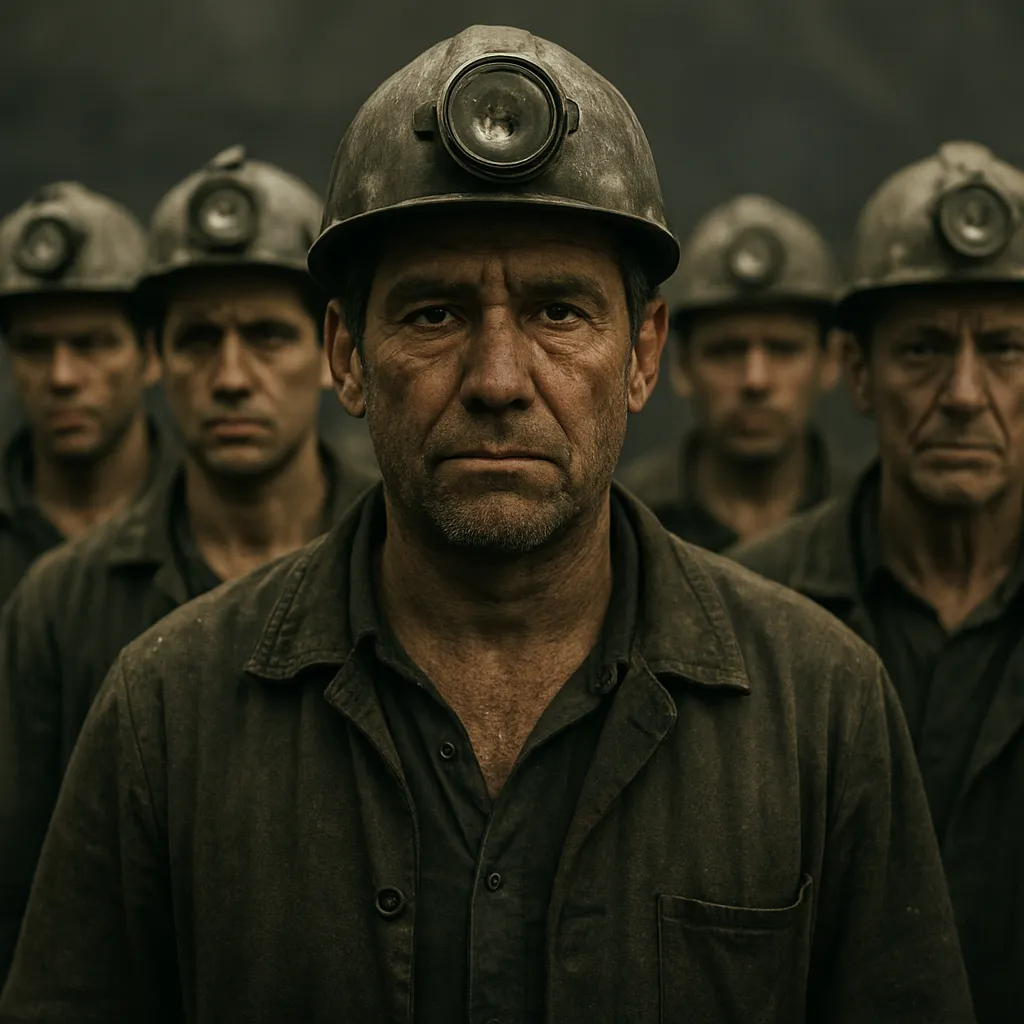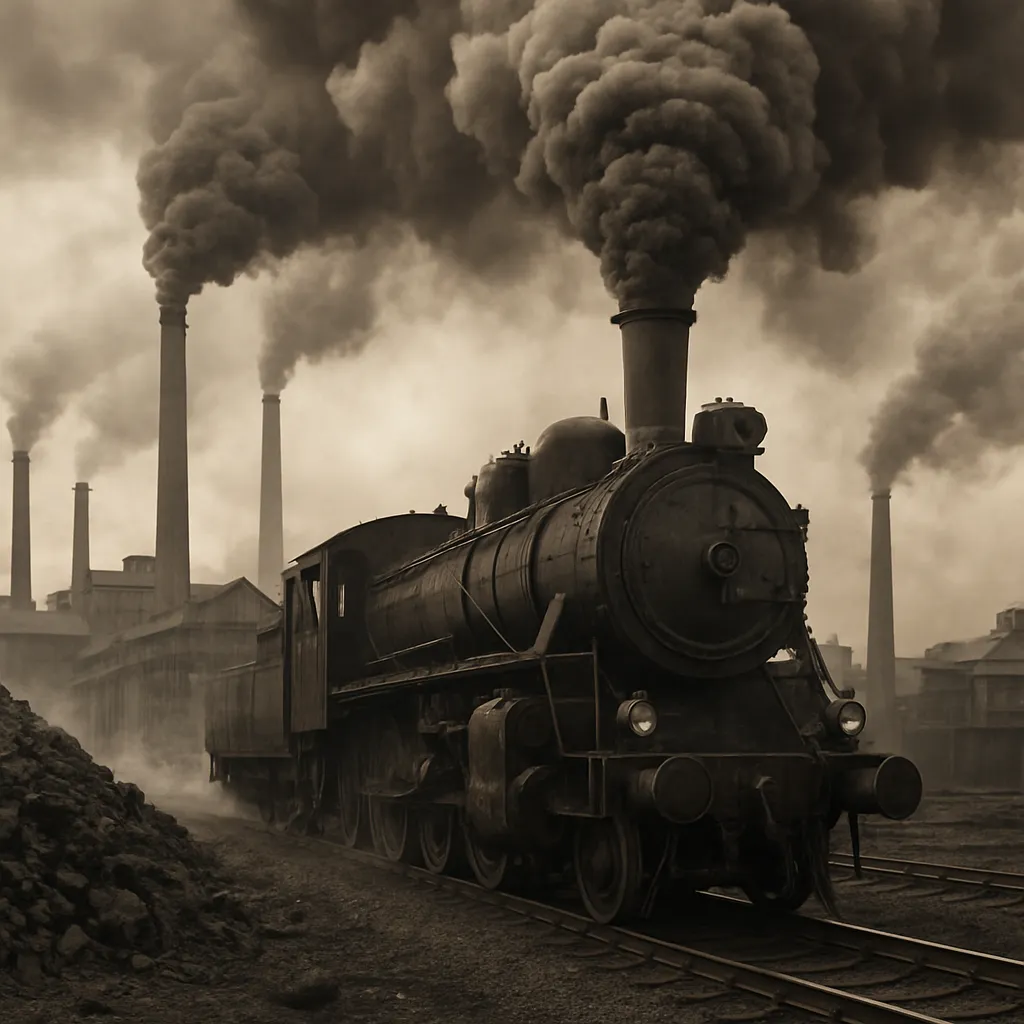
The vast deposits beneath our feet have powered centuries of progress, fueling engines of change from steam locomotives to steel for skyscrapers. This entry delves into the origins, industrial significance, financial dynamics, and modern challenges surrounding coal and its market counterpart, coal stock. Exploring geological wonders and boardroom strategies, we uncover how this black rock shaped economies, societies, and the ever-evolving dialogue on sustainability.
Origins and Formation of Coal
Coal’s journey began hundreds of millions of years ago in lush swamps and dense forests. Under layers of sediment, vegetation was subjected to intense pressure and heat, gradually transforming into the carbon-rich material we mine today. Four main types of coal emerge from this process:
- Peat – the first stage, with high moisture and low carbon.
- Lignite – also known as “brown coal,” used in power generation despite lower energy density.
- Bituminous – the most widely mined variety, prized for its elevated carbon content and versatility.
- Anthracite – the highest-grade form, with the maximum carbon concentration and minimal impurities.
Each variety reflects a unique combination of geological time, temperature, and pressure. In regions such as the Appalachian Basin, the Ruhr Valley, and China’s Shanxi Province, vast seams of bituminous coal have fueled both local and global industries. The distinct chemical composition of each deposit influenced not only its heating value but also the byproducts released during combustion.
The Role of Coal during the Industrial Age
When James Watt perfected the steam engine in the late 18th century, a voracious hunger for fuel emerged. Coal’s abundance and energy density made it the unmatched choice to power steamships, locomotives, and factory boilers. Entire towns sprouted around mines, while railroads crisscrossed continents in a symphony of iron and smoke. The steam whistle and the clang of steel rails became symbols of progress, yet they also heralded social transformations:
- Urbanization: Workers migrated to mining and industrial centers, swelling populations in Manchester, Pittsburgh, and beyond.
- Manufacturing Boom: Coal’s reliable heat enabled mass production of textiles, iron, and chemicals, lowering costs and diversifying products.
- Labor Movements: Hazardous conditions underground and in factories sparked unions and strikes, reshaping labor laws.
- Global Trade: Coal-powered ships connected continents, accelerating the exchange of goods and ideas.
Beyond fueling engines, coal supplied the coke essential for smelting iron ore into steel. The rail networks that emerged created a positive feedback loop: coal moved faster, and faster transport drove higher demand for coal. By the mid-19th century, Western economies were irrevocably tied to black gold, establishing foundations for modern capitalism.
Coal Stock Markets and Economic Impact
The rise of coal companies paralleled the expansion of capital markets. Investors could buy shares in mining ventures, pooling resources to finance new shafts and technology. A robust trading ecosystem developed in London, New York, and regional exchanges:
- Initial Public Offerings (IPOs) of mining firms generated funds for exploration and equipment.
- Speculative bubbles formed when news of rich seams drove share prices to unsustainable highs.
- Dividends from established mines attracted long-term investors seeking steady returns.
- Corporate mergers and consolidations created colossuses controlling vast tracts of carbon reserves.
Coal stocks became bellwethers for industrial health. A surge in prices signaled booming factories; a slump hinted at recessionary pressures. Governments sometimes intervened, offering subsidies or imposing tariffs to protect domestic energy interests. In the 20th century, nationalization efforts in countries like the UK and India reshaped ownership models, integrating coal into state-led development strategies.
However, the financial narrative grew complex as environmental awareness rose. Ethical investors began to scrutinize the carbon footprint of coal enterprises. Green bonds and environmental, social, and governance (ESG) criteria redefined risk assessments. Some funds divested entirely, while others pressed mining companies to adopt cleaner practices, such as capturing methane emissions at the face of the mine.
Environmental and Technological Challenges
Despite coal’s historic prominence, its environmental toll cannot be ignored. Combustion releases carbon dioxide, sulfur oxides, and particulates, contributing to air pollution, acid rain, and global warming. Modern regulatory frameworks aim to mitigate these impacts through:
- Emission Standards: Stricter limits on sulfur and nitrogen oxide discharges.
- Flue-Gas Desulfurization: “Scrubbers” installed in power plants to remove harmful gases.
- Carbon Capture and Storage (CCS): Technologies to trap CO2 before it enters the atmosphere.
- Reclamation Programs: Restoring mined lands by reshaping terrain and replanting native vegetation.
Innovations in coal-fired power have improved efficiency, but face competition from natural gas, wind, and solar. The concept of “clean coal” hinges on CCS and high-efficiency gasification, yet costs remain steep. Meanwhile, investors weigh the long-term viability of coal stocks amid tightening climate policies and declining demand in many developed nations.
In emerging economies, coal still underpins electricity grids and industrial processes. Balancing economic growth with environmental stewardship is a delicate act. Pilot projects blend renewables with coal to smooth supply variability. Some mines integrate photovoltaic arrays atop spoil heaps, generating solar power while demonstrating a commitment to diversifying energy portfolios.
Future Outlook
The coal landscape is at a crossroads. On one side, traditional markets strive to maintain jobs and energy security; on the other, global commitments to carbon neutrality pressure nations to transition toward lower-emission sources. Investors who monitor stock performance must navigate shifting regulations, technological breakthroughs, and evolving public sentiment. Adapting to these changes will require:
- Strategic Capital Allocation: Funding research into cleaner combustion and alternative uses for coal byproducts.
- Transparent Reporting: Demonstrating progress on emission reductions and land restoration.
- Stakeholder Collaboration: Bridging gaps between governments, corporations, communities, and environmental groups.
- Workforce Transformation: Reskilling miners and engineers for roles in renewable sectors.
Ultimately, coal’s legacy endures in the steel rails, machines, and financial institutions it powered. Whether it remains a major player or cedes ground to greener alternatives will shape the narrative of energy, markets, and the planet for decades to come.