The Kendadih Mine is one of the numerous coal mining sites located in the eastern coal belt of India. While many of the larger, better-known collieries in the region receive wide media and statistical attention, Kendadih—like many local collieries—plays a specific and important role in supplying coal for regional industry, power generation and local livelihoods. The following article synthesizes geological, operational, economic and environmental information relevant to Kendadih and mines of its type, and where direct public statistics for Kendadih are unavailable I note that explicitly and provide broader regional and national context.
Location and geological setting
Kendadih is located in the coal-bearing Damodar valley region of eastern India, an area that spans parts of the states of Jharkhand and West Bengal. The Damodar valley represents one of the most important coal-producing basins in India and contains multiple coalfields such as Jharia, Raniganj, Bokaro, and North Karanpura. Mines in this geographic and geological setting typically exploit Permian-age coal seams formed in deltaic and fluvial environments.
The coal found in mines like Kendadih is generally of the bituminous rank, often categorized as non-coking or medium-volatile bituminous coal used predominantly for thermal power generation rather than metallurgical (coking) applications. Seam thicknesses in the Damodar valley can vary from thin bands of less than a meter to thick seams several meters thick; specific seam geometry and depth at Kendadih will depend on local stratigraphy and historical exploration data. Typical geological features relevant to local operations include:
- Multiple, laterally variable seams with varying ash and moisture content.
- Sedimentary interbeds of shale and sandstone that influence mine stability and extraction planning.
- Faulting and folding at local scales that can create challenges for both underground and surface mining.
Because local coal quality (calorific value, ash percentage, volatile matter and sulfur content) can vary from seam to seam, mine-specific testing and sampling are essential to determine whether coal is suitable for power stations, industrial boilers, or other uses.
Mining methods and operations
Coal extraction at Kendadih-type sites typically uses one or a combination of the following methods depending on orebody geometry, depth, and economic factors:
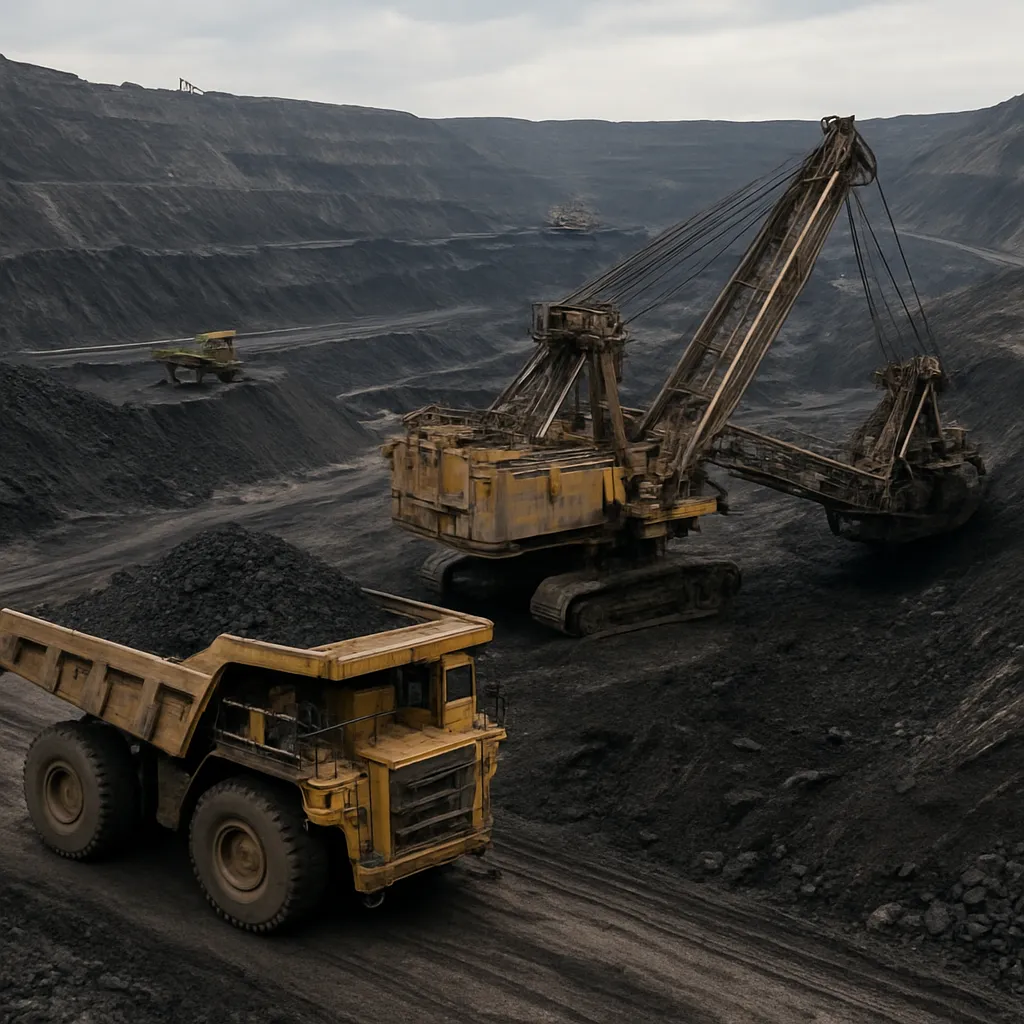
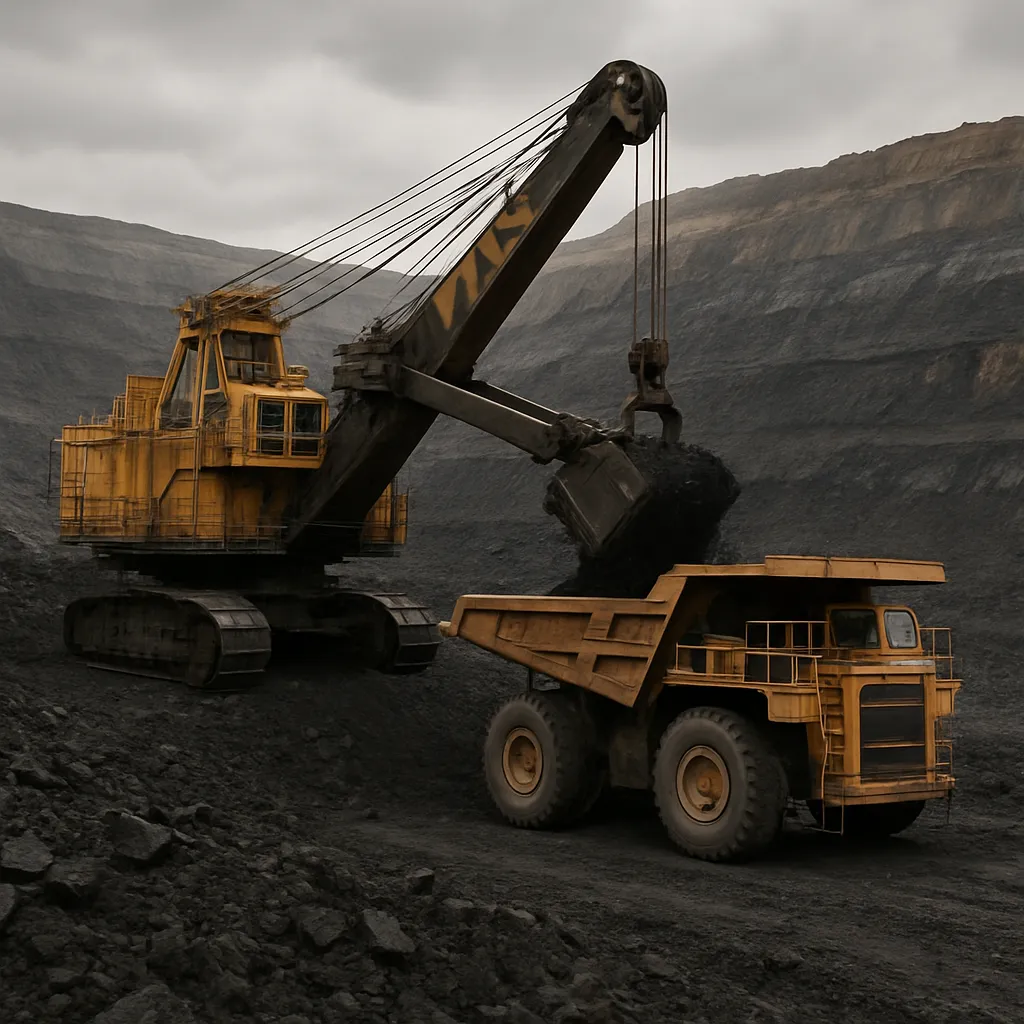
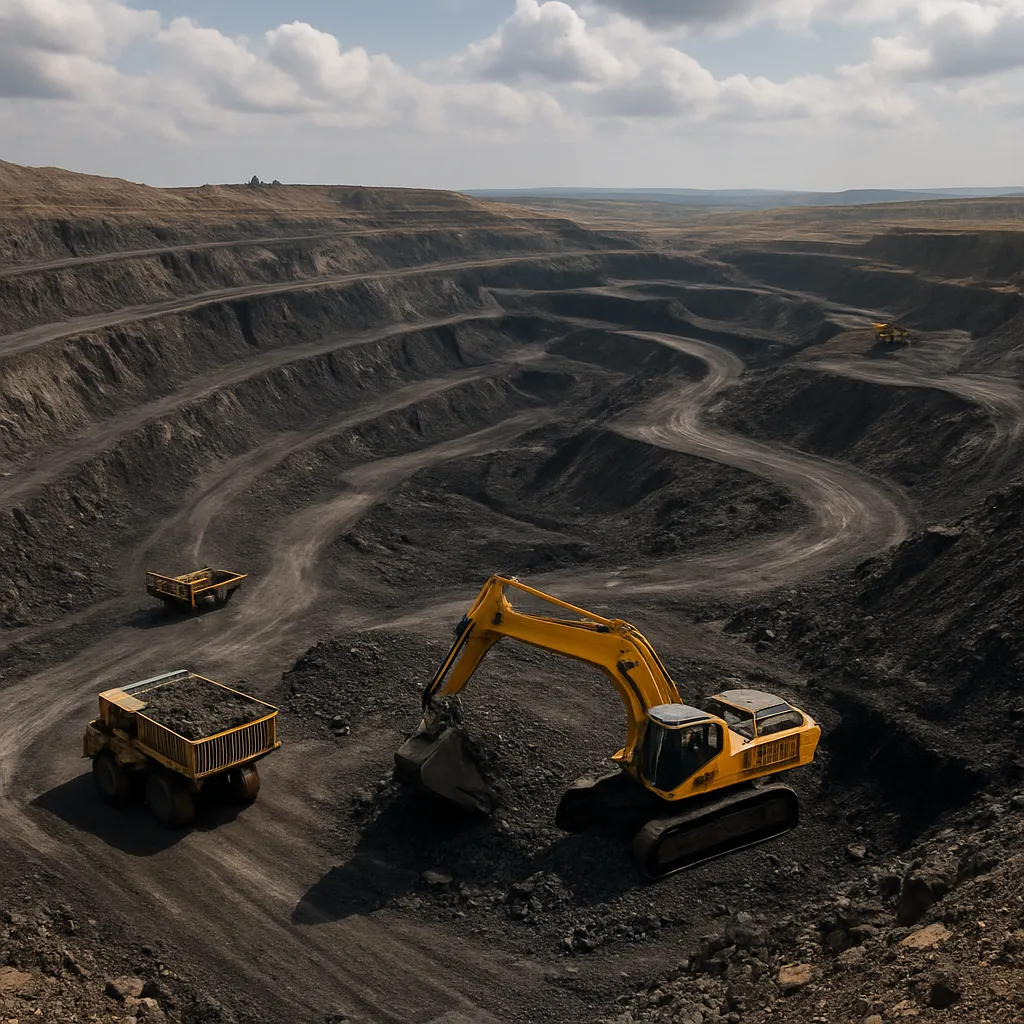
- Opencast (surface) mining: Employed where seams are shallow and laterally extensive. It allows for higher recovery rates and greater mechanization with equipment such as draglines, shovels and dump trucks.
- Underground mining: Applied where seams are deep or where overburden removal is uneconomic. Methods include board-and-pillar, longwall, or mechanized continuous miner systems depending on seam characteristics and investment.
- Hybrid approaches: Some sites begin with underground mining and later convert to opencast if economics allow or vice versa.
Modern operations have trended toward mechanization to improve safety and productivity. Mechanized longwall and continuous miner systems, conveyorised material handling and mechanised overburden removal reduce onsite labor intensity and increase output per unit area. Important auxiliary operations include coal processing (crushing, screening, washery), transport infrastructure (rail sidings, road links), and on-site facilities for workers.
At small-to-medium collieries like Kendadih, operational challenges can include managing groundwater inflow, maintaining ventilation (in underground workings), controlling dust and fugitive emissions, and ensuring slope stability in opencast pits. Safety protocols and continuous monitoring are vital; India’s coal mining sector has steadily invested in safety and training following national regulation and company policies.
Production profile and coal characteristics
Specific, publicly available production figures for Kendadih are limited in open-source datasets. Many local collieries report annual outputs that vary with market demand, investment in equipment, and regulatory approvals for expansion. Where data are lacking, it is instructive to consider the production context of the region:
- India’s coal production in recent years has been near the range of several hundred million to nearly a billion tonnes annually; coal remains the dominant fuel for power generation in the country.
- Coal from the Damodar valley is primarily used for power generation, industrial boilers, cement production and sometimes blended for steelmaking feedstocks when coking properties are suitable.
- Typical quality parameters for bituminous thermal coal in the region include medium to high ash (often 20–40% ash by mass in many seams without washing), calorific values that can vary widely, and variable moisture and sulfur—attributes that influence transport, washery economics and end-use.
Where washery facilities exist nearby, lower-grade coal can be beneficiated to reduce ash and improve calorific value, creating a higher-grade product for power plants and industrial consumers. The economic feasibility of washery upgrades at Kendadih would depend on local seam composition and access to markets.
Economic and regional importance
Even modest collieries can have an outsized effect on local economies. The economic role of Kendadih-like mines includes:
- Employment: Direct jobs in mining, maintenance, transport and processing, and indirect livelihoods in local services, shops, and logistics.
- Energy security: Contributing fuel to thermal power plants that supply regional grids; coal from local mines reduces dependence on long-distance transport for fuel.
- Fiscal revenues: Royalties, taxes and other payments to state and central governments provide revenues used for local infrastructure and services.
- Industrial supply chains: Supporting nearby industries (cement, steel, brick kilns, and local manufacturing) that rely on steady coal supplies.
At a national level, coal continues to be a backbone of India’s industrial and power sectors. Approximately three quarters of India’s electricity generation depends on coal-fired plants; thus regional mines feed critical infrastructure and help maintain grid stability, particularly during peak demand seasons.
Employment, communities and social impacts
Mines like Kendadih typically employ a combination of permanent, contractual and daily-wage workers. The presence of a mine influences settlements and community services in several ways:
- Local towns and villages may expand due to in-migration of labor and their families.
- Companies often run health, education and housing initiatives under corporate social responsibility (CSR) programs or statutory requirements.
- Land acquisition for opencast operations can lead to displacement; resettlement and rehabilitation are legally mandated but implementation quality varies.
Effective community engagement is essential to reducing social friction. Projects that combine local hiring, vocational training and community infrastructure (roads, schools, clinics) tend to achieve more sustainable social outcomes.
Environmental challenges and mitigation
Coal mining has well-documented environmental impacts. Key concerns at Kendadih-style operations include:
- Land disturbance and biodiversity loss: Opencast pits permanently alter land use and require large-scale reclamation to restore ecological function.
- Air quality: Dust from mining, crushing and transport and emissions from diesel equipment affect local air quality.
- Water impacts: Groundwater lowering due to dewatering, contamination from mine drainage and sedimentation in local waterways are frequent issues.
- Subsidence: Legacy underground workings can lead to surface subsidence that damages infrastructure and habitats.
Mitigation strategies in contemporary operations include progressive backfilling and land reclamation, installation of dust suppression systems, wastewater treatment and monitoring, afforestation of reclaimed areas, control of mine drainage and treatment of acid mine drainage where it occurs. Increasing attention is also paid to capturing fugitive methane from workings—a greenhouse gas mitigation measure which also can be an energy resource if used to generate power or supplied to pipelines.
Regulatory, safety and technological trends
Indian coal mining is regulated by national laws, environmental clearances and state rules. Over the last two decades, the sector has seen:
- Stricter environmental and social safeguards for new projects.
- Increased mechanization and adoption of digital monitoring for safety (real-time gas monitoring, remote-controlled equipment, and automated dispatch systems).
- Efforts to improve rehabilitation of miners, occupational health programs, and investment in safety training.
Newer mines and expansions also evaluate higher-value options such as on-site washeries, captive power generation, or captive users (e.g., a nearby cement plant) to improve the value chain and reduce transportation costs.
Statistics and measurable indicators
Exact, up-to-date figures for production, reserves, employment and revenue at Kendadih are not uniformly published in open national databases. Publicly available national and regional indicators that provide context include the following approximations and trends (note that these figures are broad indicators rather than mine-specific metrics):
- India remains one of the world’s largest coal producers and consumers, with annual production in recent years approaching the high hundreds of millions of tonnes.
- Coal is responsible for roughly 70–75% of India’s electricity generation portfolio, underscoring the strategic importance of regional collieries.
- Regional collieries contribute a mixture of high-ash, medium calorific-value coals and occasional higher-grade seams; availability of washery infrastructure determines the market value of run-of-mine coal.
For mine-level statistics—such as Kendadih’s verified annual output, measured geological reserves, or employment count—one would typically consult company annual reports (if the mine is part of a public company), state mining department records, or official disclosures under India’s mineral and environmental regulations. Local office records of the operating company and district mineral foundations also hold more granular data.
Future prospects and broader significance
Kendadih-style collieries will continue to play a role for the foreseeable future because of India’s ongoing dependence on coal for power and industrial feedstock. However, several forces are shaping their future:
- Energy transition: As India invests in renewables and efficiency, coal demand growth may moderate, but baseload needs and infrastructure replacement create continued coal demand in the medium term.
- Efficiency and emissions pressure: Plants and mines may face tighter emissions norms; beneficiation (washers) and cleaner combustion technologies at power stations change downstream requirements for coal quality.
- Community and environmental standards: Better community engagement and environmental management are becoming essential for project approvals and social license to operate.
- Technological upgrades: Automation, remote monitoring and methane capture could improve safety and reduce greenhouse gas footprints from mining operations.
From an industrial standpoint, maintaining the reliability of coal supply chains—including mines such as Kendadih—is central to regional economic stability. Investments that improve coal quality, reduce environmental footprint and strengthen community benefits will determine whether these mines remain sustainable components of the local economy.
Interesting facts and ancillary opportunities
Several ancillary aspects related to mines like Kendadih are notable:
- Coal-bed methane (CBM) potential: Coal seams in the Damodar valley have been assessed for methane content; capturing CBM can reduce greenhouse emissions and provide a supplementary energy source where technically feasible.
- Reclamation and land use: Reclaimed mine lands have been repurposed for agriculture, solar farms or community spaces in some projects, offering a template for post-mining land use.
- Local entrepreneurship: Coal value chains stimulate local businesses in trucking, equipment servicing, and small-scale coal processing—even as mechanization changes labor composition.
In summary, Kendadih is an example of a regional coal mine whose direct public statistical footprint may be modest or sparsely documented, but whose functional role is typical of many mines across India: supplying thermal coal to regional consumers, providing local employment and fiscal revenues, and posing environmental and social management challenges that require careful mitigation. The future of such mines will be shaped by market demand for coal, regulatory and environmental constraints, and the degree to which operators adopt cleaner, more efficient technologies and responsible community engagement practices.