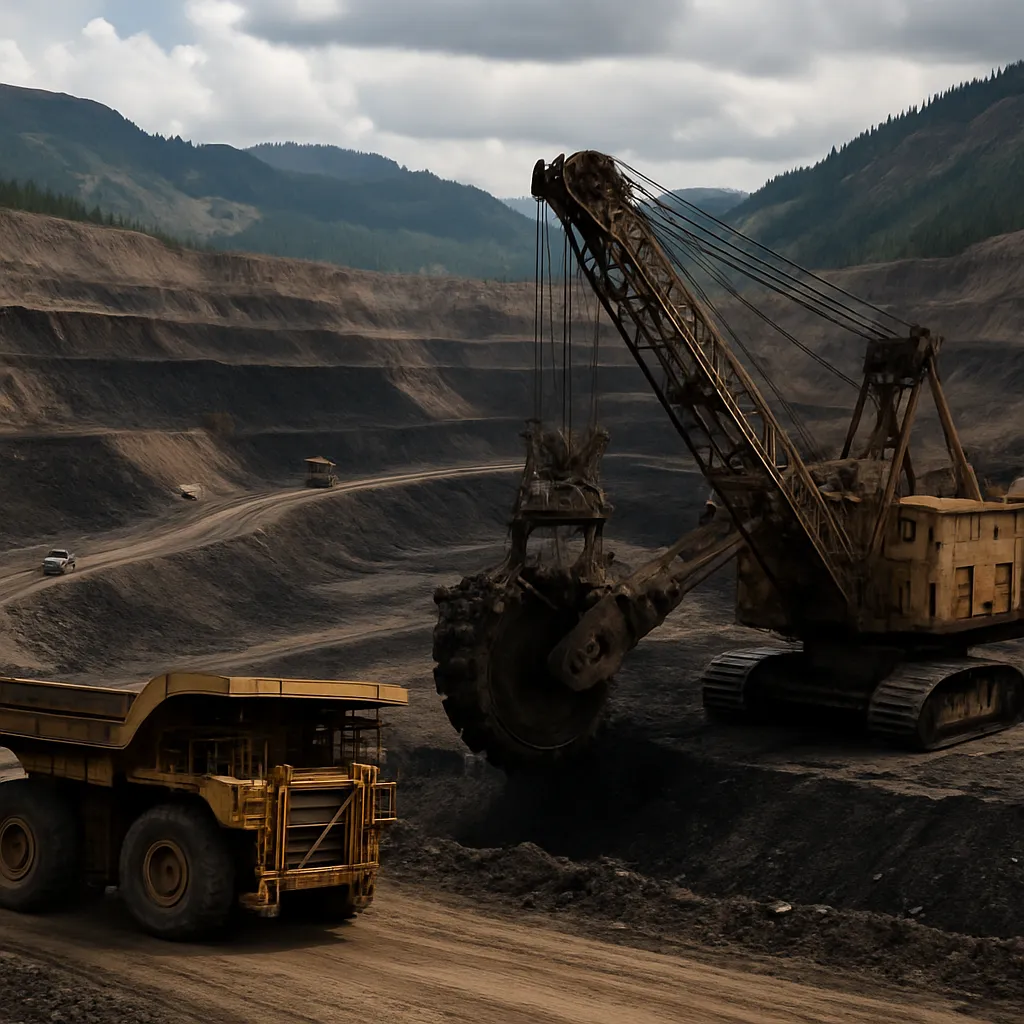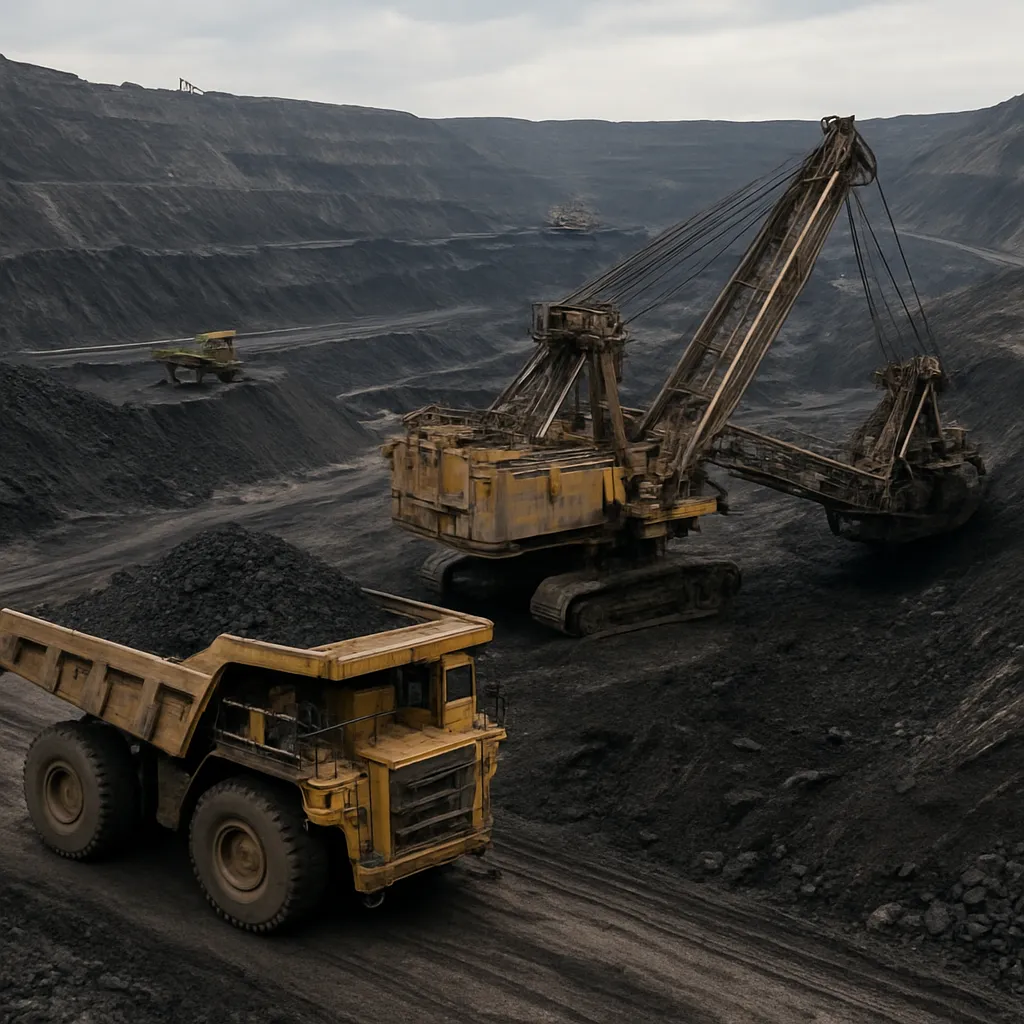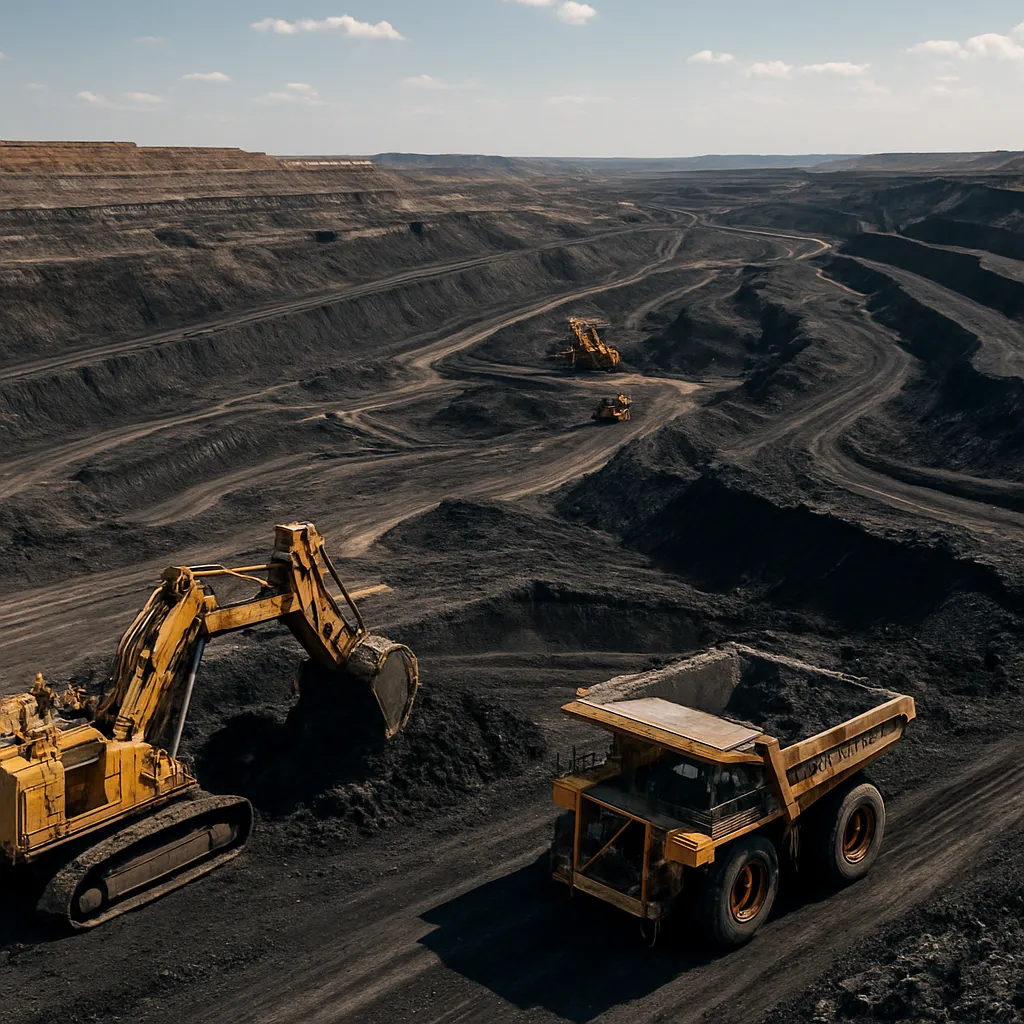
The Jeebropilly Mine, located in south-east Queensland, Australia, is a notable example of a regional coal operation that has played a role in the local economy, the domestic energy system and export coal markets. Set within the Moreton Basin near Ipswich, the mine has a layered history of development, changing ownership and evolving operations that reflect broader trends in Australian mining: shifting demand for coal, environmental regulation, and community engagement. This article outlines the site’s location and geology, the nature of the coal produced, operational and economic aspects, environmental management, historical milestones and future prospects. It aims to provide a rounded portrait of Jeebropilly’s significance in both regional and national contexts.
Location and geological setting
Jeebropilly is situated in the western corridor of the Brisbane metropolitan area, within the Ipswich region of south-east Queensland. The mine lies in the Moreton Basin, a sedimentary basin that hosts a number of small to medium-sized coal deposits that have historically supplied both domestic power stations and export markets. The basin’s strata were deposited during the Permian and younger periods and include multiple coal seams of variable thickness and quality.
Geology and coal seam characteristics
The coal seams worked at Jeebropilly are typical of many eastern Australian deposits in that they are sedimentary, relatively shallow in places and generally amenable to surface mining where seam thickness and overburden permit. The mine has historically produced coal that is predominantly used for thermal (steam) purposes—fuel for electricity generation and certain industrial processes. In some parts of the Moreton Basin, coal characteristics can vary from sub-bituminous to bituminous ranks; the specific seams at Jeebropilly are valued for their combustion properties and suitability for local power stations and export customers seeking steam coal.
Access and infrastructure
- Transport links: The mine is connected into Queensland’s coal rail network, enabling coal to be moved to domestic users and export terminals. Rail and road are both important for logistics, with contracts and customer needs determining routing to ports such as the Port of Brisbane or to other terminals in Queensland.
- Proximity to markets: Being located close to the Brisbane metropolitan area and industrial hubs in south-east Queensland gives Jeebropilly a logistical advantage for supplying domestic power stations and industrial customers.
- Utilities and services: Typical mine-site infrastructure—administration buildings, workshops, water treatment and settlement ponds, and haul roads—support daily operations and environmental controls.
Mining operations and coal quality
Jeebropilly’s mining methods have included both open-cut (surface) extraction where seam geometry allows, and in the past, smaller-scale underground workings in areas where coal remains were deeper or where environmental constraints limited surface disturbance. The dominant method has been surface mining—employing truck-and-shovel fleets, excavators and, where applicable, draglines for overburden removal.
Coal type and end uses
The coal from Jeebropilly is primarily sold as thermal coal—used for generating electricity in coal-fired power stations and for certain industrial heating applications. Thermal coal is graded by parameters such as calorific value (energy content), moisture, ash, sulphur and volatile matter. Jeebropilly coal has typically been marketed by its suitability for steam generation, with characteristics that meet the needs of domestic power producers as well as export buyers seeking reliable steam coal supplies.
Production profile and workforce
Production volumes at Jeebropilly have varied over time in response to market demand, ownership strategies and permitting constraints. Smaller regional mines like Jeebropilly often operate at production levels ranging from several hundred thousand to over a million tonnes annually depending on economics and life-of-mine plans. The workforce typically comprises a mix of direct employees and a larger cohort of contractors providing specialised services (drilling, blasting, haulage, maintenance). The mine has been an important local employer, supporting skilled mining jobs in the Ipswich region and contributing to the service economy through contractor spending and local procurement.
Economic and industrial significance
Although Jeebropilly is not one of Australia’s largest coal mines by volume, it illustrates the role of regional coal operations in both local and national economic systems. The mine contributes to the regional economy through wages, supply chain spending, royalties and taxes, and through the indirect spending of employees and contractors.
Regional economic role
- Employment and local services: Mines such as Jeebropilly provide direct employment opportunities and help sustain local businesses—construction, transport, hospitality and professional services.
- Royalties and public revenue: Coal producers pay royalties to state governments, which support public services and infrastructure. The distribution of these fiscal benefits varies by contract and regulatory regime.
- Supply chain impacts: Local contractors, equipment suppliers and maintenance firms benefit from sustained mining activity. The multiplier effect of mining income supports wider economic activity in regional centres.
Integration into national and export markets
Jeebropilly’s coal has been part of a larger Australian coal supply system that serves both domestic electricity generation and international customers across Asia-Pacific markets. Australia is one of the world’s largest coal exporters, and while large central Queensland operations account for the majority of export volumes, smaller basins and mines—including those in Moreton Basin—play roles by supplying niche customers and balancing supply for specific coal qualities. Contracts, coal quality specifications and freight logistics determine how much of a particular mine’s output goes to domestic versus export markets.
Environmental management and community engagement
Mining in a populated and environmentally sensitive region requires comprehensive planning for ecological protection, water management and social license. Jeebropilly has had to balance operational goals with obligations to manage impacts on land, water and communities.
Water and catchment management
Water management is a central concern at any coal operation. Jeebropilly operates within the Brisbane River catchment; therefore, sediment control, stormwater management and groundwater monitoring are key elements of environmental compliance. Settling ponds, lined storages and progressive rehabilitation help reduce sediment and contaminant release. Ongoing monitoring programs typically track groundwater levels and quality to ensure mining does not cause harm to aquifers relied upon by local users.
Land rehabilitation and biodiversity
Australian mine approvals generally require progressive and final rehabilitation plans. Rehabilitating former mining areas can include re-contouring landforms, replacing topsoil, revegetation with native species, and establishing post-mining land uses such as grazing, recreation reserves, or conservation areas. Jeebropilly’s rehabilitation efforts focus on returning disturbed areas to stable and productive landscapes, with emphasis on native plant communities suited to local ecology and on creating habitat corridors where possible.
Community relations and heritage
Good community relations are essential for long-term operations. Engagement programs typically include regular community consultation, transparent reporting of environmental performance, local employment initiatives and contributions to community projects. Heritage and Indigenous cultural values are also significant; surveys and cultural heritage management plans are implemented to identify and protect sites of importance before works commence.
Historical development and ownership
The Jeebropilly Mine has experienced different phases over its operational life—exploration and initial development, periods of full production, care-and-maintenance intervals and changes of ownership. These phases are common for many smaller coal operations that must adapt to volatile global coal prices, changing domestic demand and regulatory developments. Transitions in ownership often reflect strategic repositioning by larger coal companies, investment decisions by local firms or shifts in regional energy policy.
Key milestones
- Exploration and discovery: Initial identification of coal resources in the Moreton Basin led to staged exploration and resource delineation.
- Commercial production: Once approvals and infrastructure were in place, the site moved into commercial production supplying thermal coal to domestic and export customers.
- Periodic restructuring: Market cycles and corporate strategies have led to variations in operations, including times when the mine entered care and maintenance and periods of reactivation under new ownership or with revised mine plans.
Statistics, market context and challenges
Precise production figures and current ownership details can evolve rapidly with market conditions. Historically, regional mines like Jeebropilly have produced outputs in the range of hundreds of thousands to low millions of tonnes annually, employed dozens to a few hundred staff and contractors, and contributed measurable but modest shares to state coal output. In a national context, Jeebropilly is a modest-sized player relative to Queensland’s large export-oriented mines, but its operations have been important to local supply chains and to the diversity of coal product offerings in the market.
Market dynamics
- Price volatility: Thermal coal prices are influenced by global demand, particularly from major buyers in Asia, and by competition from other energy sources.
- Policy and decarbonisation: National and international climate policies, plus shifts to renewable energy and gas, affect long-term demand for thermal coal and investment decisions by producers.
- Logistics and costs: Rail access, port capacity, loading windows and freight rates materially affect the competitiveness of coal from smaller mines.
Future prospects and strategic considerations
The future of Jeebropilly, as with many regional coal operations, depends on a combination of resource economics, regulatory settings, and evolving energy markets. Several pathways shape potential outcomes:
- Continued operations: If thermal coal demand remains robust in target markets and if mining costs, royalties and logistics remain favourable, the mine can continue supplying domestic and export customers under sustainable mine plans.
- Transition to care-and-maintenance: Periods of low prices or regulatory uncertainty can lead operators to place mines into care-and-maintenance while they wait for market improvements.
- Rehabilitation and land repurposing: At end-of-life, full rehabilitation and repurposing of land for agriculture, conservation or community uses become the priority, guided by regulatory and community expectations.
- Diversification and community planning: Local economies can leverage mine closure planning to attract new industries, develop skills transition programs and ensure lasting community benefits from mining royalties and infrastructure.
Noteworthy aspects and concluding observations
Jeebropilly Mine exemplifies many of the themes common to regional Australian coal operations: a resource embedded in a productive basin, operations that provide local employment and fiscal benefits, and the need to robustly manage environmental and community impacts. While not a headline-making giant, Jeebropilly’s value lies in its contribution to local industry, its role in supply chains for thermal coal, and its case-study value for managing the lifecycle of a coal mine in a peri-urban environment.
Jeebropilly remains a reminder of the balancing act between resource development, environmental stewardship and community interest. In an era of energy transition, mines like Jeebropilly will continue to face complex choices about operations, rehabilitation and legacy—choices that will shape the region’s landscape, economy and industrial future.